Why Jezioro Pławno Nature Reserve stands out
The reserve is best known for protecting rare aquatic and peatland plant communities in a small glacial setting, including populations of large spearwort, saw sedge, and the regionally rare slender-leaved pondweed, which together represent a distinctive and ecologically valuable wetland assemblage within the broader Puszcza Zielonka forest.
Jezioro Pławno Nature Reserve history and protected-area timeline
Jezioro Pławno was formally designated as a nature reserve on 11 October 1978, by order of the Minister of Forestry and the Wood Industry, which recognized a series of new reserves across Poland at that time. The specific legal basis for the designation was published in the Polish Monitor in 1978, marking the official protection of the lakes and their associated bog and forest vegetation.
The reserve was created with a clear botanical justification: to safeguard rare aquatic and peatland plants, particularly large spearwort, saw sedge, and slender-leaved pondweed, whose populations had been recognized as regionally significant. In 2001, the Governor of Wielkopolskie issued an official announcement reaffirming the existence of reserves established before the end of 1998, including Jezioro Pławno, and consolidating their legal status.
In 2016, the Regional Director of Environmental Protection in Poznań issued a new management order for the reserve, updating its current operating framework and aligning it with broader regional conservation policies. This step underscored the reserve's continuing relevance within the modern protected-area system, even as the surrounding landscape has continued to develop.
Jezioro Pławno Nature Reserve landscape and geographic character
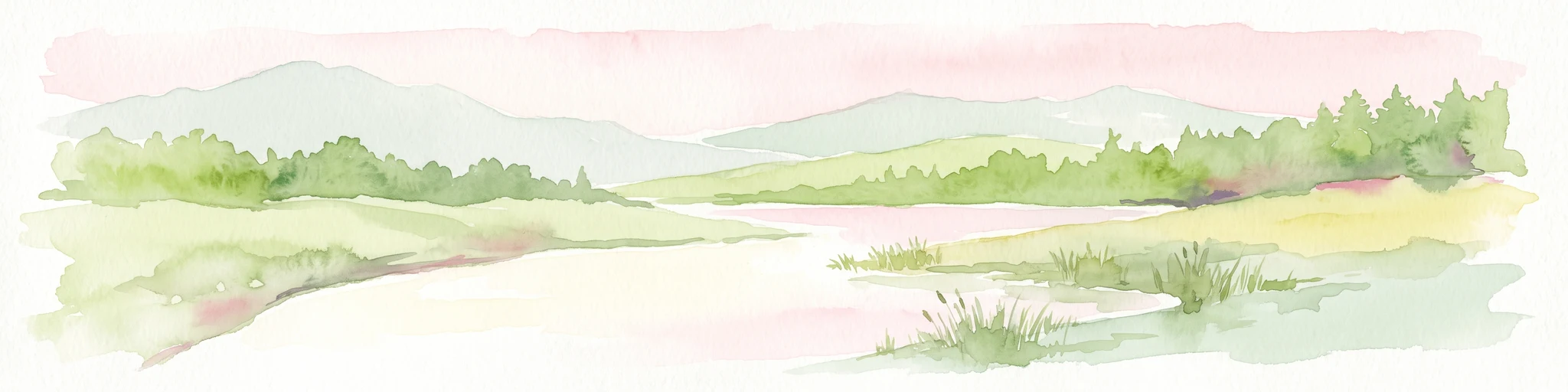
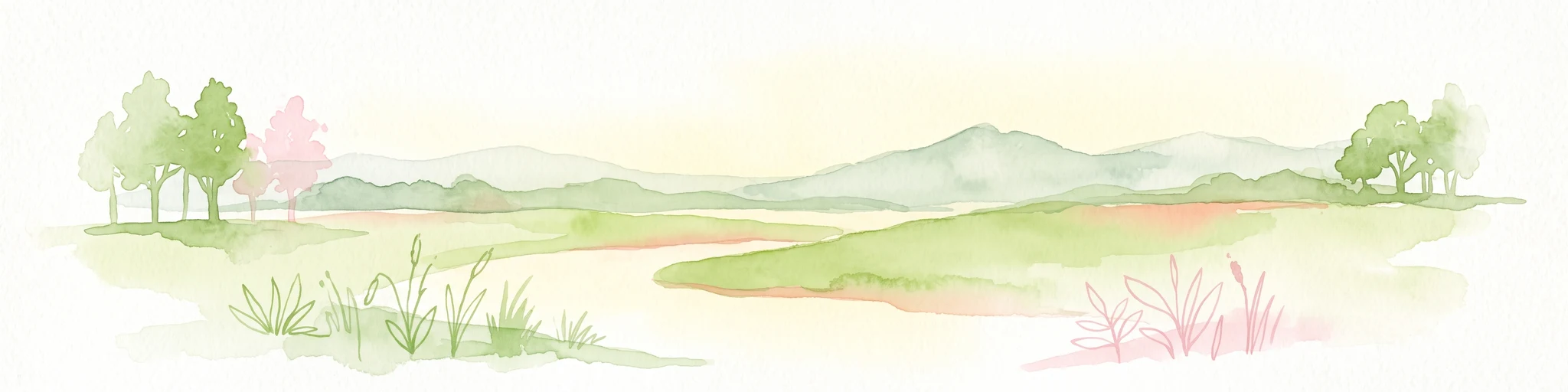
The reserve's landscape is shaped by glacial processes typical of the Gniezno Lake District (Pojezierze Gnieźnieńskie). Two small lakes, Pławno and Kociołek, occupy shallow basins within the forest, their waters bordered by soft, waterlogged margins where bog vegetation quickly gives way to surrounding woodland. The terrain around the lakes is gently undulating, with low ridges and depressions formed by the retreat of the last Pleistocene ice sheet.
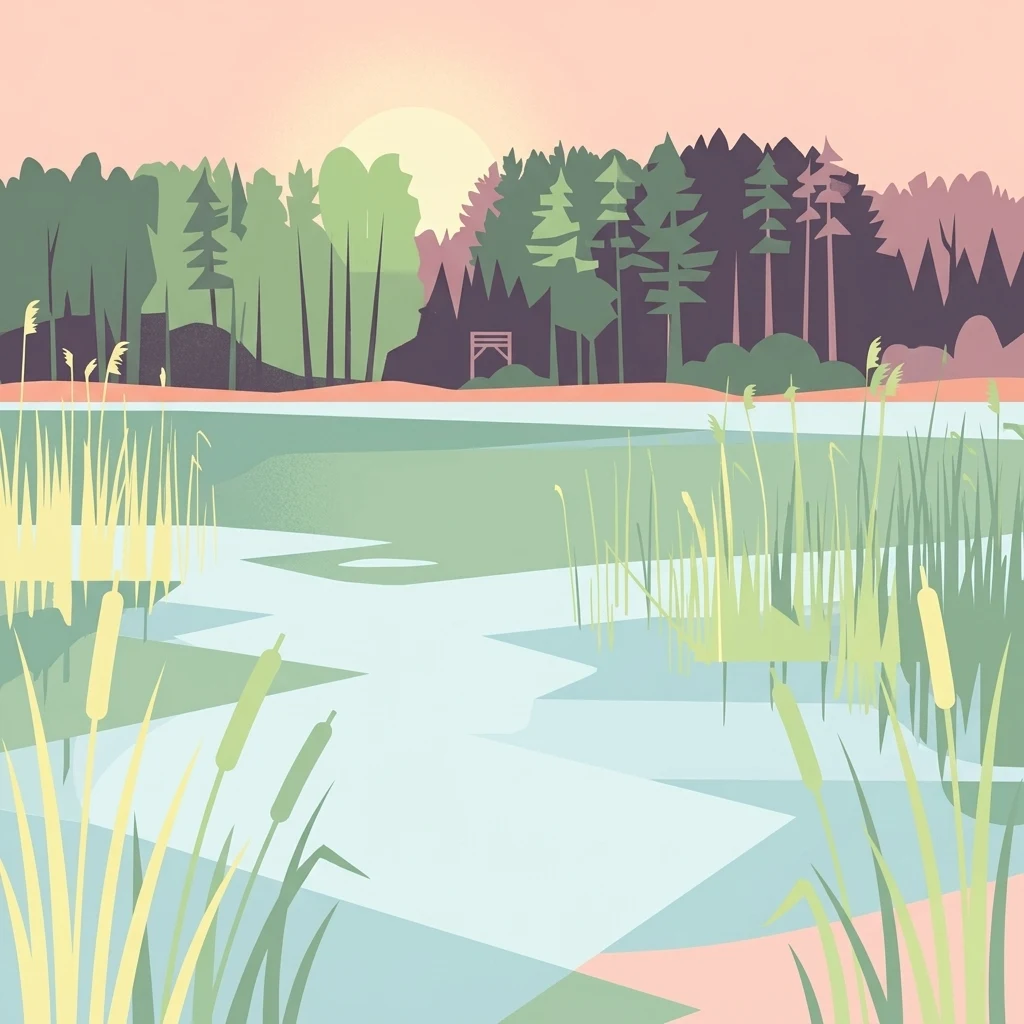
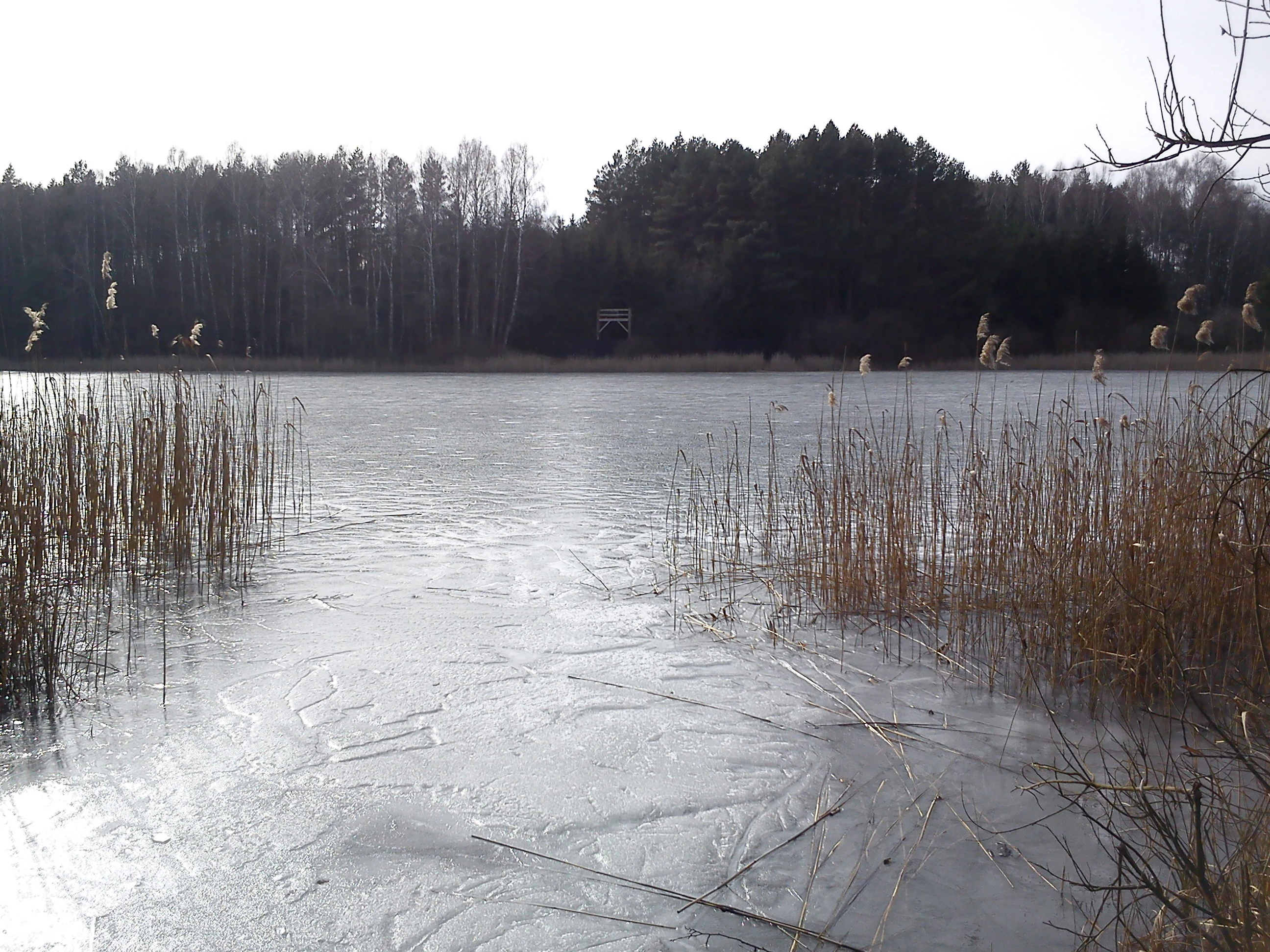
Surrounding the open water and peatland fringes are extensive mixed and coniferous forests that form part of the larger Puszcza Zielonka woodland complex. This combination of lakeshore, marsh, bog, and pine-rich forest gives the reserve a strongly layered micro-landscape: small in total extent, but rich in transitions between aquatic, wet, and dry habitats. In winter, the freezing of the lake surfaces gives the reserve a quiet, stark appearance, while in warmer seasons the contrasts between still water, floating vegetation, and dense forest canopy define its visual character.
Jezioro Pławno Nature Reserve ecosystems, habitats, and plant life
The ecological centerpiece of the reserve is its wetland vegetation. The two lakes support distinct aquatic plant communities, while the surrounding peatland edges host specialized bog flora adapted to acidic, nutrient-poor, waterlogged conditions. This combination creates a gradient from open-water vegetation through marsh and sedge communities to forested wetland edge, all within a very compact footprint.
The site is particularly notable for its populations of large spearwort, a tall buttercup species typical of stable, undisturbed lake margins, and saw sedge, a robust sedge that forms distinctive tussocks in calcareous fens and lake-edge mires. The presence of slender-leaved pondweed, a less common pondweed species in this part of Poland, adds to the botanical significance of the reserve and reflects the relatively undisturbed hydrology of the lakes.
Because the reserve is embedded within a much larger forest landscape and a Natura 2000 site, its ecological value extends beyond its own borders. The lakes and bogs act as biodiversity refuges for species that rely on the persistence of clean, undisturbed water and stable shoreline conditions, complementing the drier forest habitats found elsewhere in the Puszcza Zielonka Landscape Park.
Jezioro Pławno Nature Reserve wildlife and species highlights
The reserve's small size and focus on aquatic and peatland vegetation mean that its most prominent wildlife value is botanical rather than faunal. Nonetheless, the mosaic of quiet lakes, marshes, and adjacent forest provides habitat for amphibians, invertebrates, and wetland-associated birdlife typical of the broader Puszcza Zielonka area. Amphibians such as frogs and newts find breeding habitat in the sheltered, fish-poor margins of the lakes, while dragonflies and other aquatic invertebrates depend on the undisturbed aquatic vegetation the reserve was created to protect.
The surrounding forest supplies typical woodland bird communities, and the transition zones between forest and wetland are particularly productive for species that benefit from this kind of habitat edge. Although the reserve is not primarily managed for charismatic megafauna, its quiet condition and continuity with the larger Natura 2000 site make it ecologically meaningful within the regional wildlife network.
Jezioro Pławno Nature Reserve conservation status and protection priorities
Jezioro Pławno's conservation significance lies in its role as a protected refuge for rare and ecologically specialized plant communities within a heavily populated and largely agricultural region of west-central Poland. By safeguarding populations of large spearwort, saw sedge, and slender-leaved pondweed, the reserve helps anchor genetic and ecological diversity that is otherwise vulnerable to drainage, water pollution, shoreline development, and forest management changes.
The reserve's incorporation into both the Puszcza Zielonka Landscape Park and the Natura 2000 site Uroczyska Puszczy Zielonki multiplies its conservation impact. The Natura 2000 designation ties the site into European Union habitat-protection frameworks, ensuring that the lakes, peatlands, and surrounding forest are considered within broader regional and continental conservation strategies. The 2016 management order by the Regional Director of Environmental Protection in Poznań reaffirms the reserve's active management status and its alignment with current conservation policy.
In practical terms, the reserve helps maintain functional wetland habitat in a fragmented landscape. The forests and bogs around the lakes act as a hydrological buffer, slowing runoff and stabilizing water levels, while the protected vegetation maintains shoreline integrity. In a region where natural wetlands have been heavily reduced over centuries of agricultural drainage, the long-term value of such small but well-protected sites is disproportionately high.
Jezioro Pławno Nature Reserve cultural meaning and human context
The reserve lies in a region with deep historical ties to forest use, settlement, and rural life north of Poznań. The surrounding Puszcza Zielonka, often translated as the Green Forest, has historically been a shared resource for nearby communities, used for timber, grazing, and small-scale extraction. Today, the area blends conservation land with recreational forest widely used by residents of nearby towns such as Murowana Goślina. While the reserve itself is not a cultural site in the traditional sense, its setting within a culturally valued forest landscape gives it a quiet connection to the regional identity of the Wielkopolska countryside.
Top sights and standout views in Jezioro Pławno Nature Reserve
Small but ecologically dense: a 16.71-hectare reserve protecting lakes, peatlands, and forest where rare aquatic and bog plants persist. Layered protection: stands within the Puszcza Zielonka Landscape Park and the Natura 2000 site Uroczyska Puszczy Zielonki, anchoring larger habitat networks. Distinctive botanical focus: large spearwort, saw sedge, and slender-leaved pondweed together form a regionally rare plant assemblage. Glacial setting: located in the Gniezno Lake District within the broader Puszcza Zielonka forest complex.
Best time to visit Jezioro Pławno Nature Reserve
The reserve can be visited year-round, but seasons shape its character strongly. Late spring and early summer are when aquatic and shoreline vegetation is most visible, and when wetland plants are at their most expressive. Autumn brings cool, quiet conditions and rich forest colors around the lake margins. In winter, when the lake freezes, the site takes on a stark, contemplative atmosphere, though visitors should be mindful of protected shoreline conditions under snow and ice. Timing for naturalists focuses on the warmer months, when the target plant species are actively growing and identifiable, while general visitors appreciate the forest-lake setting across any season.