Why Jezioro Świerszczów Nature Reserve stands out
The reserve is best known for protecting a small eutrophic lake together with stands of two highly localized relict willows: the Lapland willow (Salix lapponum) and the bog willow (Salix myrtilloides). These species, normally associated with boreal or sub-arctic peatlands, find a refuge here in the transitional peatland that hugs the lake. The lake's water body is equally distinctive. It supports a tight mat of water soldier (Stratiotes aloides), white water lilies, and the carnivorous waterwheel plant (Aldrovanda vesiculosa), giving the open water a layered and unusual aquatic flora. This combination of a nutrient-rich lake, surrounding peatland, and cold-stage relict plants makes Świerszczów a textbook example of a compact, mire-centered floristic reserve in the Polish lowlands.
Jezioro Świerszczów Nature Reserve history and protected-area timeline
The reserve was formally created in 1959 by order of Poland's Minister of Forestry and the Wood Industry, which recognized the site as a nature reserve under then-current legislation for the protection of natural areas. Its founding legal act was published in the Monitor Polski and was later amended in 1965, reflecting administrative updates to the reserve's basic terms.
The legal designation has remained stable since then, and the reserve continues to operate as a floristic reserve focused on a lake system and its associated peatland vegetation. The long continuity of protection has allowed the site to retain its character as a refuge for cold-stage relict plants of peatland origin, even as land use changes have affected the broader Równina Łęczyńsko-Włodawska landscape around it.
Because the site has been formally recognized for more than half a century, it carries clear historical value as one of the older nature reserves in the Lublin region, and its founding and amendment documents continue to define the scope of protection today.
Jezioro Świerszczów Nature Reserve landscape and geographic character
The landscape of the reserve is shaped by a lowland, postglacial setting typical of the Równina Łęczyńsko-Włodawska mesoregion. The central element is a small, very shallow lake with an average depth of only about half a meter and a maximum depth near one meter, giving the water body the character of a slowly filled wetland basin rather than a true lake.
Surrounding the lake is a broad ring of open peatland. Low peatlands dominate near the water's edge, gradually giving way to transitional peatlands where the water table fluctuates and the substrate becomes more variable. This mire belt is what supports the reserve's most characteristic willow species and gives the landscape its soft, open character.
On the outer margins of the reserve, the wet core transitions into woodland. To the north, alder carrs occupy the wetter ground directly linked to the peatland hydrology, while to the south oak-hornbeam forests occupy somewhat better-drained terrain. The combination produces a compact mosaic of open water, open mire, and forest, which defines the visual and ecological identity of the reserve.
Jezioro Świerszczów Nature Reserve ecosystems, habitats, and plant life
Ecologically, the reserve is built around a tight integration between a eutrophic lake and the adjacent peatland. The lake water is nutrient-rich, supporting dense floating and emergent communities, while the surrounding peatlands act as both a hydrological buffer and a substrate for relict and specialized flora.
The aquatic vegetation of the lake includes free-floating and rooted plants that together form a layered plant cover above and just below the surface. Mat-forming water soldier is especially prominent and contributes to the dense, almost closed appearance of open water during the growing season.
Vegetation patterns around the lake reflect classic mire zonation. Low peatlands close to the shoreline are periodically saturated, and transitional peatlands occupy the gradient between the open mire and the forested margins. These mires maintain the waterlogged conditions that the reserve's relict willow species depend upon, while the surrounding forests add further ecological diversity through their dependent ground flora and microhabitats.
Jezioro Świerszczów Nature Reserve wildlife and species highlights
While the reserve is designated primarily as a floristic site, it supports the wildlife communities typical of small eutrophic lakes surrounded by mire and forest in eastern Poland. Such habitats tend to attract waterbirds, amphibians, and invertebrates associated with slow-moving, plant-rich waters and peatland margins.
The dense stands of water soldier and white water lilies create sheltered habitat for aquatic invertebrates and small fish, and the surrounding peatland and alder carr provide breeding and feeding conditions for amphibians. Open peatland and mire edges also function as foraging areas for birds tied to wet habitats.
Because the reserve's formal focus is botanical rather than faunal, the wildlife section is best understood as the animal communities naturally supported by a protected lake, peatland, and forest mosaic, rather than as a set of individually highlighted species.
Jezioro Świerszczów Nature Reserve conservation status and protection priorities
The main conservation value of Jezioro Świerszczów lies in the protection of an eutrophic lake system and the relict plant communities of the peatland directly attached to it. The reserve was created specifically to preserve these features for scientific and educational purposes, and the legal designation has remained in force since 1959 with a documented amendment in 1965.
The site's botanical importance is amplified by the disjunct presence of cold-stage relict willows, including the Lapland willow and the bog willow, which far south of their main distributions rely on the continuing integrity of the peatland habitat. Loss or degradation of the mire's hydrology would directly threaten these populations, which is why the reserve's boundaries and habitat mosaic carry particular conservation weight.
The integration of lake, peatland, and forest into one protected unit also helps buffer the system against external land-use pressures from the surrounding agricultural landscape of the Równina Łęczyńsko-Włodawska. Maintaining this internal mosaic, including the alder carrs and oak-hornbeam forests at the edges, is a key part of the reserve's long-term conservation role.
Jezioro Świerszczów Nature Reserve cultural meaning and human context
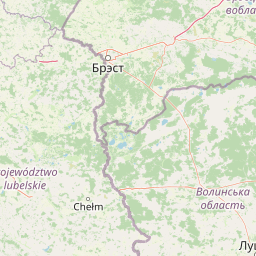
The reserve lies in the rural landscape of Gmina Cyców, where lakes, peatlands, and forests have shaped local land use and settlement patterns for centuries. The village of Świerszczów gives the reserve its name and reflects this older relationship between small rural communities and the wetland resources of eastern Poland.
The long-standing formal recognition of this site, dating back to 1959, also places the reserve within the first generation of modern Polish nature protection designations, marking it as part of the early institutional effort to safeguard representative examples of the country's peatland and lake habitats.
Top sights and standout views in Jezioro Świerszczów Nature Reserve
The reserve's standout features are the rare relict willows on the surrounding peatland and the unusually rich aquatic flora of the shallow central lake. The combination of water soldier mats, white water lilies, and waterwheel plants in a lake only about one meter deep at its deepest gives the open water a distinctive floristic profile for such a small basin.
Equally notable is the compactness of the habitat mosaic: open eutrophic water, active low and transitional peatlands, alder carrs to the north, and oak-hornbeam forests to the south all fit within a single protected area of about forty-six hectares. This makes the reserve an efficient and unusually well-rounded example of a lowland mire-and-lake system.
Long formal protection since 1959 further adds to the reserve's significance as an established reference site for research and teaching on relict peatland vegetation in the Polish lowlands.
Best time to visit Jezioro Świerszczów Nature Reserve
The reserve is most expressive in late spring and summer, when the aquatic and mire vegetation is in full growth. This is when the dense mats of water soldier, the blooming of white water lilies, and the fresh green of the relict willows make the site's botanical character most visible.
Wetland and peatland habitats are best observed when access routes around the edge of the reserve are firm enough to allow quiet, low-impact viewing without disturbing the soft ground. Cooler periods can also offer rewarding observations of the open peatland community and the surrounding forest margins, while winter conditions highlight the open water and the bare structure of the mire.
Timing of any visit should generally align with the priorities of scientific and educational protection, respecting the reserve's status, rather than with peak tourism logistics.