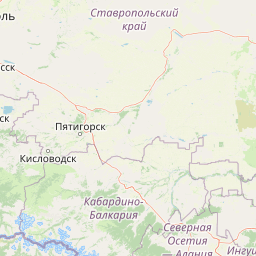

Why Kislovodsk National Park stands out
Kislovodsk National Park is best known for being one of the largest urban parks in Europe and for pioneering the Russian practice of terrenkur, the system of measured therapeutic walking routes laid out in 1901 along graded mountain paths. The park combines horticultural showpieces such as the Rose Valley and the Cascade Staircase with more naturalistic mountain terrain that supports Caucasian forest species, alpine meadows, and rare wildlife like the European wildcat and golden eagle. Dramatic sandstone outcrops known as the Red Stones, Grey Stones, and Blue Stones give the landscape its visual identity and link the park directly to the geology of the Caucasus foothills.
Kislovodsk National Park history and protected-area timeline
The origins of Kislovodsk National Park reach back to the early nineteenth century, when the first plantings were carried out in 1823 on the orders of General Alexei Yermolov. Soldiers of the lower ranks created the earliest gardens along the rocky banks of the Olkhovka River, hauling fertile chernozem soil onto the stony ground to make tree planting possible. After Prince Mikhail Vorontsov became governor of the Caucasus in 1845, the development of the park expanded, with seeds, saplings, and ornamental plants arriving from the Vorontsov estates in Crimea, as well as from Tiflis, Riga, western Ukraine, and elsewhere in the North Caucasus.
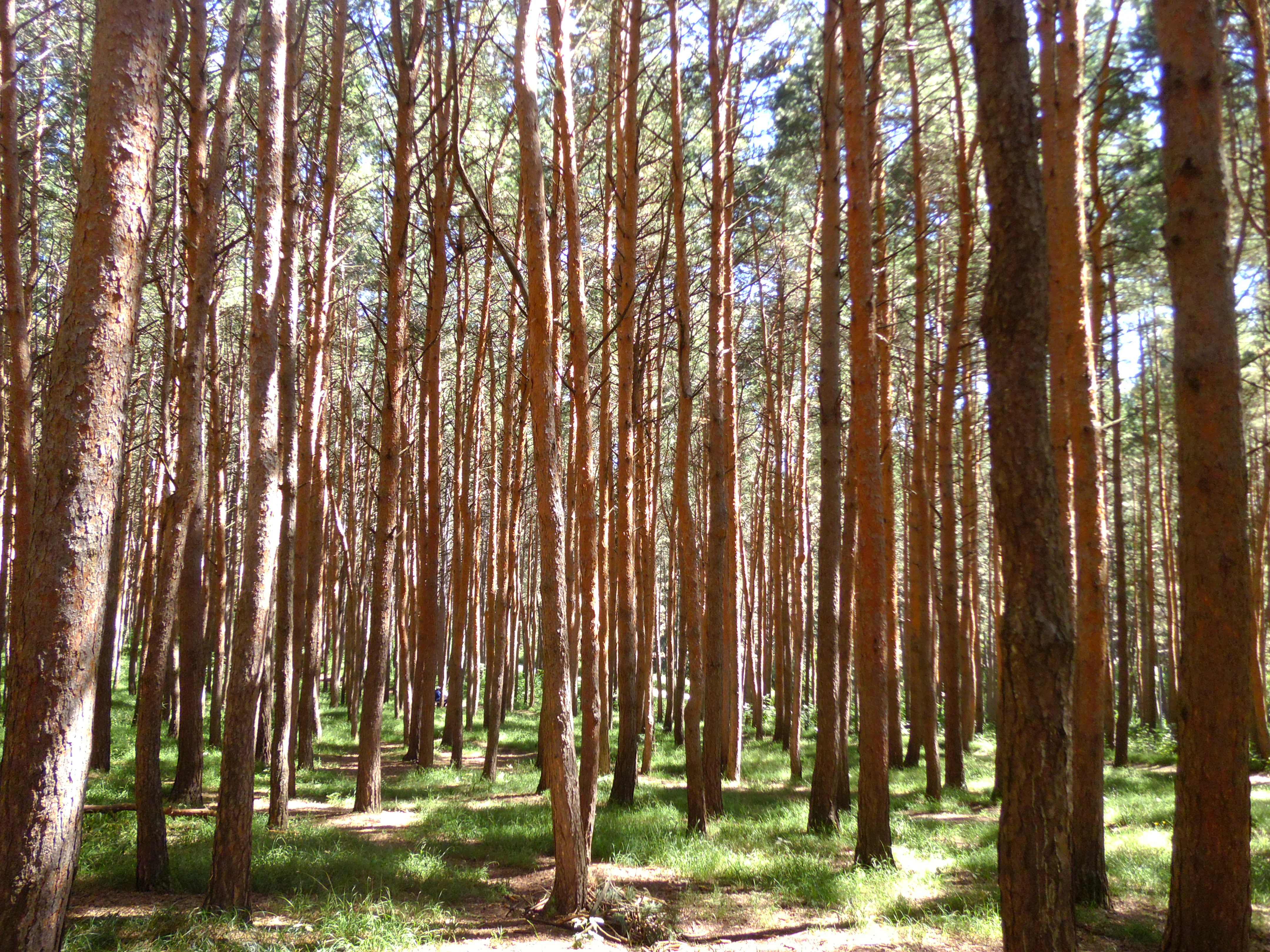
A second phase of construction is generally dated to 1903, when the landscape gardener Albert Regel supervised the creation of the Middle Park on newly acquired Cossack lands. Bare slopes were planted with Caucasian and introduced tree species including Nordmann fir, balsam fir, Caucasian pine, pedunculate oak, common ash, and both eastern and European spruce. By 1910, plantings on what is known as the Pine Hill had established the pine-covered ridge that still defines that part of the park.
The park suffered damage during the Second World War and the German occupation of Kislovodsk, but it was restored in the post-war period. In 1980, with its area at about 937 hectares, further expansion was planned to accommodate new ornamental gardens. Through the late Soviet period and the post-Soviet transition, the park lost some territory to administrative decisions, with documented reductions from 1380 hectares in 1989 to smaller managed areas in subsequent years. On 2 June 2016, the Russian government formally redesignated the area as Kislovodsk National Park of federal significance, replacing its earlier name of Kurortny Park and consolidating its status as a federal protected area.
Kislovodsk National Park landscape and geographic character
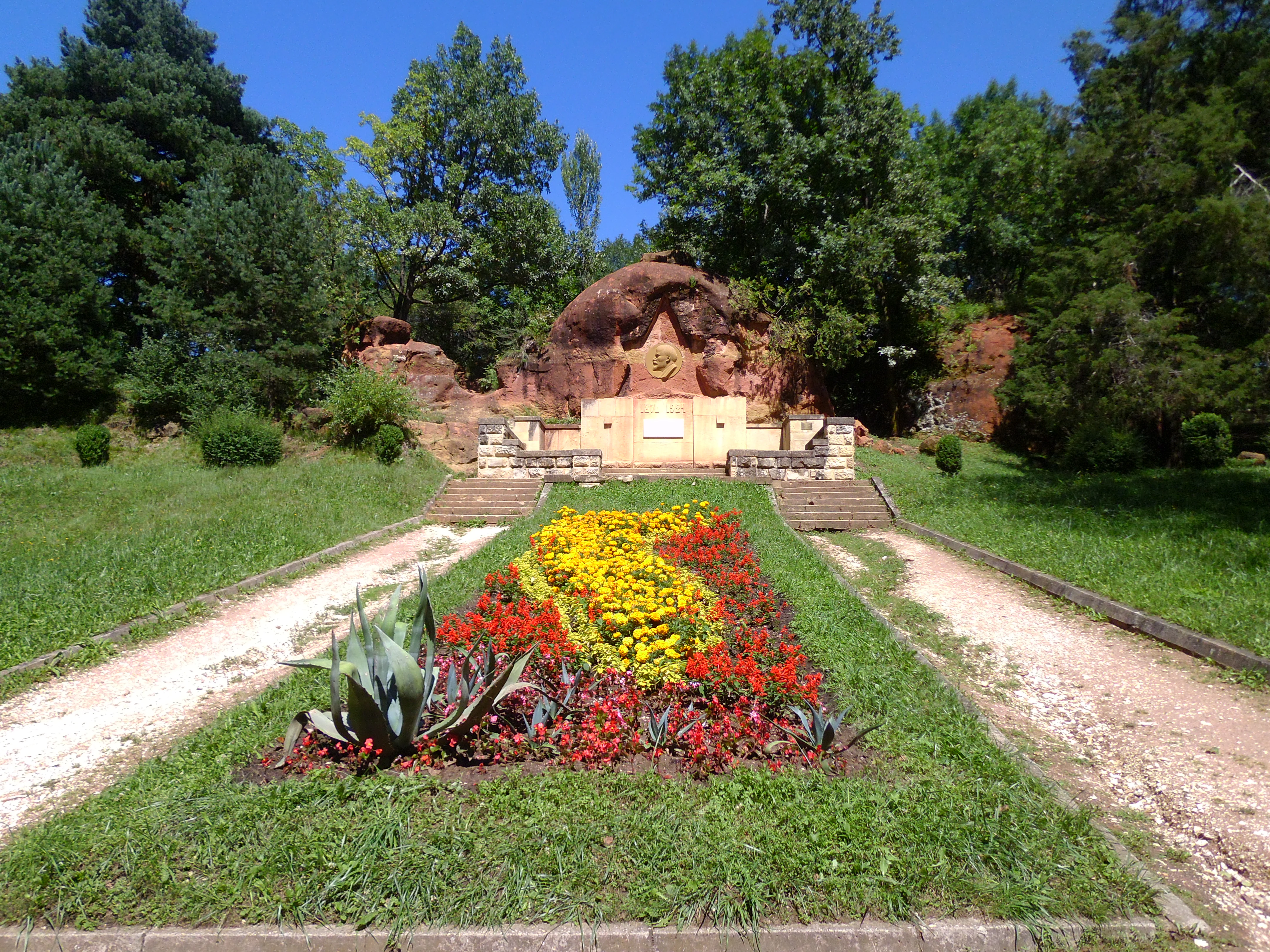
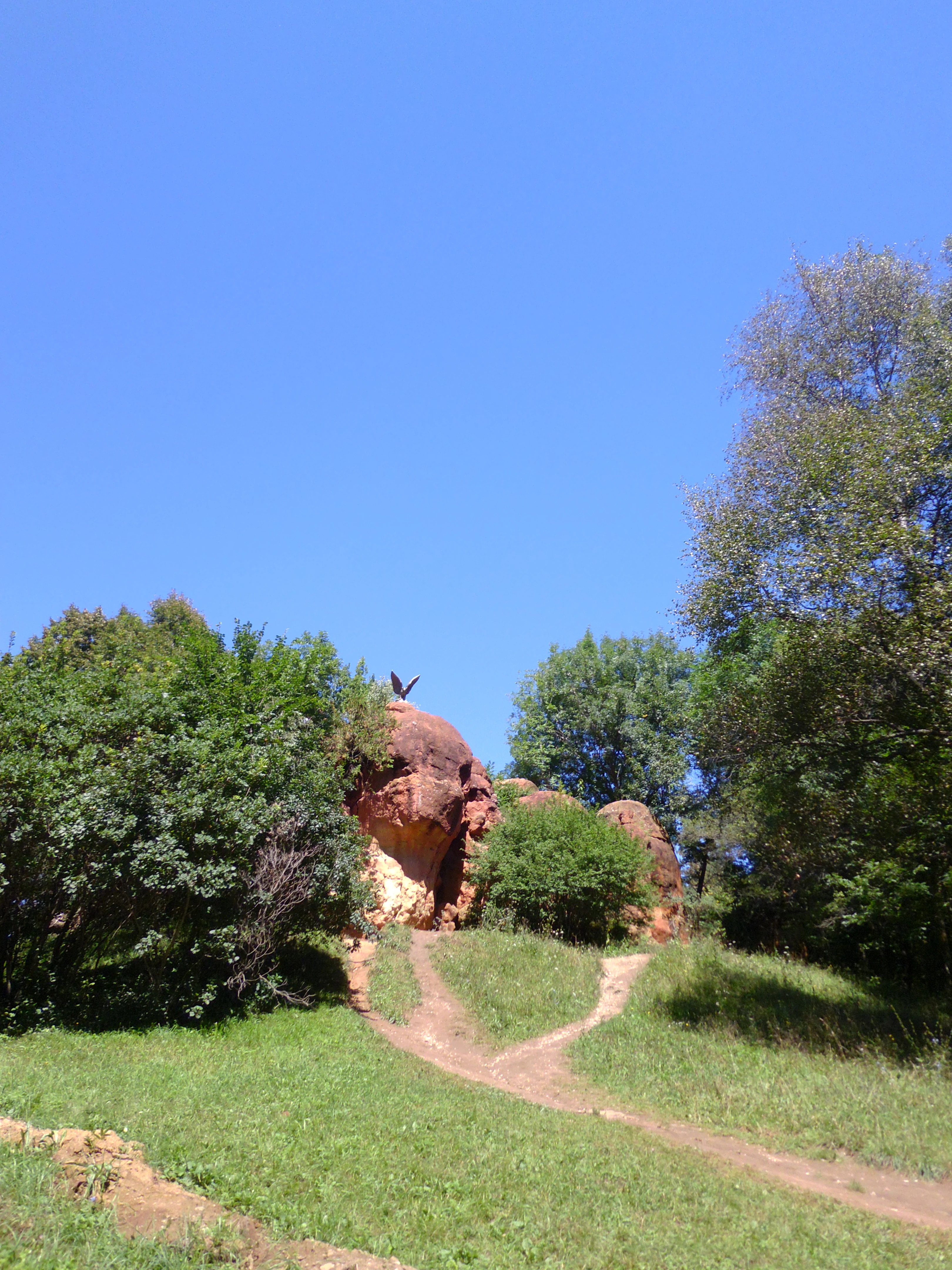
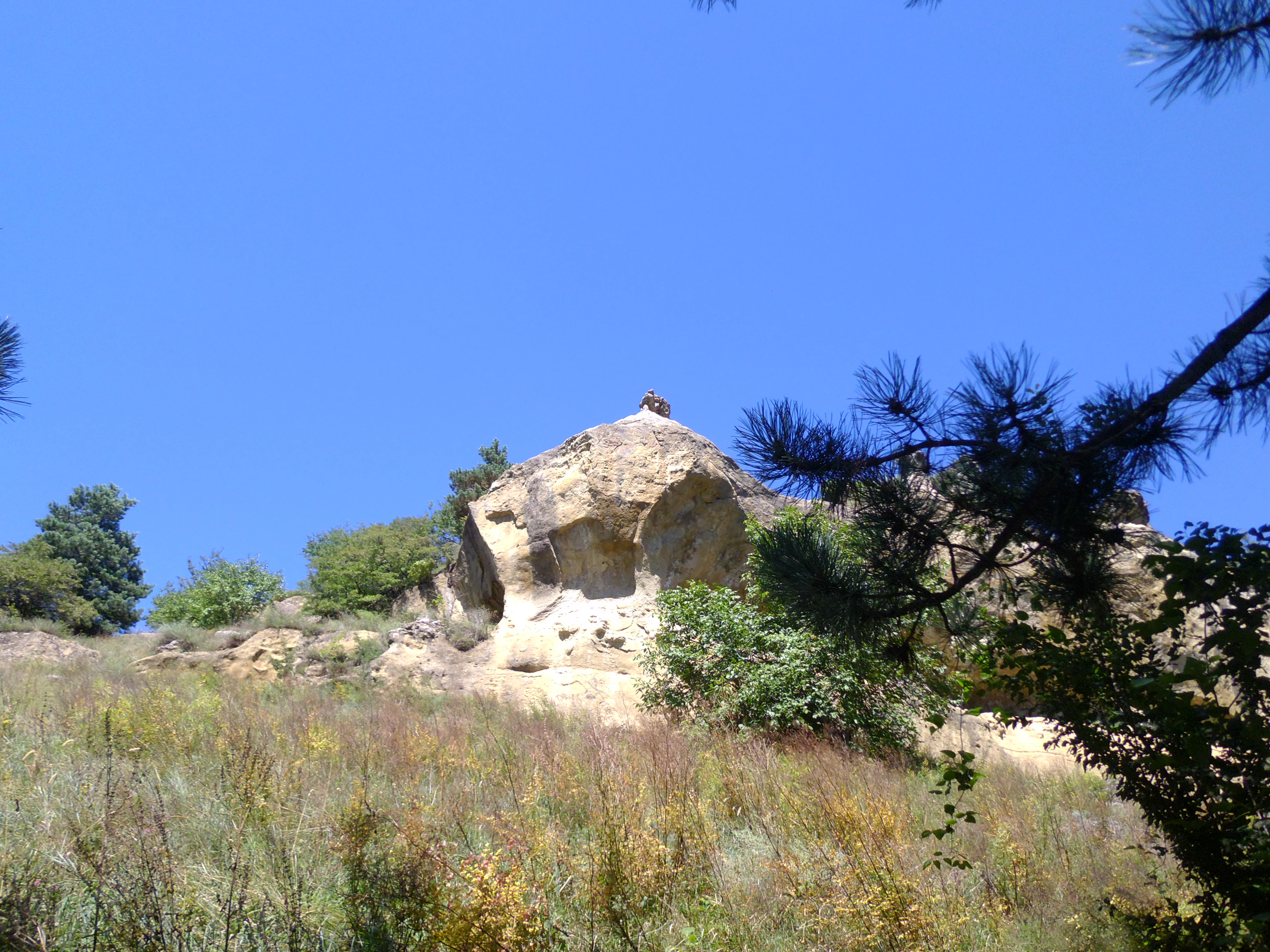
The park's landscape is unusually varied for an urban protected area, moving from formal gardens along the Olkhovka River up into the foothills and lower mountains of the Caucasus. A signature feature is the group of sandstone outcrops collectively known as the Red Stones, which appear at several points in the park. These sandstones have a distinctive reddish-brown coloration and have been shaped into a variety of forms by weathering, giving the terrain a sculptural character. Further uphill, similar rock groups continue as the Grey Stones and the Blue Stones, marking transitions into the higher, wilder parts of the park.
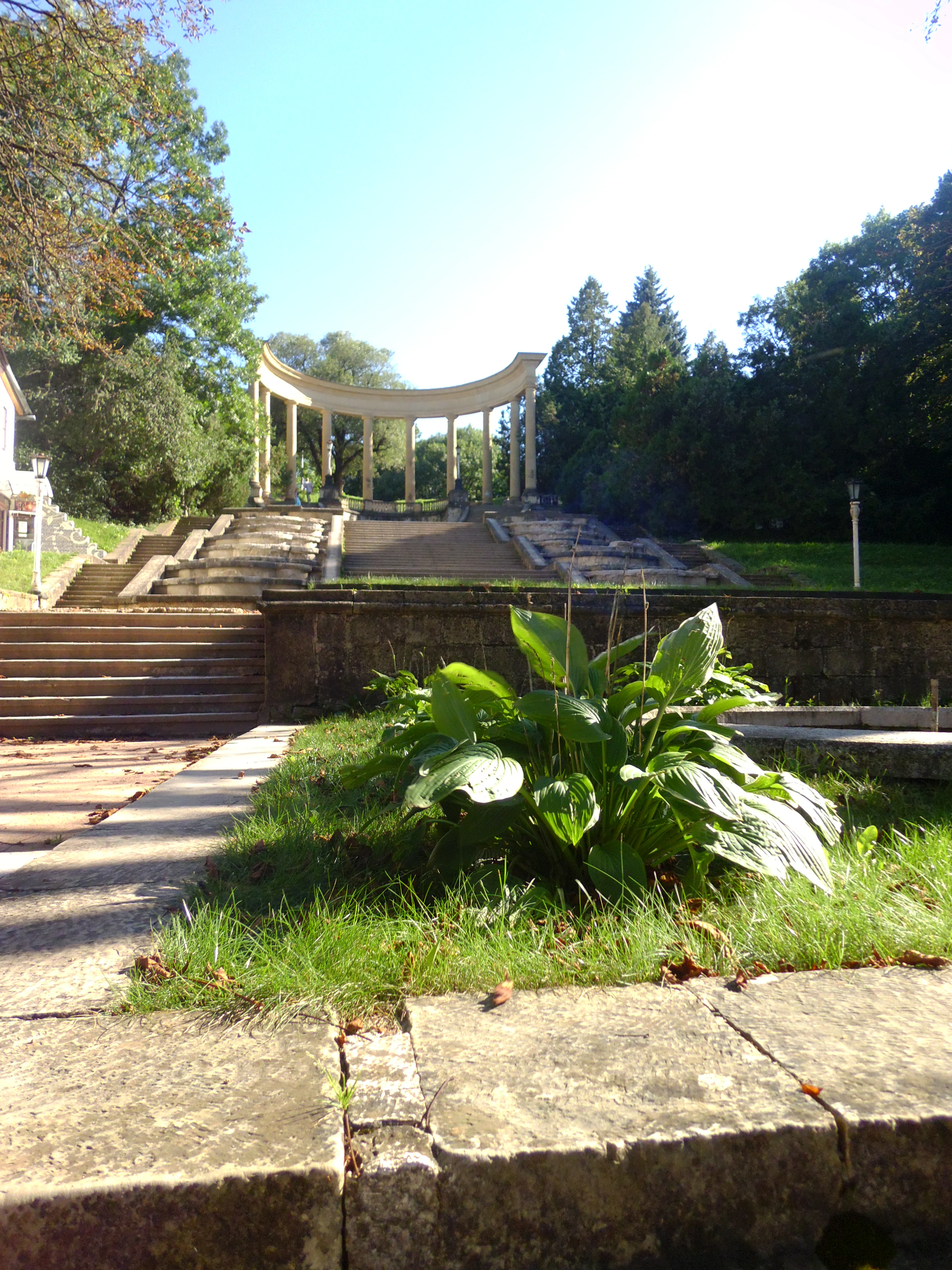
The lower elevations emphasize planted greenery and ornamental terraces, including the Cascade Staircase, the Cypress Alley, and the densely planted Rose Valley with its more than eighty rose cultivars. Higher sections open into mountain parkland and forest, with pine stands on the Pine Hill, broader forest cover in the Middle and Mountain Park sectors, and views toward the Dzhinalskiy Range. The terrain ultimately rises to the park's high points around Maloe Sedlo and Bolshoe Sedlo, which sit along the Dzhinalskiy Range and offer broad panoramas across the Kislovodsk basin. Walking routes climb from around 800 metres above sea level at the park's urban edge to around 1400 metres at the upper landmarks, giving the park a significant vertical range in a relatively compact footprint.
Kislovodsk National Park ecosystems, habitats, and plant life
Ecologically, Kislovodsk National Park bridges the world of curated resort planting and the natural vegetation of the North Caucasus foothills. The park's lower terraces hold a remarkable botanical collection, with more than 250 species and varieties of trees and shrubs representing both native Caucasian flora and introduced ornamental species, including cedars, firs, birches, pines, ashes, beeches, alders, hornbeams, maples, larches, spruces, black walnut, Chinese paulownia, and cork oak. The park also maintains ornamental nurseries and historic greenhouses where, traditionally, lemons and other citrus have been grown for spa visitors.
Above the gardens, the vegetation shifts into more naturalistic patterns. The higher sections in the subalpine zone carry extensive meadows and forests, where more than 800 species of herbaceous plants have been recorded, ranging from familiar spring bulbs and forest floor species to rare Caucasian endemics. Notable flowering plants in these areas include crocuses, squills, lilies of the valley, and Solomon's seal, alongside Red Book protected species such as the Caucasian snowdrop, the dolomite bellflower, and autumn crocus. Together, the layered gardens, planted groves, subalpine meadows, and forest patches give the park a dense botanical character uncommon for a protected landscape so closely tied to an urban centre.
Kislovodsk National Park wildlife and species highlights
The park's wildlife reflects the transition from managed urban gardens to mountain habitats. Acclimatised mammals such as squirrels, hares, and red foxes are common sights in the more accessible lower sectors, while golden jackals extend the carnivore presence into the edges of the natural areas. Birdlife is varied, with common woodland and garden species alongside less common visitors such as the black woodpecker.
In the high mountain sections of the park, especially in the subalpine zone, conditions become wilder and more typical of the Caucasus foothills. European wildcats are reported from these upper reaches, although they are exceptionally rare and elusive. Golden eagles can occasionally be observed soaring over the high meadows and the rocky crests above the planted areas. The combination of tame, human-acclimatised animals in the lower park and rare, shy species of the upper park gives the wildlife profile of the area an unusually broad character for a protected landscape attached directly to a city.
Kislovodsk National Park conservation status and protection priorities
Kislovodsk National Park plays a distinctive conservation role by protecting a substantial area of natural and semi-natural landscape within and immediately around a working Russian resort city. Its IUCN Category II, national park designation, and its additional status as a federal cultural heritage site of Russia underscore both its ecological and its cultural importance. The park safeguards a meaningful sample of northern Caucasus foothill vegetation, including native forests, subalpine meadows, and rock communities, alongside populations of protected plant species listed in the Russian Red Data Book such as the Caucasian snowdrop, the dolomite bellflower, and autumn crocus.
The conservation value is enhanced by the park's scale, which provides enough room for both intensively managed ornamental zones and more naturalistic mountain habitat. That vertical and ecological range makes the area a refuge for species that would otherwise be pressured by surrounding urban and agricultural development. The park also serves as a public-facing conservation space, since its terrenkur paths, historic gardens, and viewing points bring large numbers of visitors directly into contact with the landscapes and species that the protected area exists to maintain.
Kislovodsk National Park cultural meaning and human context
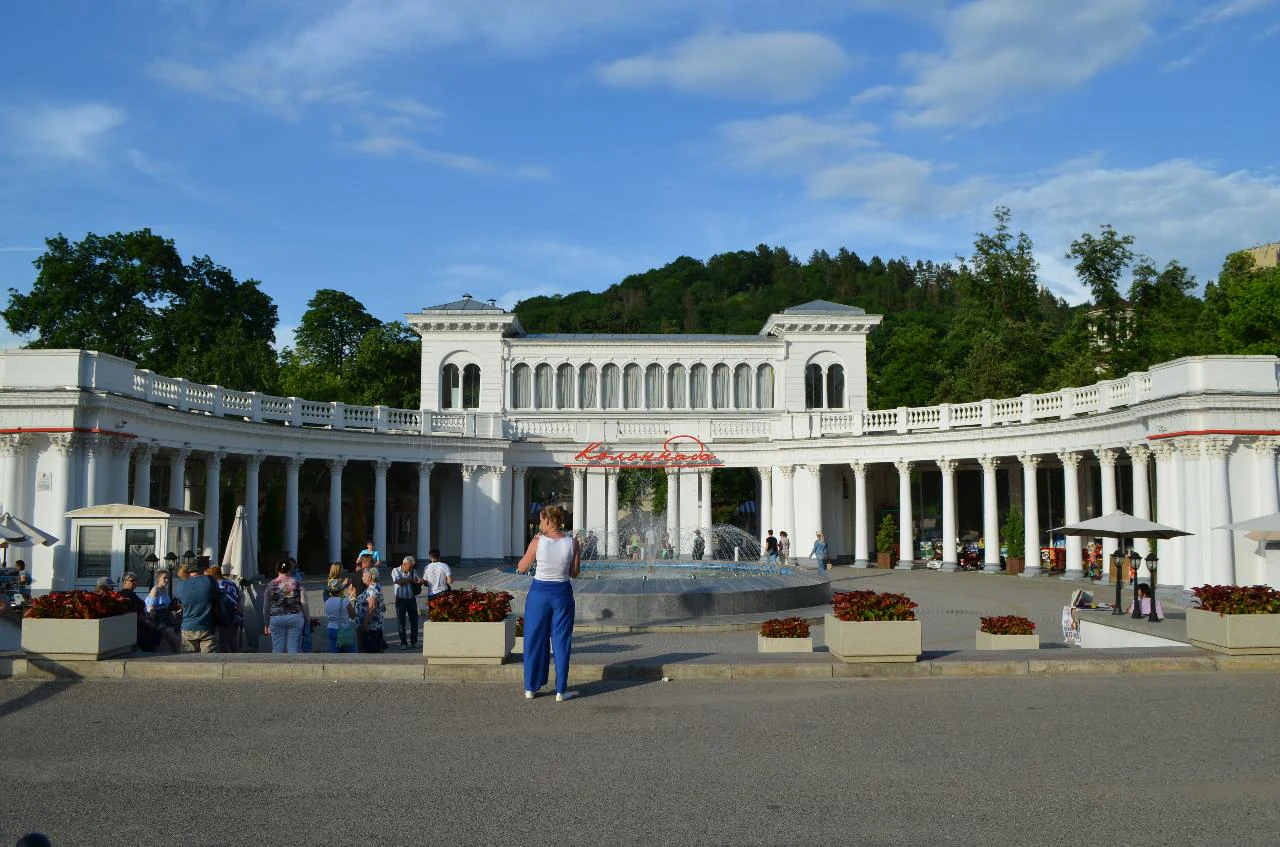
The park is inseparable from the cultural identity of Kislovodsk as one of the great Russian spa cities. Kislovodsk's fame rests on its narzan mineral springs and on the climate of its foothill location, and the national park has long been one of the principal reasons the city became a balneological and climatic resort of national importance.
The park's history is woven into the broader Russian imperial and Soviet story of the North Caucasus. Early plantings were carried out by soldiers of Yermolov, mid-nineteenth-century expansion was tied to the viceroyalty of Vorontsov, and the early twentieth-century landscape design was shaped by Albert Regel in the traditions of European landscape parks. The introduction of terrenkur to Russia in 1901 made the park a pioneer in the medical use of walking in nature, an approach that became a defining element of Kislovodsk's identity through the Soviet era. Cultural features within the park, including the Lermontov monument, the Cascade Staircase, the Glass String pavilion, and the Damsky Kapriz bridge, link the landscape to the literary and architectural memory of the Russian Caucasus.
Top sights and standout views in Kislovodsk National Park
Among the park's strongest points of identity are its sheer urban-to-mountain scale, its network of terrenkur walking routes used therapeutically for more than a century, and its rich combination of ornamental plantings and natural Caucasian forest. Geological landmarks such as the Red Stones, Grey Stones, and Blue Stones give the park a distinctive sculptural character, while the Rose Valley, the Pine Hill, and the Cascade Staircase represent its horticultural showpieces. The park's highest viewpoints near Maloe Sedlo and the summit stations around the Dzhinalskiy Range give rise to wide panoramas over Kislovodsk and the surrounding Caucasus foothills, tying the protected area directly to the visual identity of the resort city beneath it.
Best time to visit Kislovodsk National Park
The climate and vegetation of Kislovodsk and its surroundings give the park four markedly contrasting seasonal moods, and the experience of a visit changes substantially across the year. Late spring and early summer are when the crocuses, squills, snowdrops, and other spring ephemerals give way to lush foliage and the first flowering displays, while the Rose Valley and other ornamental plantings come into their full colour from mid to late summer.
Autumn brings colour shifts through the park's mixed stands of deciduous and coniferous trees and is generally regarded as a quieter and visually rich moment to walk the terrenkur routes. Winters in Kislovodsk are relatively mild for the region and often allow for year-round use of the lower park paths, though higher terrenkur routes can be affected by snow and ice. Across the year, the climate is shaped by the city's location at a relatively gentle elevation on the northern Caucasus foothills, supporting a reputation as a climatic as well as balneological resort.