Mori Atlas logo
National parkSochi National Park

Discover the mapped boundaries and regional atlas position of this significant national park.

Sochi National Park: Explore Its Protected Landscape and Geographic Context in Krasnodar Krai

Sochi National Park stands as a protected national park entity within Russia's Krasnodar Krai, offering a unique geographic focus for atlas-driven exploration. This MoriAtlas page details the park's protected landscape identity and its position within the Southern Federal District's regional geography. Users can engage with the park's mapped boundaries and understand its role as a natural conservation area, providing essential context for broader geographic discovery and landscape analysis.

National ParksWestern CaucasusPersian LeopardsMountain LandscapesWildlife ConservationRussian Parks
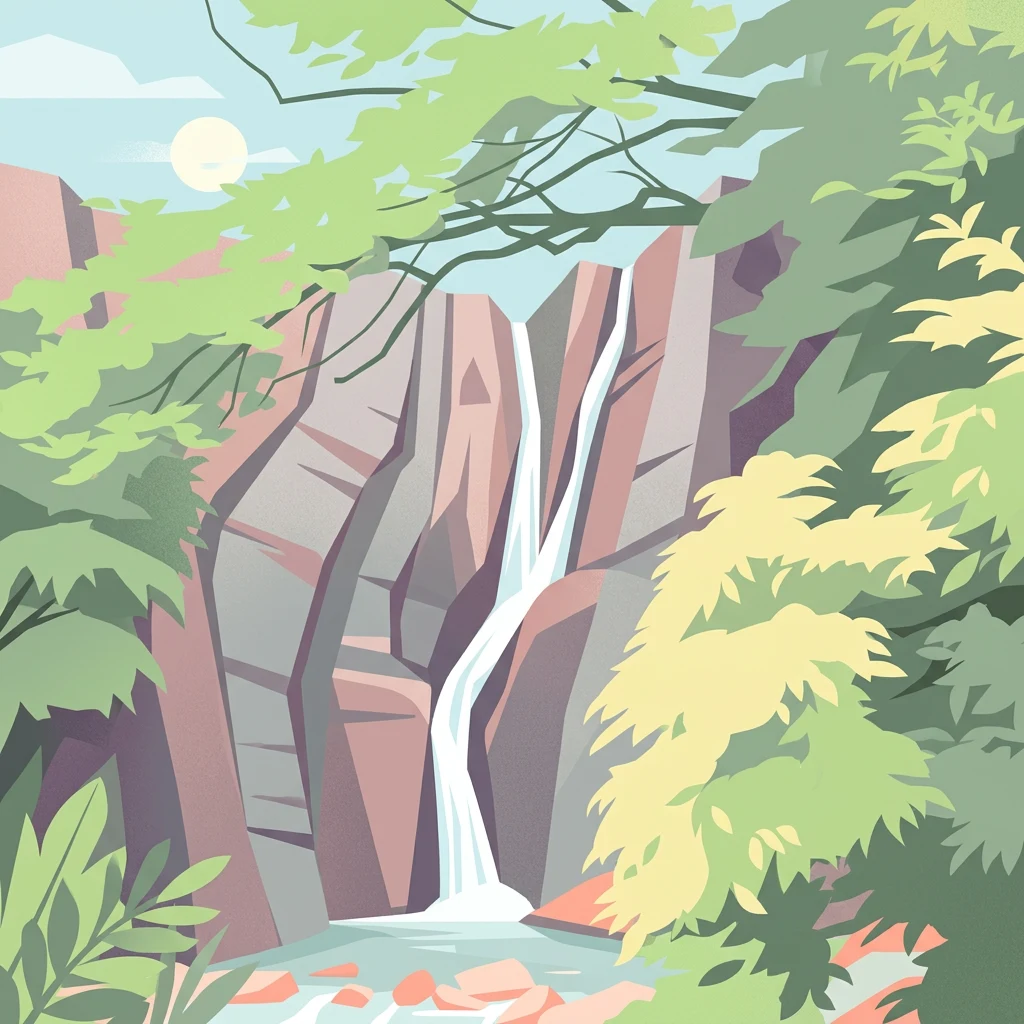
Artistic depiction of a waterfall cascading down rocky cliffs surrounded by green trees and foliage

Sochi National Park

National park

Park overview

Structured park overview, official facts, and landscape profile for Sochi National Park

Sochi National Park park facts, protected area profile, and essential visitor context
Review the core facts for Sochi National Park, including designation, size, terrain, visitor scale, habitats, and operating context in one park-focused overview.

About Sochi National Park

Sochi National Park represents a cornerstone of Russian nature conservation, established to protect the extraordinary ecological diversity of the Western Caucasus region. The park's territory spans from the coastal lowlands along the Black Sea to the subalpine zones of the Greater Caucasus, creating a remarkable vertical zonation of habitats within a relatively compact area. This ecological gradient supports exceptional biodiversity, with the park serving as a refuge for species adapted to various climate zones and habitat types. The park's establishment marked a significant milestone in Soviet and subsequently Russian environmental policy, demonstrating a commitment to preserving natural heritage in a region that has long been valued for its scenic beauty and ecological importance. The park's boundaries carefully encompass primarily natural landscapes while excluding populated areas including the city of Sochi and surrounding settlements, ensuring that the protected zone focuses on undeveloped wilderness areas. Management efforts balance conservation objectives with research activities, particularly those focused on understanding and restoring populations of endangered large mammals.

Quick facts and research context for Sochi National Park

Sochi National Park occupies the Greater Sochi area along the Black Sea coast, stretching from the Tuapsinsky District in the northwest to the Abkhazia border along the Psou River in the southeast. The park lies between the Black Sea shoreline and the water divide crest of the Greater Caucasus mountains. Notable natural features include several prominent waterfalls such as Agura, Orekhovsky, Ivanovsky, and Polikarya, as well as the Valley of 33 Falls. The park is managed by Russia's Ministry of Natural Resources and Environment and shares its northern boundary with the Caucasus Nature Reserve.

Park context

Deeper park guide and search-rich context for Sochi National Park

Sochi National Park history, landscape, wildlife, and travel context
Explore Sochi National Park through its history, landscape character, ecosystems, wildlife, conservation priorities, cultural context, and seasonal travel timing in a structured park guide built for atlas discovery and search intent.

Why Sochi National Park stands out

Sochi National Park is best known as Russia's pioneering national park, established in 1983 and remaining the country's oldest protected area of this designation. The park is particularly famous for its Persian Leopard Breeding and Rehabilitation Centre, which has successfully bred Persian leopard cubs in Russia for the first time in over 50 years. The park also protects significant populations of European bison within its boundaries. Its location within the Western Caucasus World Heritage Site underscores its global significance for preserving one of the world's most biodiverse temperate mountain ecosystems.
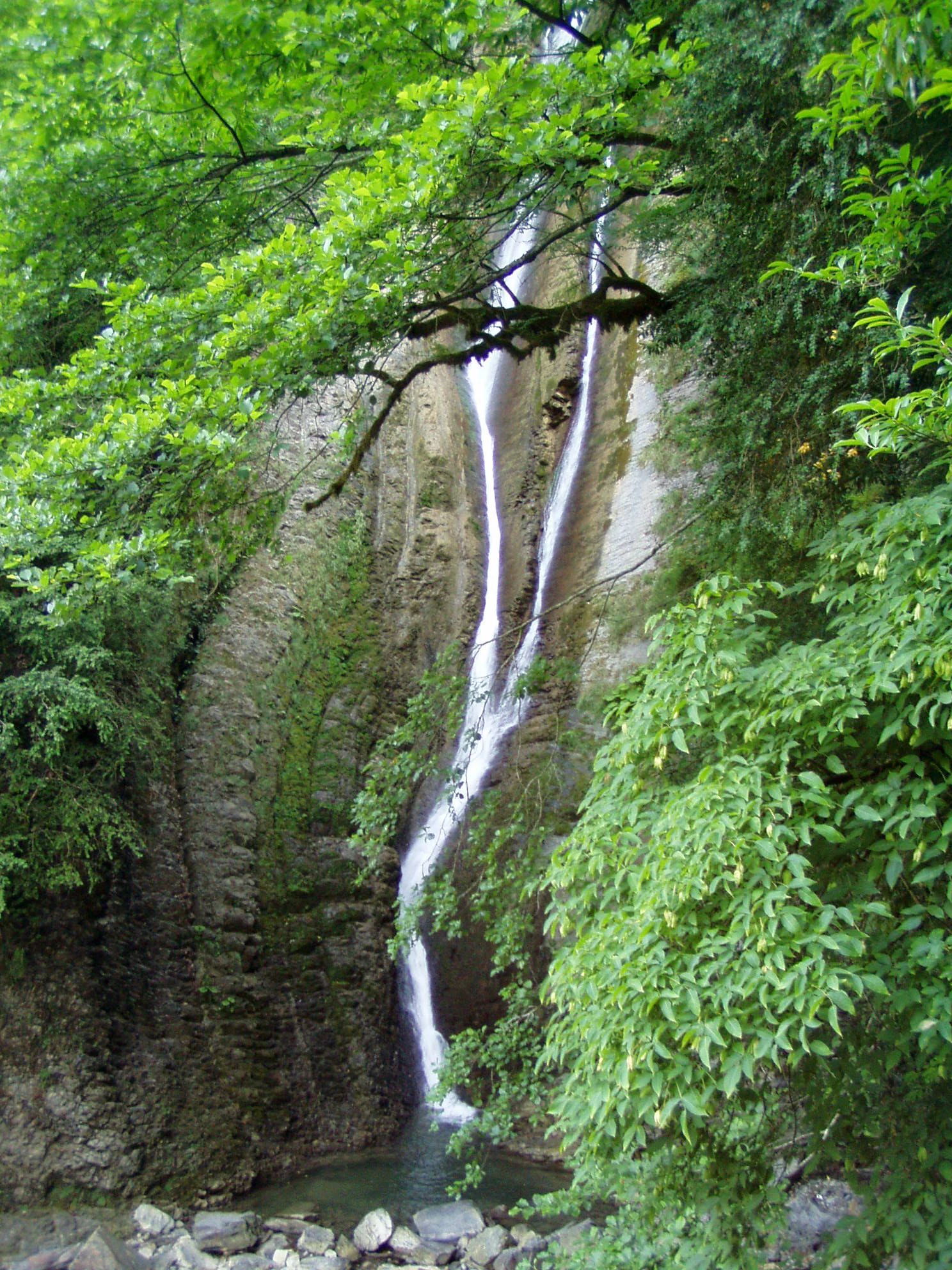
Tall waterfall cascading down rocky cliff surrounded by dense green foliage and trees
Orekhovsky Waterfall in Sochi National Park

Sochi National Park history and protected-area timeline

Sochi National Park was established on May 5, 1983, making it the first designated national park in Russia. This pioneering status reflected both the ecological significance of the Western Caucasus region and a growing recognition within Soviet environmental governance of the need for formal protected areas that could serve multiple conservation, research, and educational functions. The park was created during a period when Soviet environmental policy was increasingly emphasizing the establishment of national parks as distinct from strict nature reserves, aiming to provide opportunities for public access while maintaining meaningful ecological protection. In 2009, the park became the site of the Persian Leopard Breeding and Rehabilitation Centre, marking a new chapter in its conservation mission. This program represented an ambitious effort to restore the Persian leopard population in the Caucasus region, where the species had been nearly eliminated by poaching and habitat loss during the twentieth century. The first Persian leopard cubs born in Russia in over 50 years were produced at this facility in July 2013, a significant conservation milestone that attracted international attention and support.

Sochi National Park landscape and geographic character

Sochi National Park encompasses a spectacular mountainous landscape where the peaks of the Greater Caucasus rise dramatically from the Black Sea coast. The terrain features steep-sided valleys carved by numerous rivers and streams, with elevation changes from sea level to over 2,000 meters within the park boundaries. The park includes several notable waterfalls that rank among its most recognizable natural features, including the Orekhovsky Waterfall, Ivanovsky Waterfall, and the complex known as the Valley of 33 Falls. River valleys such as those of the Shepsi River and Magri River in the northwest and the Psou River along the southeastern border create natural corridors through the mountainous terrain. The landscape transitions from subtropical coastal vegetation near the shoreline through forested mid-elevation slopes to alpine meadows and rocky peaks in the highest zones. This dramatic topographic relief creates diverse microclimates and visual landscapes that define the park's character.

Sochi National Park ecosystems, habitats, and plant life

The Western Caucasus region, recognized as a UNESCO World Heritage Site, represents one of the few remaining areas in Europe where ecological processes continue largely unmodified by human activity. Sochi National Park protects a representative sample of these ecosystems, ranging from Colchian forests with endemic species in the lower elevations to subalpine meadows and rocky alpine zones above the tree line. The park's location at the interface between temperate and subtropical climate zones contributes to its ecological richness, supporting species assemblages that reflect both European and Asian biogeographic influences. Forest communities include mixed deciduous forests with chestnut, beech, and oak species, transitioning to coniferous forests of spruce and fir at higher elevations. The park's waterways and riparian zones support specialized wetland habitats, while the proximity to the Black Sea influences the microclimate of coastal areas.

Sochi National Park wildlife and species highlights

Sochi National Park provides crucial habitat for several species of conservation significance, most notably the Persian leopard, which the park's breeding program has worked to restore to the Caucasus region. Once widespread throughout the mountain ranges between the Black Sea and Caspian Sea, the Persian leopard population declined dramatically during the twentieth century due to relentless poaching and habitat fragmentation. The breeding program at Sochi has successfully maintained a population of leopards sourced from Turkmenistan, Iran, and Portugal's Lisbon Zoo, with captive-born cubs eventually intended for release into the Caucasus Biosphere Reserve. The park also supports populations of European bison, a species that has been reintroduced across the Caucasus region as part of broader conservation efforts to restore large herbivore populations. These flagship species occupy key positions in the park's ecological communities, while the broader fauna includes numerous species of birds, small mammals, and reptiles adapted to the various habitat types found within the park's boundaries.

Sochi National Park conservation status and protection priorities

Sochi National Park occupies a central position in conservation efforts for the Western Caucasus, one of Earth's 200 most important ecoregions and a recognized global biodiversity hotspot. The park's inclusion within the UNESCO World Heritage Site designation reflects international recognition of the region's outstanding universal value as a naturally evolved ecosystem. The Persian leopard reintroduction program represents one of the most ambitious wildlife conservation initiatives in Russia, aiming to restore a keystone predator that was driven to near-extinction in the Caucasus. The breeding program's success in producing cubs in 2013 marked the first such births in Russia in five decades, offering hope for eventual restoration of viable leopard populations in the wild. The park's management approaches emphasize maintaining ecological integrity while supporting research activities that advance understanding of the region's biodiversity and inform conservation strategies for both the park and the broader Caucasus ecosystem.

Top sights and standout views in Sochi National Park

Sochi National Park stands as Russia's oldest national park and a flagship for conservation in the Caucasus region. The Persian Leopard Breeding and Rehabilitation Centre represents a critical effort to restore an iconic big cat species to its historic range, with captive-born cubs eventually destined for release into the wild. The park protects a remarkable diversity of landscapes within a relatively compact area, from Black Sea coastal foothills to subalpine zones in the Greater Caucasus. Notable waterfalls including Orekhovsky and Ivanovsky provide dramatic natural spectacles within the park's interior. The park's position within the UNESCO World Heritage Site underscores its global significance for preserving one of Europe's most biodiverse mountain ecosystems.
Park location guide

Geography guide, regional context, and park location map for Sochi National Park

Sochi National Park park geography, regions, and map view in Russia
Understand where Sochi National Park sits in Russia through a broader geographic reading of the surrounding landscape, nearby location context, and its mapped position within the national park landscape.

How Sochi National Park fits into Russia

Russia is a transcontinental nation spanning eleven time zones, bordered by fourteen countries. It is the world's largest country by area, covering 17,098,246 km². Moscow is the capital and largest city, while Saint Petersburg is the second-largest and a major cultural centre.

Wider geography shaping Sochi National Park in Russia

Russia spans Eastern Europe and North Asia, covering 17,098,246 km². It shares land borders with fourteen countries, more than any other nation, and spans eleven time zones. The landscape includes vast plains, mountain ranges such as the Urals and Caucasus, and extensive coastlines along the Arctic Ocean, Pacific Ocean, Baltic Sea, Black Sea, and Caspian Sea.

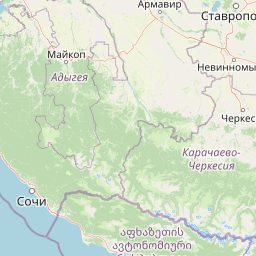
Map view of Sochi National Park

Use this park location map to pinpoint Sochi National Park in Russia, understand its exact geographic position, and read its mapped placement within the surrounding landscape more clearly.

Pigeon | © OpenStreetMap contributors

Location context for Sochi National Park

Krasnodar Krai

Explore high-quality imagery to understand the diverse mountainous terrain, Black Sea coastal views, and unique habitats within Russia's oldest national park.

Sochi National Park Photos: Visualizing the Landscapes, Scenery, and Protected Areas
Browse compelling photos of Sochi National Park to grasp its dramatic landscape, from the Black Sea coast to the Greater Caucasus mountains, and observe the varied ecosystems that define this protected area. These visual insights offer a crucial understanding of the park's diverse terrain, rich biodiversity, and conservation efforts, complementing any geographic or atlas-based research.

Tall waterfall cascading down rocky cliff surrounded by dense green foliage and trees

Park atlas

Map the surrounding geographic context and compare adjacent protected areas in the broader Western Caucasus region, expanding your park discovery.

Discover Other National Parks and Protected Areas Near Sochi National Park
Browse additional national parks and protected areas across the Western Caucasus mountain range and Black Sea coastal region, extending your exploration from Sochi National Park. Compare diverse conservation landscapes, from subtropical forests to subalpine meadows, and gain a deeper geographic understanding of this critically important European biodiversity corridor.
Watercolor painting depicting mountains, a winding river, and green forests in a mountainous landscape
Nature reserveKarachay-Cherkess Republic

Teberda Nature Reserve: Protected Area Mapping and Geographic Context

Explore the mapped boundaries and regional geography of this protected landscape.

Teberda Nature Reserve is a significant protected area located in the Karachay-Cherkess Republic, offering rich opportunities for geographic exploration. This page provides detailed atlas-style information, focusing on the reserve's mapped landscape and its protected-area identity. Understand the unique geographic context and contours of Teberda Nature Reserve, contributing to a structured understanding of Russia's natural protected lands.

Area
849.96 km²
Established
1936
IUCN
Ia
Visitors
200K annual
Watercolor painting of mountains, lake, and forest landscape with greenery and distant peaks
National parkKabardino-Balkaria

Prielbrusye National Park: Mapped Protected Landscape within Kabardino-Balkaria's Geography

Explore regional park boundaries and natural terrain context.

Prielbrusye National Park is a significant protected area featured in the MoriAtlas geographic discovery platform. This page details its identity as a national park, emphasizing its mapped boundaries and its position within the broader landscape of Kabardino-Balkaria. Users can explore the park's unique geographic context, understand its protected status, and integrate its information into a larger atlas-based understanding of regional natural territories.

Area
10,102 km²
Established
1986
IUCN
II
Relief
Mountain
Watercolor landscape with mountains, river, forests, and wetlands
National parkGeorgia

Kolkheti National Park: Mapped Wetland Landscape & Protected Area in Georgia

Explore the peat bogs, coastal ecosystems, and bird migration routes.

Discover Kolkheti National Park, a key protected national park located in Georgia's western coastal region. This atlas entry focuses on the park's extensive wetland environments, including its significant peat bogs and Lake Paliastomi, highlighting its role as a critical migratory bird corridor and a unique natural landscape within the Black Sea region. Understand its geographic context and protected area boundaries.

Area
807.99 km²
Established
1998
IUCN
II
Visitors
13.7K annual
Watercolor painting of a mountainous landscape with rocky outcrops, forests, and distant hills
National park

Kislovodsk National Park: A Russian National Park Defined by Protected Landscape and Geography

Explore its mapped terrain and regional natural context.

Kislovodsk National Park represents a significant protected landscape within the Russian Federation, recognized as a national park. This MoriAtlas entry focuses on its distinct geographic identity and the character of its protected territory. Discover its mapped boundaries, understand its relationship to the surrounding regional geography, and gain context for its natural landscape within a structured atlas framework. This provides a foundation for exploring its place in the broader map of protected areas.

Area
10 km²
Established
2016
IUCN
II
Relief
Upland
Watercolor illustration of a landscape with green hills, trees, and a body of water
National parkAdjara

Mtirala National Park: Protected Colchic Rainforest Landscape & Geographic Atlas

Explore Adjara's unique terrain and mapped protected boundaries.

Mtirala National Park, located in Georgia's Adjara region, is a protected national park renowned for its exceptionally high rainfall and ancient Colchic relict forests. This atlas-focused profile details the park's unique topography, its watershed between the Chakvistskali and Khoristskali rivers, and its significance as a vital ecosystem. Understand the geographic context of this protected landscape and its role in the broader Caucasus geography.

Area
281.26 km²
Established
2006
IUCN
II
Relief
Mixed relief
Watercolor painting depicting a mountain valley with rolling hills, forests, and a river
National parkAdjara

Machakhela National Park: Adjara's Colchic Forest Protected Landscape

Explore Georgia's unique Caucasus mountain geography and mapped park boundaries.

Machakhela National Park represents a crucial protected area in Georgia's Adjara region, safeguarding the integrity of ancient Colchic broadleaf forests. This park's landscape is characterized by the steep Machakhelistsqali River valley, carved into the lower Caucasus mountains, offering a distinct geographic profile for atlas exploration. Discover the park's specific terrain, mapped boundaries, and its ecological significance as a vital component of the regional natural heritage.

Area
130.7 km²
Established
2012
IUCN
II
Relief
Mixed relief
Watercolor illustration of a landscape with rolling hills, forests, and a winding river.
National parkAdjara

Kintrishi National Park: Protected Colchic Forest Canyon Landscape in Adjara

Explore the mapped geographic boundaries of this unique Georgian national park.

Kintrishi National Park, located in Georgia's Adjara region, is a protected landscape renowned for its exceptionally intact Colchic deciduous forests within a steep river gorge. This area showcases dense woodland, dramatic terrain, and the unique Colchican willow species, offering rich geographic context. As a key protected area, Kintrishi National Park provides a valuable focus for atlas-based exploration of southwestern Georgia's natural heritage.

Area
186.84 km²
Established
2007
IUCN
II
Scope
Terrestrial
Watercolor illustration of a winding river through green hills with pink flowers in the foreground
National parkArtvin Province

Hatila Valley National Park: Dramatic V-Shaped Valley and Volcanic Terrain in Artvin Province

Explore protected landscape, waterfalls, and botanical diversity.

Hatila Valley National Park represents a significant protected area within Artvin Province, Turkey, notable for its exceptionally steep, V-shaped river valley. This national park features a striking volcanic landscape characterized by deep gorges, numerous waterfalls, and unique geomorphological structures. Its rich botanical diversity, with 769 documented plant species including many endemics, positions it as a key site for understanding protected landscapes and regional flora. The park's geographic setting at the eastern end of the Kaçkar Mountains provides context for its Mediterranean climate and varied terrain.

Area
169 km²
Established
1994
IUCN
II
Relief
Mountain

Common questions about visiting, size, designation, and location context for Sochi National Park

Sochi National Park FAQs for park facts, access, geography, and protected area context
Find quick answers about Sochi National Park, including protected-area facts, park geography, trail and visitor context, and how the park fits into its surrounding country and regional landscape.
MoriAtlas Explorer

Continue Your Protected Areas Search Across the Global Atlas

Deepen your exploration by continuing the structured search for national parks and protected areas worldwide. Utilize the comprehensive filtering capabilities to compare different conservation landscapes and refine your understanding of global park geography. Discover more about the distribution and characteristics of protected natural areas.

Global natural geography