Why Prielbrusye National Park stands out
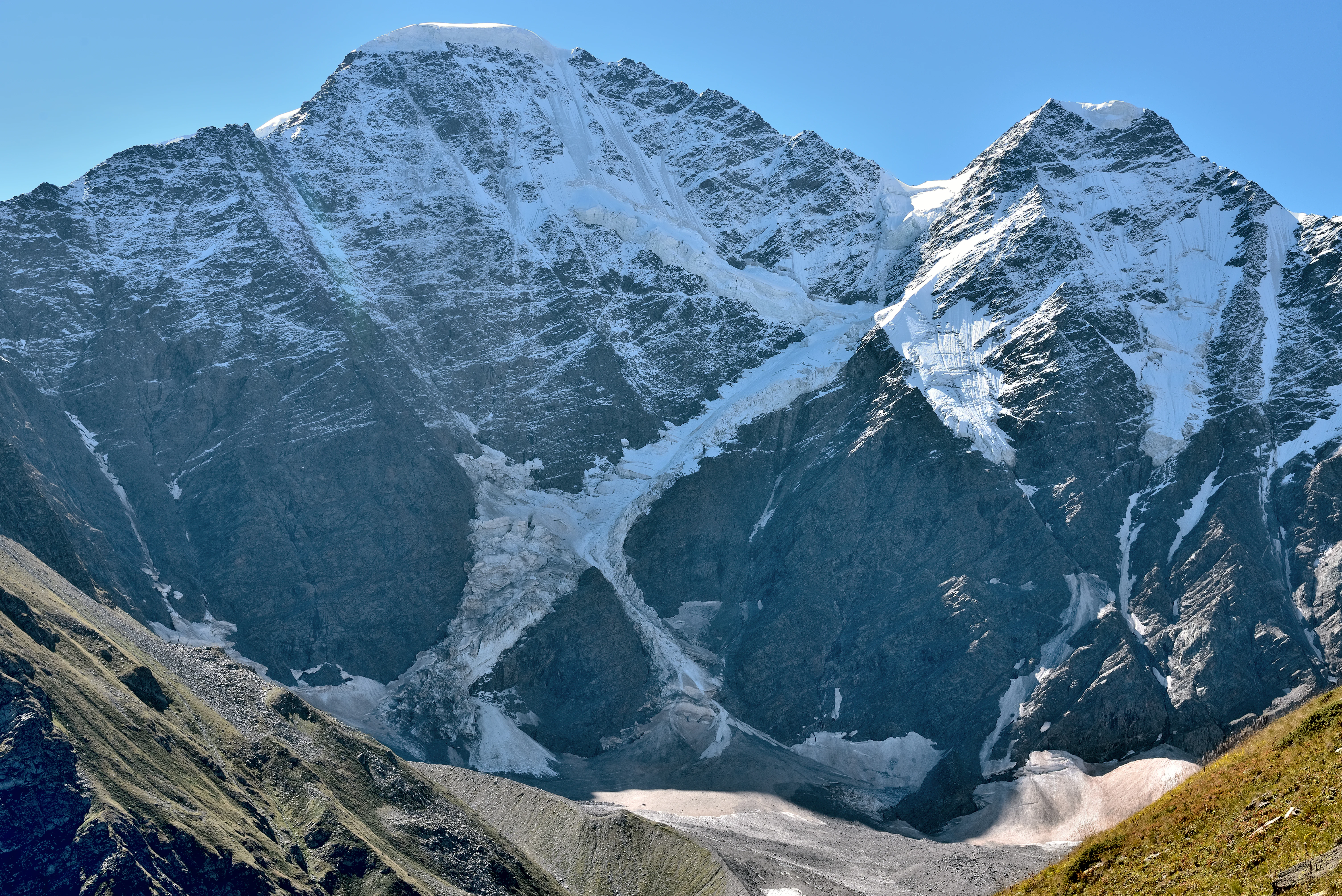
Prielbrusye is best known for surrounding Mount Elbrus, the highest and most prominent peak in Europe, which dominates the western boundary of the park. The park is renowned for its dramatic glacial landscapes, with extensive ice fields and glaciers descending from the summit. It is also recognized for its exceptional biodiversity, particularly the presence of large mammals including West Caucasian turs, East Caucasian turs, chamois, Caspian red deer, and the endangered Persian leopard. The park serves as a critical habitat for species adapted to the harsh high-altitude environment and represents one of 22 national parks across the Caucasus region, protecting approximately 1.8 percent of the broader Caucasus area.
Prielbrusye National Park history and protected-area timeline
Prielbrusye National Park was established in 1986 as part of the Soviet Union's expanding network of protected areas. The creation of the park reflected growing recognition of the Caucasus Mountains' global significance for biodiversity and the need to protect the unique ecosystems surrounding Mount Elbrus, one of Europe's most iconic natural landmarks. Under the governance of Russia's Ministry of Natural Resources and Environment, the park has been managed to balance conservation objectives with sustainable use of its natural resources. The post-Soviet period has brought continued development of tourism infrastructure within the park, with facilities established in six small settlements scattered throughout the protected area. The park remains an important center for mountaineering, alpine sports, and scientific research in the Caucasus region.
Prielbrusye National Park landscape and geographic character
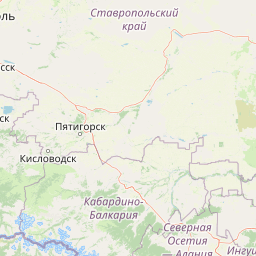
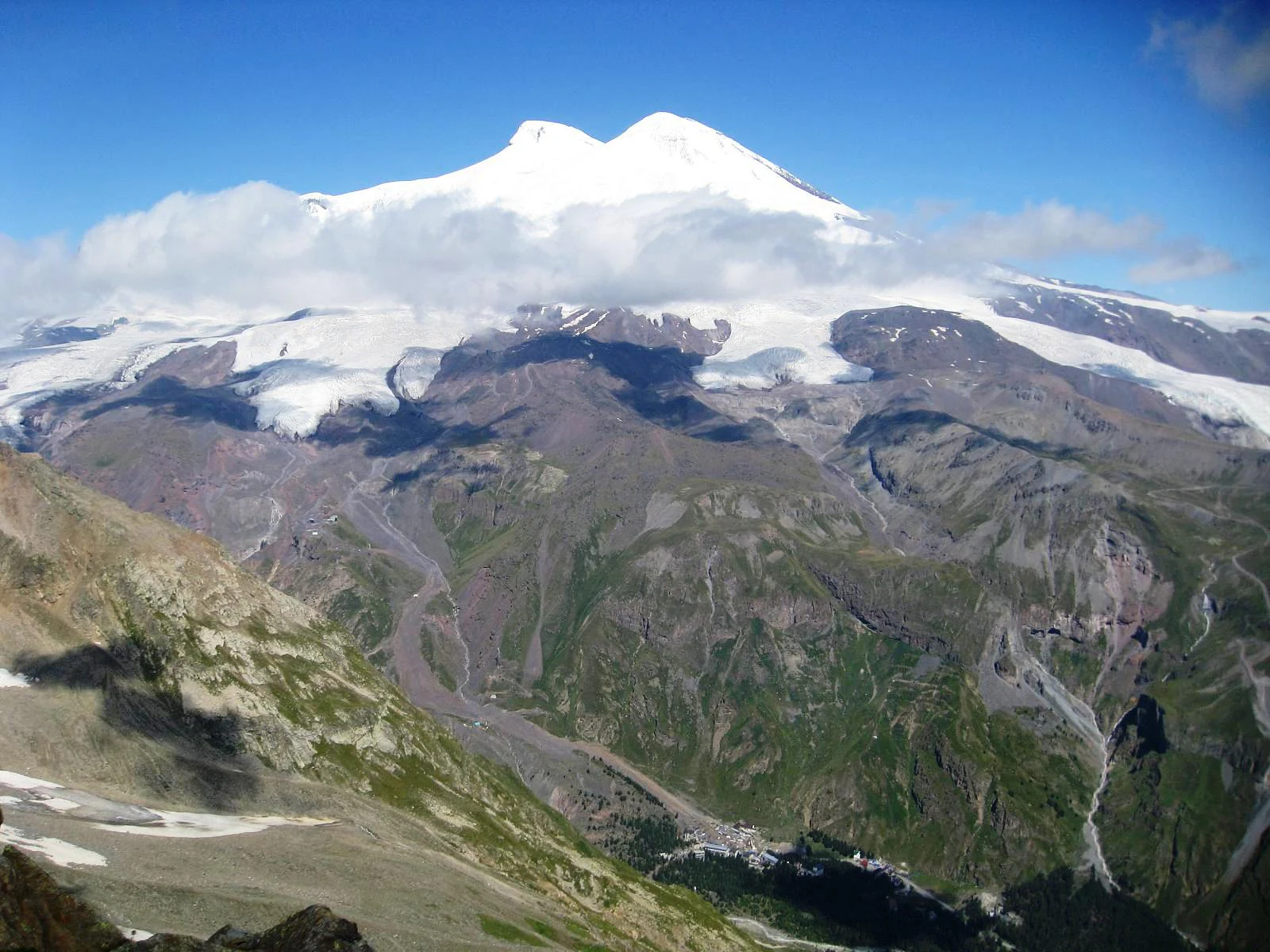
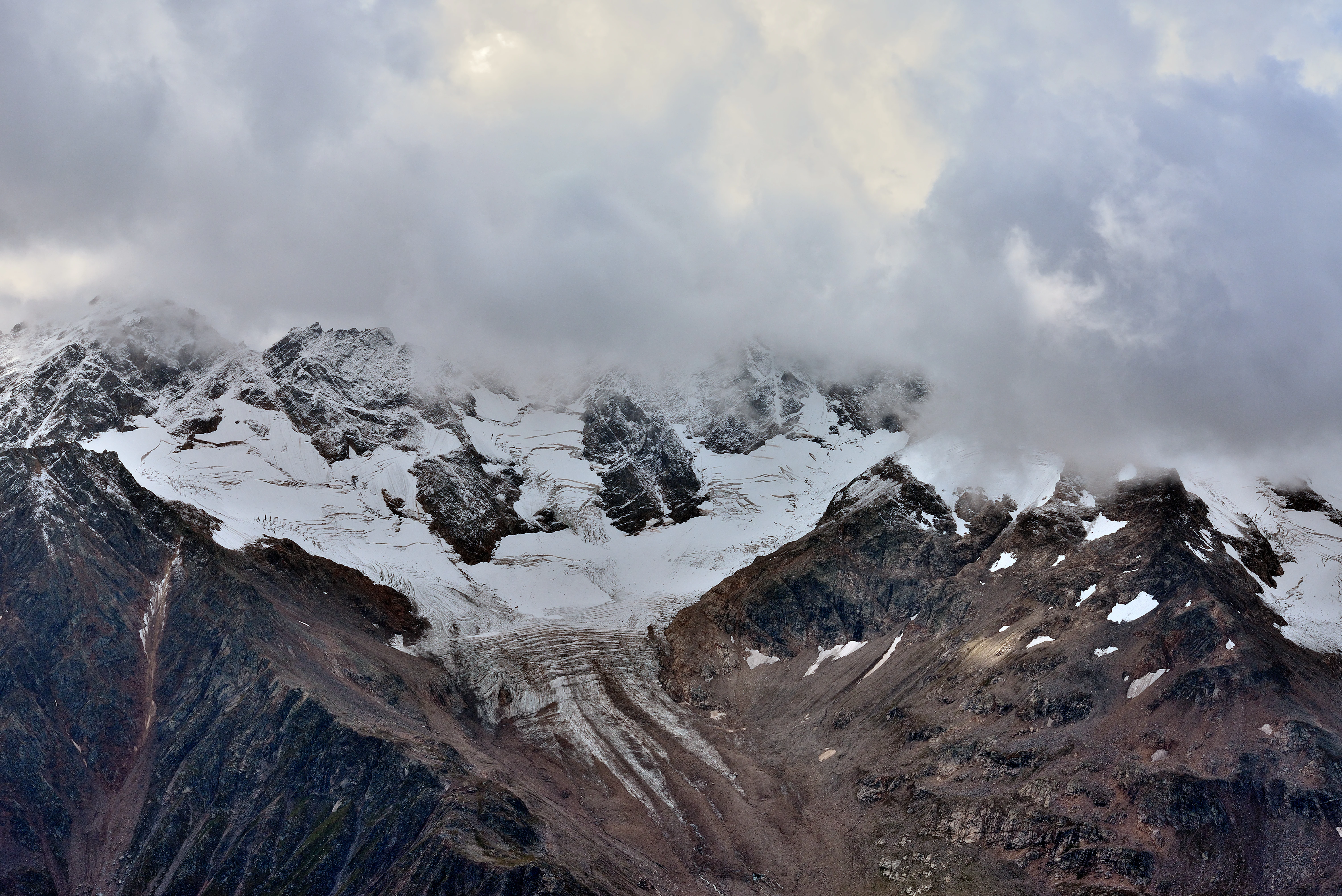
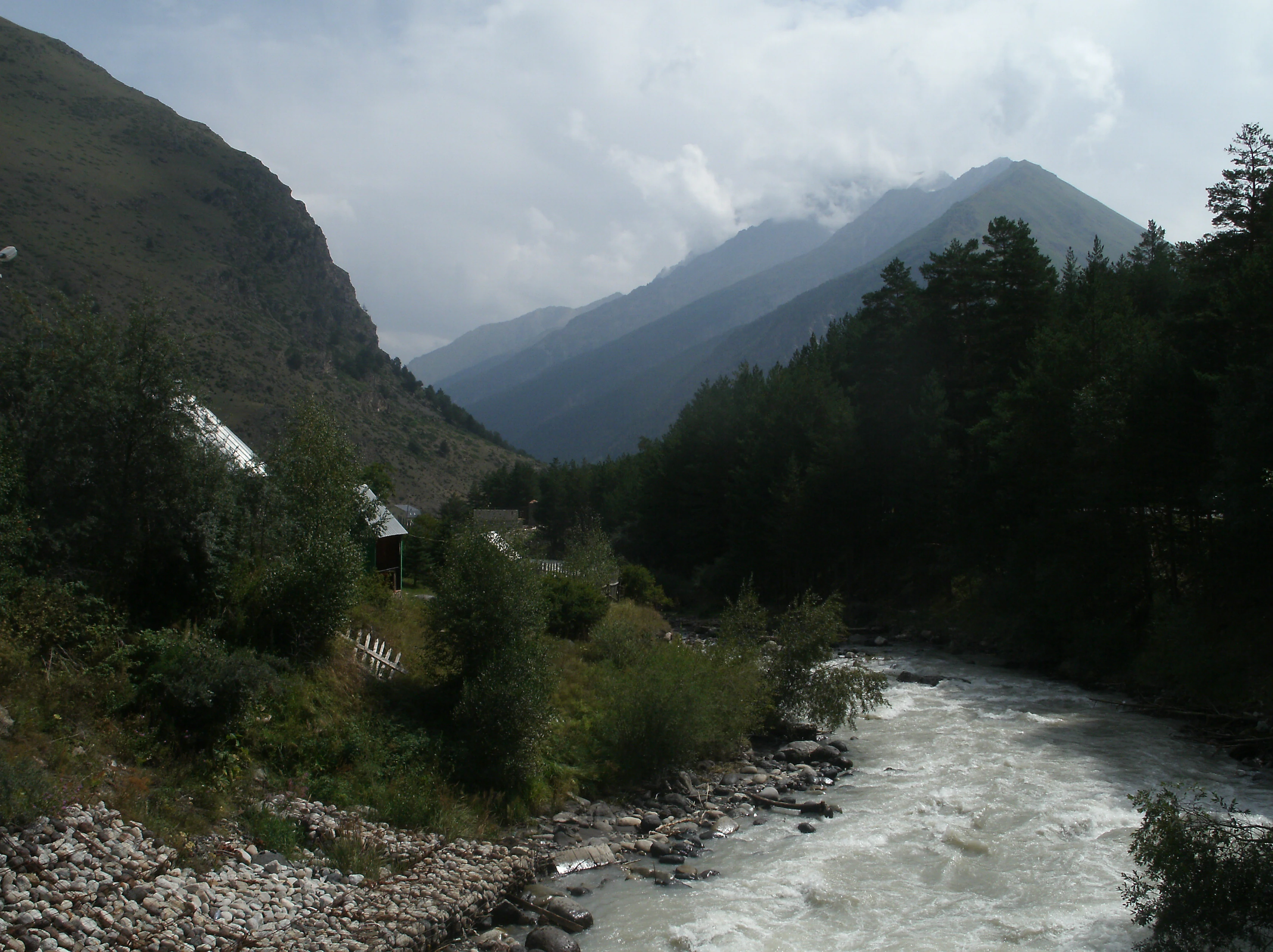
The landscape of Prielbrusye National Park is defined by the towering mass of Mount Elbrus and the surrounding peaks of the central Caucasus Mountains. The terrain rises dramatically from approximately 1,400 meters in the river valleys to 5,642 meters at Elbrus's summit, creating one of the most pronounced elevation gradients in Europe. Glaciated peaks, dramatic ridges, and steep gorges characterize the higher terrain, while the lower elevations feature forested river valleys that provide a contrast to the alpine and subnival zones above. Approximately 155 square kilometers of the park is covered by glaciers and permanent snow, with icefields descending from the Elbrus massif. The Malka River originates from Elbrus's glaciers and flows northward through a plateau below the glacial source, while the Baksan River traverses the southern tier of the park. Volcanic influences are evident in portions of the terrain, with lava flows adding to the geological complexity. The park's southern boundary follows the international border with Georgia, creating a transboundary protected area within the greater Caucasus ecosystem.
Prielbrusye National Park ecosystems, habitats, and plant life
The nature of Prielbrusye is shaped fundamentally by its extreme elevation range, which creates distinct ecological zones from the forested valleys to the summit of Mount Elbrus. At the lowest elevations within the river valleys, deep coniferous forests dominated by pine establish the forest layer, with an understory of juniper, barberry, and wild rose providing dense ground cover. Wetter areas support thickets of wild raspberries, currants, and gooseberries. As elevation increases, the forest gives way to a narrow belt of broadleaf trees and shrubs in the sub-alpine zone, succeeded by alpine meadows that blanket the mountainsides during the brief summer growing season. Above this, the terrain transitions to bare rock, permanent snow, and glacial ice at the highest elevations. The park lies within the Caucasus mixed forests ecoregion, widely recognized as one of the most biologically diverse regions on the planet due to the convergence of different ecological zones and the complex topography that has fostered speciation and endemism.
Prielbrusye National Park wildlife and species highlights
Prielbrusye National Park supports a diverse community of large mammals adapted to the mountainous environment. The park is home to both West Caucasian turs and East Caucasian turs, two distinctive wild goat species endemic to the Caucasus region. Chamois populations inhabit the rocky slopes and alpine meadows. Caspian red deer and roe deer occupy the forested valleys and forest edges, while wild boar are found in the lower terrain. Predators include the endangered Persian leopard, gray wolves, European jackals, red foxes, and the elusive Caucasian lynx. The Syrian brown bear inhabits the park, utilizing both forest and alpine zones. The park also supports the Caucasian Mountain Ground Squirrel, a species characteristic of the high-altitude meadow habitats. This assemblage of species represents the park's conservation significance, particularly for the large carnivores and endemic ungulates that depend on the protected alpine and forest ecosystems.
Prielbrusye National Park conservation status and protection priorities
Prielbrusye National Park plays a critical role in the conservation of the Caucasus region's exceptional biodiversity. The park is one of 22 national parks established across the Caucasus of different nationalities, collectively protecting approximately 1.8 percent of the broader Caucasus region. This network of protected areas recognizes the global significance of the Caucasus as a biodiversity hotspot, where numerous species reach the limits of their ranges and where endemism is high due to the complex topography and climatic variation. The park's protection of the Mount Elbrus region safeguards critical habitat for endangered species including the Persian leopard, as well as the endemic Caucasian tur species. The glacial ecosystems within the park are also increasingly important as indicators of climate change impacts in mountain environments. The establishment of Prielbrusye as a national park with IUCN Category II status provides a framework for long-term conservation of these irreplaceable natural values.
Prielbrusye National Park cultural meaning and human context
The territory of Prielbrusye lies within Kabardino-Balkaria, a republic in southwestern Russia with a rich cultural heritage. The region has been inhabited for centuries by the Kabard and Balkar peoples, whose traditional livelihoods were closely tied to the mountain environment. The name Prielbrusye itself derives from Russian, meaning area by Mount Elbrus, reflecting the centrality of the mountain to regional identity. The protected area encompasses traditional settlement patterns, with six small settlements located within the park boundaries. These communities maintain connections to the land through pastoral activities and cultural practices shaped by the seasonal rhythms of the high mountain environment. The park's proximity to the border with Georgia also places it within a broader context of cross-cultural exchange and historical movement through the Caucasus mountains.
Top sights and standout views in Prielbrusye National Park
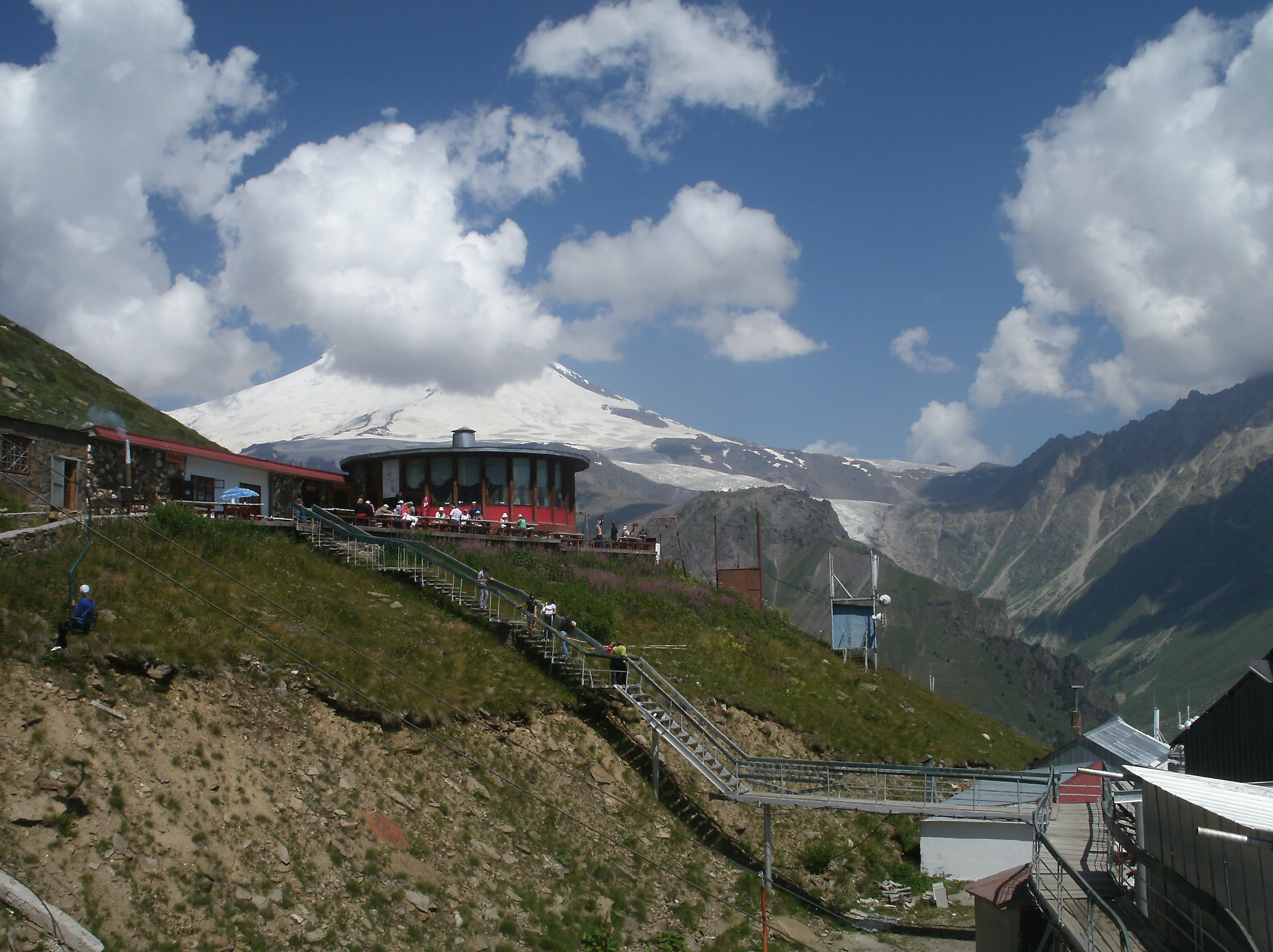
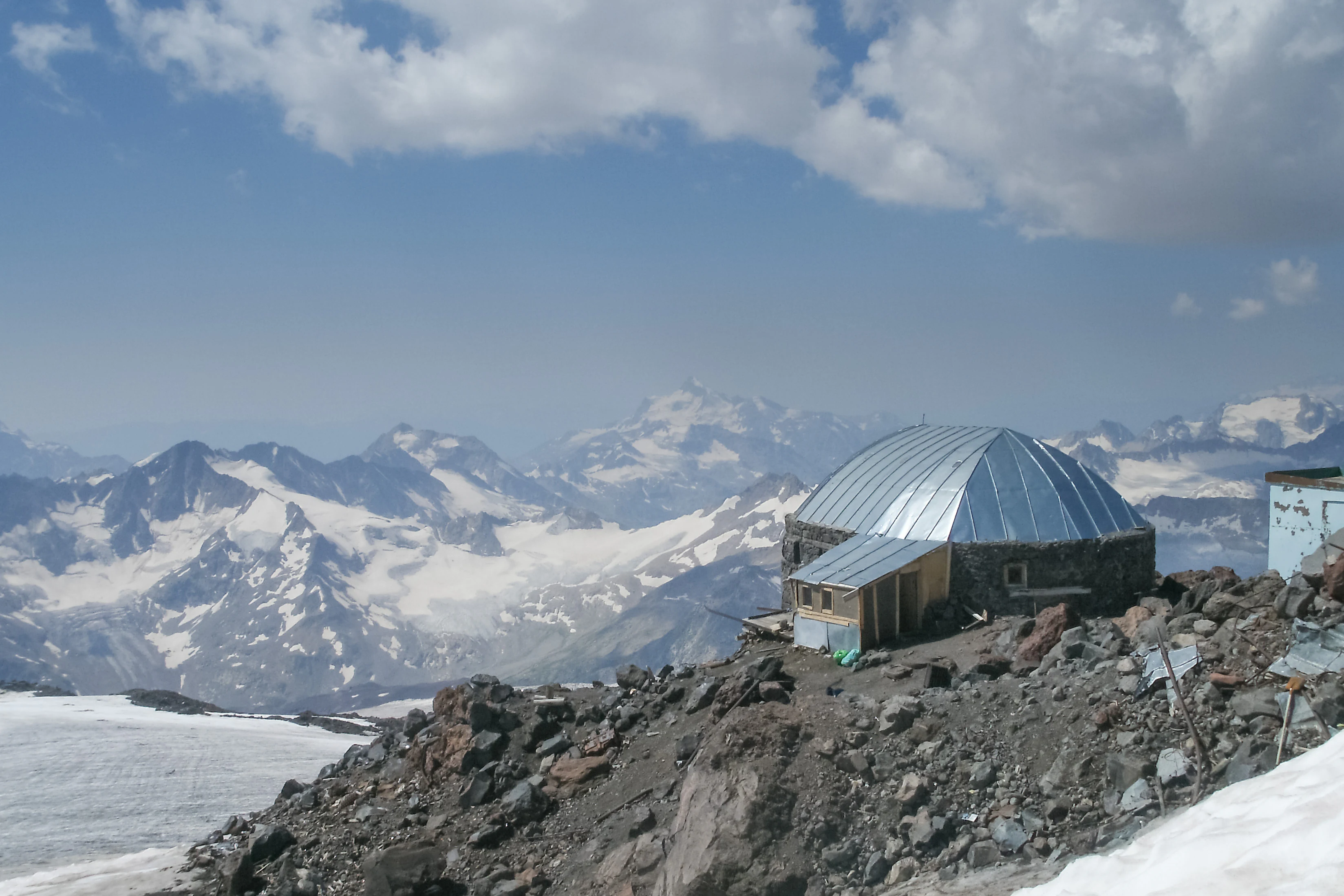
The most prominent highlight of Prielbrusye National Park is Mount Elbrus itself, a massive twin-peaked volcano that rises to 5,642 meters and stands as the highest summit in Europe. The glacier-covered slopes of the mountain provide dramatic scenery and attract mountaineers from around the world. The park's glacial landscape encompasses extensive ice fields and descending glaciers that shape the high terrain. The biodiversity of the Caucasus is represented in the park's populations of Caucasian turs, chamois, and the endangered Persian leopard. The transition from forested valleys through sub-alpine shrubland to alpine meadows and finally to rock and ice creates a visually striking vertical landscape. The cableway in the Elbrus region provides visitor access to the mountain environment, while numerous trails and climbing routes offer opportunities to explore the park's diverse terrain.
Best time to visit Prielbrusye National Park
The summer months from June through September offer the most accessible period for visiting Prielbrusye National Park, when the alpine meadows bloom and trail conditions are favorable for hiking and climbing. The brief summer season provides relatively warm temperatures in the valleys while the high peaks remain snow-covered. Autumn brings changing foliage colors in the forests and typically stable weather, though conditions become increasingly cold at higher elevations. Winter transforms the park into a skiing destination, with the high-altitude terrain offering alpine sports opportunities. The climate is characterized by extreme variation due to the dramatic elevation differences across the park, with conditions at summit level remaining arctic throughout the year. Spring arrives late in the high mountains and is often characterized by unstable weather. Visitors should be prepared for rapid changes in conditions regardless of the season, particularly given the park's high-altitude exposure.