Why Sochi National Park stands out
Sochi National Park is best known as Russia's pioneering national park, established in 1983 and remaining the country's oldest protected area of this designation. The park is particularly famous for its Persian Leopard Breeding and Rehabilitation Centre, which has successfully bred Persian leopard cubs in Russia for the first time in over 50 years. The park also protects significant populations of European bison within its boundaries. Its location within the Western Caucasus World Heritage Site underscores its global significance for preserving one of the world's most biodiverse temperate mountain ecosystems.
Sochi National Park history and protected-area timeline
Sochi National Park was established on May 5, 1983, making it the first designated national park in Russia. This pioneering status reflected both the ecological significance of the Western Caucasus region and a growing recognition within Soviet environmental governance of the need for formal protected areas that could serve multiple conservation, research, and educational functions. The park was created during a period when Soviet environmental policy was increasingly emphasizing the establishment of national parks as distinct from strict nature reserves, aiming to provide opportunities for public access while maintaining meaningful ecological protection. In 2009, the park became the site of the Persian Leopard Breeding and Rehabilitation Centre, marking a new chapter in its conservation mission. This program represented an ambitious effort to restore the Persian leopard population in the Caucasus region, where the species had been nearly eliminated by poaching and habitat loss during the twentieth century. The first Persian leopard cubs born in Russia in over 50 years were produced at this facility in July 2013, a significant conservation milestone that attracted international attention and support.
Sochi National Park landscape and geographic character
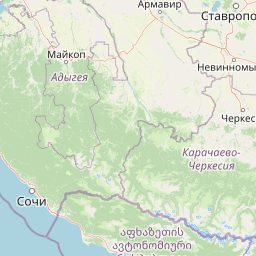
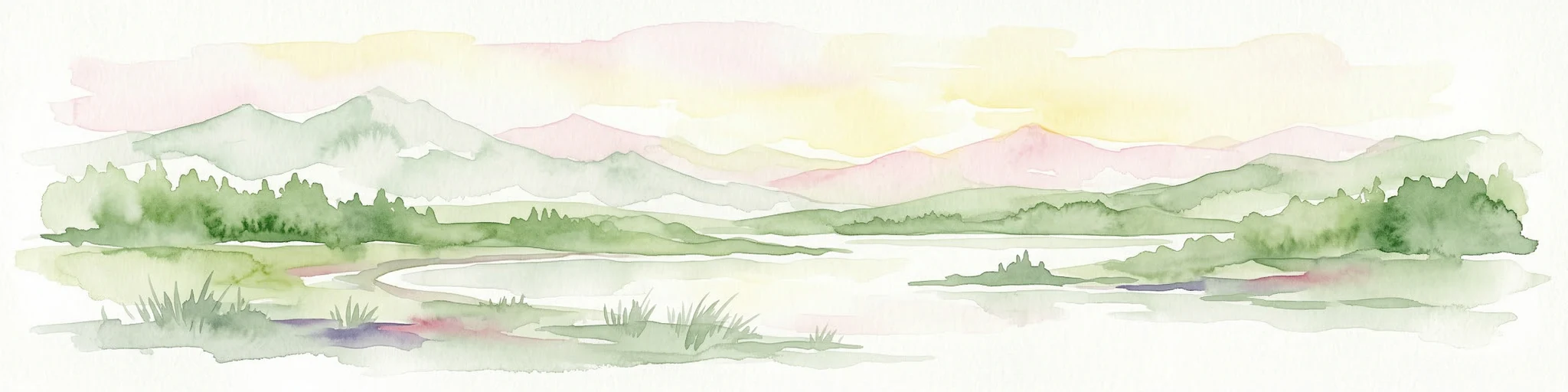
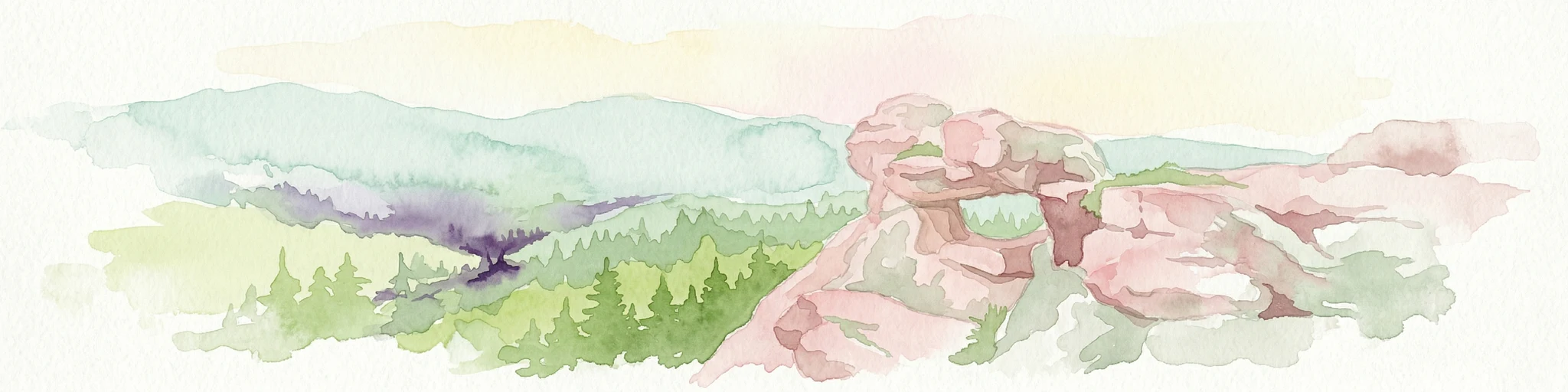
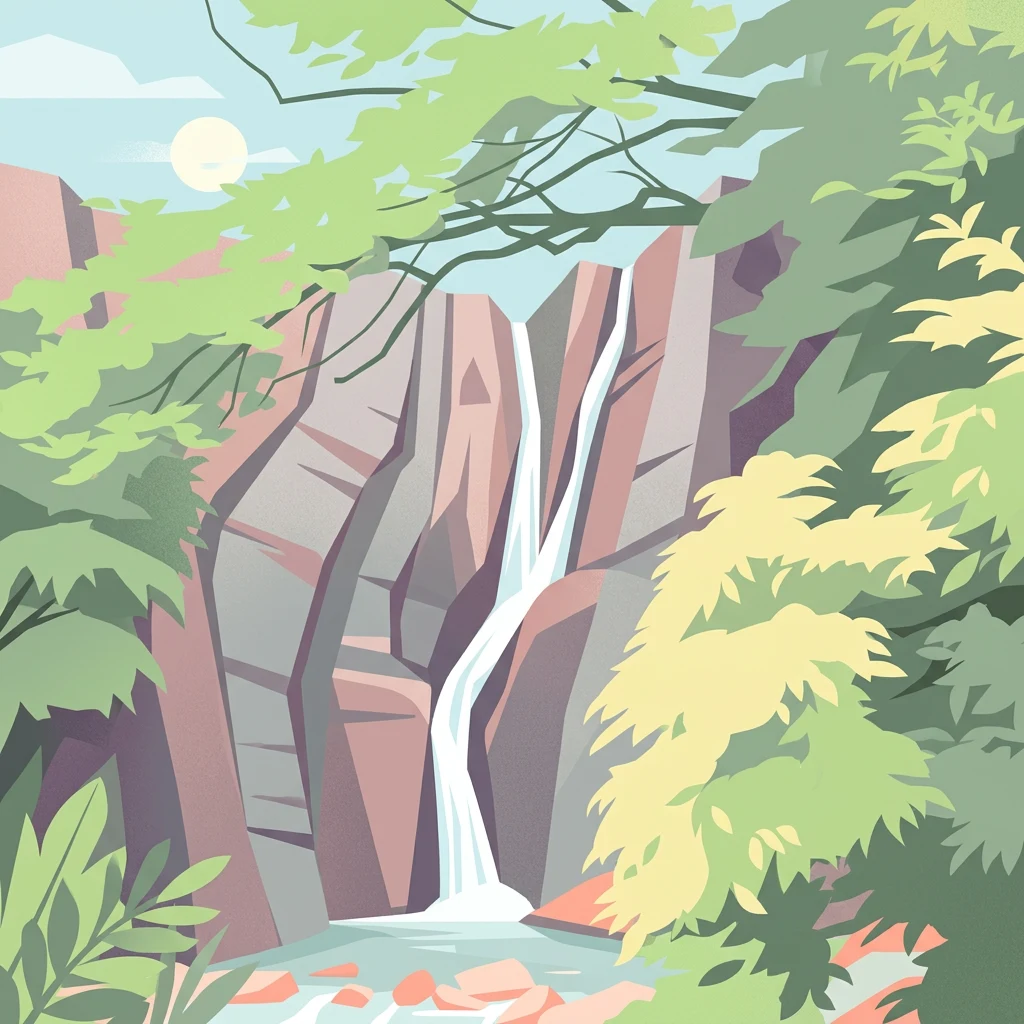
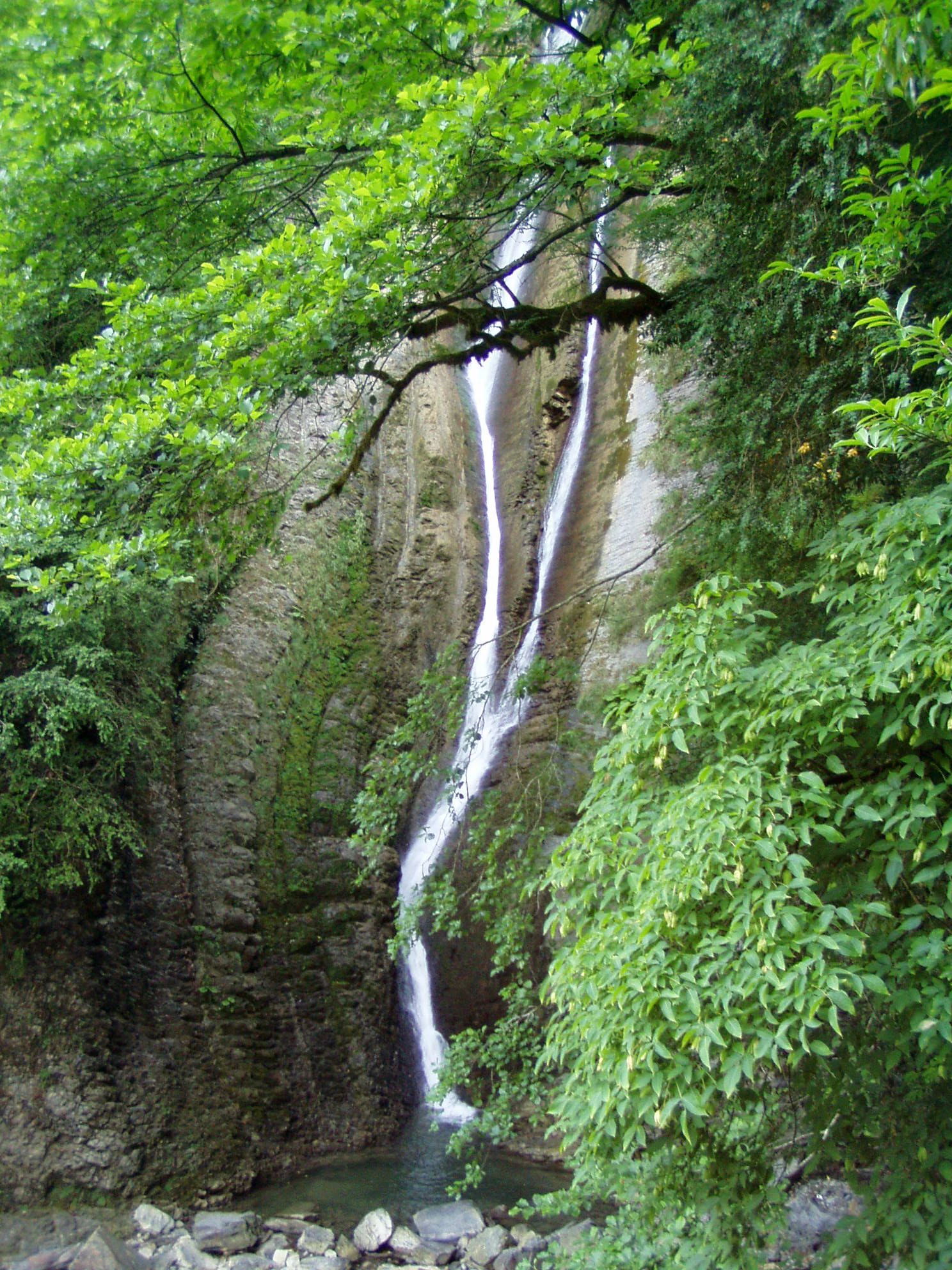
Sochi National Park encompasses a spectacular mountainous landscape where the peaks of the Greater Caucasus rise dramatically from the Black Sea coast. The terrain features steep-sided valleys carved by numerous rivers and streams, with elevation changes from sea level to over 2,000 meters within the park boundaries. The park includes several notable waterfalls that rank among its most recognizable natural features, including the Orekhovsky Waterfall, Ivanovsky Waterfall, and the complex known as the Valley of 33 Falls. River valleys such as those of the Shepsi River and Magri River in the northwest and the Psou River along the southeastern border create natural corridors through the mountainous terrain. The landscape transitions from subtropical coastal vegetation near the shoreline through forested mid-elevation slopes to alpine meadows and rocky peaks in the highest zones. This dramatic topographic relief creates diverse microclimates and visual landscapes that define the park's character.
Sochi National Park ecosystems, habitats, and plant life
The Western Caucasus region, recognized as a UNESCO World Heritage Site, represents one of the few remaining areas in Europe where ecological processes continue largely unmodified by human activity. Sochi National Park protects a representative sample of these ecosystems, ranging from Colchian forests with endemic species in the lower elevations to subalpine meadows and rocky alpine zones above the tree line. The park's location at the interface between temperate and subtropical climate zones contributes to its ecological richness, supporting species assemblages that reflect both European and Asian biogeographic influences. Forest communities include mixed deciduous forests with chestnut, beech, and oak species, transitioning to coniferous forests of spruce and fir at higher elevations. The park's waterways and riparian zones support specialized wetland habitats, while the proximity to the Black Sea influences the microclimate of coastal areas.
Sochi National Park wildlife and species highlights
Sochi National Park provides crucial habitat for several species of conservation significance, most notably the Persian leopard, which the park's breeding program has worked to restore to the Caucasus region. Once widespread throughout the mountain ranges between the Black Sea and Caspian Sea, the Persian leopard population declined dramatically during the twentieth century due to relentless poaching and habitat fragmentation. The breeding program at Sochi has successfully maintained a population of leopards sourced from Turkmenistan, Iran, and Portugal's Lisbon Zoo, with captive-born cubs eventually intended for release into the Caucasus Biosphere Reserve. The park also supports populations of European bison, a species that has been reintroduced across the Caucasus region as part of broader conservation efforts to restore large herbivore populations. These flagship species occupy key positions in the park's ecological communities, while the broader fauna includes numerous species of birds, small mammals, and reptiles adapted to the various habitat types found within the park's boundaries.
Sochi National Park conservation status and protection priorities
Sochi National Park occupies a central position in conservation efforts for the Western Caucasus, one of Earth's 200 most important ecoregions and a recognized global biodiversity hotspot. The park's inclusion within the UNESCO World Heritage Site designation reflects international recognition of the region's outstanding universal value as a naturally evolved ecosystem. The Persian leopard reintroduction program represents one of the most ambitious wildlife conservation initiatives in Russia, aiming to restore a keystone predator that was driven to near-extinction in the Caucasus. The breeding program's success in producing cubs in 2013 marked the first such births in Russia in five decades, offering hope for eventual restoration of viable leopard populations in the wild. The park's management approaches emphasize maintaining ecological integrity while supporting research activities that advance understanding of the region's biodiversity and inform conservation strategies for both the park and the broader Caucasus ecosystem.
Top sights and standout views in Sochi National Park
Sochi National Park stands as Russia's oldest national park and a flagship for conservation in the Caucasus region. The Persian Leopard Breeding and Rehabilitation Centre represents a critical effort to restore an iconic big cat species to its historic range, with captive-born cubs eventually destined for release into the wild. The park protects a remarkable diversity of landscapes within a relatively compact area, from Black Sea coastal foothills to subalpine zones in the Greater Caucasus. Notable waterfalls including Orekhovsky and Ivanovsky provide dramatic natural spectacles within the park's interior. The park's position within the UNESCO World Heritage Site underscores its global significance for preserving one of Europe's most biodiverse mountain ecosystems.