Why Sochi National Park stands out
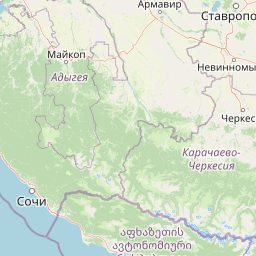
Sochi National Park is best known for its compressed geography where subtropical Black Sea coastline meets the western foothills and peaks of the Greater Caucasus. Within a relatively short distance one can move from sea level up through Colchic broadleaf forests to alpine meadows and rocky summits. The park is also recognized for its Colchic and relict plant communities, including boxwood (Buxus colchica) and yew groves, and for hosting one of Russia's most important programs for the reintroduction of the Persian leopard. Karst caves, deep canyons, and more than forty named waterfalls, including the 33 Waterfalls cascade, contribute to its reputation as a landscape-rich destination on the Black Sea coast.
Sochi National Park history and protected-area timeline
Sochi National Park was established on 5 May 1983 by resolution No. 214 of the Council of Ministers of the Russian SFSR, with the explicit purpose of preserving the unique natural complexes of the Caucasian Black Sea coast and supporting environmental, recreational, educational, and scientific uses. Its creation marked it as one of the first national parks in the Russian Federation and an important early instrument of federal nature protection in the Caucasus region.
From its inception the park was structured around forestry districts, which were renamed and reorganized over the years to manage conservation, recreation, and education across the full Sochi coast. By the early 2000s it had established a network of ecological education centers within several of these districts and had opened dozens of excursion routes and recreational sites.
A major expansion occurred in 2013, when a Russian government resolution enlarged the park by incorporating forest-fund lands from the Tuapse Forestry District and a portion of the Sochi inter-republican state nature sanctuary, roughly nine thousand hectares. This brought the park to its current large footprint and consolidated protection along a longer stretch of coastline and adjacent mountains. From 2009, the park has also been the host site for the Caucasian Leopard Recovery Center (named after U.A. Semenov), one of the focal points of the program to restore the Persian leopard, also known as the Caucasian leopard, in the wild.
Sochi National Park landscape and geographic character
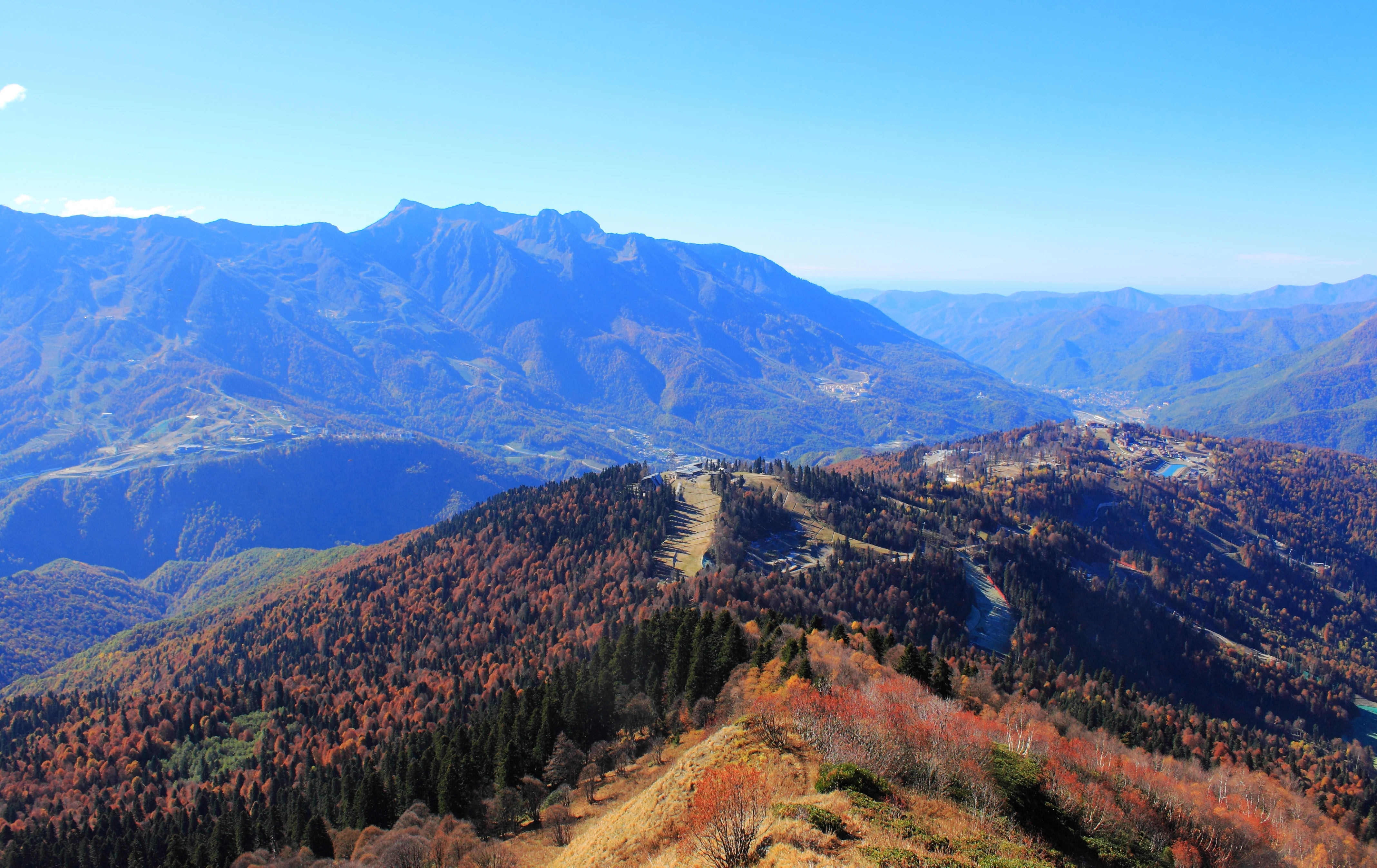
The defining image of Sochi National Park is the abrupt meeting of sea and mountains. The shoreline of the Black Sea lies only a short distance from the Main Caucasian Ridge, and the park extends vertically from coastal pebble beaches all the way up to high-mountain ridges and peaks. A narrow foothill strip lies along the coast, while the great majority of the territory is mountainous, broken into separate massifs by river valleys.
The terrain is shaped by roughly forty rivers and streams of the Black Sea basin, which over time have produced a dense network of canyons, gorges, and waterfalls. Notable peaks and ridges within the park include Aibga, Achishkho, Pseashkho, Aunts, Akhun, Akhtsu, Pshekho, and the iconic Fisht massif on the western edge of the park, with kar massifs and pointed summits punctuating the skyline. Cliffs and rocky scarps such as the Eagle Rocks near Sochi add to the scenic variety.
Karst processes have shaped much of the interior, producing cave systems, sinkholes, and limestone formations. The result is a landscape of great vertical and visual diversity: gentle coastal terraces, footslope forests, abrupt valley walls, alpine meadows, and bare mountain crests, all within the boundaries of a single protected area.
Sochi National Park ecosystems, habitats, and plant life
Sochi National Park sits at the intersection of several major biotic influences. Its lower elevations carry a humid subtropical character unique within Russia, while its mid and upper elevations belong to the temperate mountain forests of the Greater Caucasus. This combination creates a layered vegetation pattern that is among the richest in the country.
A defining feature of the park's flora is the presence of Colchic and relict species that survived the Pleistocene glaciations in the sheltered valleys of the western Caucasus. Hornbeam, beech, oak, and chestnut forests give way higher up to mixed and coniferous stands. Colonies of Colchic boxwood (Buxus colchica) and yew (Taxus baccata) form distinctive relict woodlands, with the Yew-Boxwood Grove being one of the most famous natural landmarks in the region. Subalpine and alpine zones above the tree line are characterized by tall-herb meadows and rocky habitats.
The park is also a center of orchid and bulb plant diversity, harboring many Caucasus-endemic and Red Data Book species. Notable among them are Voronov's snowdrop, Caucasian cyclamen, Caucasian kandik lily, Kesselring's lily, Colchic colchicum, Caucasian bellflower species, and numerous wild orchids. The flora also includes relict species such as Caucasian Dioscorea, Caucasian peony, and the Caucasian-endemic Sredinskya grandis, giving the park exceptional botanical interest well beyond its faunal profile.
Sochi National Park wildlife and species highlights
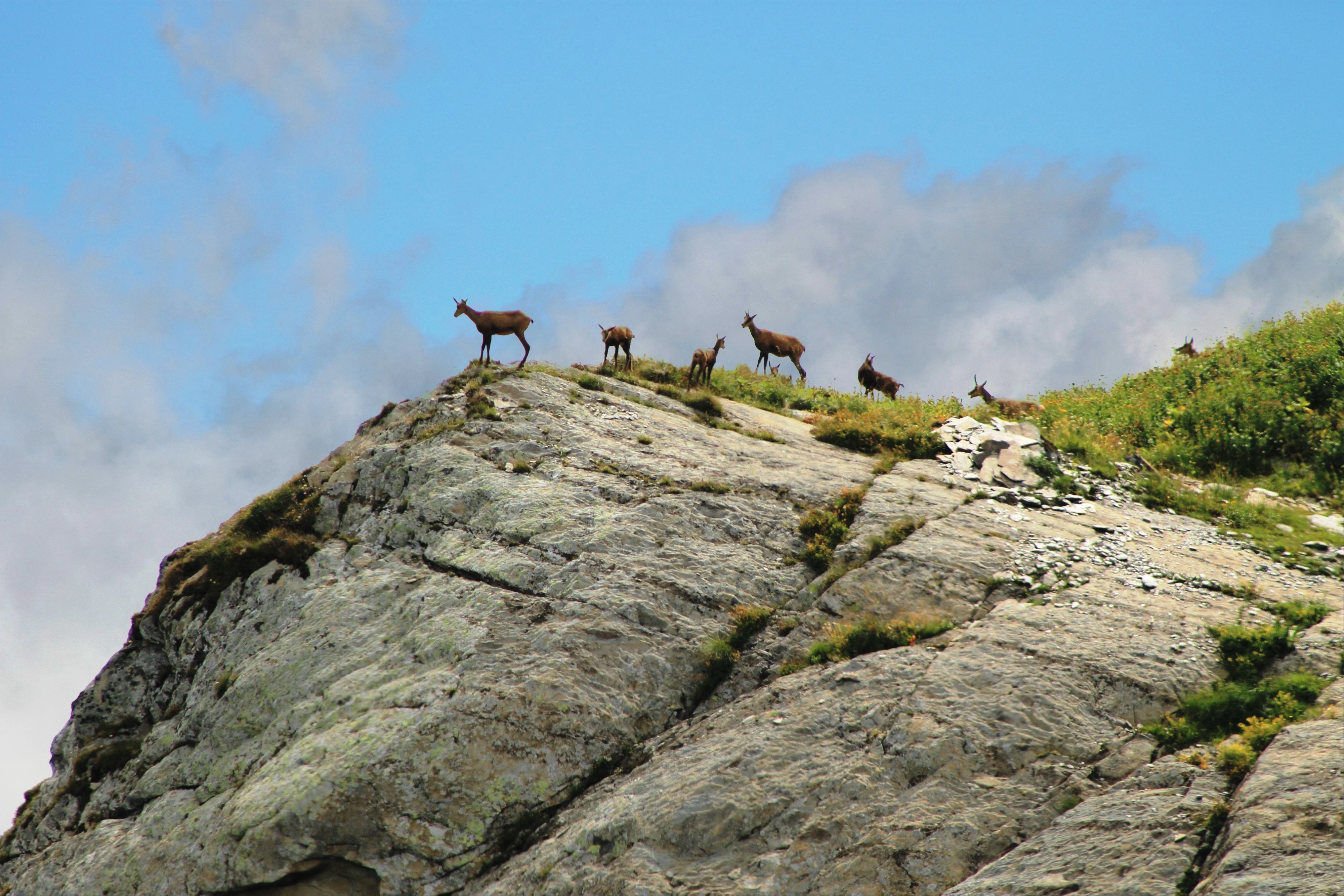
Sochi National Park supports one of the most diverse vertebrate faunas of any Russian protected area, reflecting the unusual climatic and altitudinal range of its territory. The park's official Red Data Book lists numerous invertebrates, fish, amphibians, reptiles, birds, and mammals, including endemics and narrowly distributed Caucasian subspecies.
In the coniferous and mixed forests, mammals such as the Caucasian forest cat and the Caucasian otter occur alongside the European bison in reintroduction contexts. The park is also a critical site for bat conservation, hosting several cave-dwelling species including the greater horseshoe bat, the lesser horseshoe bat, Mehely's horseshoe bat, the giant noctule, and Schreiber's bent-winged bat, which depend on its extensive karst cave systems. Reptiles include Dinnik's viper, Kaznakov's viper, the Aesculapian snake, and the Greek tortoise, all Red Data Book species.
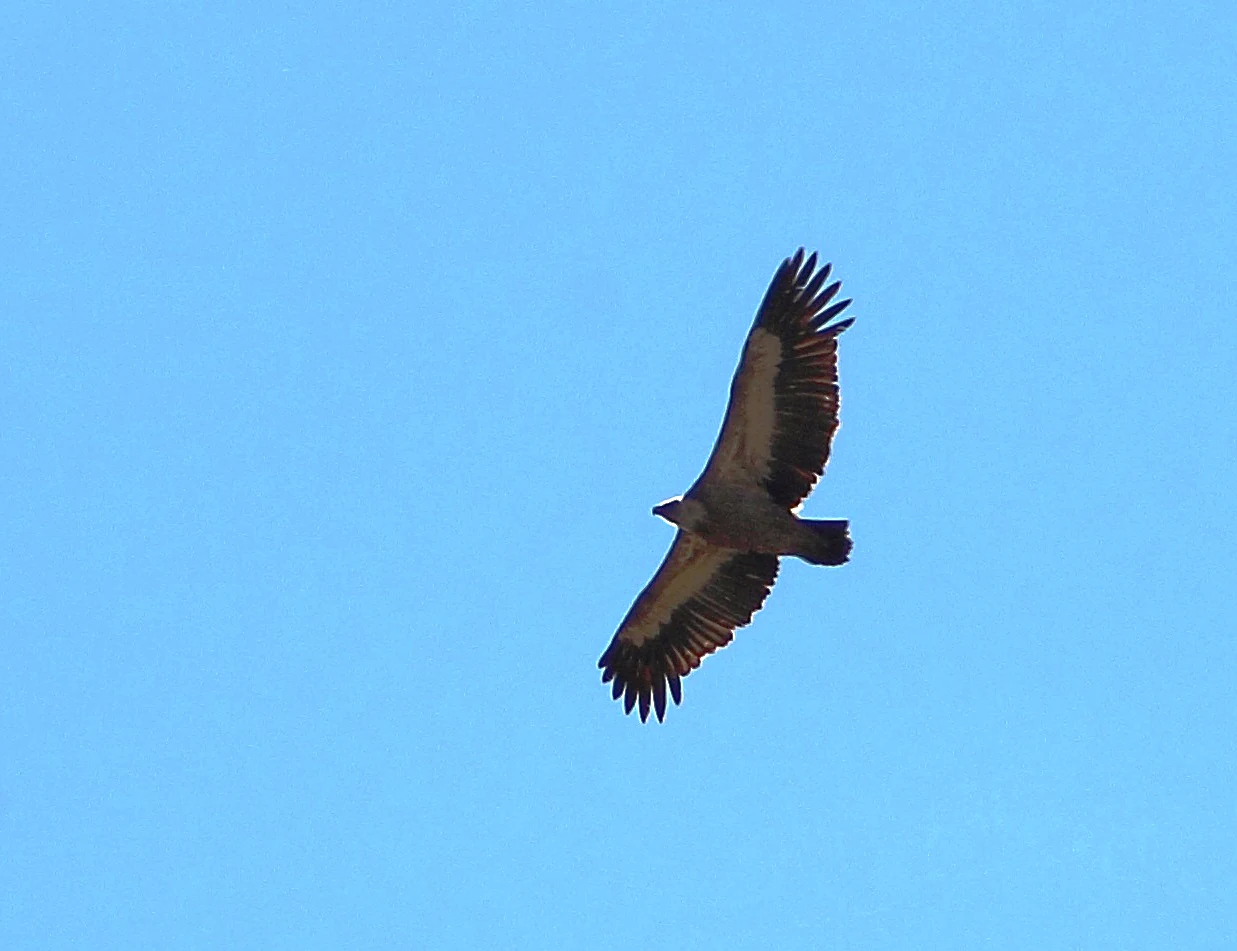
Raptors and large scavengers are particularly characteristic of the mountainous zones. Griffon vultures, cinereous vultures, golden eagles, bearded vultures, short-toed snake eagles, lesser spotted eagles, red kites, white-tailed eagles, peregrine falcons, and ospreys all occur within or above the forests, joined by the Caucasian black grouse as an endemic Caucasus inhabitant. Black storks nest in the forested river valleys. Streams support native fish such as the Azov-Black Sea shemaya and brown trout, and amphibians include the Caucasian toad, Caucasian parsley frog, and several Triton newts.
From 2009 the park has been home to the Caucasian Leopard Recovery Center, an active reintroduction site for the Persian leopard subspecies (Panthera pardus ciscaucasica), formerly extirpated from the region. This makes Sochi National Park one of the most important sites in Russia for the future recovery of a large apex carnivore in the Caucasus.
Sochi National Park conservation status and protection priorities
Sochi National Park is a cornerstone of biodiversity conservation on the Russian Black Sea coast. Its protected status, its large continuous area, and the unusually wide range of habitats it encompasses give it both regional and national importance.
The park serves as a refuge for many species that are endangered elsewhere in Russia or in the Caucasus, including relict Colchic and Mediterranean plants, several endemic amphibians and reptiles, numerous cave-dwelling bats, and a wide suite of large raptors. Karst caves within the park are among the most important bat hibernation and roosting sites in the region.
Beyond in-situ protection, the park is a center for active restoration work. The Caucasian Leopard Recovery Center, named after U.A. Semenov, has been operating within the park since 2009 as part of the broader program to restore the Persian leopard (Caucasian leopard) in the wild. Earlier the park also participated in European bison reintroduction efforts. Ecological education centers established within several of the park's forestry districts further strengthen its conservation role by connecting local communities and visitors with the protected area.
Sochi National Park cultural meaning and human context
Sochi National Park contains a remarkable density of cultural and archaeological heritage. Its mountain valleys and coastal lowlands have been inhabited for tens of thousands of years, and traces of this long human presence are preserved within the park itself.
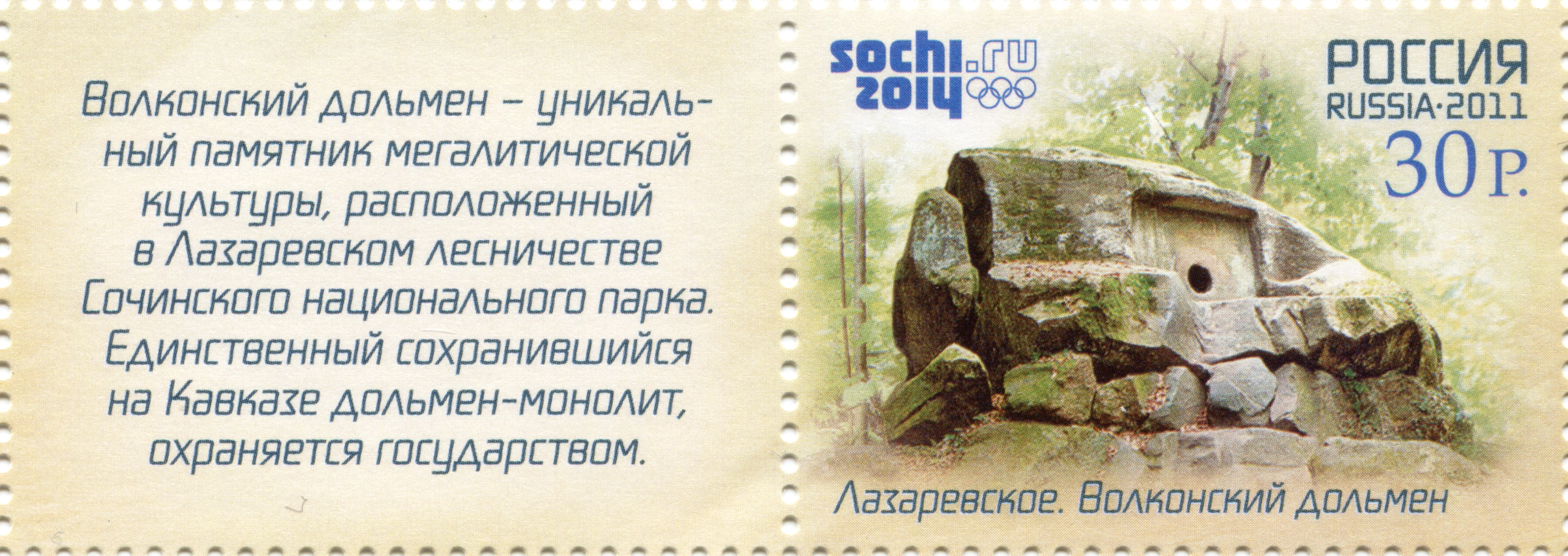
Middle Paleolithic cave occupations, including the well-known Akhshtyrskaya cave and Vorontsovskaya cave sites, give the area a deep antiquity in the story of human settlement in the Caucasus. Later periods are represented by numerous dolmen groups of the Bronze Age, often clustered in the coastal and foothill districts and including the famous Volkonsky dolmen, the only surviving dolmen-monolith in the Caucasus. Iron and medieval periods are reflected in cliff fortresses and fortifications, from coastal strongholds such as the Hostinskaya fortress to inland fortifications like Godlik and Akhipse.
In the late nineteenth and early twentieth centuries the region saw the construction of Russian imperial-era military works such as the Navaginsky fort, alongside the development of tea cultivation, visible today in the surviving tea houses that are part of the region's identity. Together, these layers of human history, prehistoric, ancient, medieval, and modern, give the park an unusually rich cultural dimension alongside its natural values.
Top sights and standout views in Sochi National Park
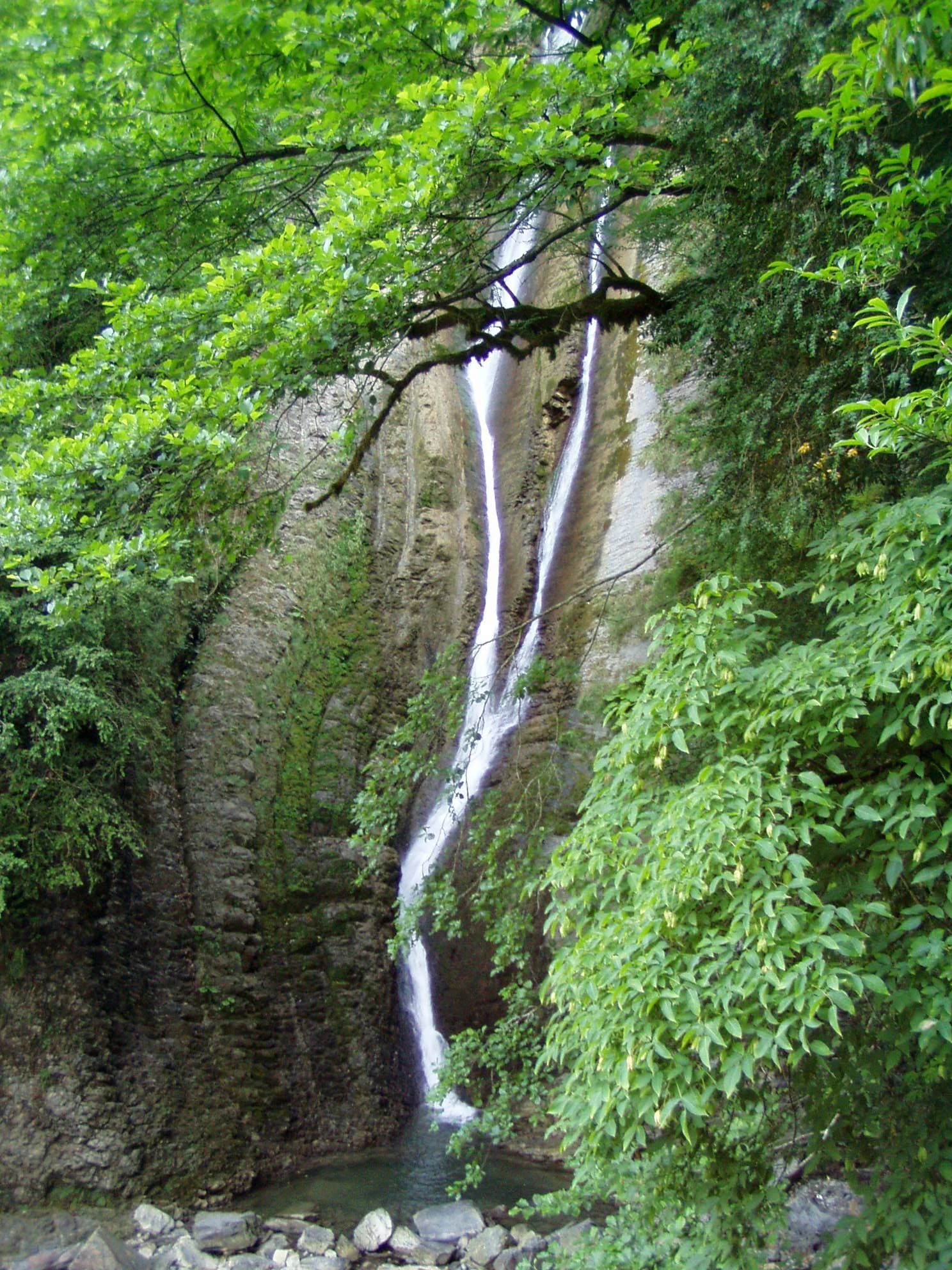
Sochi National Park stands out for the sheer compression of its landscapes within a single boundary: Black Sea coastline, relict Colchic forests, deep canyons, alpine ridges, and karst caves coexist across its territory. Iconic natural landmarks within the park include the Fisht massif, the Aibga ridge, the Eagle Rocks near Sochi, the 33 Waterfalls cascade, the Orekhovsky waterfall, the Yew-Boxwood Grove, the Vorontsovskaya cave system, and the Sochi Arboretum.
Ecologically, the park is distinguished by its humid subtropical climate, the survival of Colchic relict flora, a long list of Red Data Book species, and an unusually diverse bat fauna tied to its karst caves. The park also stands out for being among the first national parks in Russia and for hosting the Caucasian Leopard Recovery Center, marking it as a flagship site for large-carnivore restoration in the Caucasus.
Culturally, the park preserves a layered record of human presence: Middle Paleolithic cave sites, Bronze Age dolmen groups, medieval cliff fortresses, nineteenth-century Russian military forts, and traditional tea houses, all amid the same forested mountains and coastlines.
Best time to visit Sochi National Park
Sochi National Park spans a wide range of elevations and climates, so the character of a visit depends strongly on season and altitude. Spring, from late March through May, is a standout period for the park's flora, when relict colchicum, Caucasian snowdrops, cyclamen, kandik lilies and abundant wild orchids flower in the lower and middle elevations.
Summer, from June through early September, brings warm and humid conditions in the coastal and foothill zones, with cooler temperatures at higher elevations. This is the main season for hiking the upper mountains and alpine meadows, visiting waterfalls in full flow, and reaching the higher peaks. Autumn is generally a quieter period with colorful broadleaf and mixed forests, especially around Krasnaya Polyana.
Winter brings snow to the higher elevations, including ski areas above Krasnaya Polyana, while the coastal lowlands remain comparatively mild. Visitors focused on waterfalls, caves, and viewpoints can visit year-round, but those seeking the full alpine experience should plan around the snow-free season.