Why Lindeman Islands National Park stands out
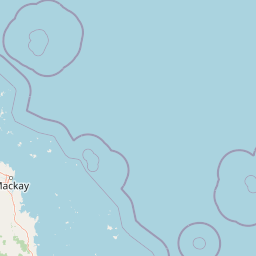
The Lindeman Islands National Park is best known for its island wilderness character and its role in protecting continental islands within the Whitsunday region. The islands represent a preserved portion of Queensland's island ecosystems, offering a counterpoint to the more developed resort islands in the Whitsunday chain. The park provides protection for the island's native vegetation communities and the surrounding marine environments that are part of the broader Great Barrier Reef coastal and oceanic zone.
Lindeman Islands National Park history and protected-area timeline
The Lindeman Islands have long been part of the Whitsunday island chain, which has been inhabited by Indigenous peoples for thousands of years. The islands were named by early European explorers navigating the Queensland coast. The establishment of the national park reflects a recognition of the islands' natural values and the need to protect them from development pressures that have transformed many other Whitsunday islands into resort destinations. The formal protection of the Lindeman Islands as a national park preserves this island group as a reference point for the natural character of the Whitsunday region before extensive human modification.
Lindeman Islands National Park landscape and geographic character
The Lindeman Islands feature the rugged, hilly terrain characteristic of continental islands along the Queensland coast. Ancient rock formations form the core of the islands, with slopes rising from coastal plains and beaches to create a mountainous interior profile. The islands support tropical vegetation communities that cloak the hillsides in green throughout the year. Rocky headlands and sandy beaches mark the coastline, where the transition from terrestrial to marine environments occurs. The surrounding waters of the Coral Sea are typically clear and blue, consistent with the broader marine character of the Great Barrier Reef region.
Lindeman Islands National Park ecosystems, habitats, and plant life
The Lindeman Islands support tropical island vegetation communities adapted to the island environment. Native forest and woodland cover the island slopes, providing habitat for island-dwelling species. The islands exist within a broader marine environment of high biodiversity, where the proximity to the Great Barrier Reef influences the species composition of surrounding waters. The isolation of island ecosystems creates conditions for distinctive ecological assemblages, with species adapted to island life forming the basis of the park's terrestrial ecology.
Lindeman Islands National Park wildlife and species highlights
The Lindeman Islands provide habitat for native wildlife species adapted to island environments. Birdlife is a notable component of the islands' fauna, with various seabirds and forest-dwelling species occurring on the islands. The surrounding marine environments support fish species and other marine life common to the Great Barrier Reef region. The combination of island habitat and surrounding waters creates a diverse wildlife context that extends from the tree canopy to the coral reefs below the waterline.
Lindeman Islands National Park conservation status and protection priorities
Lindeman Islands National Park contributes to the protection of Queensland's island natural heritage within the Whitsunday region. The park preserves a group of islands that remain in relatively natural condition compared to many other Whitsunday islands that have been developed for tourism and residential use. The protection of the islands' terrestrial environments and the surrounding marine zone maintains ecological connections between island and ocean ecosystems. The national park designation ensures that the Lindeman Islands are retained as protected coastal and island wilderness into the future.
Lindeman Islands National Park cultural meaning and human context
The Lindeman Islands are located within the traditional Country of Aboriginal peoples who have occupied the Whitsunday islands and coastal areas for thousands of years. The islands are part of a cultural landscape that holds significance for Indigenous communities whose ancestors lived and travelled through these island environments. The park exists within a region of strong cultural heritage where island groups have been integrated into traditional Aboriginal生活 and maritime travel routes along the Queensland coast.
Top sights and standout views in Lindeman Islands National Park
The Lindeman Islands offer visitors a wilder island experience within the Whitsunday archipelago. The park provides access to islands that have retained their natural character without the resort development found on many neighbouring islands. The combination of island forests, coastal scenery, and surrounding reef waters creates a composite island wilderness experience. The park serves as a reminder of the natural Queensland island environment before extensive modification.
Best time to visit Lindeman Islands National Park
The Lindeman Islands can be visited year-round given Queensland's subtropical climate. The winter months from May to October typically bring drier, cooler conditions that make outdoor exploration more comfortable. The summer months from November to April bring warmer temperatures and the possibility of tropical rainfall, though this is also the period when the surrounding marine environments are at their most vibrant. The park's island setting means that weather conditions are influenced by both continental and marine weather patterns.