
Mori Atlas logo
National parkLusenga Plain National Park

Navigate the geographic spread and mapped boundaries of this important national park.

Lusenga Plain National Park: A Protected Landscape in Zambia's Luapula Province

Lusenga Plain National Park stands as a significant protected area within the Luapula Province of Zambia. This page offers an atlas-focused exploration of its geographic identity, featuring mapped park boundaries and regional landscape context. Understand the park's place within the natural geography and its role as a conservation landscape for informed discovery.

Floodplain WetlandsWaterfall ViewsWildlife ReintroductionCultural Heritage SitesBirdwatchingSeasonal Wetlands

Lusenga Plain National Park

National park

Park overview

Structured park overview, official facts, and landscape profile for Lusenga Plain National Park

Lusenga Plain National Park park facts, protected area profile, and essential visitor context
Review the core facts for Lusenga Plain National Park, including designation, size, terrain, visitor scale, habitats, and operating context in one park-focused overview.

About Lusenga Plain National Park

Lusenga Plain National Park occupies a distinctive position in Zambia's protected area network as one of the nation's easternmost parks within Luapula Province. The park's defining geography centers on a vast plain that experiences pronounced seasonal flooding, creating a dynamic wetland ecosystem that stretches across the Kawambwa District landscape. The Kalungwishi River, the park's lifeblood, courses through the reserve carrying floodwaters from upstream catchments and dropping dramatically over Lumangwe Falls, where the river plunges over a basalt ledge to create one of Zambia's most impressive vertical cascades. This waterfall, among the country's highest, has become an iconic visual representation of the park's natural heritage. The surrounding landscape supports a mosaic of habitat types including seasonally inundated grasslands, riparian forests along watercourses, and drier woodland on higher ground. Rainfall patterns averaging 1500 millimeters annually make this one of the wettest regions in Zambia, supporting vegetation that appears more tropical than the miombo woodlands typical of much of the country. The park's accessibility has improved in recent years as infrastructure development in the Luapula Province has made the area more reachable for visitors seeking to experience its combination of scenic waterfalls, wildlife, and cultural significance.

Quick facts and research context for Lusenga Plain National Park

Lusenga Plain National Park spans roughly 800 square kilometers in Luapula Province, making it one of Zambia's larger protected areas. The park is centered on a floodplain ecosystem with the Kalungwishi River as its primary watercourse, featuring Lumangwe Falls as a standout natural landmark. Annual rainfall of around 1500 millimeters sustains the park's wetland and forest habitats. The area was formally established as a national park in 1972 after previously functioning as a hunting ground. Wildlife populations were significantly depleted historically, but conservation efforts since 2007 have reintroduced several species including Grant's zebra, puku, and impala. The park holds IUCN Category II designation as a national park.

Park context

Deeper park guide and search-rich context for Lusenga Plain National Park

Lusenga Plain National Park history, landscape, wildlife, and travel context
Explore Lusenga Plain National Park through its history, landscape character, ecosystems, wildlife, conservation priorities, cultural context, and seasonal travel timing in a structured park guide built for atlas discovery and search intent.

Why Lusenga Plain National Park stands out

Lusenga Plain National Park is best known for its dramatic waterfall, Lumangwe Falls, which ranks as Zambia's second-highest waterfall and forms a spectacular centerpiece along the Kalungwishi River. The park's extensive floodplain, which transforms dramatically between wet and dry seasons, creates a distinctive landscape of seasonal wetlands and grasslands that support recovering wildlife populations. The high rainfall environment, unusual among Zambia's protected areas, sustains relatively lush vegetation and creates habitat conditions more typical of areas further north. The presence of ancient rock paintings near Kundabwika Falls adds an archaeological dimension that distinguishes the park from many other Zambia reserves.

Lusenga Plain National Park history and protected-area timeline

Lusenga Plain's history as a protected area is relatively recent, reflecting Zambia's broader expansion of its national park network during the post-independence period. Prior to 1972, the area functioned primarily as a hunting ground, a designation that reflected its role as a landscape where local communities and colonial administrators pursued game for sport and subsistence. The conversion to national park status in 1972 represented a formalization of protection that aligned with Zambia's growing commitment to wildlife conservation following independence. The subsequent decades saw the park face significant wildlife depletion, as populations of large mammals declined due to hunting pressure and habitat modification. Beginning in 2007, systematic wildlife reintroduction programs commenced, introducing species that had been locally extirpated including Grant's zebra, puku, and impala. These efforts aimed to restore ecological balance to the park's ecosystems and re-establish viable populations of key herbivore species. The park's cultural history extends far deeper than its formal protection timeline, with the Luda and Chishinga peoples maintaining longstanding connections to the landscape that predate the establishment of protected area status.

Lusenga Plain National Park landscape and geographic character

The physical landscape of Lusenga Plain National Park is dominated by an extensive floodplain that forms the valley floor of the Kalungwishi River system. This plain transforms dramatically between wet and dry seasons, with the river expanding during the rainy season to inundate vast areas of grassland before receding to leave behind fertile soils and residual pools that sustain wildlife through the dry months. The terrain rises gently from the floodplain to rocky uplands where the characteristic miombo woodland ecosystem predominates. Basalt formations create the geological foundation for Lumangwe Falls, where the Kalungwishi River encounters a hard rock ledge and plunges approximately 30 meters into a dramatic gorge, generating spray and thunder that can be heard from some distance. Rock outcrops along the river valley also contain the ancient paintings near Kundabwika Falls, evidence of long human presence in this landscape. The combination of waterfall, floodplain, and woodland creates a visually varied landscape that offers different characters depending on season and location within the park.

Lusenga Plain National Park ecosystems, habitats, and plant life

The ecological character of Lusenga Plain is shaped substantially by its high rainfall and the presence of the Kalungwishi River system, which creates habitat conditions atypical of much of Zambia. The floodplain supports seasonal wetland vegetation including various grasses and emergent plants that provide important grazing for herbivores during the dry season when other areas become parched. Riparian forests line the riverbanks, providing cover and food sources for forest-dwelling species and creating important corridors for wildlife movement. The higher ground supports miombo woodland dominated by Brachystegia and Julbernardia species, the characteristic tree cover of much of southern Africa's highlands. The rainfall patterns, substantially higher than most of Zambia, contribute to relatively lush vegetation that distinguishes the park from the drier savanna and woodland environments found in many other protected areas. This moisture also supports higher plant diversity and more continuous green cover throughout the year, creating favorable conditions for wildlife viewing even during the dry season.

Lusenga Plain National Park wildlife and species highlights

The wildlife of Lusenga Plain National Park reflects both the park's recovering status and its distinctive habitat conditions. Historically, the park experienced significant depletion of its fauna, with many large mammal species disappearing from the area due to hunting and habitat pressures. The reintroduction programs beginning in 2007 have sought to restore populations of several key species, including Grant's zebra, a distinctive subspecies adapted to grazing the open plains, puku, a medium-sized antelope favoring wetland grasslands, and impala, a common and ecologically adaptable species that can thrive in various habitats. The river systems support populations of hippos and crocodiles, while the riparian and woodland areas provide habitat for numerous bird species. The floodplain grasslands attract herds of grazers during the dry season when water becomes scarce elsewhere in the region. While wildlife populations remain recovering compared to older-established parks, the habitat conditions support meaningful wildlife experiences for visitors, particularly as reintroduction efforts continue to expand the species complement.

Lusenga Plain National Park conservation status and protection priorities

Lusenga Plain National Park represents an important component of Zambia's protected area network, classified as an IUCN Category II national park that aims to protect intact ecosystems and allow natural processes to continue with minimal human intervention. The park's conservation significance is elevated by its position in a high-rainfall zone that supports habitats and species assemblages not well-represented in other protected areas of the country. The floodplain ecosystem provides important ecological services including flood regulation, water filtration, and carbon sequestration while supporting biodiversity that includes both widespread and locally restricted species. The Lumangwe Falls area has been identified as a priority for tourism development given its dramatic scenery and potential to attract visitors who might also support conservation through tourism revenue. The wildlife reintroduction program demonstrates active conservation management, though the relatively recent establishment of formal protection means the park's ecosystems remain in a recovery phase.

Lusenga Plain National Park cultural meaning and human context

Lusenga Plain National Park holds deep cultural significance for local communities in the Luapula Province, particularly the Luda and Chishinga peoples whose ancestral connections to this landscape extend far beyond the park's establishment in 1972. The Luda people, governed by Chief Mwata Kazembe, conduct the Umutomboko Ceremony within the park boundaries, a cultural event of profound spiritual and social importance that reinforces community identity and connection to the land. Similarly, the Chishinga people, under Senior Chief Mushota, observe the annual Chishinga Malaila Ceremony, another traditional observance that ties cultural practice to specific locations within the park's landscape. These ceremonies represent living traditions that give the protected area cultural meaning beyond its ecological value, demonstrating how conservation and cultural heritage can intersect in African protected areas. The presence of ancient rock paintings near Kundabwika Falls provides physical evidence of even older human connections to this landscape, suggesting long-term cultural significance that predates the relatively recent formal establishment of the national park.

Top sights and standout views in Lusenga Plain National Park

Lusenga Plain National Park offers several standout features that distinguish it within Zambia's protected area network. Lumangwe Falls, one of Zambia's highest waterfalls, provides a spectacular natural attraction that ranks among the country's most impressive cascades. The seasonal floodplain creates a dynamic landscape where the extent of wetland coverage transforms dramatically between wet and dry seasons, offering different experiences for visitors at different times of year. The cultural dimension, with ongoing traditional ceremonies conducted by the Luda and Chishinga peoples, provides visitors with opportunities to experience living cultural practices rather than just historical heritage. The recovering wildlife populations, while not yet at the levels found in older-established parks, offer meaningful wildlife viewing opportunities, particularly along the river systems where animals congregate during the dry season.

Best time to visit Lusenga Plain National Park

The optimal time to visit Lusenga Plain National Park depends on the experience sought. The dry season, typically from May to October, offers easier wildlife viewing as animals concentrate around remaining water sources and vegetation thins to improve visibility. The floodplain during this period becomes a reliable location to observe reintroduced species including zebra and antelope. However, the wet season, from November to April, transforms the landscape dramatically as the plain becomes inundated, creating a vast wetland that supports different wildlife behavior and provides exceptional birdwatching opportunities. The high rainfall means the park retains its lush green character throughout the year compared to many other Zambia parks that become parched during the dry months. Waterfall viewing is impressive year-round, though flow may be reduced during the dry season.

Park location guide

Geography guide, regional context, and park location map for Lusenga Plain National Park

Lusenga Plain National Park park geography, regions, and map view in Zambia
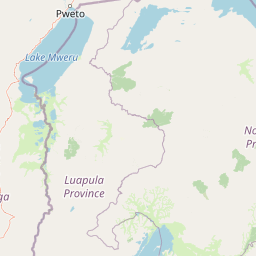
Understand where Lusenga Plain National Park sits in Zambia through a broader geographic reading of the surrounding landscape, nearby location context, and its mapped position within the national park landscape.

How Lusenga Plain National Park fits into Zambia

Zambia is a landlocked nation in Southern Africa with a population of approximately 20 million people. The country is bordered by eight countries and features diverse geography ranging from the Zambezi River to vast plateaus. Lusaka serves as the capital and largest city, while the Copperbelt Province in the north drives much of the economy through copper mining.

Wider geography shaping Lusenga Plain National Park in Zambia

Zambia is located in Southern Africa and is landlocked, bordered by eight countries: Democratic Republic of the Congo to the north, Tanzania to the northeast, Malawi to the east, Mozambique to the southeast, Zimbabwe and Botswana to the south, Namibia to the southwest, and Angola to the west. The country features varied terrain including the Zambezi River plain in the south, plateaus in the central and northern regions, and the Muchinga Mountains in the northeast. Lake Tanganyika forms part of the northern border.

Map view of Lusenga Plain National Park

Use this park location map to pinpoint Lusenga Plain National Park in Zambia, understand its exact geographic position, and read its mapped placement within the surrounding landscape more clearly.

Pigeon | © OpenStreetMap contributors

Location context for Lusenga Plain National Park

Kawambwa DistrictLuapula Province
Park atlas

Compare surrounding protected landscapes and trace regional park geography in Luapula Province.

Browse Nearby National Parks and Protected Areas Surrounding Lusenga Plain National Park, Zambia
After exploring Lusenga Plain National Park's unique floodplain and waterfall landscapes, continue your discovery by browsing other national parks and protected areas across Zambia. Compare regional protected landscapes, understand their geographic spread, and uncover the diverse conservation efforts throughout the Luapula Province and surrounding territories.
National parkZambia

Nsumbu National Park: Zambia's Lakeside Protected Landscape, Map Atlas, and Geographic Context

Mapped terrain and unique shoreline geography.

Nsumbu National Park stands as a vital protected landscape in Zambia, defined by its prominent position on Lake Tanganyika. The park's approximately 2,026 square kilometers showcase a dramatic geographic interplay between terrestrial environments, including miombo woodlands and rare Itigi-Sumbu thicket, and the vast aquatic expanse of the lake. Users exploring this atlas entry will find detailed information on the park's mapped boundaries, distinctive shoreline features like rocky cliffs and sandy beaches, and its overall role in the regional geography of Southern Africa.

Area
2,026 km²
Established
1985
IUCN
II
Relief
Lowland
National parkHaut-Katanga Province

Kundelungu National Park National Park: Central Africa's Protected Savanna Landscape

Explore the mapped terrain and dramatic geography of this Haut-Katanga Province protected area.

Kundelungu National Park stands as a significant protected area within the Haut-Katanga Province, offering a deep dive into Central Africa's expansive savanna ecosystems and unique natural landmarks. This national park is defined by its rolling grasslands, dotted with characteristic forest galleries that trace the region's water systems, alongside the awe-inspiring Lofoi Falls. Understanding Kundelungu National Park through its mapped boundaries and geographic context reveals its importance as a protected landscape and a key component of regional conservation efforts within the DRC.

Area
7,600 km²
Established
1970
IUCN
II
Relief
Upland
National parkNorthern Province

Isangano National Park: Exploring Its Protected Landscape and Geographic Identity in Northern Province

Discover the mapped boundaries and regional context of this national park.

Isangano National Park stands as a protected national park within the vast geographic expanse of Zambia's Northern Province. This dedicated entry provides critical context for understanding the park's role as a conservation landscape, detailing its physical geography and its position within regional atlas data. Explore the mapped outlines and natural terrain features that define Isangano National Park, offering a foundational view for broader geographic exploration and protected-area research.

Area
840 km²
Established
1972
Relief
Lowland
Climate
Tropical
National parkDemocratic Republic of the Congo

Upemba National Park: Protected Landscape and Geographic Atlas within the Democratic Republic of the Congo

Explore its mapped boundaries and diverse ecosystems.

Upemba National Park, located in the Democratic Republic of the Congo, is a premier destination for understanding protected landscapes and regional geography. This national park is characterized by its extensive wetlands, lake ecosystems, and mountainous terrain, providing a rich environment for atlas-driven discovery. Its unique geographic context and diverse habitats make it a pivotal site for exploring central African protected areas and their ecological significance.

Area
11,730 km²
Established
1939
IUCN
II
Relief
Mixed relief
National parkCentral Province

Kasanka National Park: National Park, Central Province, Zambia - Atlas and Geography

Explore protected landscape boundaries and regional context

Kasanka National Park is a vital protected area situated in Zambia's Central Province. This entry provides detailed geographic context, focusing on its mapped boundaries and its significance as a national park within the larger atlas of protected lands. Users can explore the terrain and natural landscape characteristics that define this specific conservation area and its regional setting.

Area
390 km²
IUCN
II
Relief
Lowland
Scope
Terrestrial
National parkUvinza District

Mahale Mountains National Park: Tanzania's Remote Mountain Forest & Lake Tanganyika Landscape

Explore unique primate habitats and dramatic protected terrain.

Mahale Mountains National Park stands as a testament to unique ecological convergence, where the Mahale Mountains' dense forests dramatically meet the vast expanse of Lake Tanganyika. This protected area is globally recognized for harboring the largest wild population of eastern chimpanzees, offering a rare glimpse into their behavior within a pristine wilderness. The park's landscape is defined by steep mountain slopes, diverse woodland, and aquatic environments, creating a distinctive geographic context that sets it apart from typical savanna protected areas in Tanzania.

Area
1,650 km²
Established
1985
IUCN
II
Visitors
1.1K annual
National parkMuchinga Province

Lavushi Manda National Park: Zambian National Park with Mapped Protected Boundaries

Discover its regional geography and landscape context.

Lavushi Manda National Park represents a distinct protected landscape within Muchinga Province, Zambia. This page provides detailed insights into its geographic identity, mapped park boundaries, and its placement within the broader regional terrain. Utilize this resource for structured atlas exploration of the park's natural context and its significance as a conservation area, offering a foundation for understanding its environmental setting.

Area
1,500 km²
Established
1972
IUCN
II
Relief
Mixed relief
National parkKatavi Region

Katavi National Park: A Vast Protected Landscape in Tanzania's Katavi Region

Explore its unique floodplains, seasonal wetlands, and wildlife spectacles.

Katavi National Park is a significant national park located in the Katavi Region of Tanzania, spanning over 4,471 square kilometers. This remote protected area is characterized by extensive floodplains, the vital Katuma River system, and seasonal lakes like Lake Katavi and Lake Chada, which undergo dramatic changes throughout the year. The park's geography supports a dynamic ecosystem renowned for its large wildlife populations, including spectacular hippo gatherings during dry periods and vast herds of buffaloes and elephants roaming its uncrowded savannas. Katavi offers an unparalleled glimpse into a wild, untamed African landscape.

Area
4,471 km²
Established
1974
IUCN
II
Visitors
1.5K annual

Common questions about visiting, size, designation, and location context for Lusenga Plain National Park

Lusenga Plain National Park FAQs for park facts, access, geography, and protected area context
Find quick answers about Lusenga Plain National Park, including protected-area facts, park geography, trail and visitor context, and how the park fits into its surrounding country and regional landscape.
MoriAtlas Explorer

Continue Your Protected Areas Search Across the Global Atlas

Deepen your exploration by continuing the structured search for national parks and protected areas worldwide. Utilize the comprehensive filtering capabilities to compare different conservation landscapes and refine your understanding of global park geography. Discover more about the distribution and characteristics of protected natural areas.

Global natural geography