Why Maria National Park stands out
Maria National Park is best known for its role within the Hastings-Macleay Important Bird Area, which identifies the region as nationally significant for bird conservation. The park's position in this coastal corridor makes it important for supporting migratory bird species, waterfowl, and woodland bird communities that inhabit the mix of coastal wetlands, forested areas, and open environments found in this part of New South Wales.
Maria National Park history and protected-area timeline
Maria National Park was established in 1999 as part of the expansion of New South Wales' national park system during the late 1990s. This period saw increased recognition of the conservation value of coastal and near-coastal environments in the state, particularly in regions like the Mid North Coast where development pressure and agricultural land conversion had altered much of the original vegetation.
The park's formal designation as a Category II protected area under the IUCN protected area classification system reflects its primary purpose of ecosystem conservation and nature-based recreation. Management responsibility rests with the NSW National Parks and Wildlife Service, which oversees the park alongside numerous other protected areas throughout New South Wales.
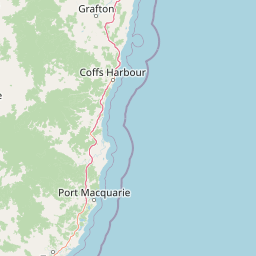
Maria National Park landscape and geographic character
The park occupies a low-elevation coastal landscape typical of the Manning-Hastings region in northern New South Wales. The terrain consists largely of gentle slopes and flat areas at roughly 33 metres above sea level, with the landscape shaped by the broader coastal plain that extends along this section of the New South Wales coast. The proximity to the coast influences both the vegetation patterns and the soil characteristics of the area, with coastal soils supporting distinctive plant communities adapted to slightly saline conditions and periodic inundation.
Maria National Park ecosystems, habitats, and plant life
Maria National Park forms part of the Hastings-Macleay Important Bird Area, which encompasses a mix of coastal wetlands, estuaries, woodlands, and forests that together create diverse habitat conditions. The broader region supports significant populations of waterbirds including ducks, swans, herons, and shorebirds that utilise the wetland areas for feeding and breeding. The mosaic of forested and open habitats also supports woodland bird species typical of the NSW coastal slopes.
The coastal position of the park places it within a transition zone between maritime and terrestrial environments, where influences from the Pacific Ocean and adjacent ranges combine to create conditions favourable to diverse flora and fauna. The importance of the broader Hastings-Macleay region for birdlife reflects the presence of extensive wetlands, the regularity of seasonal rains, and the connectivity of habitats along the coastal corridor.
Maria National Park wildlife and species highlights
The wildlife significance of Maria National Park is closely tied to its Important Bird Area designation, which indicates the presence of bird species of conservation concern within the broader region. The coastal wetlands and surrounding woodlands provide habitat for various waterbird species, including ducks, grebes, and herons that inhabit the shallow wetland areas. Woodland birds including honeyeaters, parrots, and flycatchers occupy the forested portions of the park and surrounding landscapes.
The broader Hastings-Macleay region supports over 180 bird species, with significant populations of both resident and migratory birds. Seasonal migrations bring additional species to the coastal wetlands, particularly during autumn and spring when many species move between breeding and non-breeding areas. The mix of coastal, wetland, and woodland environments within and adjacent to the park creates conditions that support this diverse bird community.
Maria National Park conservation status and protection priorities
The inclusion of Maria National Park within the Hastings-Macleay Important Bird Area represents its primary conservation significance at a national level. Important Bird Areas are identified based on criteria including the presence of globally threatened species, the existence of restricted-range species, and the importance of sites for migratory birds. The designation of the Hastings-Macleay region as an IBA reflects the ecological quality of its wetlands and the critical role these habitats play in supporting bird populations.
As a Category II national park, Maria National Park is managed primarily for ecosystem conservation while also providing opportunities for visitor enjoyment and environmental interpretation. The park contributes to the state's protected area network, which collectively aims to preserve representative examples of Australia's diverse ecosystems and the species they support.
Maria National Park cultural meaning and human context
The source material does not provide specific information regarding indigenous heritage or cultural significance associated with Maria National Park. The broader Mid North Coast of New South Wales contains sites of Aboriginal cultural importance, and many protected areas in the region encompass landscapes that have been part of Aboriginal land management systems for thousands of years. However, without specific source material documenting cultural context for this particular park, this field is left unsupported.
Top sights and standout views in Maria National Park
Maria National Park's standout feature is its designation as part of the Hastings-Macleay Important Bird Area, which identifies the coastal region as nationally significant for bird conservation. The park provides protected habitat within a network of wetlands and woodlands that support diverse birdlife. Its coastal location in the Mid North Coast places it within one of New South Wales' more biologically diverse regions, where the combination of maritime climate, wetlands, and forested catchments creates favourable conditions for wildlife. The park offers opportunities for visitors to experience coastal NSW environments while contributing to broader conservation outcomes for the region.
Best time to visit Maria National Park
The source material does not provide specific seasonal guidance for visiting Maria National Park. Generally, the cooler months from autumn through to early spring in New South Wales offer comfortable conditions for outdoor activities in protected areas, though specific visitation recommendations would require additional source material about access, facilities, and seasonal conditions within the park.