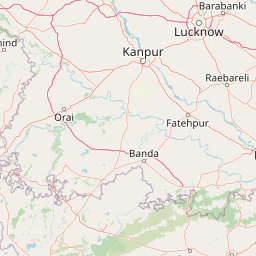
Why Nawabganj Bird Sanctuary stands out
Nawabganj is best known as a wintering ground for migratory waterfowl, many of which arrive after crossing the Himalayas from regions far to the north. Visitors and birdwatchers value the sanctuary for the mix of greylag goose, pintail, mallard, coot, gadwall, shoveller, cotton teal, and red-crested pochard that congregate on the lake during the cold months, alongside resident species such as sarus crane, painted stork, peafowl, white ibis, and jacanas. The sanctuary's identity is also shaped by its recognition as a Ramsar Wetland, which highlights the international value of its lake, marsh, and reed habitats. The combination of open water, wetland margins, and small wooded patches supports reptiles, deer, and a rich bird community, making the site a compact but ecologically layered refuge in the Indo-Gangetic plain.

Nawabganj Bird Sanctuary history and protected-area timeline
Nawabganj Bird Sanctuary developed around a natural lake and its surrounding wetlands in the Unnao district of Uttar Pradesh, gradually taking shape as a protected bird habitat as its value for migratory waterfowl became apparent across the late twentieth century. The site became one of several recognized wetlands of northern India, gaining popularity among birdwatchers during the winter months when large numbers of migratory species arrived from across Central Asia and beyond.
In 2015 the sanctuary was officially renamed Shahid Chandra Shekhar Azad Bird Sanctuary, honoring the Indian revolutionary leader and reflecting a desire to attach a more prominent cultural identity to the protected site. The renaming aligned the park with broader patterns of Indian protected areas being associated with nationally significant historical figures, without changing its core ecological function.
The sanctuary received its most important international designation on 19 September 2019, when it was listed as a Ramsar Wetland under reference number 2412. This recognition formally acknowledged its role as a wetland of international importance, particularly for migratory waterbirds, and reinforced its standing within the national network of Indian Ramsar sites. Today it is administered under the Government of India as an IUCN Category IV habitat and species management area, with continued attention to balancing bird conservation, visitor access, and local habitat management.
Nawabganj Bird Sanctuary landscape and geographic character
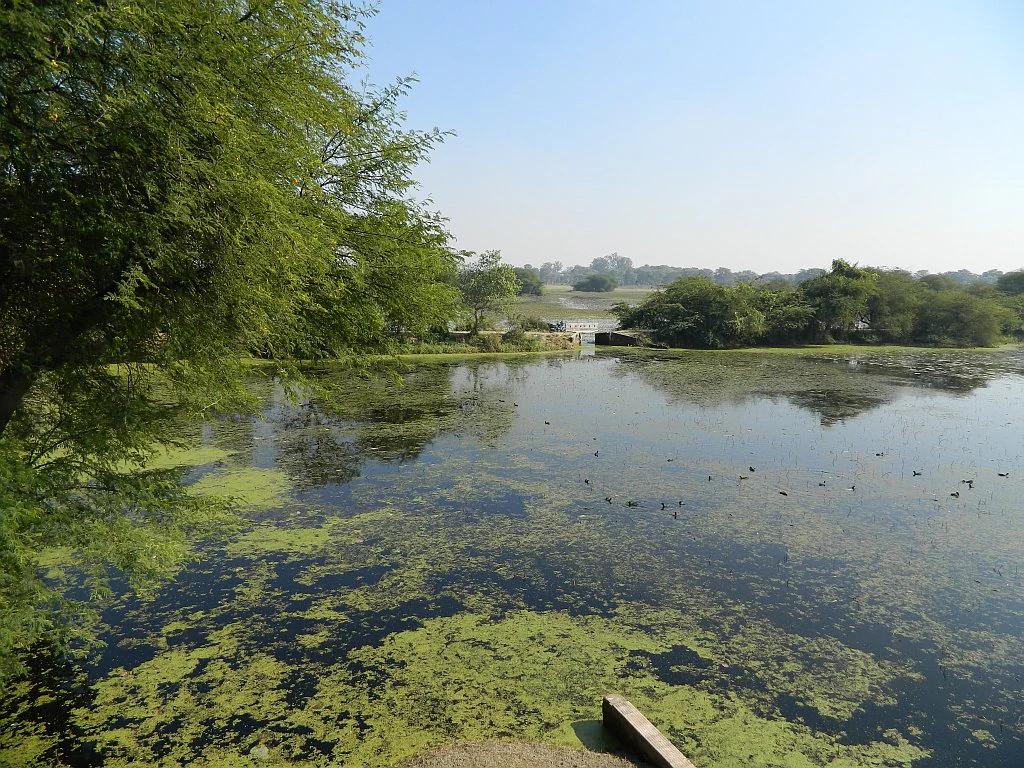
The landscape of Nawabganj Bird Sanctuary is defined primarily by its freshwater lake, which forms the hydrological heart of the protected area. The lake has open water sections that expand and contract with seasonal rainfall, bordered by shallow margins, reedy edges, and patches of floating and emergent vegetation that are vital for feeding and roosting waterbirds. Beyond the immediate shoreline, the terrain transitions into flatter sections of grassland, scrub, and dry land that frame the wetland and provide habitat for ground-feeding birds and smaller mammals.
The broader setting lies on the alluvial plain typical of Uttar Pradesh, characterized by gentle topography and agricultural land. Although the sanctuary itself is a relatively focused wetland patch, it sits within a wider landscape of farmlands, rural settlements, and road networks, with the Kanpur-Lucknow highway passing close by. This proximity shapes both the visitor experience and the conservation context, since the lake and its margins function as a green refuge amidst an otherwise heavily used rural-urban corridor.
Watchtowers within the sanctuary offer elevated vantage points for observing the lake, its birdlife, and the surrounding reed beds and marshy zones. Boating on the lake is part of the visitor experience, allowing closer views of waterfowl, waders, and the wetland edges. The combination of open water, reed cover, dry flats, and small wooded patches gives the sanctuary its characteristic layered scenery, in which aquatic and terrestrial elements blend within a relatively compact footprint.
Nawabganj Bird Sanctuary ecosystems, habitats, and plant life
Ecologically, Nawabganj Bird Sanctuary is a freshwater wetland system embedded in the dry-to-moist subtropical climate of the upper Indo-Gangetic plain. The lake and its associated marshy margins, reed beds, and seasonally inundated flats form the core habitat, supporting a community of plants and invertebrates that, in turn, sustain large numbers of waterbirds. The surrounding dry land and scrub provide complementary habitat for resident species that do not depend directly on open water but benefit from the mosaic of vegetation types the sanctuary preserves.
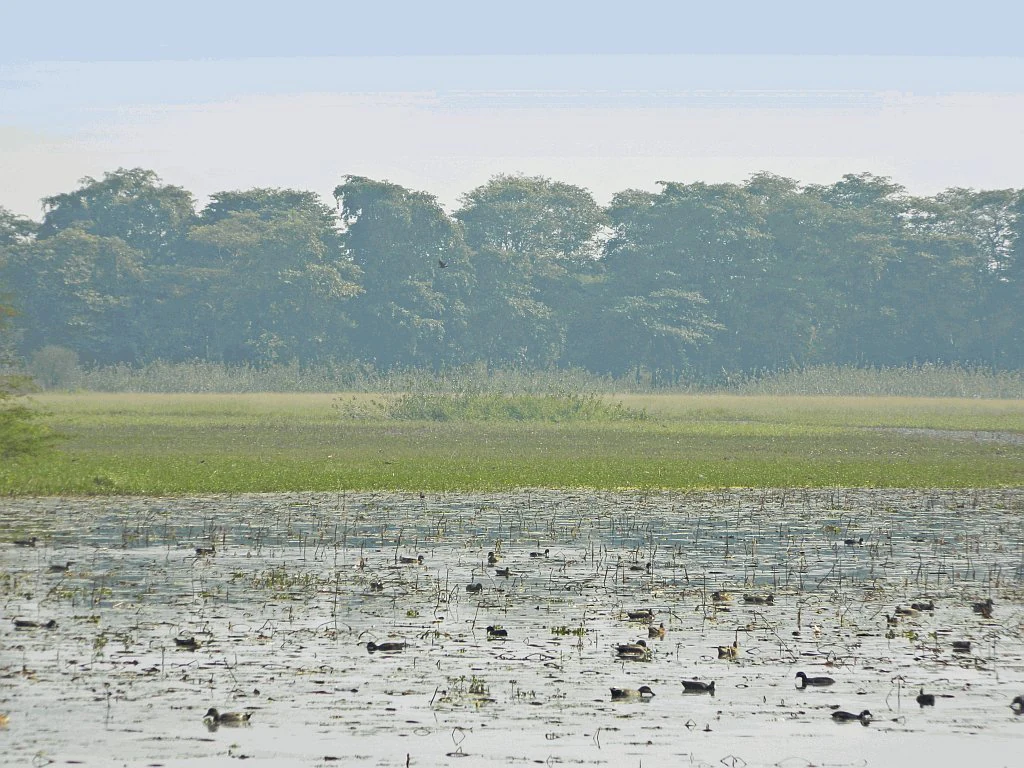
The wetland ecosystem is particularly important for waterfowl, waders, storks, cranes, and a wide range of smaller wetland-dependent birds. The reed beds and emergent vegetation offer nesting cover and feeding opportunities for species such as jacanas, moorhens, coots, and whistling teal. The mosaic of habitats, ranging from open water to grassland and scrub, supports raptors and other birds that hunt across multiple zones, contributing to a layered food web above and around the lake.
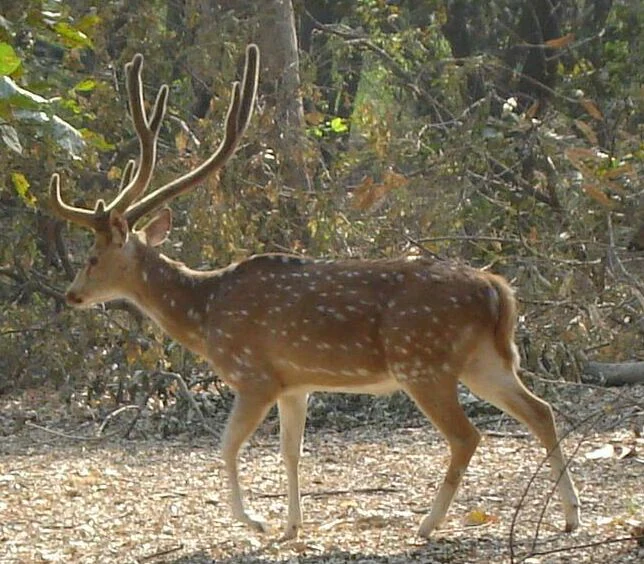
While birds dominate the ecological narrative, the sanctuary's habitat structure also supports reptiles, small mammals, and insects. The wetland margins, damp soil, and vegetated edges create niches for snakes, amphibians, and invertebrates, which collectively sustain the broader food web. The deer park, though managed, extends the habitat offering into the realm of larger mammals, ensuring that the protected area delivers ecological value across multiple wildlife groups rather than focusing solely on avian diversity.
Nawabganj Bird Sanctuary wildlife and species highlights
The wildlife identity of Nawabganj Bird Sanctuary is anchored in its extraordinary bird diversity, which combines resident populations with seasonal migrants from far-flung regions. During winter, the lake fills with migratory waterfowl such as greylag goose, northern pintail, mallard, gadwall, shoveller, cotton teal, red-crested pochard, and coot. Many of these species travel from the Tibetan Plateau, China, Europe, and Siberia, with some individuals flying more than 5000 kilometers and crossing the Himalayas at altitudes above 8500 meters.
The resident and locally migratory bird community adds further depth to the sanctuary's character. Species such as sarus crane, painted stork, peafowl, black-headed ibis, little grebe, lesser whistling duck, open-bill stork, white-necked stork, pheasant-tailed jacana, bronze-winged jacana, purple moorhen, lapwing, tern, vulture, pigeon, black drongo, Indian roller, and bee-eater contribute to a year-round presence of birds across different habitat layers. The presence of raptors and scavengers like vultures highlights the broader ecological role the sanctuary plays in supporting varied feeding guilds.
Beyond birds, the sanctuary hosts a community of reptiles that occupies the wetland edges and surrounding scrub. Cobras, vipers, kraits, ratsnakes, and water snakes are recorded within the protected area, reflecting the suitability of reed beds, damp margins, and vegetated edges for snake populations. The adjacent deer park introduces spotted deer and barking deer into the visitor's wildlife experience, offering an additional, more easily visible mammal component. Together, these species give Nawabganj a multi-layered wildlife profile, with waterbirds as the headline feature but supported by a network of reptiles, mammals, and supporting biodiversity.
Nawabganj Bird Sanctuary conservation status and protection priorities
Nawabganj Bird Sanctuary holds a meaningful place within India's wetland conservation framework, both as a designated Ramsar Wetland and as an IUCN Category IV protected area focused on habitat and species management. Its listing as Ramsar site number 2412 on 19 September 2019 formally recognized the international significance of its lake and marsh habitats, particularly for migratory waterbirds using the Central Asian Flyway. This designation places Nawabganj alongside other globally recognized Indian wetlands and underscores its role in international conservation commitments.
The sanctuary's conservation value lies in its function as a wintering and stopover site for migratory waterfowl, many of which face pressure from habitat loss across their broader range. By maintaining a viable lake ecosystem, reed beds, and surrounding mosaic habitats, Nawabganj helps sustain populations of species that depend on a network of wetlands across thousands of kilometers. The fact that many of these migratory birds historically visited the site but have increasingly shifted to wetlands in Himachal Pradesh and Rajasthan since the 1990s also highlights the ongoing conservation challenge of maintaining habitat quality, water levels, and disturbance control at individual sites.
At a national level, the sanctuary contributes to the protection of resident species, reptiles, and mammals through the maintenance of intact lake margins and adjacent dry land. The deer park adds a managed component to conservation, supporting populations of spotted deer and barking deer in a controlled setting that complements the wild wetland. As an administratively recognized site under the Government of India, Nawabganj sits within the country's wider strategy of combining formal protection, Ramsar recognition, and visitor-oriented management to safeguard its ecological value over the long term.
Nawabganj Bird Sanctuary cultural meaning and human context
The cultural context of Nawabganj Bird Sanctuary is closely tied to its 2015 renaming as Shahid Chandra Shekhar Azad Bird Sanctuary, a tribute to the prominent Indian freedom fighter Chandra Shekhar Azad. The renaming reflects a common pattern in Indian conservation where protected areas are formally associated with nationally significant historical figures, weaving the sanctuary into broader narratives of national identity and patriotic memory. This gives the site a recognizable cultural layer beyond its purely ecological identity as a lake-based bird refuge.
In its regional setting, the sanctuary sits in a part of Uttar Pradesh where wetlands have long supported local livelihoods, agriculture, and rural life. The lake and its surroundings have historically been part of the local landscape used by nearby communities, with the formal protected status of the area representing a more recent conservation overlay on a long-standing natural feature. Visitor infrastructure such as the guesthouse, restaurant, children's park, and boating facilities reflects an effort to make the sanctuary relevant to local visitors, families, and educational outings, embedding it within everyday regional life.
The sanctuary's accessibility from the Kanpur-Lucknow highway also shapes its cultural role as an easily reachable nature destination for residents of two major Uttar Pradesh cities. This proximity has helped maintain its popularity as a place for school trips, family outings, and birdwatching visits, reinforcing its position as both a conservation site and a familiar regional landmark.
Top sights and standout views in Nawabganj Bird Sanctuary
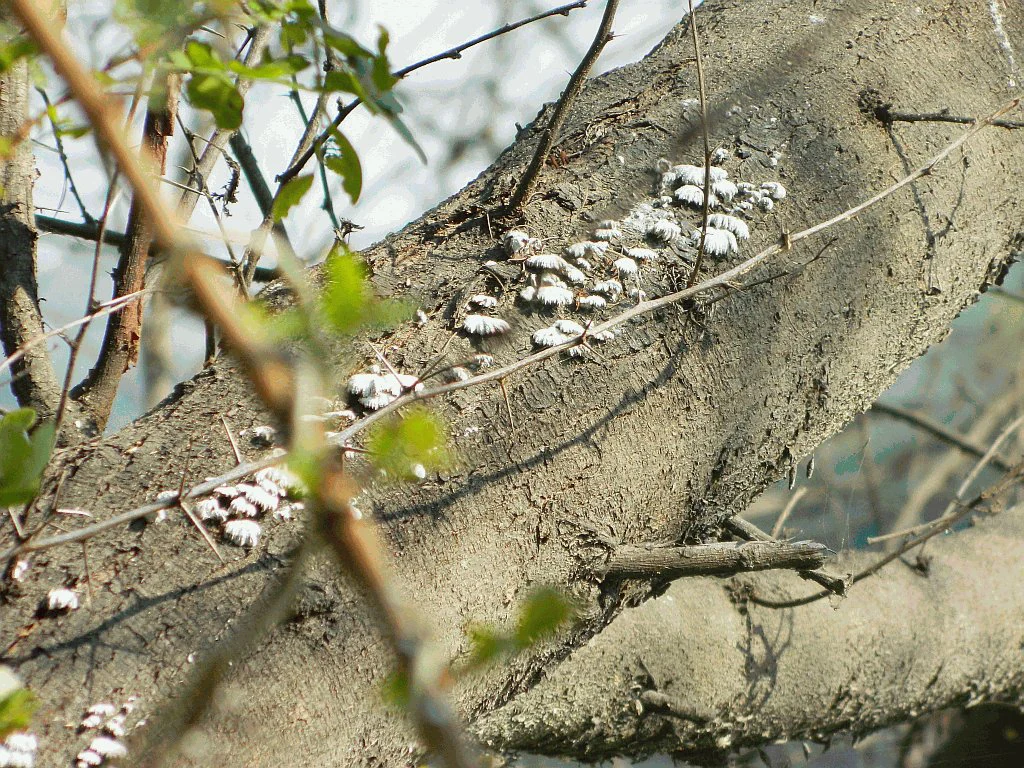
The most distinctive highlights of Nawabganj Bird Sanctuary are its Ramsar-recognized lake ecosystem, its role as a wintering ground for long-distance migratory waterfowl, and its compact but layered mix of aquatic and terrestrial habitats. The sanctuary's combination of a productive freshwater lake, reed beds, marshy margins, and surrounding dry land allows it to support hundreds of bird species, including greylag goose, pintail, mallard, coot, sarus crane, painted stork, and jacanas, within a relatively small footprint.
Supporting features such as watchtowers, boating on the lake, an on-site guesthouse, and a managed deer park with spotted and barking deer extend the visitor experience and help frame the sanctuary as an accessible, family-friendly introduction to wetland conservation. Together, these elements highlight why Nawabganj continues to be regarded as a meaningful wetland refuge on the Indo-Gangetic plain.
Best time to visit Nawabganj Bird Sanctuary
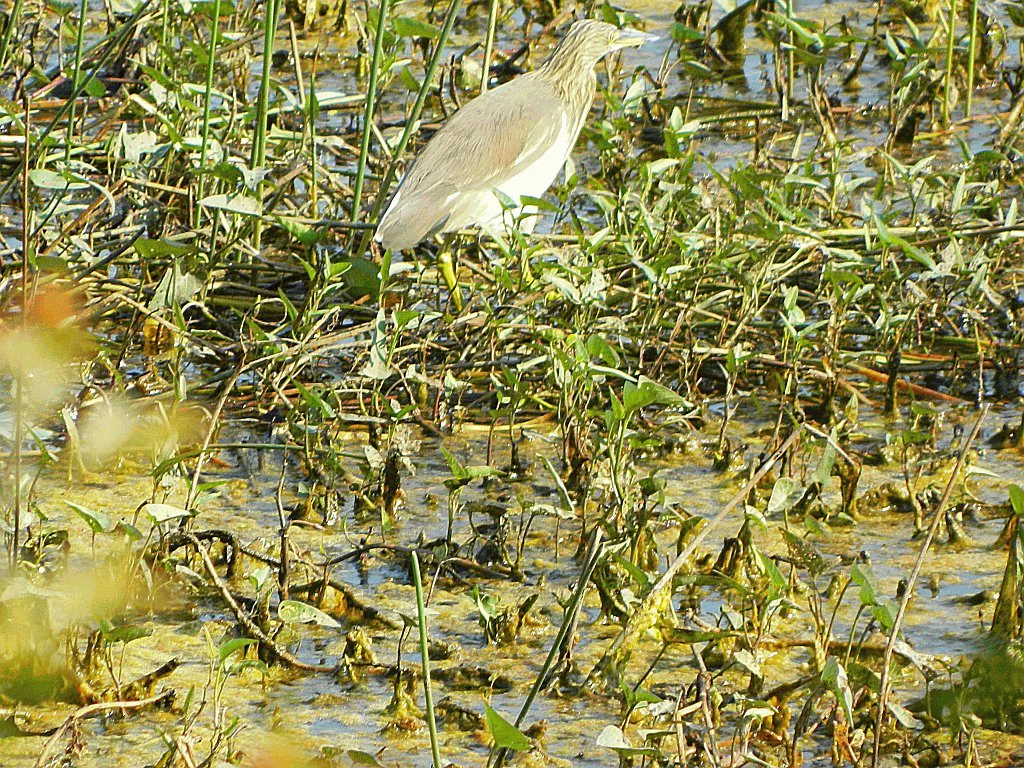
Winter is the most notable season at Nawabganj Bird Sanctuary, when migratory waterfowl from Central Asia, Tibet, China, Europe, and Siberia arrive on the lake after crossing the Himalayas. The cool months bring large concentrations of greylag goose, pintail, mallard, gadwall, shoveller, coot, and other migratory species, alongside active resident and locally migratory birds such as sarus crane, painted stork, and jacanas, making this the most rewarding period for birdwatching.
Outside the winter season, the sanctuary retains its character as a freshwater lake with reed beds and dry margins, though bird concentrations are lower and the atmosphere is quieter. For visitors primarily interested in boating, scenic wetland views, and a relaxed introduction to the reserve's habitats, the non-winter months still offer a peaceful experience, but those focused on migratory bird spectacle generally find the colder half of the year the most rewarding time to plan a visit.