
Why Northern Tanami Indigenous Protected Area stands out
The Northern Tanami Indigenous Protected Area is best known for combining Indigenous-led land management with the conservation of a very large, remote desert landscape in Central Australia. Its defining feature is the role of Warlpiri Rangers in protecting expansive hummock grasslands and threatened desert wildlife under an Indigenous Protected Area agreement. The reserve is also recognized for its ecological importance as habitat for species of high conservation concern, including the greater bilby, the great desert skink, and the Gouldian finch, all set within the broader context of the Tanami Desert.
Northern Tanami Indigenous Protected Area history and protected-area timeline
The Northern Tanami Indigenous Protected Area was formally dedicated in 2007, creating a large formal conservation estate in the Tanami Desert under Indigenous Protected Area arrangements between the Warlpiri people and the Australian Government.
Indigenous Protected Areas are established through voluntary agreements and become part of Australia's National Reserve System. In the case of the Northern Tanami, the area is overseen through the Central Land Council's ranger program, with the Warlpiri Rangers operating as the principal on-ground managers.
Prior to and following dedication, the IPA's history has also been shaped by mineral exploration interest across parts of its landscape. The Groundrush gold mine was historically located within the protected area, and although mining is no longer active there, numerous mineral exploration licences have covered portions of the IPA. Today, the reserve's history is primarily one of conservation, Aboriginal land management, and ongoing efforts to maintain cultural and natural values in a remote desert environment.
Northern Tanami Indigenous Protected Area landscape and geographic character
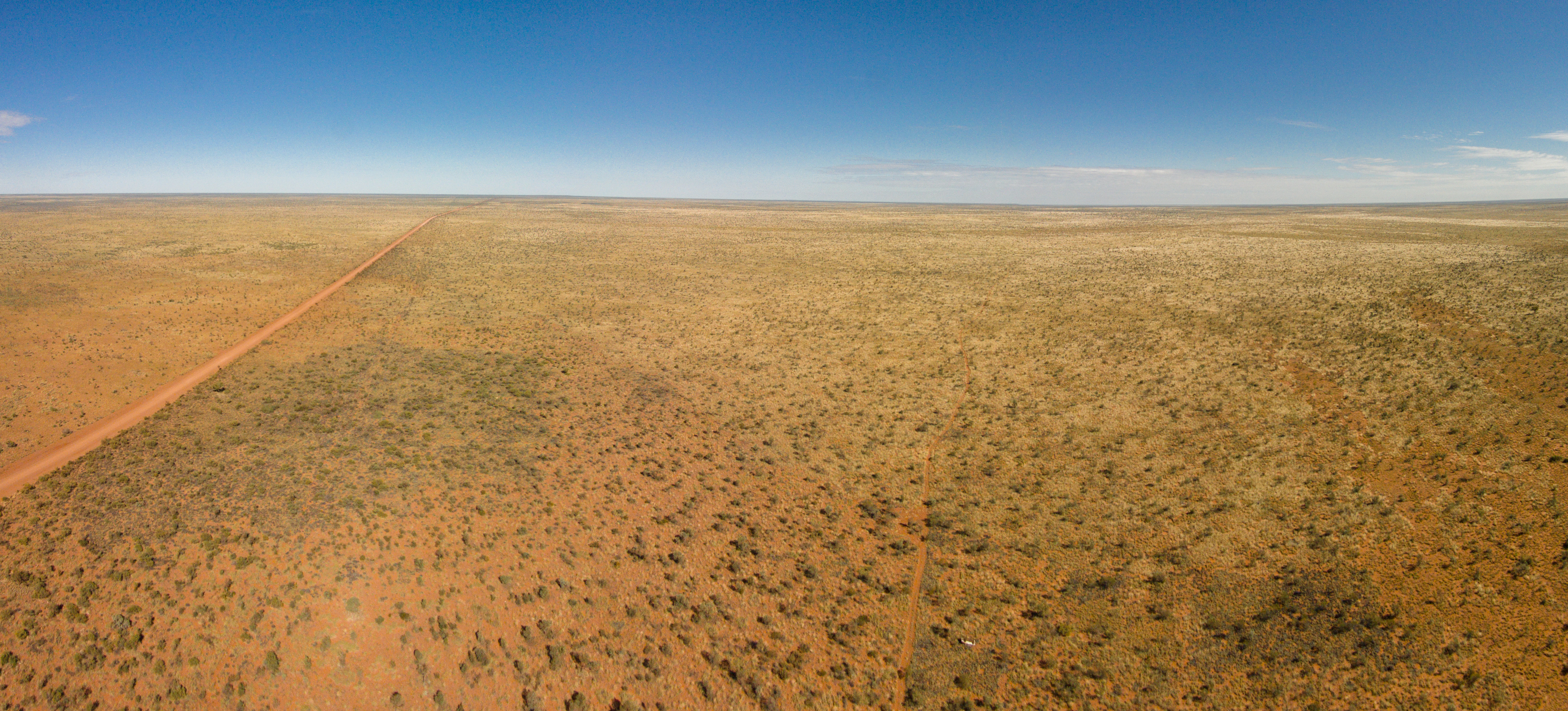
The Northern Tanami Indigenous Protected Area occupies a vast section of the Tanami Desert, one of Australia's significant interior desert regions. The terrain reflects classic features of the Central Australian arid zone, shaped by long processes of wind and seasonal rainfall into broad sandplains and dune systems.
Vegetative structure across much of the reserve is defined by extensive hummock grasslands, a landscape signature that gives the region its distinctive appearance and ecological function. These grasslands roll across the desert in a near-continuous cover, broken by other arid land forms and seasonal drainage features typical of the Tanami.
The result is a sweeping, sparsely vegetated desert landscape of low relief and wide horizons, dominated by the textural pattern of spinifex and other hummock-forming grasses. The scale and continuity of this environment are defining elements of the Northern Tanami experience and a core reason for the area's ecological significance.
Northern Tanami Indigenous Protected Area ecosystems, habitats, and plant life
Ecologically, the Northern Tanami IPA is anchored in the hummock grasslands that dominate the Tanami Desert environment. These grasslands form a continuous structural mosaic that supports the broader desert ecosystem, providing habitat structure, food resources, and shelter for a range of arid-zone species.
The climate regime is subtropical, with strongly contrasted wet and dry seasons that shape almost every aspect of the ecosystem. Seasonal rainfall pulses trigger temporary productivity in plants and animals, while the long dry periods test the resilience of resident species and reinforce the importance of intact native habitat for survival.
Beyond grasslands, the protected area includes the broader mosaic of Tanami desert habitats, ranging from open sandplains to areas of denser shrub and small woodland patches that occur along drainage lines and other favored zones. The combination of intact vegetation, remoteness, and Aboriginal-led management gives the IPA substantial ecological value within Australia's desert conservation estate.
Northern Tanami Indigenous Protected Area wildlife and species highlights
The Northern Tanami Indigenous Protected Area supports a community of native fauna adapted to the demanding conditions of the Tanami Desert. Among its wildlife, several species of national conservation concern stand out. The greater bilby, known locally as walpajirri, is a vulnerable species that depends on the intact desert landscapes protected within the IPA.
The great desert skink, or warrarna in local language, is another vulnerable species of significance for the protected area. Its presence reflects the role of undisturbed sandy desert habitats and burrow systems, which are vulnerable to disturbance from wildfire, invasive animals, and land use change.
The endangered Gouldian finch is also recorded in the reserve, adding a striking element of birdlife to the otherwise quiet desert fauna profile. Its occurrence connects the Northern Tanami IPA to broader conservation efforts for this species across northern Australia. Together, these species illustrate both the fragility and the conservation importance of the area's wildlife.
Northern Tanami Indigenous Protected Area conservation status and protection priorities
Conservation significance is a defining feature of the Northern Tanami IPA. As a dedicated Indigenous Protected Area, it contributes directly to Australia's National Reserve System and represents a major commitment to long-term protection of desert environments in Central Australia.
The Aboriginal-led management model is itself a central conservation feature. Through the Warlpiri Rangers and the Central Land Council's ranger program, Indigenous ecological knowledge is integrated with mainstream conservation approaches, supporting more holistic and culturally grounded stewardship of Country.
Management efforts focus on addressing key threats to the desert ecosystem, including wildfire, invasive plants, and feral animals. Controlling these pressures is essential to maintaining habitat for vulnerable and endangered species such as the greater bilby, the great desert skink, and the Gouldian finch, and to preserving the vast hummock grasslands that underpin the region's ecological character.
Northern Tanami Indigenous Protected Area cultural meaning and human context
The Northern Tanami Indigenous Protected Area is held and managed as Warlpiri Country, reflecting deep Aboriginal connections to the Tanami Desert landscape. The reserve's establishment as an Indigenous Protected Area is itself an expression of Aboriginal land management traditions being applied to a vast contemporary conservation estate.
Cultural authority is exercised through the Warlpiri Rangers, who operate under the Central Land Council's ranger program. Their work consciously combines Yapa, or Aboriginal, knowledge with Kardiya, or non-Aboriginal, approaches, recognizing that ecological and cultural outcomes in the IPA are deeply intertwined.
The wider cultural significance of the area is also reflected in its traditional ecological vocabulary for key species, such as walpajirri for the greater bilby and warrarna for the great desert skink. These names are more than labels; they are part of the living cultural knowledge that informs how the IPA is understood and managed.
Top sights and standout views in Northern Tanami Indigenous Protected Area
The Northern Tanami Indigenous Protected Area stands out for its sheer scale, its desert ecosystems, and its Indigenous-led management model. Covering 40,050 square kilometers of Warlpiri-managed land in the Tanami, it is one of the largest Aboriginal-administered conservation areas in Central Australia.
Key distinctions include its formally recognized role within Australia's National Reserve System, the dominance of extensive hummock grasslands in its ecology, and its importance for threatened species like the greater bilby, great desert skink, and Gouldian finch. Active management by Warlpiri Rangers addressing wildfire, weeds, and feral animals adds a further layer of significance, combining cultural authority with on-ground conservation outcomes.
Best time to visit Northern Tanami Indigenous Protected Area
The Northern Tanami IPA experiences a subtropical climate with sharply distinct wet and dry seasons, and this seasonal difference is the primary factor shaping the character of any visit to the surrounding region. The wet season brings rainfall and seasonal transformation of the desert landscape, while the dry season offers cooler, more stable conditions and is generally associated with easier overland movement and wildlife observation.
Because the protected area is large, remote, and managed primarily for Aboriginal-led conservation rather than mass tourism, any visit would typically depend on seasonal conditions, access arrangements, and engagement with Traditional Owners. Visitors interested in the IPA's ecosystems are likely to find the dry season most suitable for experiencing desert conditions, while the wet season transforms the landscape into a period of ecological renewal, with implications for everything from vegetation cover to animal activity.