Why Lago di Alviano Nature Reserve stands out
The reserve is best known for its extraordinary importance as a stopover and wintering site for migratory waterbirds, a function that emerged naturally after the artificial lake became progressively shallower and more marsh-like. Ducks, herons, egrets, cormorants, grebes, spoonbills, and marsh harriers are among the species that give the oasis its distinctive ornithological character. Equally notable is the extensive hygrophilous, or moisture-loving, woodland along the water's edge, which is among the largest of its kind in central Italy. The combination of open marshy water, dense reedbeds of Phragmites australis, and floodplain forest dominated by alder, poplar, and willow makes the site a textbook example of a recovering Mediterranean lowland wetland ecosystem built around a regulated river reservoir.
Lago di Alviano Nature Reserve history and protected-area timeline
The history of the Lago di Alviano Nature Reserve is closely tied to twentieth-century infrastructure and the long-term ecological transformation that followed. In 1963, a dam was built across the Tiber River near Alviano in order to regulate the discharge of the upstream Lago di Corbara and to exploit the river's flow for hydroelectric energy production, marking the creation of the artificial lake that still defines the area today.
Over the following years, the shallow reservoir experienced progressive silting and shallowing, with average depths settling at only around thirty centimeters. What began as an unintended environmental side effect gradually turned into a major ecological opportunity: the marsh-like conditions attracted thousands of migratory birds, transforming the lake into a significant wetland refuge on a regional and national scale.
Recognizing the growing ornithological importance of the site, local authorities, together with WWF Italia and the energy company Enel, decided in 1990 to formally establish the Oasi naturalistica di Alviano. The move reframed a degraded industrial reservoir as a protected natural area managed for conservation, research, and education, anchoring the site's identity as a wetland oasis while preserving its underlying river and dam infrastructure.
Lago di Alviano Nature Reserve landscape and geographic character
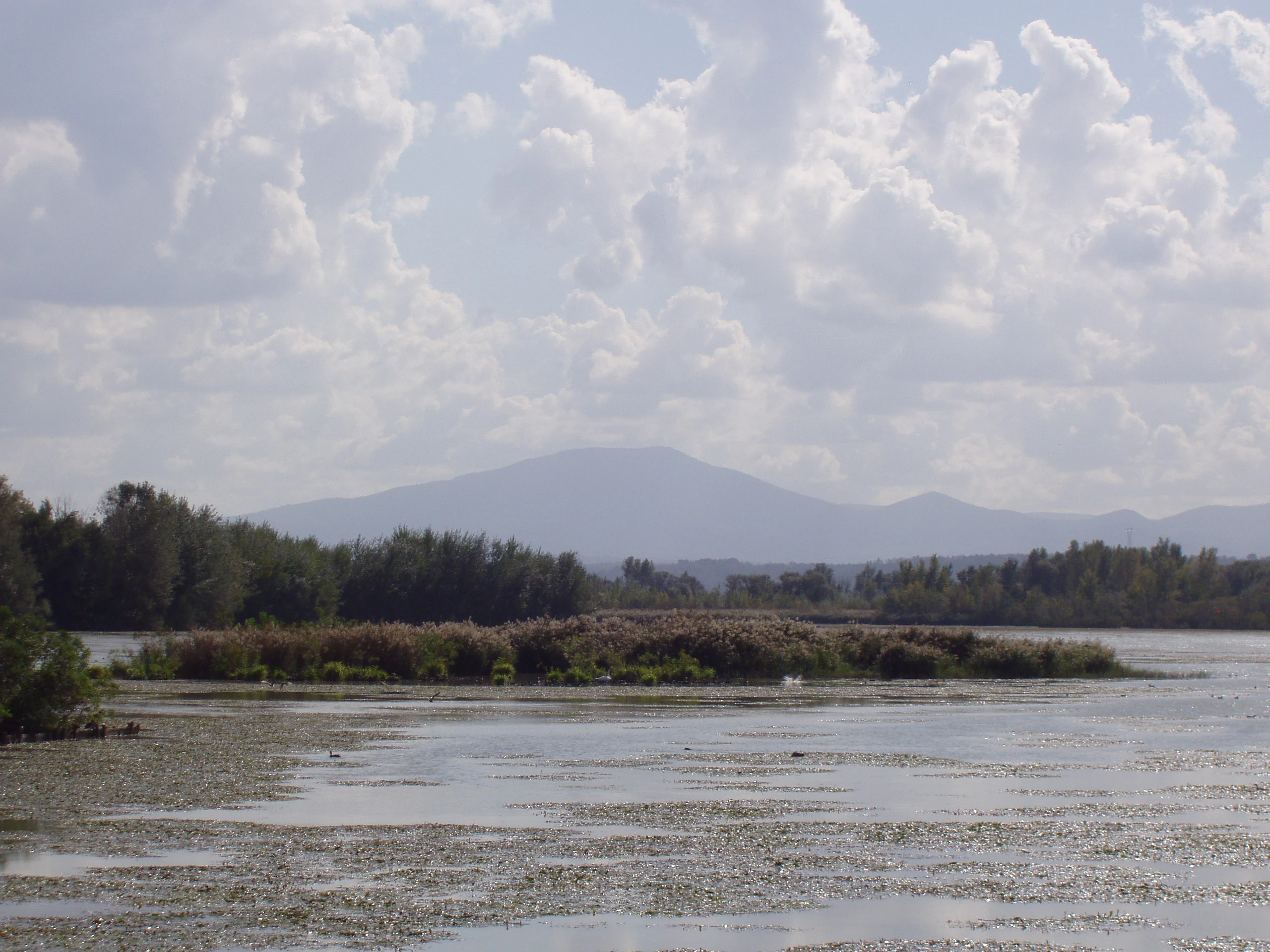
The landscape of the Lago di Alviano Nature Reserve is shaped by water. Approximately 900 hectares of land surround roughly 400 hectares of open water and marsh, producing a wide, flat wetland mosaic set within the broader Tiber Valley. The shallow basin, averaging only about thirty centimeters in depth, gives the water a calm, mirror-like quality, broken by channels, reed islands, and patches of floating and submerged vegetation.
Around the marshy fringes, the vegetation transitions into one of the largest hygrophilous woodlands of central Italy, dominated by black alder, poplars, and willows, often draped with ivy. Beyond this riparian edge, the surrounding Umbrian countryside rolls into low hills and agricultural land, creating a gentle, open backdrop that emphasizes the flatness and openness of the wetland core. The reserve also features constructed landscape elements such as elevated walkways and observation towers that allow close contact with the water without disturbing the habitat.
Lago di Alviano Nature Reserve ecosystems, habitats, and plant life
Ecologically, Alviano represents a textbook example of a Mediterranean lowland wetland that has matured from an artificial reservoir into a complex mosaic of habitats. The shallow waters support extensive beds of submerged aquatic plants, including species of Potamogeton, Najas, and Ceratophyllum, which collectively stabilize sediment, oxygenate the water, and provide nursery habitat for invertebrates and fish.
Around and emerging from these open waters are dense reedbeds formed by Phragmites australis, Europe's most common large wetland grass. These reedbeds act as the structural backbone of the reserve, offering shelter and nesting sites for a wide array of waterbirds while filtering the water and protecting the banks from erosion.
Along the wet margins, the hygrophilous woodland represents one of the most ecologically significant features of the oasis. Black alder, poplar, and willow create a multistoried canopy that tolerates seasonal flooding, while ivy carpets the lower trunks and branches. This combination of aquatic, marshy, riparian, and semi-dry habitats within a relatively small territorial footprint gives Alviano an unusually high habitat diversity for an inland central Italian reserve.
Lago di Alviano Nature Reserve wildlife and species highlights
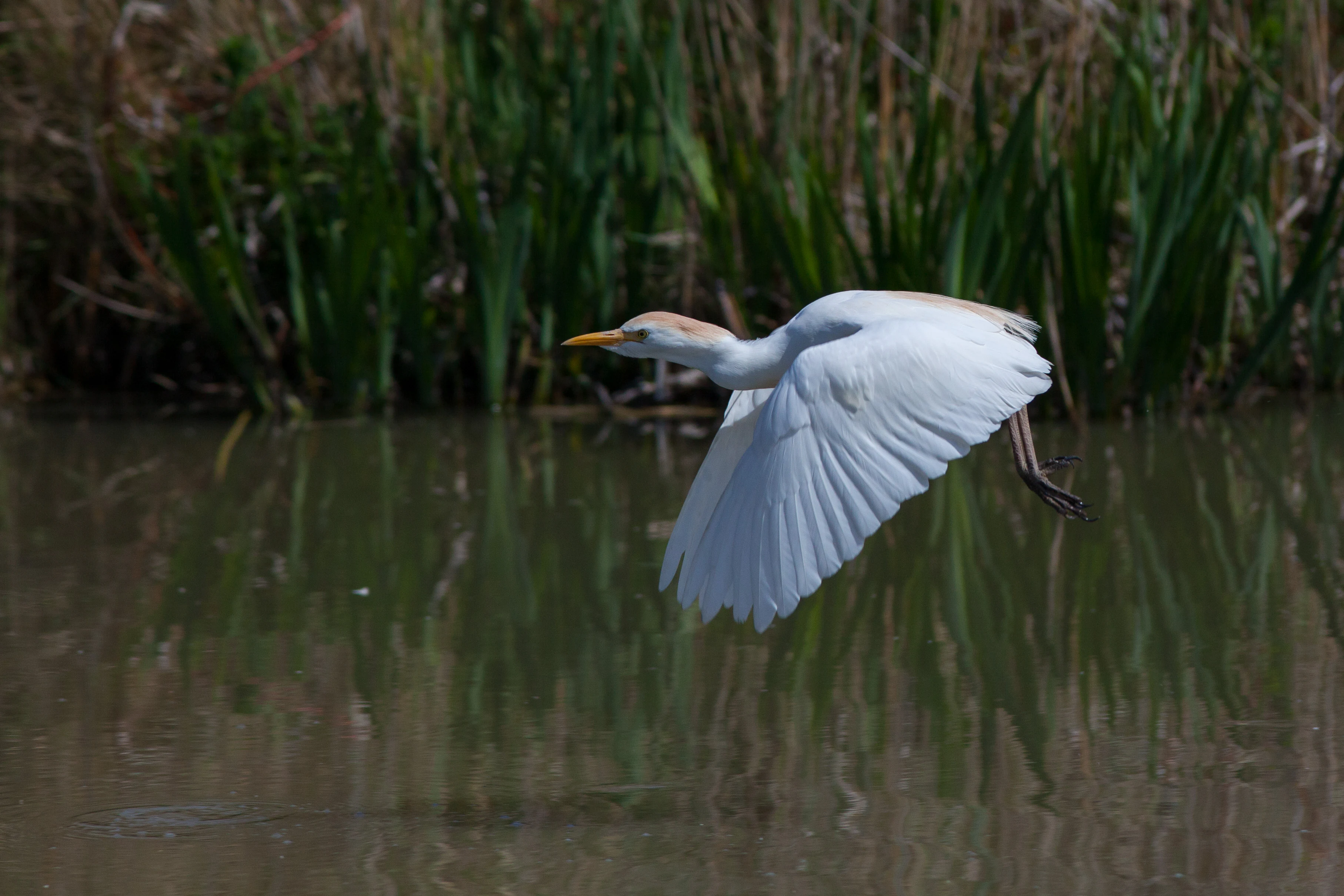
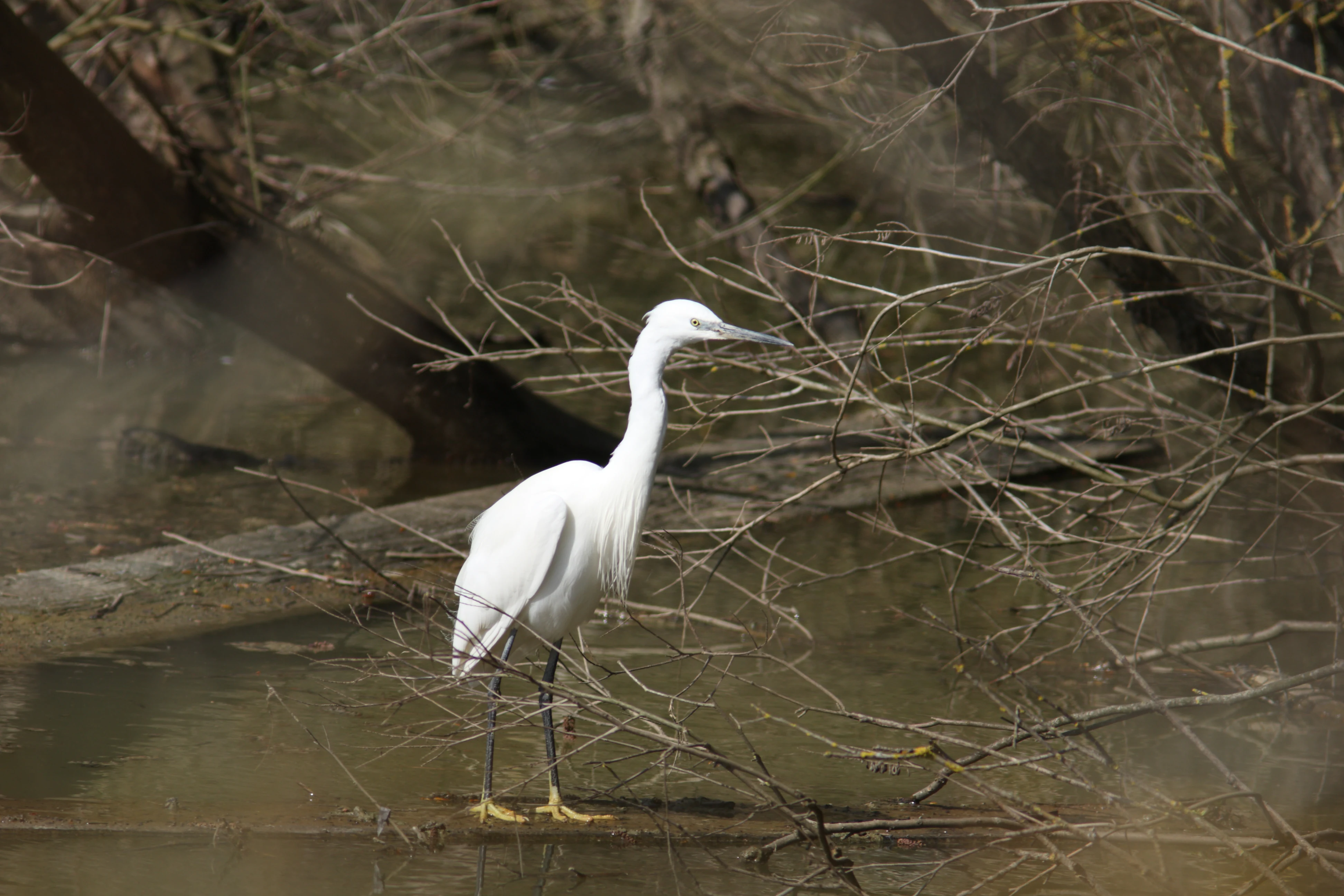
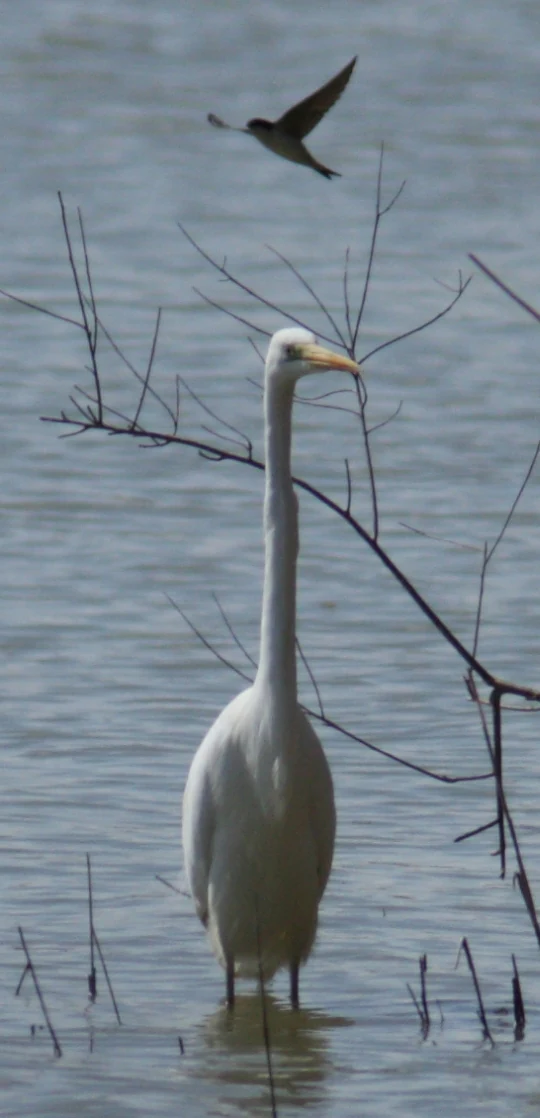
Wildlife at Lago di Alviano is dominated by birds. The lake functions as a major stopover, wintering, and breeding site for waterbirds, with regular sightings of multiple duck species including mallard, Eurasian teal, northern shoveler, and Eurasian wigeon. Grebes and cormorants are common, while herons are particularly characteristic of the reserve, with regular presence of great egret, little egret, grey heron, and cattle egret. Rare and sensitive species such as bittern and little bittern find refuge in the reedbeds, and the site also attracts black-tailed godwit and spoonbill.
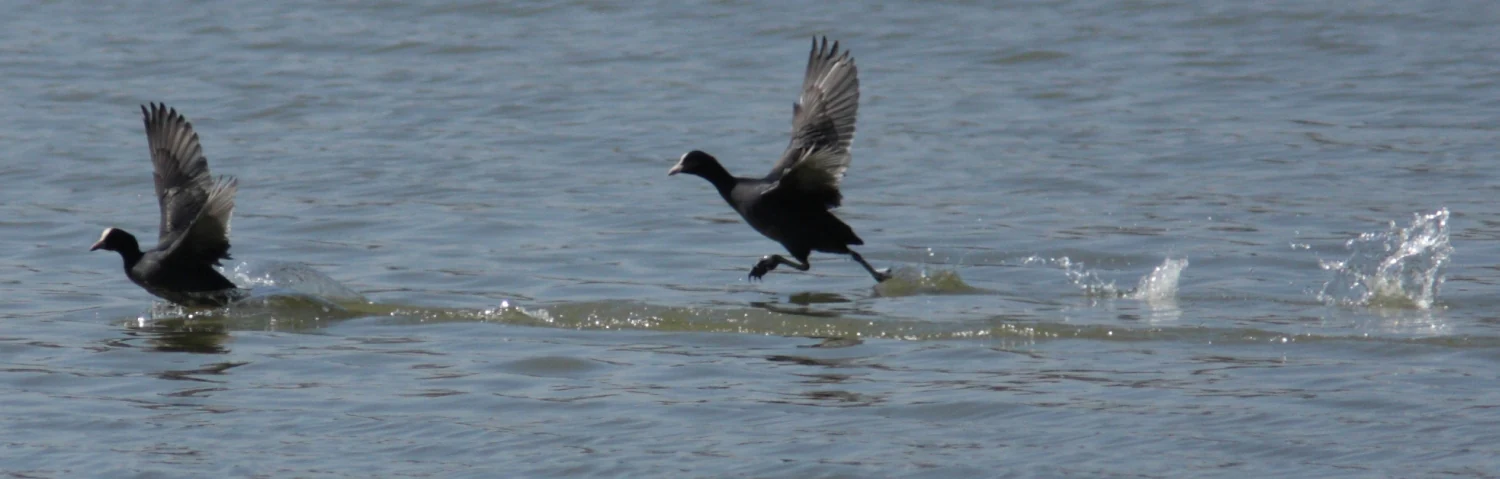
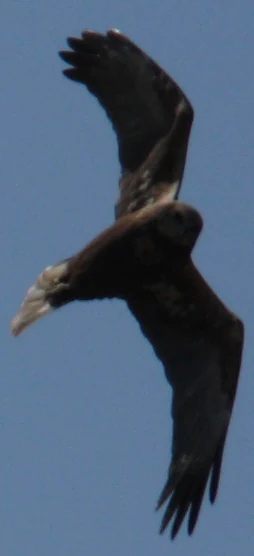
Waders and smaller wetland species are well represented too, with coots being one of the most visible residents, alongside flocks of swallows and a rich passerine community that includes Eurasian siskin and various thrushes. The reserve also supports notable raptors, including marsh harrier, which hunts over the reeds, and osprey, which uses the lake and the broader Tiber corridor as productive fishing grounds.
Beyond birds, the surrounding woodland and drier fringes host a typical central Italian mammal assemblage. Coypu, European badger, crested porcupine, red fox, wild boar, and squirrels are all documented within the reserve, contributing to a mammal community that, while not the main attraction, adds ecological completeness to the wetland ecosystem.
Lago di Alviano Nature Reserve conservation status and protection priorities
From a conservation perspective, the Lago di Alviano Nature Reserve holds a particularly strong position. It lies within a Site of Community Importance under the European Natura 2000 network, designated SIC IT5220011, and also carries the status of a Special Protection Area, designated ZPS IT5220024, reflecting its value both for habitat conservation and for the protection of migratory and breeding birds.
The reserve is further embedded in the Parco fluviale del Tevere, a river-based conservation strategy that connects Alviano with Lago di Corbara and the Gole del Forello, allowing coordinated management of habitats and species across a long stretch of the Tiber. Managed by WWF Italia, the reserve combines habitat protection with active scientific monitoring and environmental education, using the didactic pond and research activities of the Centro di Educazione Ambientale to maintain ongoing observation of wetland conditions, bird populations, and ecological change.
As a reclaimed industrial reservoir that has become a high-value natural area, Alviano also stands as a successful example of how engineered river infrastructure can be reframed as a conservation asset when shallowing, sedimentation, and ecological succession are recognized and managed as opportunities rather than problems.
Lago di Alviano Nature Reserve cultural meaning and human context
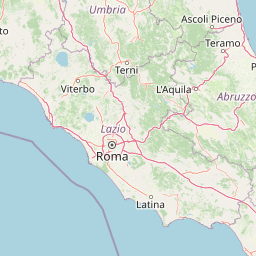
The reserve's cultural setting is rooted in the rural Umbrian landscape of the mid-Tiber Valley, a region shaped for centuries by agriculture, small hilltop towns, and close human ties to the river. The municipalities of Guardea, Alviano, Montecchio, and Civitella d'Agliano that surround the oasis each contribute a piece of this agricultural and small-village identity, with the hamlet of Madonna del Porto serving as the gateway community for visitors.
The transformation of an energy-producing dam into a community-protected wetland also reflects a wider Italian shift in how artificial landscapes are valued, moving from purely utilitarian use toward recognition of their ecological and educational potential. The on-site Centro di Educazione Ambientale extends this idea into local culture and schools, embedding the wetland into regional educational and civic life.
Top sights and standout views in Lago di Alviano Nature Reserve
A wetland of European significance built on a 1960s hydroelectric reservoir; one of central Italy's largest hygrophilous woodlands, with black alder, poplar, and willow; a key stopover and breeding site for ducks, herons, cormorants, spoonbills, and marsh harriers; observation towers, boardwalks, and a Roman-style pedestrian network over the water; ongoing scientific research and environmental education through the Centro di Educazione Ambientale "Oasi di Alviano"; part of the broader Parco fluviale del Tevere conservation system.
Best time to visit Lago di Alviano Nature Reserve
The wetland character of the oasis means its appeal shifts meaningfully through the year. Spring and autumn migrations are typically the most rewarding periods for birdwatchers, when waterfowl, herons, and waders stop over in large numbers. Winter brings concentrations of overwintering ducks and other waterbirds, while summer allows warmer, drier conditions along the trails, active breeding birdlife in the reedbeds, and clearer viewing of the lush wetland vegetation. The broad open character of the site means that low-impact walking is generally feasible across the milder seasons, when water levels and ecological activity are at their most expressive.