Why Onezhskoye Pomorye National Park stands out
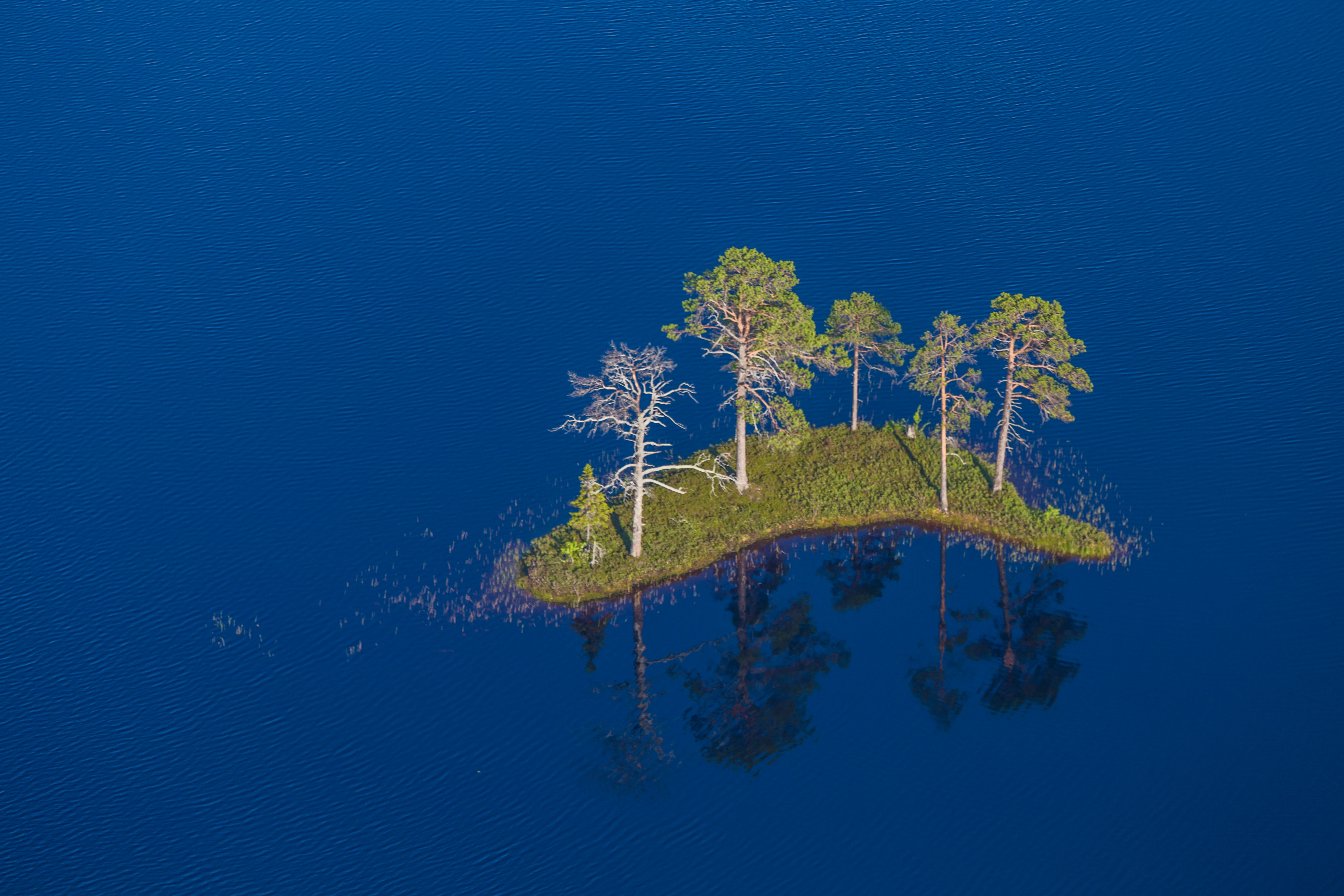
Onezhskoye Pomorye is best known for protecting one of Europe's last large massifs of pristine, sea-facing taiga, a once-widespread northern forest type now reduced to fragments across the continent. This continuous belt of old spruce and pine woodland meeting the marine shore is the park's most distinctive ecological signature. Equally central to its identity is its role as a key migratory bird site on the White Sea-Baltic flyway. Unskaya Bay satisfies international criteria for wetlands of global importance and hosts large seasonal concentrations of waterbirds, while coastal cliffs, dunes, and islands support breeding populations of several rare species. Together with its rare geological outcrops and surviving Pomor cultural landscapes, these features define what makes the park stand out at both the European and the Russian national level.
Onezhskoye Pomorye National Park history and protected-area timeline
The idea of protecting the natural systems of the northern Onega Peninsula took shape in the late 1990s, when organization work for a future national park began in 1997. By 2002 the proposed boundaries had been formally agreed with all landowners, and over the following years the project advanced through public hearings, inter-agency coordination, environmental impact review, and a positive state ecological opinion in 2009.
In 2008 the land plot in its 2007-agreed boundaries was registered in the state cadaster. The final terrestrial area was set at approximately 201,668 hectares of forest and other land across the Onega and Primorsky districts of Arkhangelsk Oblast, combined with a 21,000-hectare marine sector within the previously existing Unskaya regional wildlife refuge. On 26 February 2013, during Russia's nationwide Year of Ecology, the territory was officially designated as a national park, becoming the 45th national park in the country.
The park was created under the 1995 federal law on specially protected natural territories, and its founding document cites the need to conserve natural complexes, restore disturbed ecosystems, and maintain ecological balance on the peninsula. It is managed as part of the federal institution overseeing Kenozersky National Park, building on decades of Russian experience in managing both strictly protected wilderness and inhabited cultural landscapes.
Onezhskoye Pomorye National Park landscape and geographic character
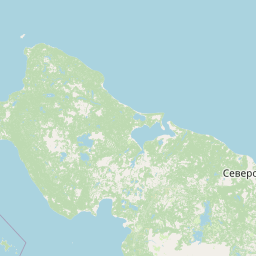
The terrain of Onezhskoye Pomorye reflects the peninsula's position at the contact between the Russian Platform and the Baltic crystalline shield. Although broadly low-lying, the park shows a striking local amplitude of relief: coastal terraces may lie only one or two meters above the sea while the inland Onega moraine ridge rises to roughly 200 meters within about ten kilometers of the shore.
Five of the six landscape districts of northern Onega are represented in the park, an unusually high share given the area's modest size. The highest, cool interior uplands correspond to the Lopshenga and Lyamitsa elevated glacial-plain districts, which together cover more than forty percent of the park and carry most of its old-growth forest cover. Lower, gentler coastal relief belongs to the Unsko-Ukhta and Letne-Zolotitsky glacio-marine lowlands, which wrap the north and west of the peninsula and provide the setting for bays, dunes, and marine terraces.
Along the northwestern Letniy Coast, ancient sea terraces form an escarpment roughly ten to thirty meters above the modern beach, sculptured by wind into ridges and blowouts. Three coastal terrace types succeed one another: narrow rocky beaches, broader undulating terraces with shore ridges, and active dune systems. Glacio-lacustrine plains with kettle holes, eskers, and kame hummocks occupy roughly a third of the peninsula, lending the interior a hummocky, lake-dotted character.
Onezhskoye Pomorye National Park ecosystems, habitats, and plant life
Onezhskoye Pomorye supports a layered mosaic of vegetation shaped by its oceanic margin, its geology, and its northern latitude. Zonal north-taiga spruce and pine communities dominate, accompanied by middle-taiga stands, fragments of larch forest near the village of Lyamtsa, peatland vegetation, dry meadows, and shore-aquatic communities. The peninsula's flora includes more than five hundred vascular plant species, extensive moss and lichen diversity, and a notable presence of relicts such as alpine meadow-grass, false-reed foxtail, and small tofieldia, alongside rarities like Traunsteiner's orchid, the true lady's slipper, and roseroot goldenroot.
Soils follow the same dual template, with podzols and gley-podzols on better-drained sites, bog-podzolic soils across transitional peatlands, oligotrophic peat and lowland peat soils in the mires, and alluvial meadow soils along floodplains. The blanket bogs and string mires act as natural filters, giving even the park's dark-colored rivers exceptional purity and supporting rich salmonid spawning grounds.
Five of six northern Onega landscape districts occur within the park, making it a compact but representative showcase of the region's vegetation patterns. Berry-rich dwarf shrub communities and lichen-rich pine heaths layer over the glacial substrate, while along the coast sparse halophytic and dune communities frame the forests, reinforcing the visual transition from taiga to tundra-like shoreline.
Onezhskoye Pomorye National Park wildlife and species highlights
The fauna of Onezhskoye Pomorye combines elements of European, Siberian taiga, and Arctic biogeographic complexes, reflecting the peninsula's transitional position. Terrestrial mammals include brown bear, pine marten, squirrel, ermine, otter, red fox, mountain hare, wolf, moose, raccoon dog, lynx, wolverine, polecat, and badger, with introduced American mink, muskrat, and beaver now firmly established. Small mammals and insectivores add another sixteen species to the inventory, bringing the terrestrial mammal list to roughly thirty-six species.
Birdlife is exceptionally rich for the latitude. Up to 190 species have been recorded, including breeding osprey and white-tailed eagle, both listed in the Russian Red Data Book, and characteristic taiga grouse such as capercaillie, black grouse, and willow ptarmigan. The White Sea-Baltic flyway turns coastal sites like Unskaya Bay into seasonal gathering places for thousands of waterbirds and shorebirds during spring and autumn migrations.
Marine wildlife contributes a defining chapter of the park's biology. Ringed seal, bearded seal, and Greenland seal occur in coastal waters, while beluga whales visit feeding grounds near the shore; the White Sea is also one of only a handful of places in the world where Greenland seal pups are born each March. Freshwater and anadromous fish include Atlantic salmon, brown trout, sea trout, brook trout, lake trout, whitefish, and inconnu, alongside the rare European freshwater pearl mussel, once a symbol of the Russian North.
Onezhskoye Pomorye National Park conservation status and protection priorities
The park was created explicitly to safeguard natural systems on the Onega Peninsula that had been identified as nationally significant and increasingly vulnerable. Its founding document lists the protection of primordial northern taiga, coastal and peatland complexes, marine habitats of the White Sea, and historic-cultural monuments as concurrent conservation objectives.
A central target is the survival of Russia's old-growth taiga, one of the last sizeable remnants in Europe. This forest type has been reduced to scattered fragments across the continent, and the park's continuous blocks, including tracts that reach the sea, are treated as an irreplaceable reference for the boreal biome. The inclusion of Unskaya Bay in the park and the recognition of its regional refuge status gave the protected area a strong marine component, guaranteeing legal protection for seal haul-outs and beluga feeding areas.
The park also serves as a refuge for species listed in the Russian Red Data Book, including rare breeding birds, certain orchids and other vascular plants, and the European pearl mussel. Environmental review and ecological monitoring of flora, fauna, soils, and water are built into the protected area's mandate, and the territory's relatively untouched state, free of significant industrial pollution, gives baseline conditions for long-term ecological research in northern European Russia.
Onezhskoye Pomorye National Park cultural meaning and human context
The Pomor people have lived along the White Sea coast for centuries, building a distinct maritime culture rooted in seasonal fishing, salt production, and trade routes linking the White Sea to northern European ports. The villages of Letnyaya Zolotitsa, Pushlakhta, and Lyamtsa, among others, are part of this Pomor cultural world, and their surviving landscapes of fishermen's dwellings, chapels, salterns, and traditional tidal fishing grounds are recognized as an integral component of the park's heritage.
Lighthouses at Orlovskiy, Chesmenskiy, and Zhizhgin dot the coast and carry memory of the long history of navigation in the White Sea. Remnants of historical timber, brick, and sawmill operations, including a Pushlakhta sawmill once associated with the Nobel family's industrial activities, reflect the layered economic history of the region. Traces of former special settlements, archaeological finds, and old wooden architecture round out the cultural fabric.
Recognition of these villages as cultural landscapes, places of joint natural and human creation, is built directly into the park's conservation mandate. Protecting the way of life of the resident population is therefore not treated as separate from ecological protection but as part of the same continuous heritage as the taiga, the bays, and the dunes.
Top sights and standout views in Onezhskoye Pomorye National Park
Onezhskoye Pomorye offers a singular combination of intact sea-facing taiga, dynamic White Sea shoreline, and Pomor cultural landscape in a single protected area. The moraine ridges and coastal dunes provide dramatic scenery within short walking distance, while Unskaya Bay delivers exceptional birdwatching across the migratory seasons.
Marine wildlife watching is a defining asset, with regular chances to see ringed and Greenland seals from shore, and seasonal encounters with beluga whales and, in early spring, newborn Greenland seal pups on White Sea ice. Inland, the rivers Zolotitsa and its tributaries, and the forests around them, sustain valuable populations of wild Atlantic salmon and brown trout, drawing particular interest from anglers and naturalists.
Layered on this natural richness are the cultural anchors of the Pomor coast, including historic lighthouses, working coastal villages, traditional fishing grounds, and a globally rare vend-period geological outcrop at Lyamtsa. Together they give visitors a chance to experience marine, terrestrial, geological, and cultural heritage as a single, connected story.
Best time to visit Onezhskoye Pomorye National Park
Seasons strongly shape the impression of Onezhskoye Pomorye. Spring brings the largest concentrations of waterbirds along the flyway, the break-up of sea ice, and the gradual greening of the taiga, creating excellent conditions for birdwatching and coastal walks.
Summer is the most accessible season, with relatively mild temperatures, long daylight hours, the flowering of coastal and forest vegetation, and the possibility of boat-based excursions to view marine mammals and remote beaches. White Sea water temperatures rise modestly, fog is common, and mosquitoes can be intense inland. Autumn turns birch and berry-rich understory into vivid color and brings late-season fish runs, while the quiet of early winter, with snow cover and the return of sea ice, offers a different, austere but striking atmosphere for hardy visitors.