

Mori Atlas logo
National parkOnkaparinga River National Park

Discover the geographic extent and protected boundaries of this national park.

Onkaparinga River National Park: South Australia's Mapped Protected Landscape

Onkaparinga River National Park represents a distinct protected landscape within South Australia, offering users a focused point for geographic discovery. This page serves as the canonical entry for understanding the park's national park designation, its mapped boundaries, and its position within the broader regional geography of South Australia. Explore the atlas context of this protected area to gain a clear understanding of its physical identity and landscape features.

River gorgeEucalypt woodlandSouth AustraliaMount Lofty RangesNative orchidsWalking trails

Onkaparinga River National Park

National park

Park overview

Structured park overview, official facts, and landscape profile for Onkaparinga River National Park

Onkaparinga River National Park park facts, protected area profile, and essential visitor context
Review the core facts for Onkaparinga River National Park, including designation, size, terrain, visitor scale, habitats, and operating context in one park-focused overview.

About Onkaparinga River National Park

Onkaparinga River National Park protects a significant stretch of the Onkaparinga River and its surrounding landscape in the southern Adelaide region. The river, whose name derives from the Kaurna Aboriginal language meaning chief, has carved a spectacular gorge through the ancient rocks of the Mount Lofty Ranges. The park encompasses the floodplain and gorge sections east of Main South Road, creating a natural corridor that threads through the otherwise heavily cleared and farmed agricultural landscape of the Fleurieu Peninsula. The establishment of the national park represented the culmination of decades of land acquisition efforts aimed at preserving the river valley's natural values while providing a buffer between expanding urban areas and productive farmland. Today the park serves multiple roles as a conservation refuge for native species, a recreational destination for Adelaide residents and visitors, and an educational resource for understanding the region's ecological and cultural history.

Quick facts and research context for Onkaparinga River National Park

The park covers an area of 15.42 square kilometres along the Onkaparinga River corridor. It was formally established as a national park in August 1993, with land acquisition beginning in the 1970s. The area holds significant ecological value as one of the few remaining relatively intact river gorge systems in the Mount Lofty Ranges, despite historical clearing for grazing and timber harvesting. The park is managed by South Australia's Department for Environment and Water and features several walking trails traversing the gorge and surrounding ridgelines.

Park context

Deeper park guide and search-rich context for Onkaparinga River National Park

Onkaparinga River National Park history, landscape, wildlife, and travel context
Explore Onkaparinga River National Park through its history, landscape character, ecosystems, wildlife, conservation priorities, cultural context, and seasonal travel timing in a structured park guide built for atlas discovery and search intent.

Why Onkaparinga River National Park stands out

Onkaparinga River National Park is best known for its striking river gorge landscape, where the Onkaparinga River has carved a deep channel through the foothills of the Mount Lofty Ranges. The park preserves remnant patches of native eucalypt forest and woodland, with the Hardy's Scrub section representing the most intact vegetation community. The gorge offers dramatic views from various lookouts, particularly Sundews Lookout, and provides habitat for kangaroos, diverse birdlife, and twenty-seven recorded orchid species. The contrast between the steep rocky gorge walls and the river valley below defines the park's distinctive character.

Onkaparinga River National Park history and protected-area timeline

The land that now comprises Onkaparinga River National Park was acquired by the South Australian State Planning Authority between 1973 and 1977. The acquisition program had three explicit purposes: to provide open space for recreational use, to preserve the natural character of the landscape including native flora and fauna, and to function as a buffer between urban and rural land uses along the full length of the Onkaparinga River. In 1982, the majority of the acquired land was transferred to the then Department for Environment and Heritage, which subsequently established the Onkaparinga River Recreation Park in 1985. The recreation park initially encompassed both the gorge and floodplain areas. In 1993, the land east of Main South Road, comprising the gorge section, was separated from the recreation park and formally constituted as the Onkaparinga River National Park. The area has a longer human history, with the lower reaches of the river having been inhabited by the Kaurna Aboriginal people prior to European settlement, which began around 1840 and led to the rapid displacement of the original inhabitants.

Onkaparinga River National Park landscape and geographic character

The landscape of Onkaparinga River National Park is defined by the dramatic gorge cut by the Onkaparinga River through the foothills of the Mount Lofty Ranges. The river has incised a deep valley with steep rocky walls, creating a distinctive landscape of cliffs, ridgelines, and the watercourse below. The floodplain areas surrounding the river support more gentle terrain, while the surrounding hills rise to form the park's boundaries. Rocky outcrops punctuate the landscape, particularly visible from Sundews Lookout which provides panoramic views across the meandering river and the gorge's convoluted terrain. The park's elevation changes create varied microclimates and aspect, influencing vegetation patterns and contributing to the diversity of habitats within this relatively compact protected area.

Onkaparinga River National Park ecosystems, habitats, and plant life

The vegetation of Onkaparinga River National Park reflects a landscape that has experienced significant historical disturbance, yet retains important remnants of the original Mount Lofty Ranges woodland communities. Despite 160 years of livestock grazing, timber harvesting, and cropping that cleared much of the native understorey, patches of remnant eucalypts persist throughout the reserve. The Hardy's Scrub section represents the most intact area of native vegetation, serving as a crucial refuge for native species. Eucalypt species present include grey box, pink gum, mallee box, red gum, and blue gum, each occupying different niches within the terrain. The understorey has been invaded by invasive grasses in many areas, while the European olive has established as a problematic weed. Over the past two decades, systematic revegetation efforts have been undertaken, using both tubestock planting and direct seeding methods to restore native vegetation communities along the gorge slopes.

Onkaparinga River National Park wildlife and species highlights

Wildlife in the park is adapted to the woodland and gorge environments of the Mount Lofty Ranges. Kangaroos are commonly observed among the open hillsides where grass is abundant, often spotted resting in the shade of remnant trees during warmer parts of the day. The park supports diverse birdlife, with walking trails providing opportunities to observe numerous species in their natural habitat. Reptiles including lizards are occasionally encountered along the tracks. The park has recorded twenty-seven native orchid species, reflecting the diversity of groundcover and sheltered microhabitats present in the remnant vegetation areas. Insect activity includes butterflies and dragonflies, particularly along the river corridor and in areas with more established understorey. The river itself provides aquatic habitat, though the park's wildlife focus is primarily on the terrestrial environments of the gorge and surrounding woodland.

Onkaparinga River National Park conservation status and protection priorities

Onkaparinga River National Park represents an important conservation asset in the heavily cleared Mount Lofty Ranges region of South Australia. The park protects what remains of the original river valley ecosystem, preserving connectivity along the riparian corridor and providing refuge for species in remnant vegetation patches. Hardy's Scrub is recognised as a very important conservation area despite its history of disturbance from timber cutting, quarrying, and grazing. The ongoing management challenge involves controlling invasive species, particularly the European olive which continues to spread through the reserve. Revegetation programs have been implemented over the past twenty years to restore native vegetation communities, with direct seeding now the preferred method for establishing diverse native species. The park's location adjacent to the Adelaide metropolitan area creates both pressures and opportunities, serving as a natural education resource while requiring active management of visitor impacts.

Onkaparinga River National Park cultural meaning and human context

The Onkaparinga River holds deep significance for the Kaurna Aboriginal people, the traditional owners of the land in the Adelaide region. The river's name derives from the Kaurna language and is understood to mean chief, reflecting the waterway's importance in Aboriginal culture and economy. The lower reaches of the river supported Kaurna communities prior to European settlement, with the area serving as a source of food, water, and spiritual connection to Country. European settlement of the district began around 1840, leading to rapid displacement of Aboriginal inhabitants and the establishment of farming enterprises. The town of Noarlunga served as the service centre for the agricultural district, with produce transported downriver to Port Noarlunga. Kaurna people maintain strong cultural ties to the area today through ongoing cultural practices and religious beliefs, and the park provides a venue for connections between contemporary Aboriginal communities and their traditional lands.

Top sights and standout views in Onkaparinga River National Park

The Onkaparinga River National Park offers several standout features that distinguish it within the Adelaide region. The Sundews Lookout provides sweeping views across the rocky gorge and meandering river below, making it a highlight for visitors. The network of walking trails, ranging from easy loops to challenging descents into the gorge, allows exploration of different aspects of the park's landscape and vegetation. The Hardy's Scrub area, despite its history of human disturbance, represents a significant conservation area with some of the best remnant vegetation in the reserve. The Echidna Trail winds through heritage sites including 1880s-era huts and houses, adding historical dimension to the walking experience. The diversity of orchid species, with twenty-seven native species recorded, highlights the ecological complexity hidden within the park's varied habitats.

Best time to visit Onkaparinga River National Park

The park can be visited throughout the year, though different seasons offer distinct experiences. Autumn and spring typically provide comfortable temperatures for hiking and opportunity to observe flowering plants, including orchids in spring. Summer months can be hot, making early morning or late afternoon visits more comfortable, though the gorge offers some shade relief. Winter often brings cooler conditions and may include periods of rain that affect trail conditions and river levels, though the landscape can appear particularly green and vibrant after rainfall. The park's proximity to Adelaide makes it accessible year-round for day visits, though those planning extended hikes should check current conditions and trail status before traveling.
Park location guide

Geography guide, regional context, and park location map for Onkaparinga River National Park

Onkaparinga River National Park park geography, regions, and map view in Australia
Understand where Onkaparinga River National Park sits in Australia through a broader geographic reading of the surrounding landscape, nearby location context, and its mapped position within the national park landscape.

How Onkaparinga River National Park fits into Australia

Australia is a constitutional monarchy and federal parliamentary democracy comprising six states and ten territories. With a population of nearly 28 million, it is one of the world's most urbanised countries, with most people concentrated on the eastern seaboard. The country has a high Human Development Index and is known for its cultural diversity, ancient Aboriginal heritage, and unique wildlife.

Wider geography shaping Onkaparinga River National Park in Australia

Australia occupies the entire Australian continent, the island of Tasmania, and numerous smaller islands. It is the world's flattest and driest inhabited continent, featuring vast deserts in the interior (the Outback), tropical rainforests along the eastern coast, and a coastline bordering the Indian and Pacific Oceans.

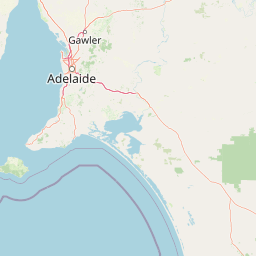
Map view of Onkaparinga River National Park

Use this park location map to pinpoint Onkaparinga River National Park in Australia, understand its exact geographic position, and read its mapped placement within the surrounding landscape more clearly.

Pigeon | © OpenStreetMap contributors

Location context for Onkaparinga River National Park

South Australia
Park atlas

Discover Connected Protected Landscapes and Regional Park Geography in South Australia

Explore Nearby National Parks and Protected Areas Beyond Onkaparinga River National Park
Continue your geographic exploration beyond Onkaparinga River National Park by browsing other protected areas and national parks located throughout South Australia's Mount Lofty Ranges region. This allows for detailed comparison of diverse conservation landscapes, from river gorges and eucalypt woodlands to various other mapped terrains and habitats.
National parkSouth Australia

Belair National Park National Park: South Australia Protected Landscape and Map Exploration

Explore the geographic context and mapped boundaries of this South Australian protected area.

Belair National Park represents a significant protected land entity within South Australia, offering specific geographic insights relevant to atlas exploration. As a designated national park, its mapped boundaries and landscape character are essential for understanding regional conservation efforts. This profile provides foundational information on the park's identity as a protected natural area, anchoring its position within the geography of South Australia for detailed map-based discovery and regional context.

Area
8.35 km²
Established
1891
IUCN
II
Visitors
358.6K annual
National parkAdelaide Hills

Cleland National Park: Mapped Protected Landscape and Regional Geographic Context

Discover the natural terrain and park boundaries within Adelaide Hills.

Cleland National Park offers a critical lens into the protected landscapes of South Australia's Adelaide Hills. As a national park, its mapped boundaries and geographic position are key elements for understanding regional natural terrain. This resource facilitates atlas-style exploration of Cleland National Park, highlighting its importance within the conservation framework and providing a foundation for detailed geographic study.

Area
11.25 km²
Established
1945
IUCN
II
Visitors
100K annual
National parkSouth Australia

Deep Creek National Park: Protected Coastal Terrain and Geographic Context in South Australia

Discover South Australia's largest remaining natural vegetation area.

Deep Creek National Park offers a unique protected landscape on South Australia's Fleurieu Peninsula, extending 18 kilometers along the rugged coast. This national park is renowned for its rolling hills, gullies, and dramatic views across Backstairs Passage to Kangaroo Island. It serves as a crucial conservation area, preserving the largest continuous segment of natural vegetation in a region largely transformed by development, making its geography and protected status highly significant.

Area
44.96 km²
Established
1971
IUCN
II
Relief
Mixed relief
National parkSouth Australia

Coorong National Park: South Australia National Park Mapped Boundaries and Landscape Context

Explore its unique protected landscape and regional geography.

Coorong National Park in South Australia is featured here as a key protected area for geographic discovery. Users can explore the park's specific landscape characteristics, mapped boundaries, and its role within the regional geography of South Australia. This detail page supports an atlas-based understanding of protected lands, offering a focused perspective on the park's natural terrain and conservation significance within Australia.

Area
490.15 km²
Established
1967
IUCN
II
Relief
Lowland
National parkSouth Australia

Flinders Chase National Park: A Detailed National Park Entry for Map Exploration in South Australia

Explore mapped boundaries and regional geographic context.

This dedicated entry for Flinders Chase National Park provides critical geographic and protected-area data, functioning as a key point within the MoriAtlas for understanding Australia's conservation landscapes. Investigate the specific mapped boundaries of this national park, situate it within the regional geography of South Australia, and grasp its identity as a distinct protected land. The information here supports structured exploration for anyone seeking detailed atlas context on natural park entities.

Area
326.61 km²
Established
1972
IUCN
II
Relief
Upland
National parkSouth Australia

Murray River National Park: Protected Wetland Ecosystems in South Australia

Explore South Australia's unique river red gum floodplains.

Murray River National Park is a significant protected area in South Australia, renowned for its expansive wetland and floodplain environments situated along the Murray River. This national park preserves crucial habitats within the Murray-Darling Basin, characterized by river red gum woodlands, permanent water bodies, and dynamic seasonal floodplains. Its detailed maps and geographic context offer deep insights into one of Australia's most important riverine conservation landscapes.

Area
148.79 km²
Established
1991
IUCN
VI
Relief
Lowland
National parkSouth Australia

Wapma Thura, Southern Flinders Ranges National Park: South Australia's Protected Natural Landscape

Explore mapped boundaries and regional geography.

Wapma Thura, Southern Flinders Ranges National Park offers a distinct protected landscape within South Australia. This page serves as a portal for understanding its geographic setting, its role as a national park, and its place within the state's atlas of natural areas. Examine the mapped terrain and protected boundaries to grasp the park's unique geographic characteristics.

Established
2021
IUCN
II
Relief
Mountain
Scope
Terrestrial
National parkSouth Australia

Lincoln National Park National Park: Mapped Protected Area and Geographic Landscape Identity

South Australia's protected landscape with detailed park boundaries.

Gain a comprehensive atlas perspective on Lincoln National Park, a designated national park in South Australia. This resource details the park's mapped boundaries, offering clear geographic context and highlighting its role as a protected landscape. Understand its place within the regional geography of South Australia, providing essential data for landscape exploration and atlas-based research.

Area
216.38 km²
Established
1941
IUCN
II
Relief
Upland

Common questions about visiting, size, designation, and location context for Onkaparinga River National Park

Onkaparinga River National Park FAQs for park facts, access, geography, and protected area context
Find quick answers about Onkaparinga River National Park, including protected-area facts, park geography, trail and visitor context, and how the park fits into its surrounding country and regional landscape.
MoriAtlas Explorer

Continue Your Protected Areas Search Across the Global Atlas

Deepen your exploration by continuing the structured search for national parks and protected areas worldwide. Utilize the comprehensive filtering capabilities to compare different conservation landscapes and refine your understanding of global park geography. Discover more about the distribution and characteristics of protected natural areas.

Global natural geography