Why Patagonia National Park stands out
Patagonia National Park is best known for its protection of the Patagonian steppe, one of South America's most distinctive and ecologically significant grassland ecosystems. The park preserves the characteristic landscapes of this semi-arid region, featuring rolling plains, scrubland vegetation, and the dramatic, wind-shaped terrain that defines much of Patagonia's visual identity. The steppe ecosystem supports a unique assemblage of adapted species and represents a increasingly rare habitat type that faces pressure from grazing, development, and climate change across its range.
Patagonia National Park history and protected-area timeline
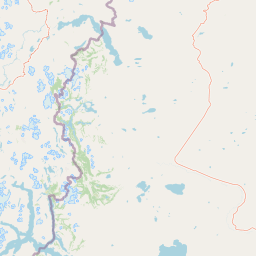
Patagonia National Park was designated in 2015 by the government of Argentina as part of efforts to expand protected area coverage in the Patagonian region. The creation of the park reflected growing recognition of the need to preserve the Patagonian steppe ecosystem, which had historically received less protection than other Argentine environments such as the Andes and the Iguazu region. The subsequent designation of the Patagonia Wilderness Nature Reserve in 2018 further expanded the protected area complex to the north and east, creating a more comprehensive conservation unit within the Patagonian landscape. The park is administered by Argentina's National Parks Administration, the federal agency responsible for managing the nation's protected areas and implementing conservation policy.
Patagonia National Park landscape and geographic character
The landscape of Patagonia National Park is defined by the Patagonian steppe, a vast semi-arid grassland ecosystem characterized by gently rolling plains, open plains, and exposed terrain shaped by centuries of wind and weather. The terrain features the distinctive wind-caressed appearance that is synonymous with Patagonia, where vegetation grows low and sparse in response to the harsh, dry conditions. The landscape lacks the dramatic mountain peaks found in other Patagonian protected areas, instead offering the more subtle but equally compelling beauty of the open steppe, where the horizon stretches endlessly across the terrain. The vegetation is dominated by grasses, shrubs, and cushion plants adapted to the region's arid climate, creating a tapestry of textures and tones across the landscape.
Patagonia National Park ecosystems, habitats, and plant life
The Patagonian steppe is a distinctive ecological formation that represents one of the world's major grassland biomes. This semi-arid environment supports a specialized community of plants and animals adapted to drought, strong winds, and temperature extremes. The vegetation is characterized by bunch grasses, thorny shrubs, and steppe herbs that have evolved to survive in conditions where water is scarce and the growing season is short. The ecosystem represents a globally significant habitat type that is largely endemic to southern South America and is found almost exclusively within Argentina and Chile. The steppe supports a limited but distinctive group of species that have evolved to exploit the resources available in this challenging environment.
Patagonia National Park wildlife and species highlights
The Patagonian steppe supports a specialized fauna adapted to the harsh conditions of this semi-arid grassland. Mammals typical of the region include guanacos, the wild ancestor of the domestic llama, which roam the steppe in small herds, as well as smaller mammals such as viscachas, armadillos, and various rodent species. The birdlife of the steppe includes species such as the greater rhea, South America's largest bird, as well as various birds of prey, parrots, and songbirds that have adapted to the open grassland environment. The region's relative ecological simplicity means that wildlife viewing opportunities, while more subtle than in tropical environments, offer a genuine connection to one of the world's least-modified grassland ecosystems.
Patagonia National Park conservation status and protection priorities
Patagonia National Park plays an important role in protecting one of South America's most distinctive and threatened grassland ecosystems. The Patagonian steppe has faced significant pressure from overgrazing by sheep and cattle, agricultural expansion, and infrastructure development, leading to habitat degradation across much of its historical range. The establishment of the park and the adjacent wilderness reserve creates protected areas where the steppe ecosystem can function with minimal human interference, allowing natural processes to continue and providing refuge for native species. The park's IUCN Category II designation reflects its primary objective of protecting natural ecosystems while also providing opportunities for scientific research, environmental education, and sustainable recreation.
Patagonia National Park cultural meaning and human context
The Patagonian steppe has been inhabited by human communities for thousands of years, with indigenous peoples such as the Tehuelche having historically occupied these lands before European colonization. The region later became associated with the legendary gaucho culture of the Argentine plains, and the area's ranching tradition continues to shape the landscape and cultural identity of the Santa Cruz Province. While the park itself does not contain major archaeological sites or extensive cultural heritage features, the broader Patagonian region carries significant cultural meaning related to the history of indigenous peoples, the cowboy traditions of the Argentine plains, and the later waves of European immigration that contributed to the region's development.
Top sights and standout views in Patagonia National Park
The primary highlight of Patagonia National Park is its protection of the Patagonian steppe, a globally significant grassland ecosystem that is increasingly rare and threatened across its range. Visitors to the park can experience the distinctive character of the Patagonian landscape, with its expansive views, wind-sculpted vegetation, and the sense of remoteness that defines much of this region. The park offers opportunities to observe native wildlife including guanacos, greater rheas, and various bird species in a relatively undisturbed setting. The proximity to the Patagonia Wilderness Nature Reserve creates the possibility for extended exploration of a larger protected landscape. The park's relative newness and the ongoing development of visitor infrastructure also mean that the area retains a sense of discovery and wildness that is increasingly valued in an era of heavy tourism pressure on more established protected areas.
Best time to visit Patagonia National Park
The Patagonian steppe can be visited throughout the year, though the region's climate is characterized by strong winds, cold temperatures, and significant variation between seasons. The summer months of December through February bring warmer conditions and longer daylight hours, making this the most popular time for visitors. Winter months offer a different experience, with the landscape potentially covered in snow and fewer visitors, though access and conditions may be more challenging. The shoulder seasons of spring and autumn provide intermediate conditions and may offer a balance between favorable weather and fewer crowds. Visitors should be prepared for the unpredictable nature of Patagonian weather, where conditions can change rapidly and the wind can be a significant factor regardless of the season.