Mori Atlas logo
National parkPeak Charles National Park

Explore the mapped boundaries and natural terrain of this significant national park.

Peak Charles National Park: Western Australia's Protected Landscape and Geographic Context

Peak Charles National Park represents a key protected area within the vast geographic expanse of Western Australia. This page offers detailed insights into the park's mapped boundaries, its unique place within the state's diverse natural landscapes, and its contribution to the regional geography. Users can delve into the park's atlas context, understanding its terrain and protected status for focused geographic discovery.

Granite PeaksSemi-Arid HeathlandsEastern MalleeWestern AustraliaSalt LakesEndemic Plants

Peak Charles National Park

National park

Park overview

Structured park overview, official facts, and landscape profile for Peak Charles National Park

Peak Charles National Park park facts, protected area profile, and essential visitor context
Review the core facts for Peak Charles National Park, including designation, size, terrain, visitor scale, habitats, and operating context in one park-focused overview.

About Peak Charles National Park

Peak Charles National Park represents one of the most distinctive protected landscapes in the southern half of Western Australia, where a rare combination of ancient geology and semi-arid ecology creates a park of considerable natural significance despite its relatively modest size. The park's name derives from Peak Charles, an ancient granite inselberg that forms the most prominent topographic feature in the region, standing 651 metres above sea level and visible for many kilometres across the flat surrounding terrain. Adjacent to Peak Charles lies Peak Eleanora, another granite dome that together with its neighbour creates a striking pair of peaks that dominate the park's eastern side and provide exceptional 360-degree views from their summits. The park encompasses a landscape of remarkable ecological diversity, where the granite peaks are surrounded by extensive sand plain heaths that in turn give way to salt lake systems in the lower-lying areas between the hills. This topographic variation creates multiple habitat types within a relatively confined area, supporting plant communities adapted to the harsh semi-arid conditions while also providing refugia for species that require the slightly more mesic conditions found on the south-facing granite slopes. The Eastern Mallee IBRA subregion in which the park is situated is recognised as one of Australia's biodiversity hotspots, with the park itself containing several plant species of conservation significance.

Quick facts and research context for Peak Charles National Park

Peak Charles National Park occupies a remote section of the Great Western Woodlands, one of the largest remaining temperate dryland landscapes in the world. The park's defining features are its two ancient granite peaks, with Peak Charles reaching 651 metres above sea level and providing panoramic views over the surrounding heaths and salt lake systems. The area experiences a Mediterranean climate with hot, dry summers and cool, moist winters that support the heath-dominated vegetation communities. The park contains several rare plant species, including Gastrolobium acrocaroli, and sits within a broader landscape of high conservation value that remains largely unmodified.

Park context

Deeper park guide and search-rich context for Peak Charles National Park

Peak Charles National Park history, landscape, wildlife, and travel context
Explore Peak Charles National Park through its history, landscape character, ecosystems, wildlife, conservation priorities, cultural context, and seasonal travel timing in a structured park guide built for atlas discovery and search intent.

Why Peak Charles National Park stands out

Peak Charles National Park is best known for its dramatic granite skyline, where ancient domed peaks rise abruptly from flat, dry sand plain heaths to create one of Western Australia's most striking mountain silhouettes. The twin peaks, particularly Peak Charles with its 651-metre elevation, offer a challenging but rewarding hiking experience via a 2-kilometre loop trail that requires rock scrambling to reach the summit lookout. The park also protects a significant example of the Eastern Mallee bioregion, where salt lake systems intersect with diverse heath communities to support rare and specialised plant species found nowhere else on Earth.

Peak Charles National Park history and protected-area timeline

Peak Charles National Park was established in 1979 as a protected area under the conservation legislation of Western Australia, with management responsibilities delegated to the state's Department of Parks and Wildlife (now part of the Department of Biodiversity, Conservation and Attractions). The creation of the park reflected a growing recognition during the 1970s of the need to protect representative examples of Western Australia's diverse bioregions, particularly those containing unusual geological features or endemic species. Prior to formal protection, the Peak Charles area had been subject to limited pastoral use, though the rugged nature of the granite terrain limited its agricultural potential and helped preserve much of the natural landscape. The park's establishment also acknowledged the landscape's significance to the broader Great Western Woodlands region, which has since become recognised as one of the world's remaining large temperate dryland ecosystems. Management of the park has focused on maintaining its wilderness character, with minimal infrastructure development and no entry fees required for visitors.

Peak Charles National Park landscape and geographic character

The landscape of Peak Charles National Park is defined by the contrast between its ancient granite peaks and the extensive sand plain that surrounds them. The two principal peaks, Peak Charles and Peak Eleanora, are remnants of Precambrian granite intrusions that formed deep within the Earth's crust over 600 million years ago and have since been exposed through erosion of the overlying rock. These domed inselbergs rise abruptly from the otherwise flat terrain, their rounded summits and steep boulder-strewn slopes creating terrain that is dramatically different from the surrounding plains. The sand plains themselves are composed of deep, sandy soils derived from the weathering of ancient granitic and metamorphic rocks, and support a diverse heathland vegetation community characterised by multiple species of shrubs from the Proteaceae, Myrtaceae, and Epacridaceae families. Between the heaths lie numerous small salt lakes and playas that fill during the winter rains and dry out during the summer months, creating a landscape of subtle but definite ecological zones that respond differently to seasonal rainfall patterns.

Peak Charles National Park ecosystems, habitats, and plant life

The nature of Peak Charles National Park is characterised by the intersection of three distinct ecological systems: the ancient granite outcrops with their specialised plant communities, the extensive sand plain heaths of the Eastern Mallee, and the ephemeral salt lake systems that dot the lower terrain. The heath communities that dominate the park's lower slopes and plains are among the most species-diverse vegetation types in Australian semi-arid environments, with numerous species of shrubs, grasses, and wildflowers adapted to the nutrient-poor soils and long dry seasons. The granite peaks support distinctive plant assemblages that differ from the surrounding heaths, with species adapted to the shallow soils that accumulate in rock crevices and on ledges, as well as those that can tolerate the rapid drainage and increased exposure experienced on exposed rock faces. The park is notable for the presence of Gastrolobium acrocaroli, a rare legume species that exemplifies the high degree of endemism found in the Eastern Mallee bioregion. The salt lake systems, while appearing stark, provide critical habitat for a range of specialised plants and invertebrates adapted to the fluctuating salinity and inundation regimes.

Peak Charles National Park wildlife and species highlights

While the source material provides limited specific information about fauna, the Eastern Mallee bioregion in which Peak Charles National Park is situated supports a range of adapted wildlife species. The heathlands provide habitat for numerous small mammals, reptiles, and invertebrates, while the granite outcrops offer shelter and foraging opportunities for birds and larger reptiles. The salt lakes, when filled with water, attract migratory waterbirds and provide feeding grounds for various shorebird species. The park's isolation and the relative intactness of its vegetation communities suggest that it likely supports populations of native species that have declined in more heavily modified surrounding landscapes. The rocky terrain of the peaks provides nesting and shelter opportunities for raptors and other bird species that utilise the elevated terrain for vantage points and breeding sites.

Peak Charles National Park conservation status and protection priorities

Peak Charles National Park plays an important role in the conservation of the Eastern Mallee bioregion, protecting a landscape that has remained relatively intact compared to much of the surrounding agricultural land in Western Australia's wheatbelt. The park's conservation significance is enhanced by the presence of rare plant species, including Gastrolobium acrocaroli, which is known only from limited populations in the region. The park forms part of the broader Great Western Woodlands conservation network, one of the largest remaining areas of unmodified temperate woodland and heath in the world. Protection of the granite peak system ensures the preservation of unique geological features and the specialised plant communities they support, while the salt lake systems contribute to the conservation of ephemeral wetland habitats that are otherwise scarce in the landscape. The park's management emphasises maintaining natural processes and minimizing visitor impacts to preserve the area's wilderness character.

Peak Charles National Park cultural meaning and human context

Peak Charles National Park is situated within the traditional Country of Aboriginal peoples, though the specific cultural associations and Traditional Owner connections to the peak itself are not extensively documented in the available source material. The broader Great Western Woodlands region contains numerous sites of Aboriginal significance, and the granite peaks with their commanding views would likely have held importance as navigation markers, ceremonial locations, or resource gathering areas for Indigenous peoples. The park's remote location and the challenging nature of the terrain meant that the area was never extensively modified by European settlement, preserving much of its pre-colonial character and allowing the landscape to retain much of its ecological integrity.

Top sights and standout views in Peak Charles National Park

The twin granite peaks of Peak Charles and Peak Eleanora form the park's most spectacular highlight, with their ancient domed shapes creating one of Western Australia's most recognisable mountain silhouettes. The 2-kilometre walking trail to the Peak Charles summit offers visitors the opportunity to experience the park's dramatic geology firsthand while enjoying sweeping views over the heath-covered plains and salt lakes below. The park's wilderness character, maintained through minimal development and the absence of entry fees, provides a back-to-nature experience increasingly rare in protected areas. The diversity of the Eastern Mallee heath communities, particularly during the wildflower season when the heaths erupt in colour, represents another highlight for visitors interested in botanical appreciation. The stark beauty of the salt lake systems, which fill with winter rains and then slowly evaporate through summer, adds another dimension to the park's varied landscape.

Best time to visit Peak Charles National Park

The optimal time to visit Peak Charles National Park is during the cooler months of autumn, winter, and early spring, roughly from April through October, when daytime temperatures are comfortable for hiking and the landscape is at its greenest following winter rainfall. The winter and early spring months typically bring the most vibrant wildflower displays as the heath communities burst into flower, with various species of Proteaceae, Myrtaceae, and other heath species providing colour across the park. Summer months from November to March can bring extreme heat, making hiking hazardous and the landscape brown and dry. Visitors should be aware that the park has limited facilities, so self-sufficiency is essential regardless of when they visit. The Peak Charles summit trail, which requires rock scrambling in places, is best attempted during dry conditions to minimise slip hazards on the granite surfaces.
Park location guide

Geography guide, regional context, and park location map for Peak Charles National Park

Peak Charles National Park park geography, regions, and map view in Australia
Understand where Peak Charles National Park sits in Australia through a broader geographic reading of the surrounding landscape, nearby location context, and its mapped position within the national park landscape.

How Peak Charles National Park fits into Australia

Australia is a constitutional monarchy and federal parliamentary democracy comprising six states and ten territories. With a population of nearly 28 million, it is one of the world's most urbanised countries, with most people concentrated on the eastern seaboard. The country has a high Human Development Index and is known for its cultural diversity, ancient Aboriginal heritage, and unique wildlife.

Wider geography shaping Peak Charles National Park in Australia

Australia occupies the entire Australian continent, the island of Tasmania, and numerous smaller islands. It is the world's flattest and driest inhabited continent, featuring vast deserts in the interior (the Outback), tropical rainforests along the eastern coast, and a coastline bordering the Indian and Pacific Oceans.

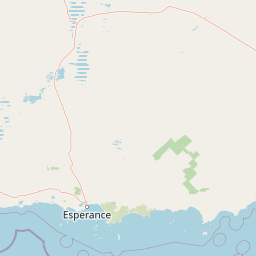
Map view of Peak Charles National Park

Use this park location map to pinpoint Peak Charles National Park in Australia, understand its exact geographic position, and read its mapped placement within the surrounding landscape more clearly.

Pigeon | © OpenStreetMap contributors

Location context for Peak Charles National Park

Western Australia
Park atlas

Trace the regional spread of granite peaks, semi-arid heathlands, and salt lake systems in Western Australia.

Discover Nearby National Parks and Protected Areas Beyond Peak Charles National Park
Continue your exploration from Peak Charles National Park by browsing other national parks and protected areas located in Western Australia's Eastern Mallee region. Compare distinct protected landscapes, including granite inselbergs, vast semi-arid heathlands, and intricate salt lake systems, to understand the broader regional context.
National parkWestern Australia

Frank Hann National Park: Explore Its Protected Area Geography and Mapped Boundaries

Western Australia's protected national park landscape.

Frank Hann National Park is a designated national park providing crucial insight into Western Australia's protected natural landscapes. This entry focuses on its precise geographic scope and mapped boundaries, allowing for detailed atlas-based exploration. Understand the park's identity as a protected area and its position within the broader regional geography of this large Australian state, ideal for focused landscape discovery.

Area
675.5 km²
Established
1970
IUCN
II
Relief
Lowland
National parkWestern Australia

Stokes National Park National Park: Mapped Boundaries and Regional Geography

Western Australia's protected landscape identity.

Stokes National Park represents a significant protected entity within the expansive geography of Western Australia. This detailed page provides users with essential mapping information, focusing on the park's designated boundaries and its role within the broader atlas of Australian conservation landscapes. Explore the specific geographic context that defines this national park and understand its natural landscape features.

Area
97.26 km²
Established
1976
IUCN
II
Relief
Lowland
National parkWestern Australia

Cape Le Grand National Park: Western Australia National Park Geographic Context and Landscape Exploration

Mapped protected area boundaries and regional natural terrain discovery.

Cape Le Grand National Park is an important national park in Western Australia, providing a distinct focus for geographic and atlas-based discovery. Understanding its protected landscape identity and its placement within the state's natural geography offers valuable insight into regional conservation areas. This page serves as a canonical entry point for exploring the mapped features and the broader geographic significance of Cape Le Grand National Park, detailed for structured atlas exploration.

Area
318.01 km²
Established
1966
IUCN
II
Relief
Mixed relief
Watercolor illustration showing mountains in the background, green vegetation, and pink meadows
National parkWestern Australia

Fitzgerald River National Park: A Western Australian Protected Landscape of Global Botanical Importance

Discover its mapped terrain, endemic flora, and UNESCO Biosphere Reserve status.

Fitzgerald River National Park stands as a protected landscape of immense ecological value in Western Australia. This national park is celebrated for its extraordinary botanical diversity, featuring more endemic plant species than any other conservation reserve in Australia. Its varied terrain, from rugged mountain ranges to coastal cliffs, provides a rich tapestry of natural habitats. As a designated UNESCO Biosphere Reserve, it offers a unique opportunity to explore mapped geographic features and understand the critical role of protected areas in conserving rare flora and distinct Mediterranean ecosystems.

Area
2,972.11 km²
Established
1973
IUCN
II
Visitors
40K annual
National parkGoldfields-Esperance

Goldfields Woodlands National Park: Explore Protected Area Geography and Mapped Boundaries

Discover the mapped landscape context of this national park.

Delve into Goldfields Woodlands National Park, a key protected area within the Goldfields-Esperance region. This resource provides detailed atlas-style information, focusing on the park's mapped geography, its protected status, and its role within the broader regional landscape. Understand its specific topographic features and its place in the natural atlas.

Area
646.28 km²
Established
2000
Climate
Arid
Scope
Terrestrial
National parkWestern Australia

Boorabbin National Park: Exploring Western Australia's National Park Landscape and Boundaries

Mapped protected area context within Western Australia's geography.

Boorabbin National Park represents a distinct protected landscape within the expansive geography of Western Australia. This entry provides focused insight into the park's identity as a national park, highlighting its specific mapped boundaries and its contribution to the regional atlas of protected areas. Understanding Boorabbin National Park's geographic setting allows for a deeper appreciation of Western Australia's natural terrain and conservation efforts.

Area
281.53 km²
Established
1977
IUCN
II
Relief
Upland
Watercolor painting of green rolling hills and purple mountains under a pastel sky
National parkWestern Australia

Cape Arid National Park: A National Park Atlas Entry for Western Australia's Coast

Explore its mapped terrain and protected landscape identity.

Cape Arid National Park, located in Western Australia, is a substantial protected area notable for its striking coastal geography. This national park features a dramatic intersection of the Southern Ocean coastline with ancient granite landforms and low hills, creating a diverse mapped terrain. Its significance extends to being a key habitat for numerous bird species, making it a critical component of the regional protected-area network and a valuable point of study within the broader geographic atlas.

Area
2,794.46 km²
Established
1969
IUCN
II
Relief
Mixed relief
National parkWestern Australia

Hassell National Park National Park: Mapped Protected Landscape in Western Australia

Explore the geographic identity and park boundaries of Hassell National Park.

Hassell National Park offers a focused view of protected natural landscapes within Western Australia. This atlas entry details the park's specific geographic scope and its designation as a national park, providing essential context for understanding its mapped features and regional landscape. Explore how Hassell National Park contributes to the protected area geography of the state.

Area
12.65 km²
Established
1971
IUCN
II
Scope
Mixed

Common questions about visiting, size, designation, and location context for Peak Charles National Park

Peak Charles National Park FAQs for park facts, access, geography, and protected area context
Find quick answers about Peak Charles National Park, including protected-area facts, park geography, trail and visitor context, and how the park fits into its surrounding country and regional landscape.
MoriAtlas Explorer

Continue Your Protected Areas Search Across the Global Atlas

Deepen your exploration by continuing the structured search for national parks and protected areas worldwide. Utilize the comprehensive filtering capabilities to compare different conservation landscapes and refine your understanding of global park geography. Discover more about the distribution and characteristics of protected natural areas.

Global natural geography