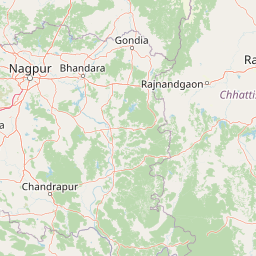
Why Pench National Park stands out
Pench National Park is best known for its significant tiger population and role as a core area of the Pench Tiger Reserve. The park's dry deciduous teak forests support substantial populations of Bengal tigers, Indian leopards, and diverse ungulate species including chital, sambar, and gaur. The park is also notable for its connection to literary history as the likely inspiration for Rudyard Kipling's The Jungle Book, with the landscape and wildlife said to have influenced the setting of Mowgli's story. Additionally, the park gained international recognition through its use as a filming location for David Attenborough's BBC documentary series Tiger: Spy in the Jungle.
Pench National Park history and protected-area timeline
Pench National Park was established as a wildlife sanctuary in 1977, reflecting India's growing commitment to wildlife conservation during that period. The area was upgraded to national park status in 1983, providing it with stronger legal protection under Indian national park regulations. A significant milestone in the park's conservation history came in 1992 when it became the core area of the newly designated Pench Tiger Reserve, integrating the national park with the surrounding Pench Mowgli Sanctuary and buffer forest areas. This designation connected Pench to India's broader tiger conservation framework, which aims to protect viable populations of Bengal tigers and their habitat across the country. The park's historical significance extends to its likely role as inspiration for Rudyard Kipling's The Jungle Book, written in the late 19th century, with the region's forests, wildlife, and landscape said to have influenced the fictional setting of the story. In more recent times, the park has gained prominence through its use as a filming location for the BBC documentary series Tiger: Spy in the Jungle, narrated by David Attenborough, which brought international attention to the park's tiger population and forest ecosystems.
Pench National Park landscape and geographic character
The landscape of Pench National Park is characterized by rolling hills and undulating terrain typical of the Satpura Range in central India. The elevation within the park ranges from 425 to 620 meters above sea level, creating a relatively gentle topography compared to mountainous protected areas. The Pench River, a significant watercourse in the region, flows through the park from north to south, carving valleys and providing perennial water sources that support wildlife throughout the year. Numerous smaller streams and seasonal water channels intersect the forest, creating a network of drainage patterns that influence vegetation distribution. The forest cover consists predominantly of dry deciduous woodland, with the iconic teak tree serving as the dominant species across much of the park. The ground cover includes a dense mat of grasses, shrubs, and young saplings, creating a layered forest structure that provides habitat for diverse wildlife. The landscape varies from relatively open areas with scattered trees to denser forest patches, with bamboo occurring in select locations throughout the park.
Pench National Park ecosystems, habitats, and plant life
The nature of Pench National Park centers on its dry deciduous forest ecosystem, which represents a distinctive ecological community in central India. The forest vegetation is dominated by teak, which grows in association with numerous other tree species including saja, bijiayasal, lendia, haldu, dhaora, salai, amla, amaltas, mahua, and white kulu. This diverse tree community creates a complex forest structure with multiple canopy layers. The forest floor supports extensive grass coverage along with various shrubs and herbaceous plants, forming a habitat matrix that supports diverse wildlife. The presence of the Pench River and its tributaries introduces riparian elements to the forest ecosystem, with water-loving species occurring along watercourses. Bamboo patches within the forest provide additional structural complexity and food resources for certain wildlife species. The climate characteristics, with extremes from near freezing winters to very hot summers and a pronounced monsoon season, shape the ecological dynamics of the park, influencing vegetation patterns, wildlife behavior, and the overall character of the protected area.
Pench National Park wildlife and species highlights
Pench National Park supports remarkable wildlife diversity with over 40 mammal species, more than 210 bird species, and 13 reptile species recorded within its boundaries. The mammal community includes significant populations of large predators, with Bengal tigers and Indian leopards being the most prominent predators in the ecosystem. The park also supports a healthy population of dholes, golden jackals, and sloth bears. Ungulate species are well-represented, with chital and sambar deer being common throughout the forest, along with four-horned antelope, gaur, nilgai, and chinkara. Smaller mammals include common langurs, Rhesus monkeys, Indian hares, and Indian porcupines. The bird diversity is particularly noteworthy, with more than 210 species including both resident and migratory birds. Notable avian residents include Indian peafowl, junglefowl, Indian grey hornbill, crimson-breasted barbet, racket-tailed drongo, crested serpent eagle, and Indian roller. Water-associated birds including lesser whistling teal, northern pintail, shoveller, egrets, and herons occur near water bodies. Reptile species include cobras, pythons, and Indian kraits, among others.
Pench National Park conservation status and protection priorities
Pench National Park holds significant conservation importance as a core area of the Pench Tiger Reserve, which forms part of India's flagship tiger conservation program. The park's inclusion in the tiger reserve network reflects its role as critical tiger habitat, supporting viable populations of Bengal tigers within the broader landscape. The dry deciduous forest ecosystem represents a distinctive habitat type that supports specialized wildlife communities, and its protection ensures the preservation of this ecological community in central India. The park's conservation value is enhanced by its connectivity to surrounding forest areas, allowing for wildlife movement between the core protected area and buffer zones. Beyond tiger conservation, the park protects diverse biodiversity including numerous bird and reptile species, many of which face pressures from habitat fragmentation and human encroachment in unprotected areas. The management approach balances wildlife protection with sustainable visitor use, though the park's primary mandate focuses on maintaining ecological integrity and protecting the natural heritage represented by its forests and wildlife populations.
Pench National Park cultural meaning and human context
Pench National Park carries significant cultural resonance beyond its ecological value, most notably through its association with Rudyard Kipling's The Jungle Book. The landscape, wildlife, and atmosphere of the Pench region are widely believed to have inspired the fictional setting of Kipling's famous work, which introduced the world to the character of Mowgli and his animal companions in the Indian jungle. This literary connection gives the park a unique place in global cultural consciousness, as the real landscape can be experienced by visitors in a manner that echoes the fictional world created over a century ago. The park also served as a filming location for the BBC documentary series Tiger: Spy in the Jungle, narrated by David Attenborough, bringing contemporary international attention to the park's wildlife and conservation efforts. The broader region has historical connections to traditional land use patterns and local communities whose relationship with the forest predates formal protection, though the park itself is now managed primarily for wildlife conservation with visitor access regulated.
Top sights and standout views in Pench National Park
Pench National Park stands out as one of India's prominent tiger reserves, offering excellent opportunities to observe Bengal tigers in their natural forest habitat. The park's dry deciduous teak forests create a distinctive landscape that differs from the wetter forests of India's western ghats or Himalayan regions. The literary connection to The Jungle Book adds a unique cultural dimension that enhances the visitor experience, connecting modern wildlife tourism to a rich tradition of storytelling about the Indian jungle. The exceptional bird diversity, with over 210 species, makes the park particularly attractive for birdwatchers, while the presence of diverse mammals including leopards, sloth bears, and numerous ungulate species ensures rich wildlife viewing across multiple animal groups. The park's role within the Pench Tiger Reserve network positions it as a key contributor to India's tiger conservation efforts.
Best time to visit Pench National Park
The optimal time to visit Pench National Park spans from October through April, with the winter months from November to February offering the most comfortable temperatures for wildlife viewing. During the hot summer months from April to June, temperatures can soar above 40 degrees Celsius, though this period sometimes offers improved tiger sighting opportunities as animals concentrate around remaining water sources. The monsoon season from July to September brings heavy rainfall to the region, and many areas of the park may be closed or difficult to access during this period. Winter brings cooler temperatures and the advantage of reduced vegetation density, making wildlife spotting somewhat easier, while the post-monsoon period sees the forest at its greenest and most lush. The seasonal variation in water availability significantly affects wildlife distribution within the park, with the Pench River and permanent waterholes becoming critical resources during dry periods.