Why Pieljekaise National Park stands out
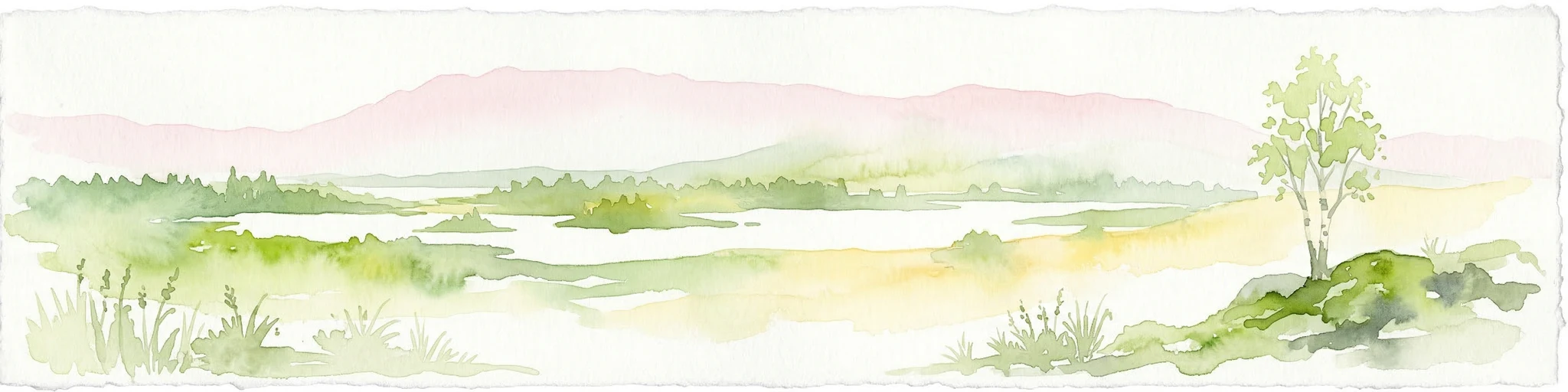
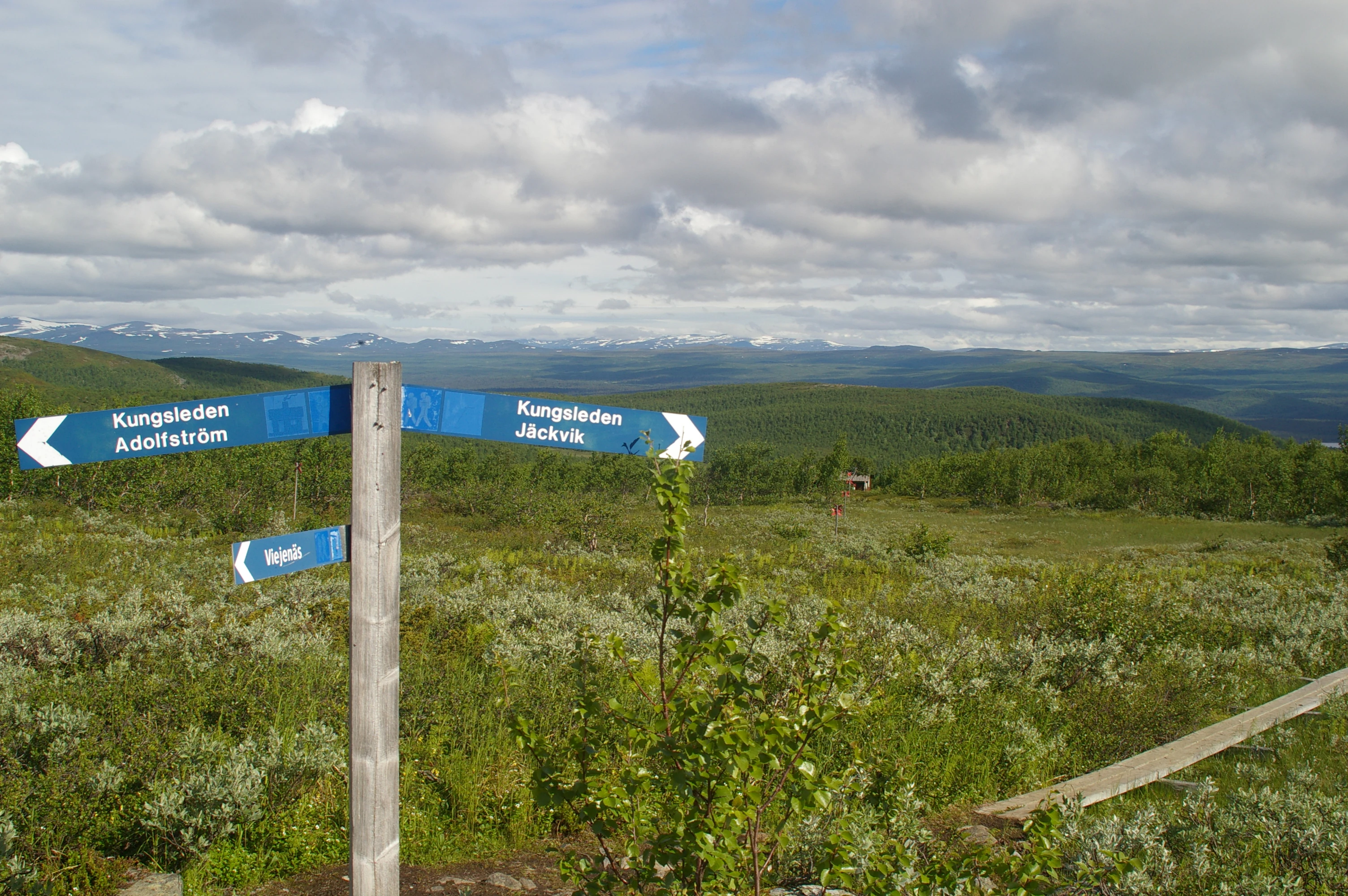
Pieljekaise is best known for its extensive, nearly untouched birch forest that represents one of the finest examples of boreal birch woodland in Scandinavia. The park's birch woods are described as resembling a primeval forest, with the northern slopes supporting particularly rich meadow birch forest where buttercups bloom abundantly in spring. The landscape is defined by the glacial U-shaped valley formed during the last Ice Age, with two distinctive peaks that give the park its name, Pieljekaise derives from the Sami words for "ear" and "pointed peak," referring to the peaks' resemblance to ears. The park is also renowned for its position along the Kungsleden, one of Sweden's most celebrated long-distance hiking trails, and for the rich fish populations in its southern lake district.
Pieljekaise National Park history and protected-area timeline
Pieljekaise National Park was founded in 1909 alongside eight other Swedish national parks, representing one of the earliest systematic efforts in Europe to establish protected areas for nature conservation. This pioneering initiative came at a time when the ecological importance of boreal forest ecosystems was just beginning to be recognized. In 2015, the park received 280,000 SEK in national park funding allocated specifically for renovation projects, reflecting ongoing investment in maintaining and improving the protected area's infrastructure and visitor facilities. The park lies within the traditional territory of the Semisjaur-Njarg Sami community, and the area has been inhabited by the Sami people for millennia. Prior to the establishment of reindeer herding as the dominant livelihood, local Sami communities relied on hunting wild reindeer, and the landscape contains archaeological evidence of their presence including remains of kåta (traditional Sami tent sites), hearths, and specialized pit traps used for capturing wild reindeer.
Pieljekaise National Park landscape and geographic character
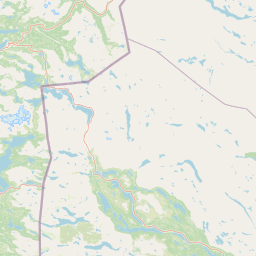
The physical landscape of Pieljekaise National Park is defined by its glacial origins and boreal forest character. The underlying bedrock consists of ancient gneissic mica schist and amphibolite, formations that date back hundreds of millions of years. During the final stages of the last Ice Age, approximately 9,000 years ago, glacial processes carved a distinctive soft U-shaped valley that remains the dominant topographic feature of the park. The terrain consists of rolling hills covered in dense birch woodland, with the elevation ranging from the valley floor to approximately 800 meters above sea level where the birch forest gives way to open alpine heath. The park contains two prominent peaks that form the namesake of the reserve—these twin summits resemble ears when viewed from certain angles, which explains the etymology of Pieljekaise derived from the Sami words for "ear" and "pointed peak." The southern portion of the park features a cluster of lakes connected by waterways, with Lutaure serving as a notable waterbody with a rowing route across its waters.
Pieljekaise National Park ecosystems, habitats, and plant life
The ecological character of Pieljekaise is defined by its extensive birch forest ecosystems, which represent one of the best-preserved examples of boreal birch woodland in Scandinavia. Up to elevations of approximately 800 meters, the park is covered in mountain birch forest, with the northern slopes supporting particularly rich meadow birch forest communities. The springtime vegetation is notably spectacular, with buttercups blooming in abundant quantities across the meadow birch forest in May and June. The flora becomes increasingly diverse as summer progresses, with midsummer flowers, mountain avens, cloudberry blossoms, northern monkshood, angelica, and bride's brush creating colorful displays. Above the tree line, the alpine heath supports a more limited but distinctive flora including crowberry, dwarf birch, and heather. The southern lake district supports aquatic vegetation and provides critical habitat for various species, with the lakes offering rich fishing opportunities.
Pieljekaise National Park wildlife and species highlights
The wildlife communities of Pieljekaise reflect the boreal and alpine character of the park. The forested areas support bird species including siskin and brambling, while the open mountain heaths above the tree line are home to golden plover, meadow pipit, and ptarmigan. The park's marshes and wetlands come alive during the breeding season, with common snipe, greenshank, redshank, and ruff nesting in the wet meadows. Mammal species present in the park include red fox, weasel, mountain hare, and elk, representing the typical fauna of northern Swedish forests. The extensive birch forest and mosaic of habitats support a diverse community of species adapted to the harsh boreal environment, while the proximity to the Vindelfjällens Nature Reserve provides connectivity to a larger ecosystem network.
Pieljekaise National Park conservation status and protection priorities
Pieljekaise National Park plays an important role in the conservation of boreal birch forest ecosystems in northern Europe. As one of Sweden's original national parks established in 1909, the reserve has protected its birch woodlands for over a century, allowing natural processes to proceed with minimal human interference. The park's designation as an IUCN Category II protected area reflects its primary objective of protecting natural ecosystems while allowing for sustainable recreation and environmental education. The birch forest communities within the park represent some of the most intact examples of this habitat type in Scandinavia, serving as reference sites for understanding natural forest dynamics. The connection to Vindelfjällens Nature Reserve, one of Europe's largest protected areas, creates a significant conservation corridor that supports biodiversity across a broad geographic extent. The 2015 renovation funding demonstrates continued institutional commitment to maintaining the park's conservation values and visitor infrastructure.
Pieljekaise National Park cultural meaning and human context
Pieljekaise holds significant cultural importance as part of the traditional lands of the Semisjaur-Njarg Sami community. The Sami people have inhabited this region of Lapland for millennia, and the landscape contains tangible evidence of their historical presence and traditional land use practices. Prior to the development of reindeer herding as the dominant economic activity, local Sami communities subsisted primarily through hunting wild reindeer, which were once abundant in the region. Archaeological remains within the park include locations of former kåta (traditional Sami conical tents), ancient hearths, and the distinctive pit traps dug into the ground to capture wild reindeer during seasonal migrations. The park's name itself derives from the Arjeplog Sami language—Beljijgáisse—which is a compound word meaning "pointed peak of the ears," describing the distinctive twin peaks that dominate the landscape.
Top sights and standout views in Pieljekaise National Park
Pieljekaise National Park offers visitors a rare opportunity to experience one of Scandinavia's most pristine birch forest landscapes, virtually unchanged since the park's establishment in 1909. The primeval character of the birch woods, particularly on the northern slopes with their abundant spring wildflowers, represents a ecological treasure of international significance. The park's location along the Kungsleden trail makes it accessible to hikers traversing Sweden's most celebrated long-distance path, while the presence of an overnight cabin allows for extended stays. The glacial U-shaped valley and the distinctive twin peaks provide dramatic visual landmarks, and the southern lake district offers fishing opportunities in a remote wilderness setting. The park's deep connections to Sami heritage, with archaeological evidence of traditional lifeways spanning millennia, add cultural depth to the natural landscape.
Best time to visit Pieljekaise National Park
The optimal time to visit Pieljekaise National Park is during the summer months of June through August, when the birch forest is in full leaf and the midnight sun illuminates the landscape for extended periods. Spring brings an especially dramatic display of wildflower bloom, with buttercups carpeting the meadow birch forest in May and June, though conditions can still be cool and variable. The long summer days allow for extended hiking along the Kungsleden, and the lakes are accessible for fishing. Autumn offers the opportunity to witness the birch foliage turning golden, though the visiting season becomes shorter as temperatures decline. Winter brings harsh conditions with limited access, as snow covers the landscape and temperatures drop well below freezing. The shoulder seasons of late spring and early autumn offer fewer visitors and the chance to experience the park's changing character, though visitors should be prepared for variable weather and limited facilities outside the peak summer season.