A rugged river canyon wilderness straddling the Wyoming-Colorado border, where the North Platte slices through conifer forests and canyon country.
Platte River Wilderness
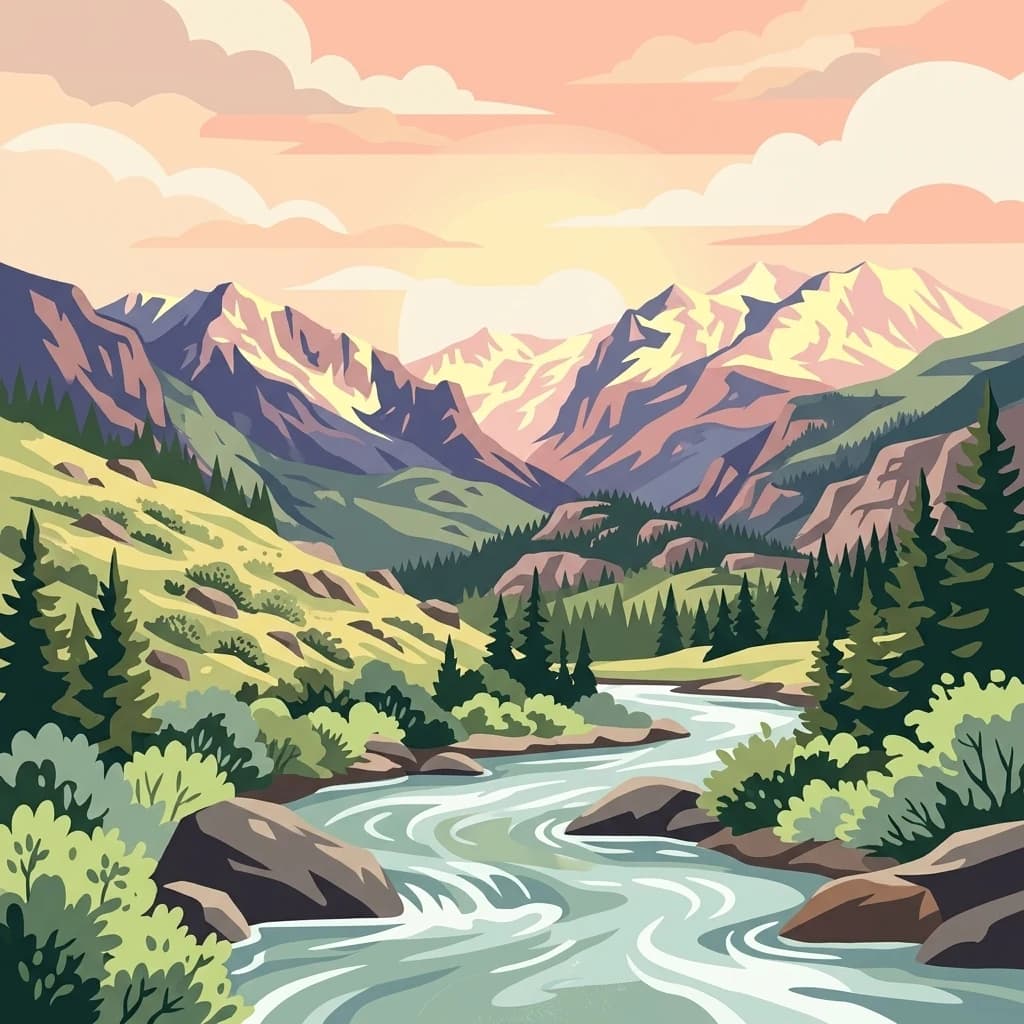
Platte River Wilderness is a federally designated wilderness area in the mountains of southern Wyoming and northern Colorado, managed by the U.S. Forest Service as part of the larger Medicine Bow-Routt National Forest system. The wilderness follows the upper North Platte River corridor, a region defined by deep canyon terrain, pine and spruce forests, and the rocky gorge of Northgate Canyon. Although it spans only about 23,492 acres, the area concentrates a remarkable variety of mountain river scenery into a relatively compact borderland unit.
The wilderness was designated in 1984 through the Wyoming Wilderness Act, bringing formal federal protection to a long-recognized stretch of the North Platte's headwaters landscape. It is administered jointly across two national forests, with most of the area inside Medicine Bow National Forest in Wyoming and a small parcel within Routt National Forest in Colorado. This cross-border setting gives the wilderness a transitional character between the Medicine Bow Range and the Park Range of Colorado.
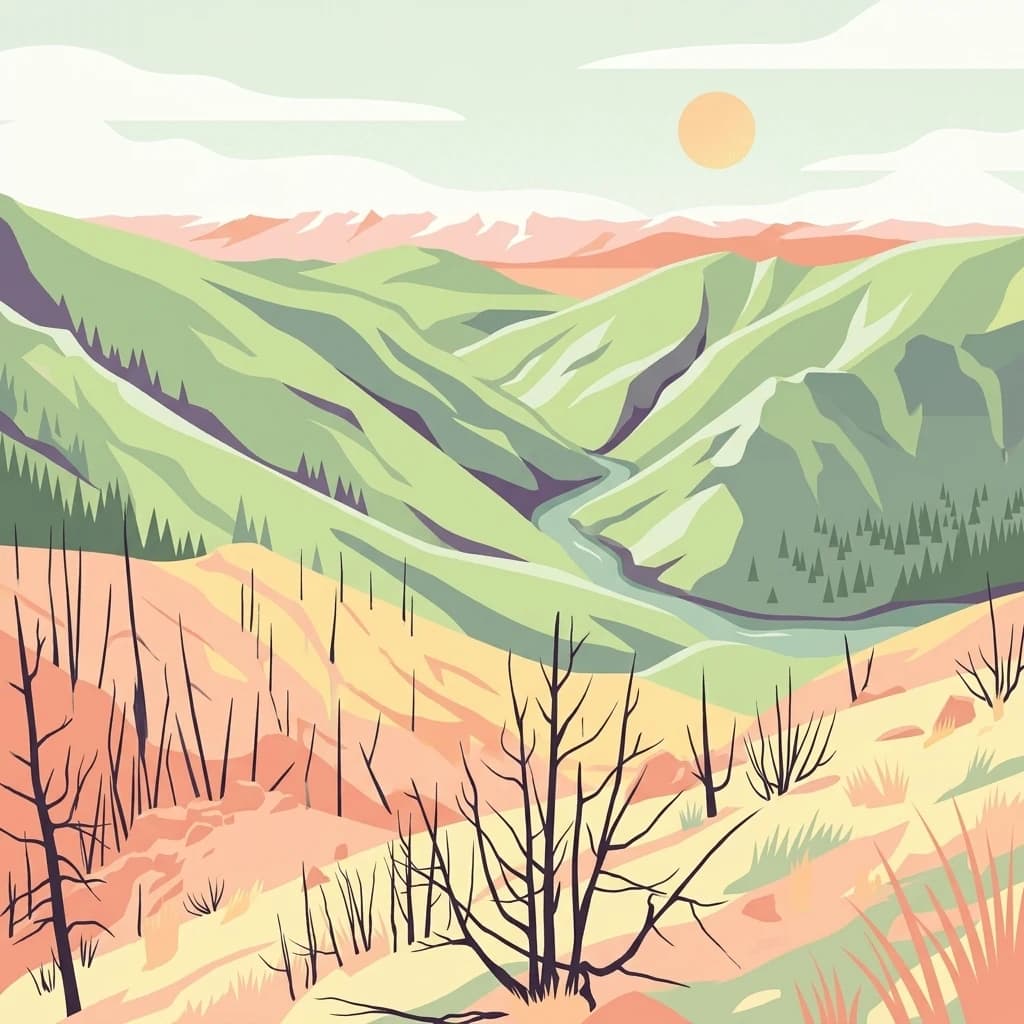
Platte River Wilderness is best known today for its combination of wild river corridors, conifer forest landscapes, and recreational river-running, as well as for the dramatic ecological transformation caused by the 2020 Mullen Fire. The fire reshaped much of the forest cover, but also created the mosaic habitat conditions that now support strong populations of elk, mule deer, and bighorn sheep across the burn scar.