
Why Pleshcheyevo Lake National Park stands out
The park is best known for protecting Lake Pleshcheyevo, a classic glacial lake of the Upper Volga, whose clear waters, broad open shoreline, and surrounding forests form a distinctive landscape on the East European Plain. It is equally renowned among naturalists for the Pereslavl cisco, an endemic whitefish adapted to the lake's specific conditions, and for being an important bird area where herons, swans, geese, and rare raptors can be observed along accessible ecological trails.
Pleshcheyevo Lake National Park history and protected-area timeline
The national park was formally established on 26 September 1988 by a resolution of the Council of Ministers of the RSFSR under the name Pereslavl Natural-Historical National Park. At its founding, the park functioned as a structural unit of the Yaroslavl Oblast administration and was conceived as a combined natural and historical reserve, reflecting the close link between the lake and the medieval town of Pereslavl-Zalessky.
In 1998, a resolution of the Government of the Russian Federation redesignated the territory as National Park "Pleshcheyevo ozero" and confirmed it as a specially protected natural area of federal significance. Beginning in 2000, the park was placed under the authority of the Ministry of Natural Resources of the Russian Federation, and it is currently administered by the Ministry of Natural Resources and Ecology.
The park's name reflects its origin in the broader Pereslavl reserve concept, but the present designation emphasizes the lake itself as the central natural feature. Over time, the park has consolidated its role as both an ecological refuge in the Upper Volga basin and a guardian of the surrounding cultural and archaeological heritage.
Pleshcheyevo Lake National Park landscape and geographic character
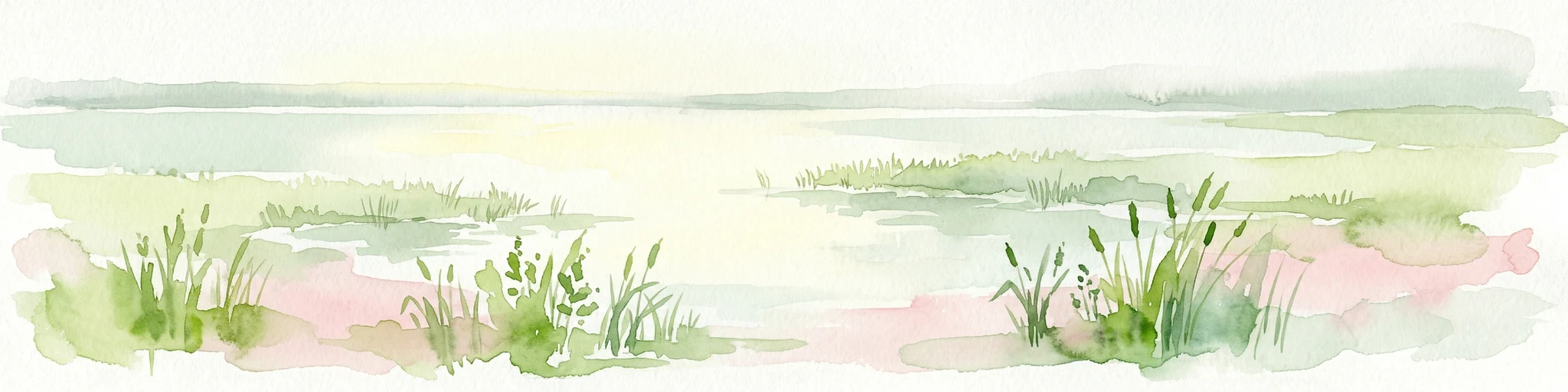
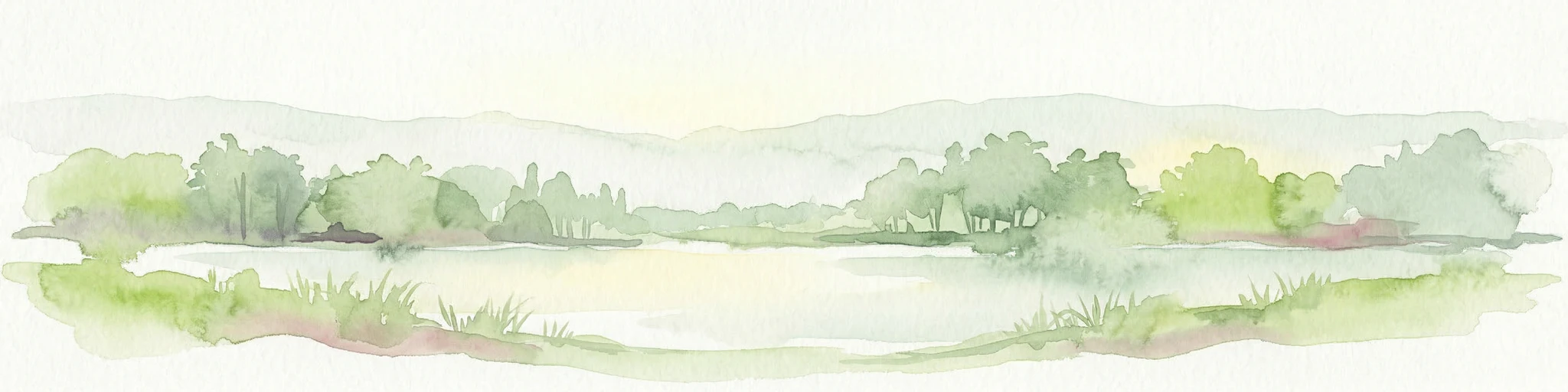
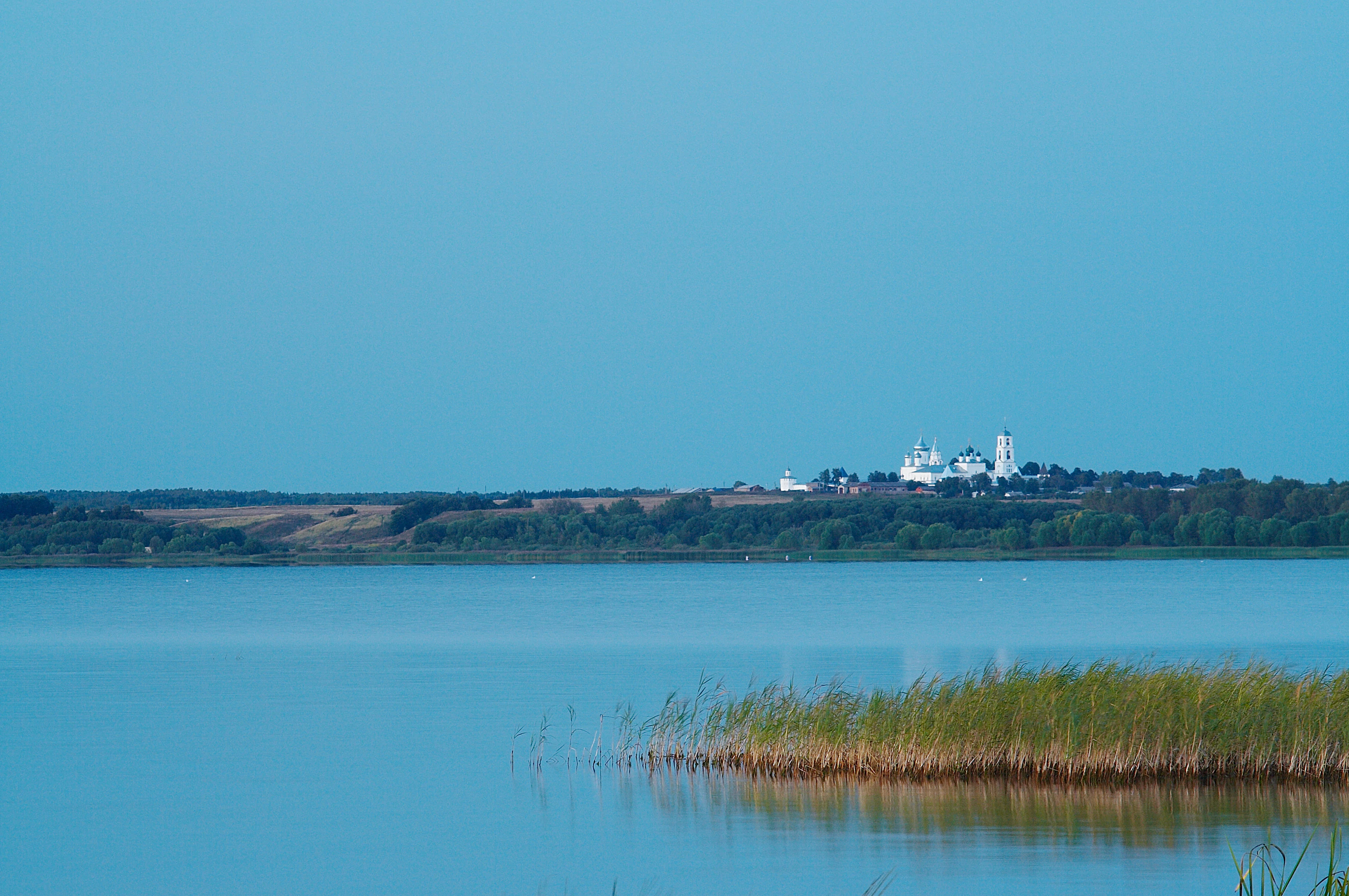
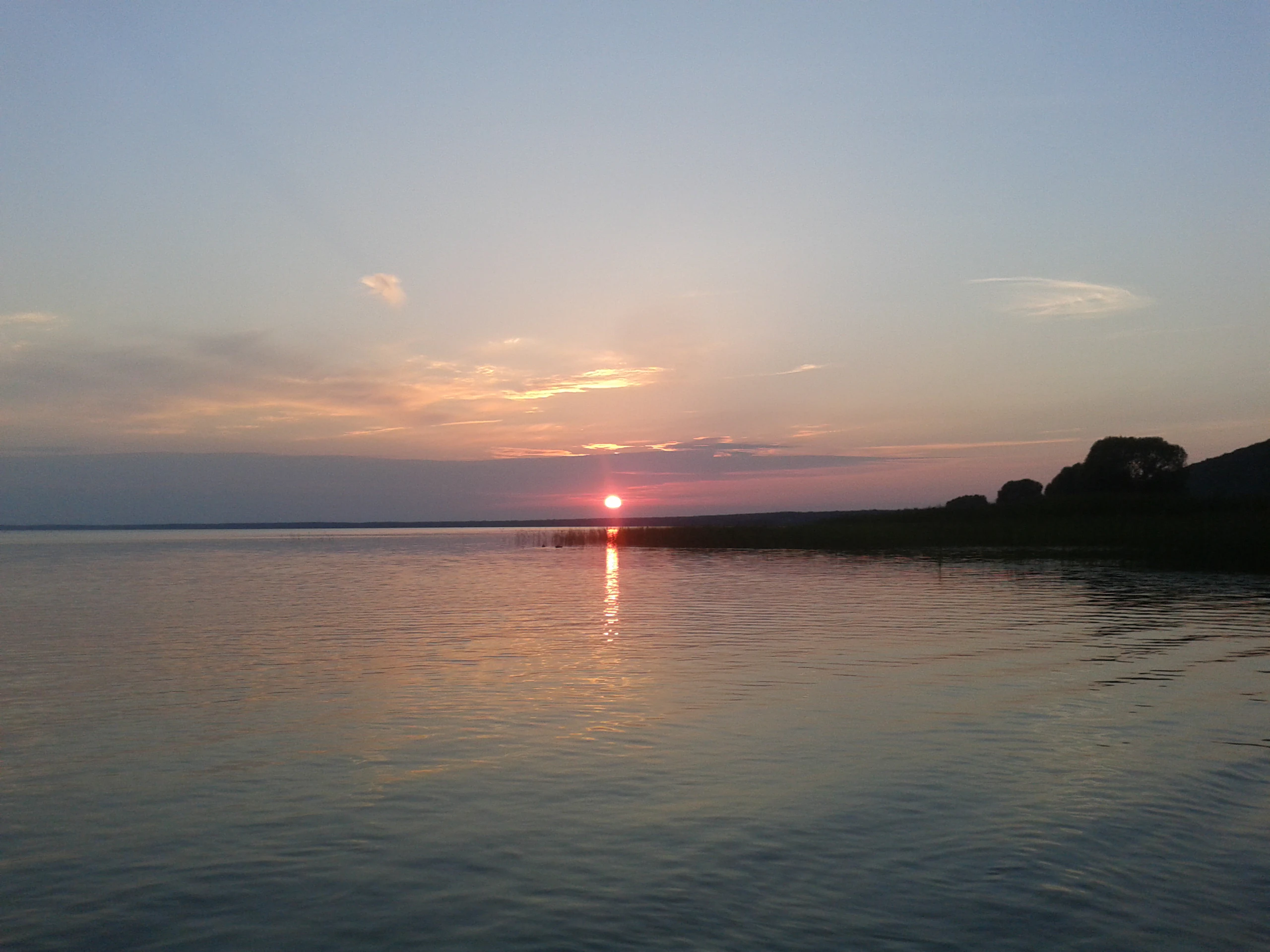
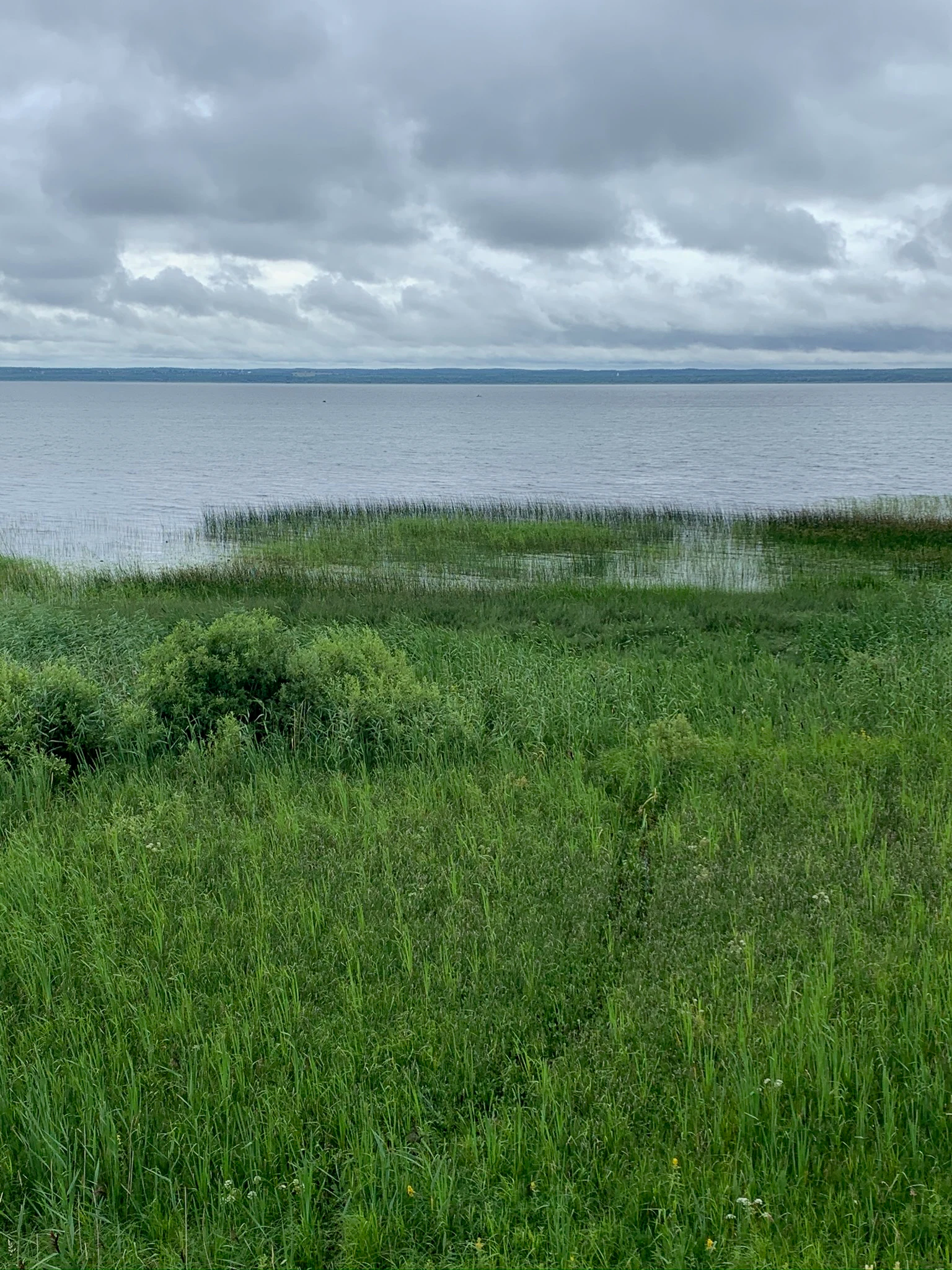
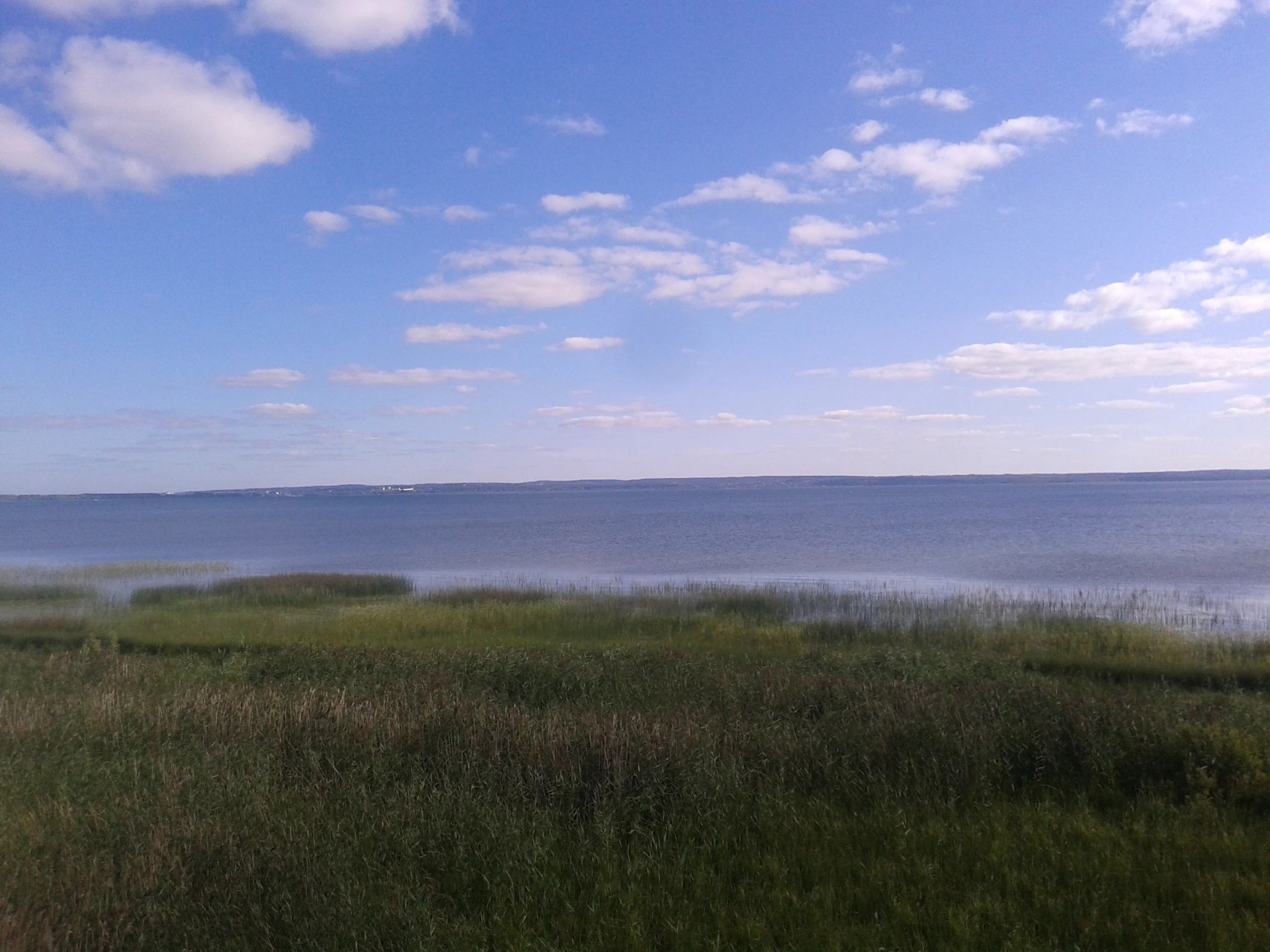
The landscape of Pleshcheyevo Lake National Park is built around a large glacial lake that occupies the broad, flat lowland of the Upper Volga basin on the East European Plain. The lake's open waters and gently curving shoreline define the visual character of the park, framed by forested slopes, low hills, and boggy inlets.
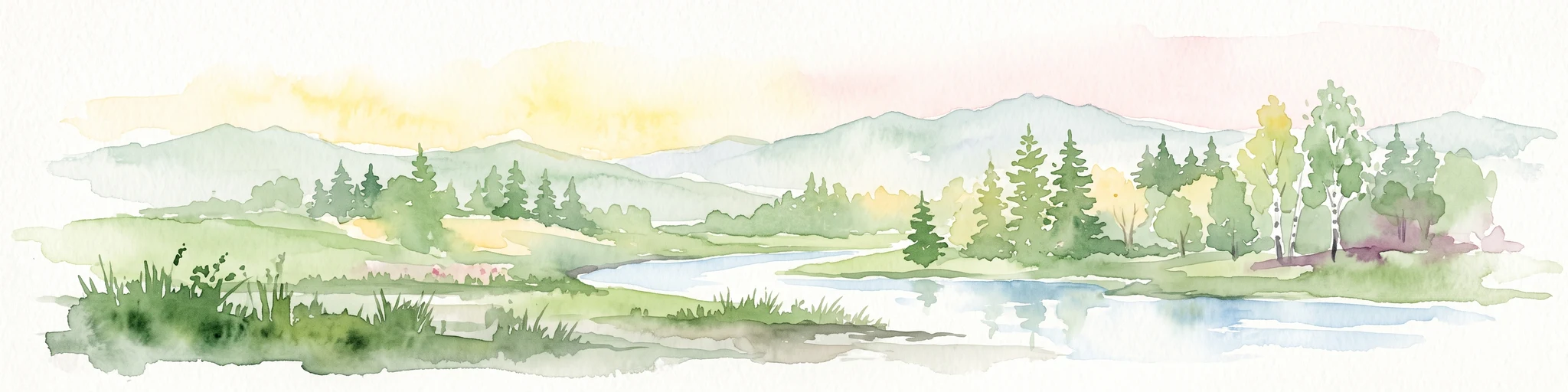
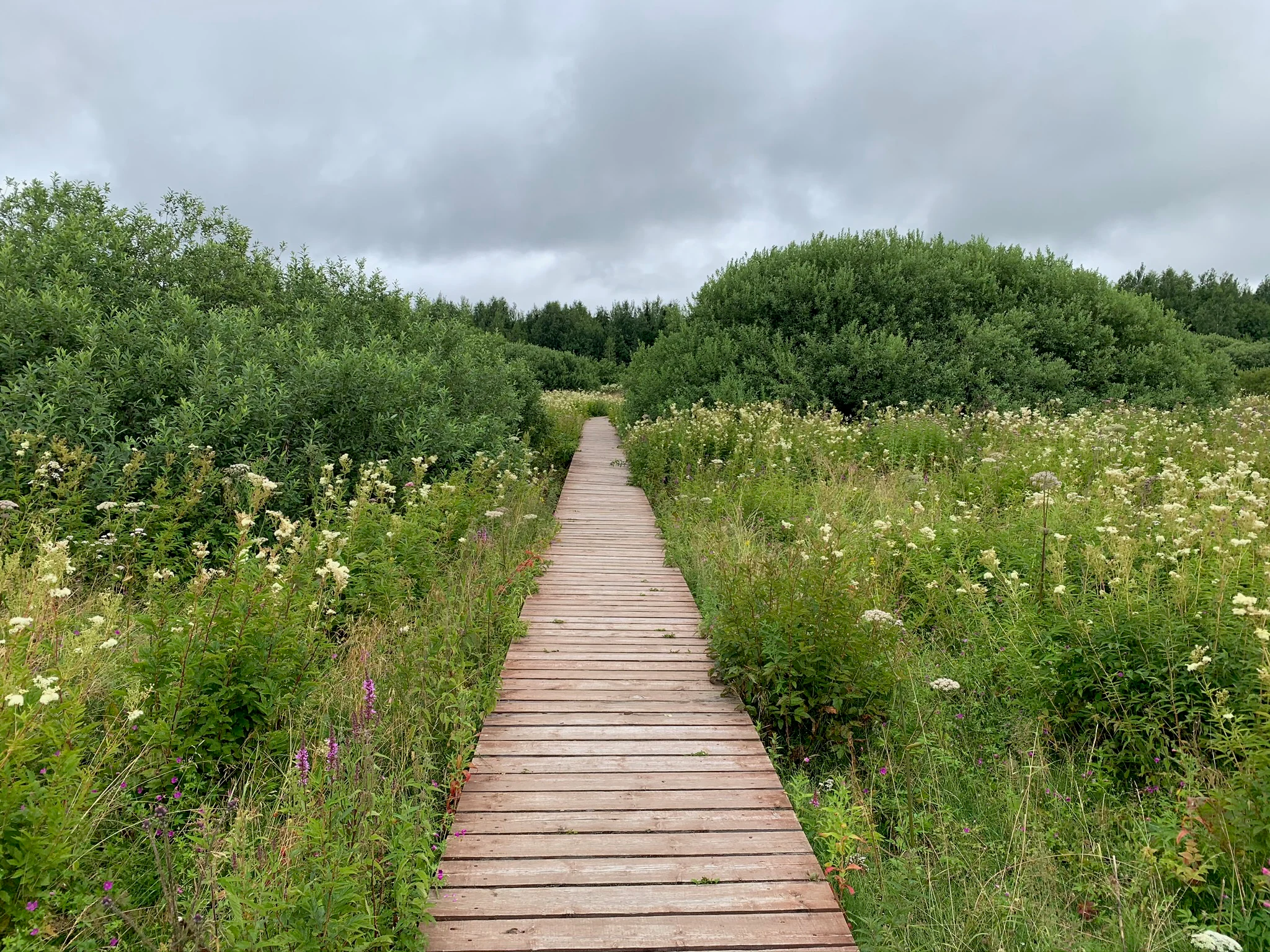
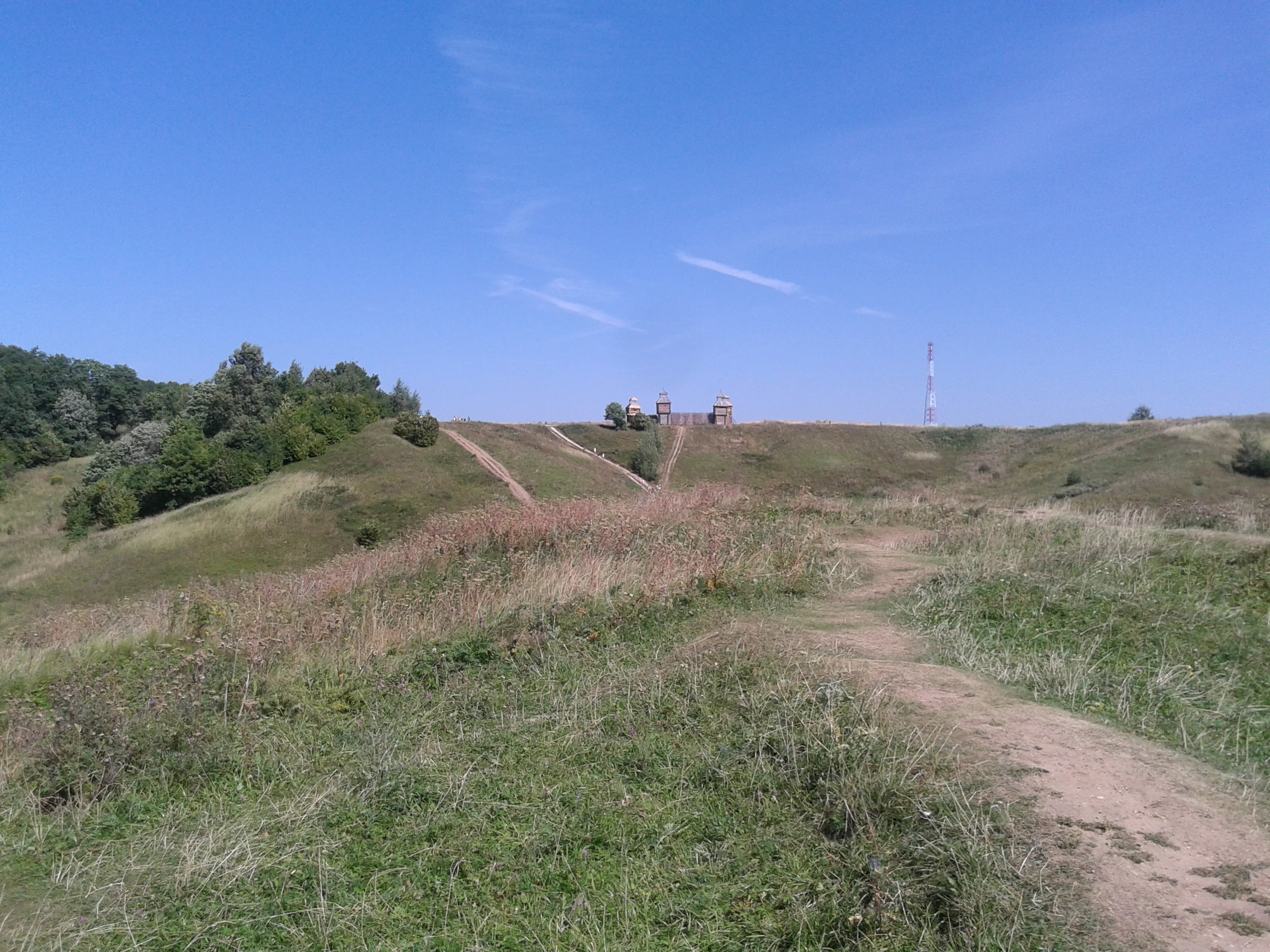
Around the lake, the terrain transitions into a mosaic typical of the forest zone of central European Russia. Mixed forests of birch, aspen, spruce, and pine dominate the upland areas, while raised peat bogs occupy deeper lowland basins. Small rivers and streams feed the lake, creating marshy verges, sedge meadows, and reed belts along the shore. On the western side of the lake rises Aleksandrova Gora, a prominent hill overlooking the water and offering panoramic views over the protected landscape.
The Blue Stone, a large boulder on the lakeshore, is one of the most recognizable natural landmarks of the area. Together, the lake, the surrounding forests, the bogs, and the gentle relief create a landscape that feels open and expansive, yet richly textured at the edges where water, wetland, and woodland meet.
Pleshcheyevo Lake National Park ecosystems, habitats, and plant life
The park's natural environment reflects its position at the meeting point of forest and plain ecosystems in central European Russia. Forests cover roughly half of the protected area, dominated by small-leaved species such as birch and aspen, with significant stands of dark coniferous forest composed of spruce and, in drier sites, pine. Small but ecologically valuable patches of broadleaf forest include oak, linden, maple, ash, and alder. The park sits near the northern limit of the range of pedunculate oak, making these oak stands of particular biogeographical interest.
Wetland systems form the second major ecological component. Raised peat bogs, shore marshes, and water meadows create a network of saturated habitats that buffer the lake and support specialized plant communities. The flora of the park is unusually diverse for this latitude, with hundreds of recorded plant species representing close to a hundred families, including rare taxa protected at the federal and regional levels.
Aquatic and shoreline habitats add a further layer of ecological complexity. The lake itself, its tributary streams, and associated shallow zones support a range of aquatic and semi-aquatic species. The combination of open water, marshy edges, and adjacent forest creates a strong gradient of habitat types that supports the park's high biodiversity.
Pleshcheyevo Lake National Park wildlife and species highlights
The mix of lake, wetland, forest, and meadow habitats supports a remarkably rich vertebrate fauna. The park is home to a substantial bird community that uses the lake and its shores as breeding, resting, and seasonal habitats. Herons, gray geese, whooper swans, and common cranes are regularly observed, alongside numerous forest and shoreline species. Several birds of conservation concern, including white-tailed eagle, peregrine falcon, osprey, and black stork, use the park's territories as part of their range.
Mammals in the park include both widespread forest species and animals of particular conservation interest. Among the species recorded are Siberian wapiti and roe deer, while smaller mammals such as the flying squirrel and the least shrew contribute to the area's biodiversity value. Reptiles and amphibians are present in modest but ecologically meaningful numbers, and more than a hundred insect species have been documented, including rare butterflies.
The lake's fish fauna is of special interest. Lake Pleshcheyevo hosts a range of freshwater species, including an endemic local form of the European cisco, the Pereslavl cisco, which has become one of the symbols of the park's natural heritage. A dedicated ecological trail, the Gray Heron route, gives visitors direct access to some of the richest birdwatching areas within the protected territory.
Pleshcheyevo Lake National Park conservation status and protection priorities
Pleshcheyevo Lake National Park plays a significant conservation role on the East European Plain by safeguarding a large glacial lake and the ecological systems surrounding it. Its protected status under the Ministry of Natural Resources and Ecology gives it federal-level recognition and long-term protection against incompatible land use.
The park preserves populations and habitats of species that are rare or declining elsewhere in central Russia. Red-listed plants, insects, fish, and birds all depend on the continuity of habitats the park maintains, including peat bogs, old-growth forest stands, and the specialized environment of the lake itself. The endemic Pereslavl cisco is a particularly clear example of how a single body of water can harbor a globally unique form of life requiring targeted conservation.
Beyond individual species, the park functions as a landscape-scale conservation unit. By maintaining ecological connectivity between forest, wetland, agricultural, and aquatic habitats, and by combining natural protection with the management of cultural heritage sites, it contributes to broader efforts to preserve the functional integrity of the Upper Volga natural environment.
Pleshcheyevo Lake National Park cultural meaning and human context
The park's identity is inseparable from the cultural landscape of Pereslavl-Zalessky, one of the oldest towns of Russia's Golden Ring and the historical heart of the surrounding territory. Pereslavl lies on the shore of Lake Pleshcheyevo, and its medieval foundation set the stage for centuries of interaction between the lake and the people of the region.
Within the park, archaeological monuments record much older human presence. The lost town of Kleshchin, dating from the 11th and 12th centuries, is one of several historic sites associated with the early story of the Russian state on the Upper Volga. Aleksandrova Gora, the hill overlooking the lake, has long been part of local lore and historical memory, while the Blue Stone on the shore carries traditional cultural meaning as a distinctive natural landmark.
The contemporary park thus operates as both a natural reserve and an open-air heritage landscape, where medieval architecture, ancient earthworks, and traditional land use coexist with managed forests, wetlands, and lake ecosystems.
Top sights and standout views in Pleshcheyevo Lake National Park
Centered on the broad glacial waters of Lake Pleshcheyevo and surrounded by a rich mosaic of forest and wetland, the park stands out as one of the most ecologically diverse protected areas on the East European Plain. Its combination of boreal and broadleaf forest elements, extensive peatlands, and open lake habitat gives it an unusually layered natural character.
The park's biological highlights include the endemic Pereslavl cisco, important breeding and migratory bird populations, and rare species across plants, mammals, and insects. Equally distinctive is its integration of these natural values with the deep historical landscape of Pereslavl-Zalessky, making it a place where ecological discovery and cultural heritage sit side by side.
Best time to visit Pleshcheyevo Lake National Park
Late spring and summer are the most rewarding seasons for visiting Pleshcheyevo Lake National Park. During these months the lake is fully accessible visually and from the shoreline trails, deciduous and coniferous forests are in full leaf, and bird activity is at its peak. The Gray Heron ecological trail is particularly lively in this period, offering close observation of wading birds, waterfowl, and shoreline species.
Autumn brings quieter conditions, cooler air, and shifting colors across the mixed and coniferous forests, while the lake remains a calm and reflective landscape. Winters around the lake are typically cold and snowy, transforming the surface and surroundings into a stark, open setting. The relative accessibility of the park from Pereslavl-Zalessky, and its position within reach of Moscow and Yaroslavl, means that different seasons each offer a distinct atmosphere focused on water, forest, and birdlife.