Why Plumper Cove Marine Provincial Park stands out
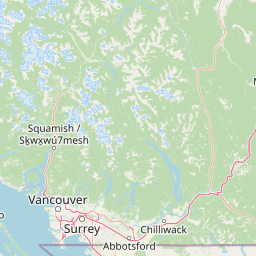
Plumper Cove Marine Provincial Park is best known as a peaceful marine anchorage and campground along Howe Sound, accessible mainly by boat from the Vancouver and Sunshine Coast region. The park's sheltered cove, walk-in campsites, and forested upland trails give it a quiet, low-impact character that distinguishes it from larger and busier mainland provincial campgrounds. Its status as one of the earliest dedicated marine parks on the British Columbia coast also gives it historical significance within BC Parks' broader network. The combination of marine and forest environments, along with the absence of regular vehicle traffic, has helped it retain a natural, low-key atmosphere favored by recreational boaters and hikers exploring the southern Salish Sea.
Plumper Cove Marine Provincial Park history and protected-area timeline
Plumper Cove Marine Provincial Park was officially established on February 22, 1960, making it one of the earliest marine parks designated along the British Columbia coast. Its creation reflected the growing recognition, during the post-war period, of marine and coastal environments as landscapes worthy of formal protection, separate from the better-known mountain and interior parks of the province.
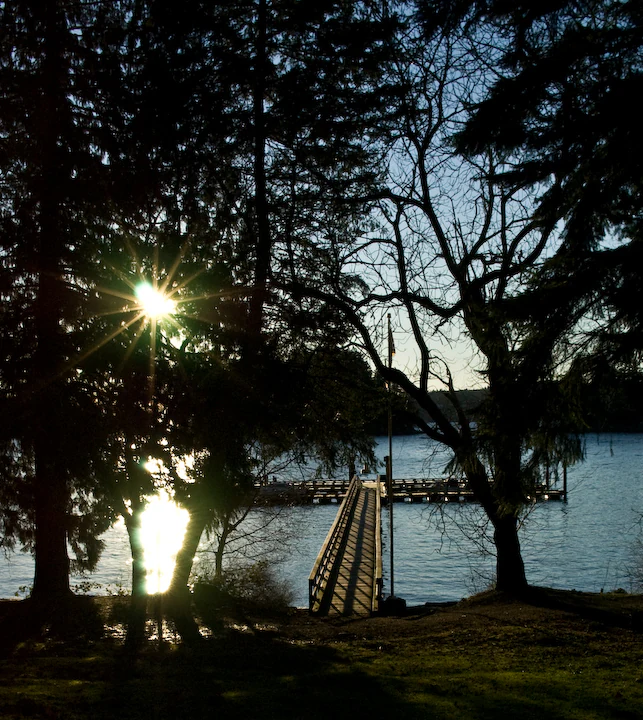
Over the following decades, the park became a familiar fixture in the roster of BC Parks, valued particularly for its sheltered anchorage in Howe Sound. In 2006, the park's main dock was destroyed by storm damage, and the dock was rebuilt and replaced in 2007, restoring boater access to the site and reaffirming its role as a working marine park. Today it continues to be managed by BC Parks as part of the provincial protected areas system of British Columbia.
Plumper Cove Marine Provincial Park landscape and geographic character
The landscape of Plumper Cove Marine Provincial Park is shaped by the meeting of forest and sheltered saltwater along Howe Sound. The cove itself is a small, protected indentation on the northwest shore of Keats Island, framed by forested slopes and low rocky shoreline. This combination of calm water, rocky edge, and wooded upland is typical of the southern Howe Sound coast, where steep forested ridges descend toward a labyrinth of islands, channels, and quiet inlets.
Inland from the cove, the terrain rises into a low bluff and gently rolling upland covered in coastal forest. The Keats Loop trail leads to a lookout point on higher ground, offering views out over the surrounding waters, while a separate trail connects the park toward Keats Landing on the other side of the island. The bluffs and small elevation changes create a layered experience of marine and terrestrial scenery without demanding strenuous climbing.
Surrounding the park, the broader Howe Sound landscape is defined by steep coastal mountains, scattered islands, and deep blue water. Although much of that dramatic scenery is glimpsed from a distance, it forms the constant backdrop to the park's own more intimate combination of cove, forest, and rocky shore.
Plumper Cove Marine Provincial Park ecosystems, habitats, and plant life
Ecologically, Plumper Cove sits within the coastal western hemlock biogeoclimatic zone that dominates much of British Columbia's southern coast, where mild, wet winters and dry summers support dense coniferous forests. The upland around the park is covered by this kind of evergreen forest, with a mossy understory and the layered structure typical of the Pacific Northwest shoreline.
Below the tideline, the marine environment of Howe Sound supports kelp, eelgrass, and the rocky and gravelly substrates typical of sheltered coastal inlets. The relatively undisturbed shoreline around Plumper Cove contributes to this mix, providing habitat for marine creatures associated with quiet, semi-protected waters along the Salish Sea.
The combined forest and marine setting gives the park an ecological character more aligned with the sheltered southern coast than with the more exposed outer coast of Vancouver Island. The interplay of upland forest, rocky intertidal, and calm cove water means that even within its small footprint, the park protects a representative slice of the southern Howe Sound environment.
Plumper Cove Marine Provincial Park wildlife and species highlights
Because of its forested uplands and sheltered coastal waters, Plumper Cove supports a mix of marine and woodland wildlife characteristic of the southern British Columbia coast. The surrounding waters host fish and marine invertebrates typical of Howe Sound, while the intertidal zone along the cove provides habitat for shore-dwelling creatures adapted to the rhythmic rise and fall of Pacific tides.
The coastal forest on Keats Island provides cover and food for typical southern coast songbirds and larger woodland birds, including bald eagles, which are often seen along shorelines in this region. Small mammals associated with the coastal forest understory are also present, contributing to the general quiet biodiversity of the upland areas.
The combination of forest, shoreline, and open water means the park is best appreciated as a place where marine and terrestrial wildlife overlap. Visitors tend to encounter wildlife as part of the broader experience of the cove, rather than as a single visible spectacle.
Plumper Cove Marine Provincial Park conservation status and protection priorities
Plumper Cove Marine Provincial Park has been part of British Columbia's protected areas system since 1960, giving it one of the longer conservation histories of any marine park on the BC coast. Its protected status is intended to preserve the integrity of the cove, its adjacent forest, and the broader visual and ecological character of this stretch of Howe Sound.
As a marine park in a heavily used recreational waterway, Plumper Cove plays a role in maintaining a natural buffer along an otherwise busy cruising corridor. The combination of upland forest and protected shoreline helps preserve shoreline habitat that might otherwise be impacted by development pressures on the surrounding islands and coastal mainland.
The park is also notable for its management approach, which deliberately limits vehicle access. By relying on marine and foot access rather than road infrastructure, the park reduces the level of disturbance inside its boundaries and supports a quieter form of recreation. This long-running emphasis on low-impact access has been a defining feature of its conservation character.
Plumper Cove Marine Provincial Park cultural meaning and human context
Plumper Cove lies within the broader cultural geography of the southern Salish Sea, where Indigenous peoples including the Squamish, Sechelt, and other Coast Salish communities have long inhabited the islands, inlets, and shorelines of Howe Sound and the Sunshine Coast. The waters around Keats Island and the surrounding mainland form part of the traditional territories of these communities, whose connections to the marine and forest resources of the region extend back many generations.
In the modern era, the park's identity is tied to recreational rather than traditional cultural use. Boaters from Vancouver, Gibsons, and the broader Sunshine Coast region have long used Plumper Cove as an anchorage and overnight stop, and it has become a familiar landmark within the cruising culture of southern British Columbia. The combination of natural setting and boat-only access gives it a particular place within the regional identity of recreational marine travel along this part of the coast.
Top sights and standout views in Plumper Cove Marine Provincial Park
Among the park's strongest qualities is the combination of a sheltered marine anchorage with a forested upland environment rarely found together in such a compact setting. Walk-in campsites tucked into the trees and a grassy upland picnic area offer a quiet, immersive experience of the coastal forest, while the cove itself provides a calm harbor for boaters traveling the waters of Howe Sound.
The trail system, including the Keats Loop lookout and the longer trail toward Keats Landing, adds a hiking dimension uncommon at many purely marine anchorages. The park's status as one of the older marine parks on the British Columbia coast and the deliberate absence of vehicle access together give Plumper Cove a distinctive character that continues to appeal to visitors seeking a quieter side of the southern BC coast.
Best time to visit Plumper Cove Marine Provincial Park
The park's character changes substantially with the seasons. Summer is the most active period, when warmer weather, longer daylight hours, and frequent recreational boating bring more visitors to the cove. This is when the campground and picnic areas are busiest and when camping and moorage fees are typically applied, and it offers the most reliable conditions for anchoring, hiking the trails, and combining a visit with regional cruising along Howe Sound.
Outside of the peak season, the park takes on a quieter and more solitary atmosphere. From late autumn through spring, services are reduced and many facilities are free to use, but the weather along this part of the BC coast is wetter and less predictable, the days are shorter, and access by ferry and water taxi becomes more irregular. Spring and early autumn can offer a useful balance between milder conditions, fewer visitors, and a sense of the park returning to its quieter natural rhythms.