Why Poloniny National Park stands out
Poloniny National Park is best known for its exceptional old-growth beech forests that comprise part of the UNESCO World Heritage Site "Primeval Beech Forests of the Carpathians." The park protects some of the most pristine and ecologically significant forest ecosystems in Slovakia, with Stužica being the only area accessible to the public among the World Heritage components. The park is also renowned for its traditional polonina meadows, open montane grasslands situated along the main ridge of the Bukovské vrchy, that represent a cultural and ecological landscape element unique to this region of the Eastern Carpathians. The presence of large mammals including Eurasian lynx, brown bear, and a reintroduced herd of European bison (wisent) adds to the park's ecological significance.
Poloniny National Park history and protected-area timeline
Poloniny National Park was officially established on October 1, 1997, with an initial protected area of 298.05 km² and a buffer zone of 109.73 km². The park's creation represented the culmination of decades of conservation efforts in the Bukovské vrchy region, where individual protected areas had been designated since the 1960s. The national park status provided a comprehensive framework for protecting the interconnected ecosystems of this transboundary region.
Prior to the park's establishment, several key reserves had already been protected. The national nature reserves of Stužica (1965), Havešová (1964), Rožok (1965), and Jarabá skala (1964) preserved the old-growth forest communities that distinguish this area. These reserves, along with others added in subsequent decades, formed the ecological foundation upon which the national park was built. The management of the park is handled by Správa NP Poloniny, based in the village of Stakčín.
A significant milestone for the park came in 2007 when three areas within the Bukovské vrchy—Havešová, Stužica, and Rožok—were inscribed as part of the "Primeval Beech Forests of the Carpathians" UNESCO World Heritage Site. This international recognition acknowledged the outstanding universal value of these forest ecosystems. The World Heritage Site was later expanded in 2011 and 2017 to include additional components in Slovakia and Ukraine.
Poloniny National Park landscape and geographic character
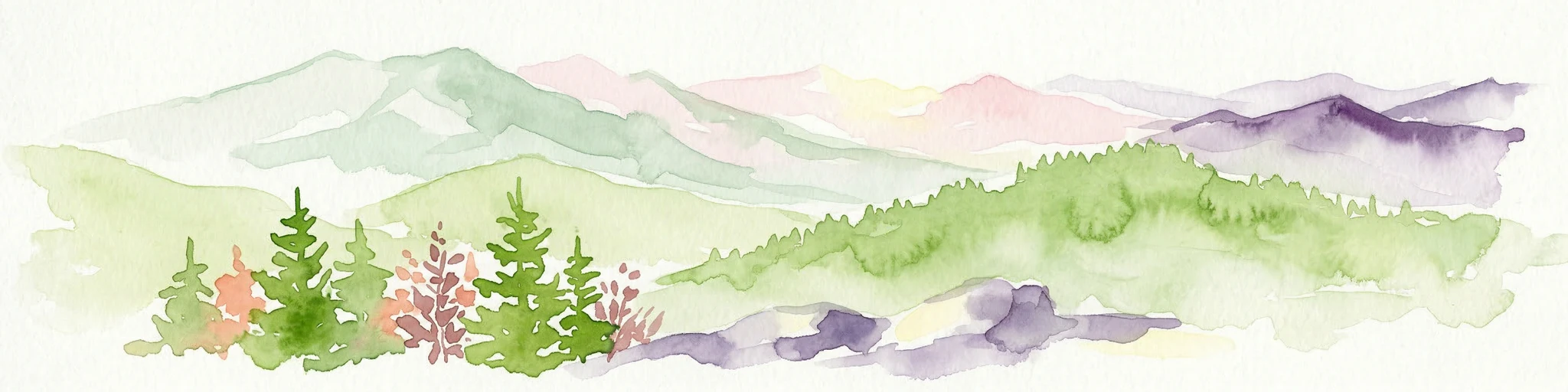
The landscape of Poloniny National Park is defined by the mountainous terrain of the Bukovské vrchy, a range within the Eastern Carpathians characterized by parallel ridges, steep-sided valleys, and distinctive geological formations. The predominant rock types include flysch and sandstone, which influence soil development and the general topography of the area. Elevations range from around 400 meters in the valley bottoms to 1,208 meters at Kremenec, the highest point in the park and the meeting point of three national borders.
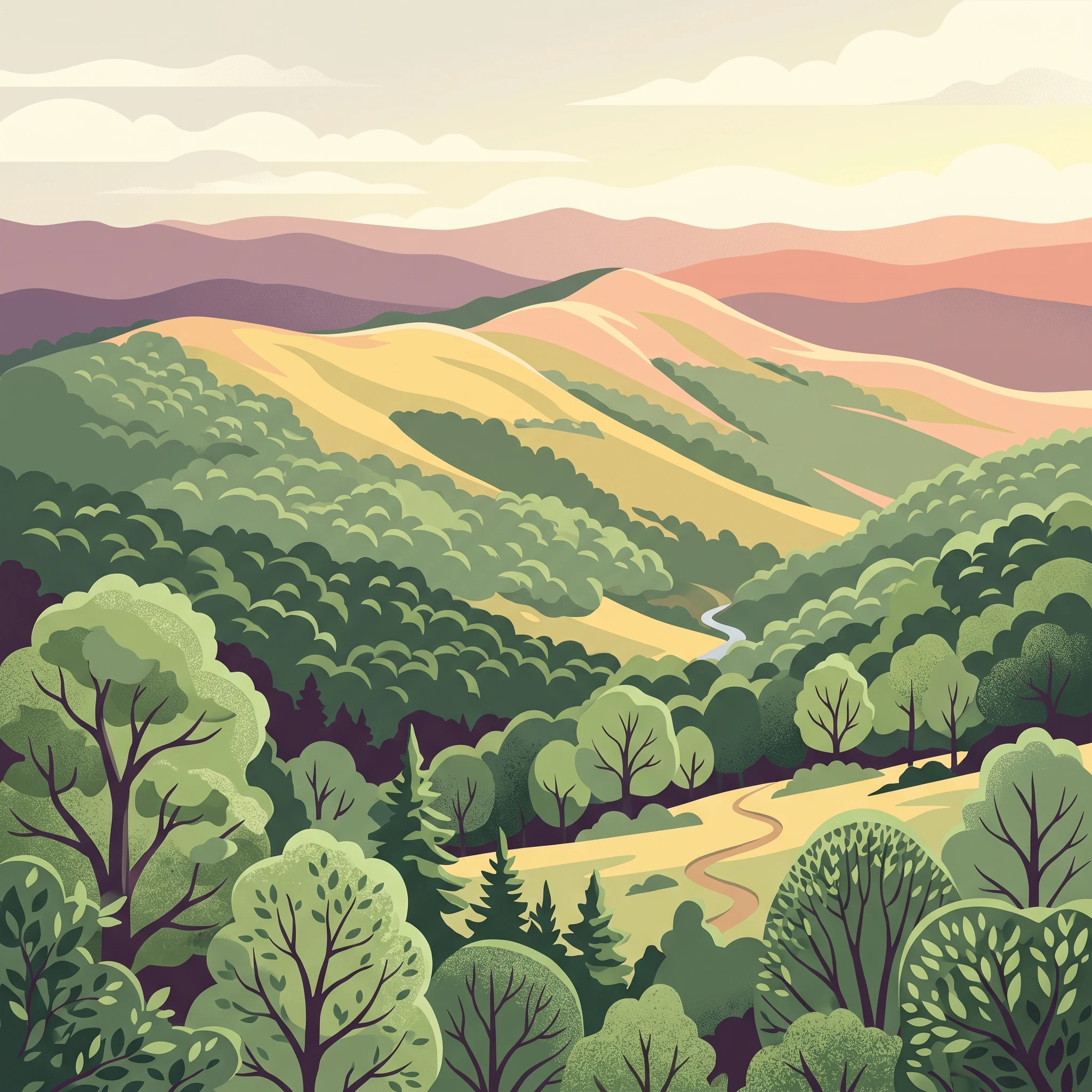
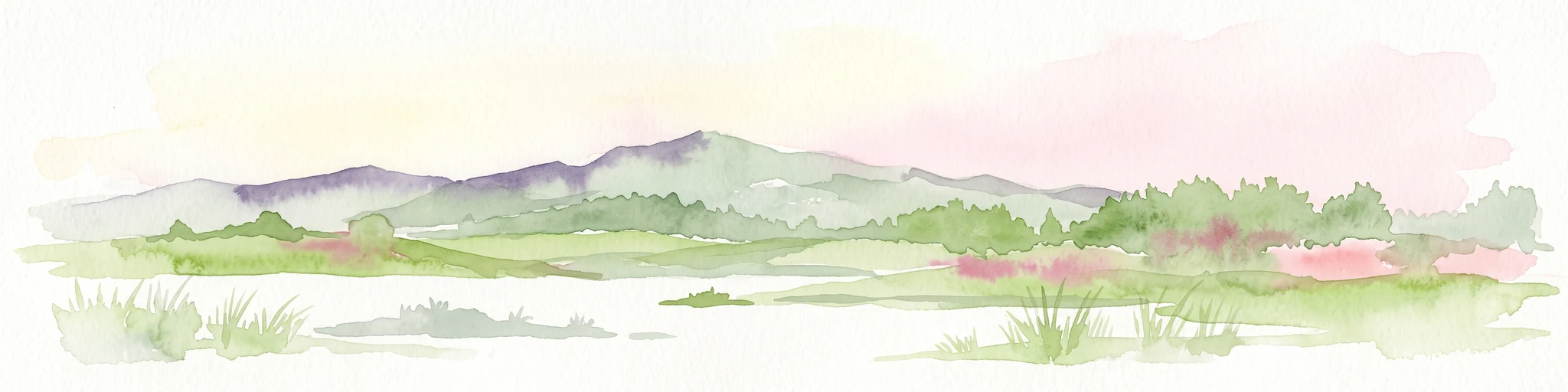
The most distinctive landscape feature of the park is the chain of polonina meadows along the main ridge of the Bukovské vrchy. These open montane grasslands, maintained through traditional pastoral practices, create a characteristic mosaic of forest and open meadow that distinguishes this Carpathian landscape. The meadows provide sweeping views across the mountainous terrain and support unique ecological communities adapted to these open, often exposed positions.
Forests dominate approximately 80% of the park's area, covering the slopes and valleys with continuous tree cover. The combination of forested ridges, open meadow corridors, and the geometric pattern created by the underlying geology produces a landscape of considerable visual diversity and ecological complexity.
Poloniny National Park ecosystems, habitats, and plant life
The ecological character of Poloniny National Park is defined by its extensive forest cover and the presence of some of the most intact old-growth forest ecosystems in Slovakia. Beech and beech-fir forests dominate the woodland, representing the natural forest type of the Eastern Carpathians at these elevations. These forests contain trees of considerable age and size, with the oldest specimens in the primeval reserves exhibiting the structural complexity characteristic of unmodified forest ecosystems—dead standing and fallen wood, multiple canopy layers, and a mix of species ages.
The park supports an exceptional diversity of organisms, with approximately 5,981 known species of invertebrates and 294 vertebrate species recorded within its boundaries. Among the invertebrates, particular richness is found in groups such as butterflies (819 species), true bugs (1,472 species), and spiders (403 species). The fungal community is equally remarkable, with around 800 species of fungi and 100 species of lichens documented. About 1,000 species of vascular plants have been identified, including many that are endangered and legally protected.
The park contains the highest concentration of old-growth forests in Slovakia, protected within a network of national nature reserves and nature reserves. These include the primeval forests of Havešová, Stužica, and Rožok, which were designated as a UNESCO World Heritage Site in 2007 due to their comprehensive and undisturbed ecological patterns and processes. The conservation of these forests is considered essential for maintaining the ecological integrity of the broader Carpathian mountain system.
Poloniny National Park wildlife and species highlights
Poloniny National Park supports populations of large mammals that are characteristic of intact Carpathian forest ecosystems. The Eurasian lynx (Lynx lynx) and brown bear (Ursus arctos) are present throughout the forested terrain, representing apex predators and megafauna that require extensive wilderness areas. These species benefit from the park's extensive forest cover and its connection to adjacent protected areas in Poland and Ukraine, which together form the East Carpathian Biosphere Reserve.
A notable conservation success story in the park is the reintroduction of the European bison (wisent, Bison bonasus). A small herd was established in 2004, and by 2016 the population had grown to approximately 25 individuals. The population is augmented by individuals that migrate from Poland, maintaining genetic connectivity across the transboundary landscape.
The bird community includes 198 species, reflecting the diversity of forest habitats, open meadows, and the mosaic of different successional stages present in the park. Among the vertebrates, 13 species of amphibians and 8 species of reptiles have been recorded, indicating the presence of suitable aquatic and terrestrial habitats for these groups. The combination of old-growth forest, montane meadows, and the relatively limited human disturbance contributes to the wildlife significance of this protected area.
Poloniny National Park conservation status and protection priorities
Poloniny National Park holds exceptional conservation significance as Slovakia's repository of the most pristine old-growth beech forests in the country. The inclusion of three forest reserves—Havešová, Stužica, and Rožok—within the UNESCO World Heritage Site "Primeval Beech Forests of the Carpathians" recognizes these ecosystems as having outstanding universal value. This designation reflects the forests' comprehensive representation of natural ecological processes and their absence of significant human modification.
The park forms a critical component of the East Carpathian Biosphere Reserve, a transboundary protected area that includes Slovakia's Poloniny, Poland's Bieszczady National Park, and Ukraine's Uzhanskyj National Park. This international cooperation ensures the protection of ecological processes that cross national borders, particularly for wide-ranging species such as lynx and bear that require large contiguous territories.
The network of protected areas within the park includes multiple national nature reserves and nature reserves that protect specific ecological communities, geological features, and habitats. The designation of several areas as Natura 2000 sites further reinforces the protection of species and habitats of European importance. The park's protection level is classified as IUCN Category II (National Park), reflecting its primary objective of protecting natural ecosystems while allowing for limited public use.
Poloniny National Park cultural meaning and human context
The cultural landscape of Poloniny reflects centuries of human presence in this mountainous border region. The traditional settlements within and adjacent to the park maintain elements of the distinctive cultural heritage of the Slovak and Rusyn communities of the Eastern Carpathians. The region has historically been characterized by pastoral activities, with the maintenance of polonina meadows representing a traditional land use that shaped the landscape over generations.
Of particular note are the wooden churches found in several villages within the park's vicinity. The churches in Topoľa, Uličské Krivé, and Ruský Potok date to the 18th century and represent traditional Carpathian wooden architecture. These structures, dedicated to various saints, function as both religious venues and cultural landmarks that connect the human history of the region to its natural landscape.
The park remains one of the least populated areas of Slovakia, with the sparse settlement pattern contributing to the preservation of natural conditions. Some villages within and around the park maintain traditional building practices and cultural traditions, providing a cultural context that complements the outstanding natural values of the area.
Top sights and standout views in Poloniny National Park
Poloniny National Park offers visitors access to one of Europe's most significant forest wilderness areas, with the primeval beech forests of Stužica providing the only publicly accessible component of the UNESCO World Heritage Site. The network of marked hiking trails connects the park's interior with trailheads in villages such as Nová Sedlica, Runina, and Uličské Krivé, with the red-marked trail to Kremenec offering the experience of reaching the tripoint of three countries. The traditional wooden churches in the surrounding villages provide cultural interest complementary to the natural attractions. The opportunity to observe large mammals such as European bison, Eurasian lynx, and brown bear in their natural Carpathian forest habitat distinguishes this park as a destination for wildlife enthusiasts.
Best time to visit Poloniny National Park
Poloniny National Park is accessible year-round, with each season offering distinct experiences. Summer months (June through September) provide the most comfortable conditions for hiking, with warm temperatures and long daylight hours allowing for exploration of the trail network. The polonina meadows are at their most colorful during this period, and wildlife activity is high during the longer days. Autumn brings the opportunity to witness the spectacular display of beech forests turning gold and amber, while the reduced visitor numbers create a more solitary wilderness experience. Winter transforms the landscape into a cross-country skiing destination, with the snow-covered ridges and forest providing a different perspective on this Carpathian environment. Spring offers the renewal of vegetation and the emergence of wildlife, though trail conditions may be affected by snowmelt and higher water levels in the streams.