
Mori Atlas logo
Protected areaPrimeval Beech Forests of the Carpathians and Other Regions of Europe

Mapping the ecological continuity of primeval beech ecosystems across European biogeographic zones.

Primeval Beech Forests of the Carpathians and Other Regions of Europe: Transnational Protected Landscape Atlas

Discover the complex geographic network of the Primeval Beech Forests of the Carpathians and Other Regions of Europe. This transnational protected area documents the post glacial recovery and current ecological state of old growth beech forest fragments. The site serves as a vital reference for natural forest dynamics, including deadwood accumulation and ongoing biological processes across diverse European mountain ranges and lowland terrains.

beech forestsprimeval forestold-growth forestUNESCO World Heritage Sitetransnational heritageCarpathians
A flat-style digital illustration of a scenic landscape featuring tall foreground trees, a large light-colored cliff on the left, a waterfall flowing into a central lake, and distant mountains under a setting sun.

Primeval Beech Forests of the Carpathians and Other Regions of Europe

Protected area

Park overview

Structured park overview, official facts, and landscape profile for Primeval Beech Forests of the Carpathians and Other Regions of Europe

Primeval Beech Forests of the Carpathians and Other Regions of Europe park facts, protected area profile, and essential visitor context

Review the core facts for Primeval Beech Forests of the Carpathians and Other Regions of Europe, including designation, size, terrain, visitor scale, habitats, and operating context in one park-focused overview.

About Primeval Beech Forests of the Carpathians and Other Regions of Europe

The Primeval Beech Forests of the Carpathians and Other Regions of Europe are a UNESCO World Heritage Site of outstanding significance for European forest ecology. Rather than a single contiguous park, the property is composed of a large collection of nationally protected forest areas, each contributing a distinct example of the continent's remaining primeval and old-growth beech forest.

The transnational nature of the inscription is essential to its meaning. European beech forests were profoundly altered over centuries of agricultural expansion and timber use, and the surviving primeval remnants exist only as isolated fragments. By inscribing these fragments collectively under a single World Heritage framework, UNESCO recognized that the remaining beech forests together form one ecological system whose full value is only visible at a continental scale.

The component sites span a broad ecological gradient. Lowland and submontane reserves include the Sonian Forest reserves in Belgium, the Jasmund chalk forests on Germany''s Rügen Island, the Grumsin and Serrahn forests of northeastern Germany, and dense karst-forest fragments on Croatia''s Velebit mountains and in Slovenia''s Snežnik and Krokar forests. Montane and subalpine components include the Carpathian forests of Slovakia and Ukraine, the Romanian Carpathians (including Domogled-Valea Cernei, Cozia, and the Nera-Beuşniţa gorges), the Bosnian Janj strict reserve, the North Macedonian Dlaboka Reka reserve, the Central Balkan range in Bulgaria, the Apennine beech forests of Abruzzo and Calabria, and the subalpine forests of Austria''s Kalkalpen and Dürrenstein wilderness areas. The Iberian beech forests of Tejera Negra, Montejo, Lizardoia, Aztaparreta, and the Picos de Europe add a Mediterranean suboceanic dimension.

Together they provide a comprehensive picture of beech forest ecology, ranging from lowland grove formations to upper montane woodlands close to the tree line, and across climates influenced by Atlantic, continental, submediterranean, and subalpine conditions. The site is both a conservation achievement and a long-term scientific reference for European forest dynamics.

Quick facts and research context for Primeval Beech Forests of the Carpathians and Other Regions of Europe

The property was first inscribed on the UNESCO World Heritage List in 2007, originally covering ten sites in the Carpathians of Slovakia and Ukraine. It was extended in 2011 to include ancient beech forests in Germany, and again in 2017 with new contributions from Albania, Austria, Belgium, Bulgaria, Croatia, Spain, Italy, Romania, and Slovenia. As of recent updates, it comprises roughly 93 component sites across 18 European countries and has become one of the largest transnational natural World Heritage inscriptions in Europe.

The property is listed under UNESCO natural criterion (ix), reflecting its importance for representing ongoing post-glacial beech forest dynamics. Component sites are scattered from lowland forests such as Belgium's Sonian Forest and Germany's Jasmund chalk forests on Rügen to subalpine forests such as Austria's Kalkalpen and remote Balkan ranges such as the Central Balkan National Park. The combined reserve area covers a substantial portion of Europe's most ecologically significant beech forests, with buffer zones extending the protection envelope to surrounding landscapes.

Protection and recognition

Documented terrestrial protection scope, international recognition, and transboundary management records.

Primeval Beech Forests of the Carpathians and Other Regions of Europe Protection Status

Primeval Beech Forests of the Carpathians and Other Regions of Europe holds documented terrestrial protection status alongside verified UNESCO World Heritage recognition. Official international records outline the framework governing management scope and transboundary protected area designations.

International recognition

Protection details

Protection scope
Terrestrial
Transboundary protection
Yes
Buffer area
1,914.13 km²
Park context

Deeper park guide and search-rich context for Primeval Beech Forests of the Carpathians and Other Regions of Europe

Primeval Beech Forests of the Carpathians and Other Regions of Europe history, landscape, wildlife, and travel context

Explore Primeval Beech Forests of the Carpathians and Other Regions of Europe through its history, landscape character, ecosystems, wildlife, conservation priorities, cultural context, and seasonal travel timing in a structured park guide built for atlas discovery and search intent.

Why Primeval Beech Forests of the Carpathians and Other Regions of Europe stands out

The property is best known as Europe's most important reference network for primeval and old-growth European beech forests. Across its component sites, it documents the spread and recovery of beech (Fagus) forests since the last glacial period, showing how natural processes, including old-growth dynamics, natural regeneration, deadwood accumulation, and ecological continuity, shape one of the continent's most important forest types. The site is also recognized for including some of the rarest examples of untouched beech forest left in Europe, most notably the Carpathian forests of Stužica in Slovakia and the forests of the Chornohirskyi, Kuziy-Trybouchany, and Svydovets reserves in Ukraine. The 2011 and 2017 extensions expanded its significance by adding representative examples from previously underrepresented biogeographic zones, including Mediterranean beech forests in Spain, Illyrian forests in the Balkans, and subalpine beech forests of the Northern Limestone Alps.
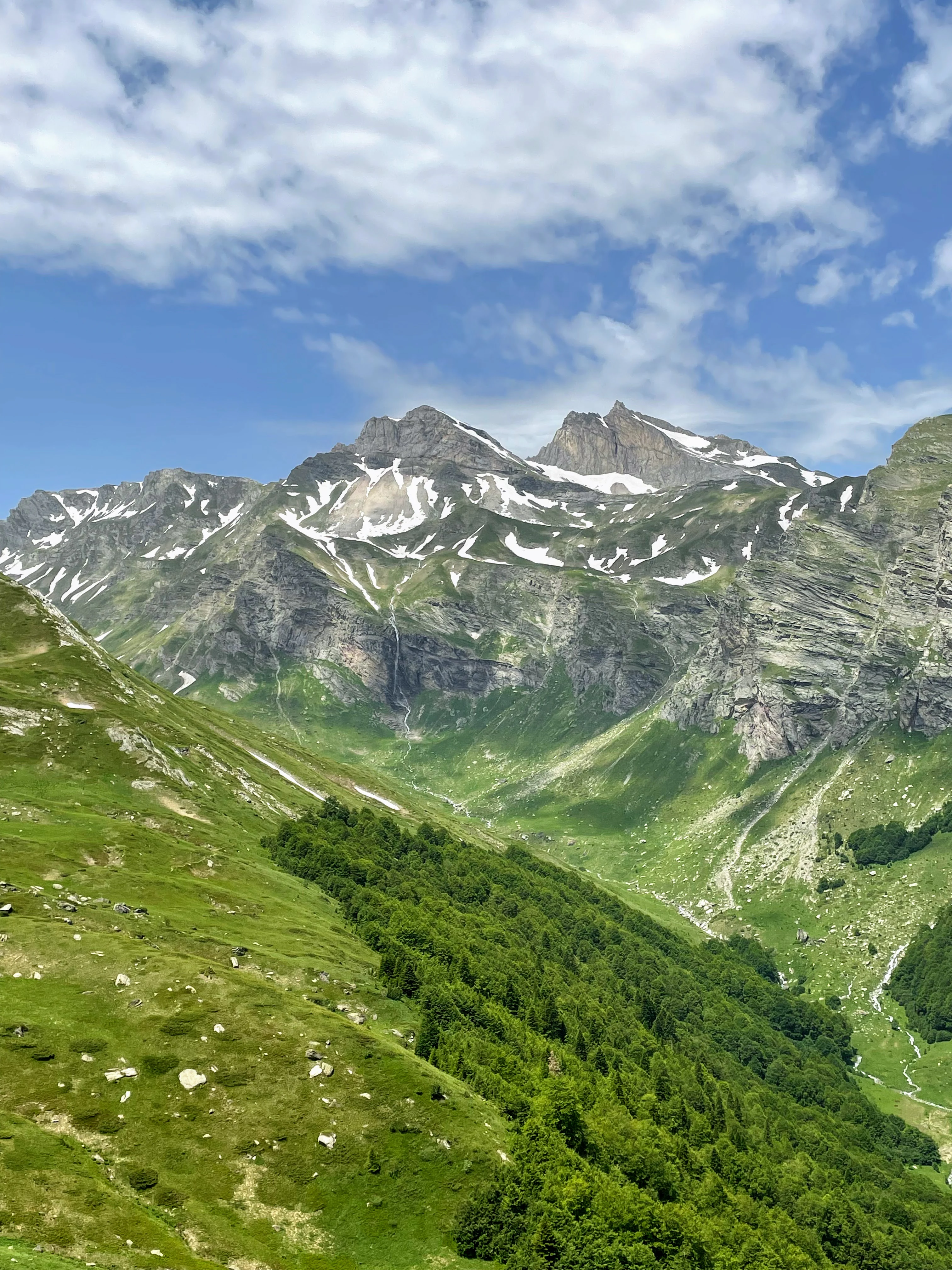
A wide, vertical shot of a lush green mountain valley with snowy peaks in the background under a blue, partly cloudy sky.
A view of the Dlaboka River valley, situated within the protected beech forest landscapes.

Primeval Beech Forests of the Carpathians and Other Regions of Europe history and protected-area timeline

The property''s history as a World Heritage Site began in 2002, when Slovakia added to its tentative list an initial group of four protected beech forest sites under the name "Primeval Forests of the Carpathians." Ukraine followed in 2005, submitting six forest sites that complemented the Slovak proposals and extended the candidate area into the eastern Carpathians.

In 2007, the UNESCO World Heritage Committee inscribed the combined Slovak and Ukrainian nominations during its 31st session, creating a transnational property of ten component sites stretching roughly 185 kilometers along the Carpathians. The inscription was made under natural criterion (ix), recognizing the sites as outstanding examples of post-glacial forest processes in Europe.

A first major extension came in 2011, when five additional beech forests in northern and central Germany, including Jasmund, Serrahn, Grumsin, Hainich, and Kellerwald, were added and the property was renamed "Primeval Beech Forests of the Carpathians and Ancient Beech Forests of Germany." In 2017, a second major extension added Albanian, Austrian, Belgian, Bulgarian, Croatian, Spanish, Italian, Romanian, and Slovenian forests, bringing the total to 78 component sites in twelve countries.

Further extensions followed in 2021, when fifteen additional sites from Bosnia-Herzegovina, France, Italy, North Macedonia, Poland, Serbia, Slovakia, Switzerland, and the Czech Republic were inscribed, and in subsequent years minor boundary changes were approved. The property now comprises the largest transnational forest landscape on the European World Heritage List and serves as one of the continent''s principal reference networks for natural beech forest protection.

Primeval Beech Forests of the Carpathians and Other Regions of Europe landscape and geographic character

The component sites collectively cover a remarkable geographic range. The Alpine and pre-Alpine members include the steep limestone ranges of Austria''s Kalkalpen National Park and the Dürrenstein Wilderness Area. Carpathian members include the forested ridges of the eastern Slovak and Ukrainian Carpathians, dominated by broad beech-canopied slopes and deeply incised valleys.

The Dinaric and Balkan components contribute dramatic karst landscapes, including Croatia''s Velebit range and Paklenica National Park, Slovenia''s Snežnik plateau and Krokar forests, the Bosnian Janj reserve, and the steep ridges and gorges of the Bulgarian Central Balkan range. The Carpathian foothills of Romania, including the Domogled-Valea Cernei national park and the Nera-Beuşniţa gorges, add further limestone and forest scenery.

In Western Europe, the Iberian forests occupy isolated beech stands within the Sierra de Ayllón, the northern Navarran beech forests of Lizardoia and Aztaparreta, and the Picos de Europa mountain range, where beech meets submediterranean vegetation. The Apennine sites lie within Italy''s Abruzzo, Lazio and Molise National Park, the Foresta Umbra in Gargano, and the Calabrian forests of Cozzo Ferriero, Sasso Fratino, and Aspromonte. Northern Europe contributes the chalk coast forests of Jasmund, the glacially formed lakescapes surrounding Serrahn, and the central German upland forests of Hainich and Kellerwald. Lowland forests of Belgium''s Sonian Forest and primeval plateau forests of France and Switzerland complete the environmental gradient.
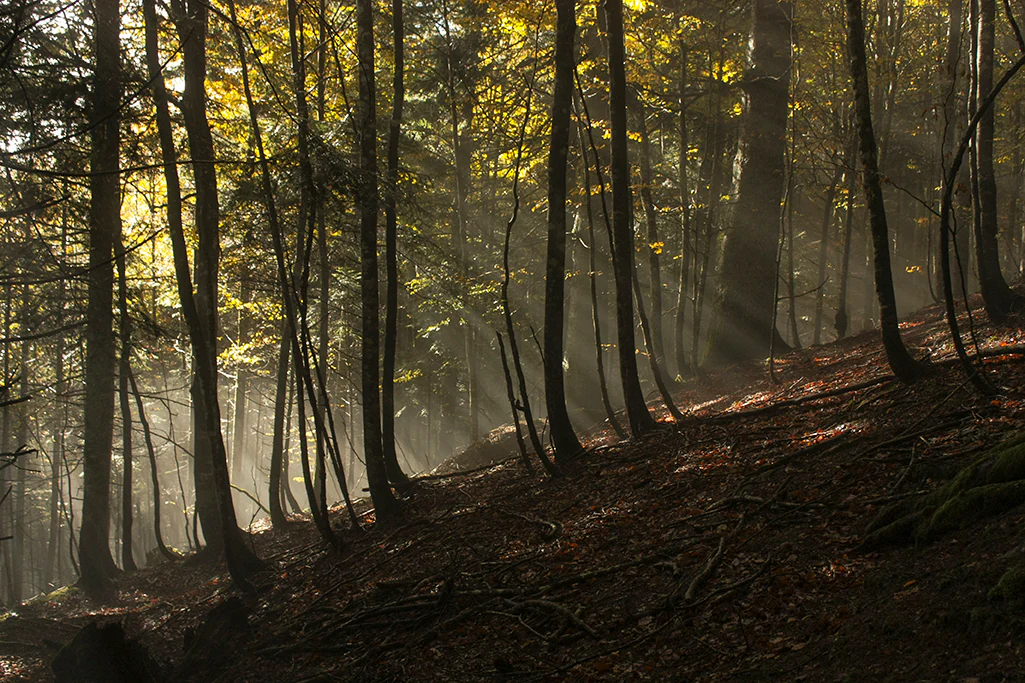
Sunlight rays pierce through the mist and canopy of a dense, ancient beech forest on a hillside.
Sunlight filters through the canopy in the primeval forests of the Irati area.

Primeval Beech Forests of the Carpathians and Other Regions of Europe ecosystems, habitats, and plant life

The natural value of the property is centered on European beech (Fagus sylvatica, and related species such as Fagus orientalis in the eastern Carpathians and Caucasian beech where present). The component sites demonstrate the ecological breadth of European beech forest habitats, from low beech stands on warm, dry limestone in the south to cold-climate montane beech forests near the upper limit of the species.

Across the network, the forests share several ecological signatures: closed canopies dominated by beech, comparatively little human disturbance, abundant coarse woody debris from fallen trunks and standing dead trees, natural regeneration through gap dynamics, and rich understory flora especially in spring. In the Carpathians and Balkans, the understory often includes species such as Stellaria, Dentaria, and various ferns, while in the Apennines and Iberian ranges the forests frequently blend into mixed stands with fir, maple, and occasional Pinus.

The site also captures specific phytogeographic patterns, including Illyrian beech forests that mix beech with hornbeam, chestnut, and thermophilous species; subalpine beech forests on rocky limestone that include relict flora; and Mediterranean-marginal beech forests where beech encounters drought-adapted plants. These variations allow the property as a whole to represent the broad biogeographical patterns of beech-driven ecosystems across Europe.
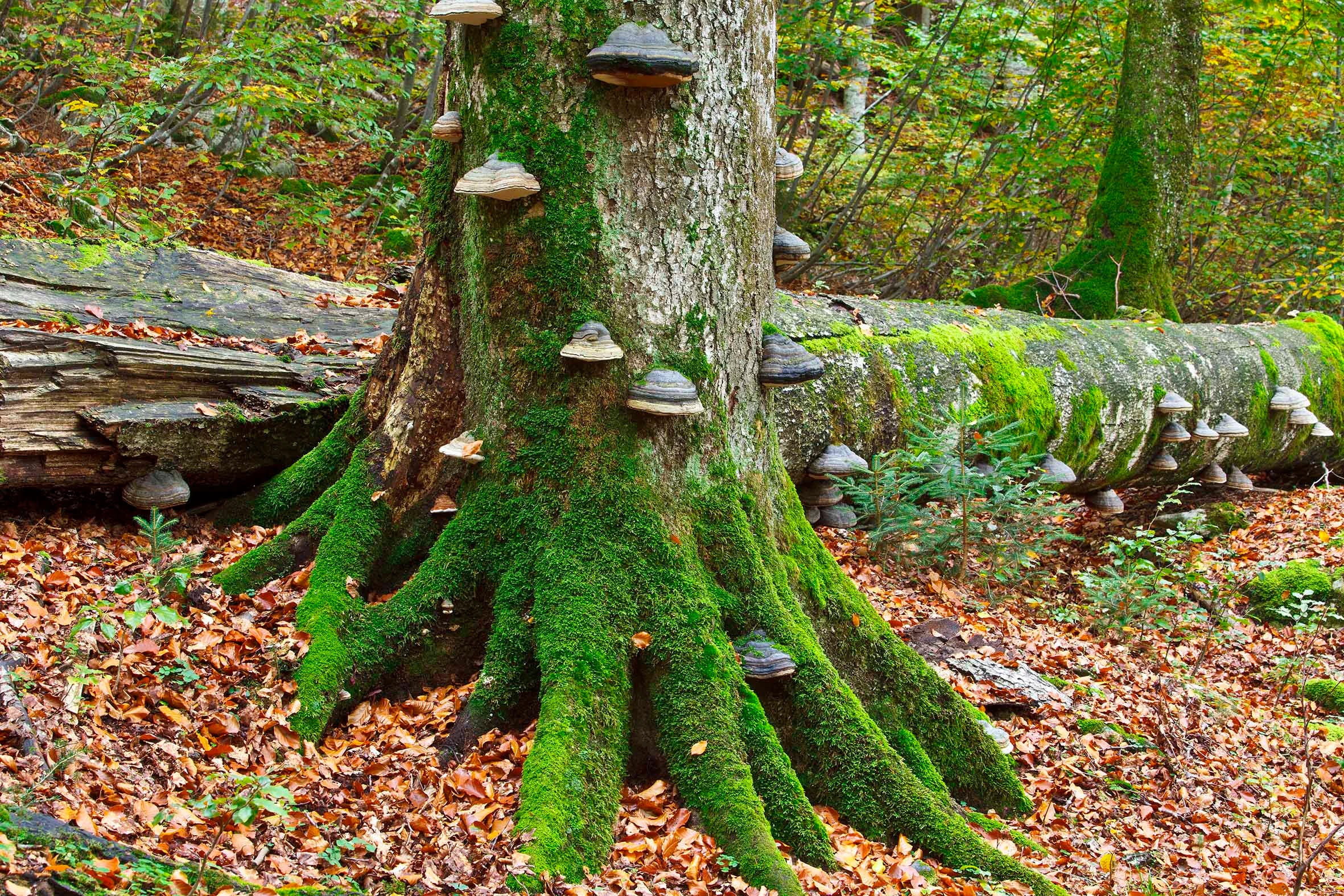
A large tree trunk in an old growth forest with bright green moss on its flared roots and many bracket fungi growing on the bark, set against a background of fallen logs and autumn leaves.
A moss covered tree trunk featuring numerous shelf mushrooms in the Rothwald primeval forest.

Primeval Beech Forests of the Carpathians and Other Regions of Europe wildlife and species highlights

Beech forests of the character protected here are not typically associated with large charismatic mammals, and the wildlife profile of the property is dominated by forest-interior species. Across the component sites, large mammals frequently present include red deer, roe deer, and wild boar, while larger predators such as brown bears, wolves, and lynx are present particularly in the Carpathian, Balkan, and Romanian forest components. Italy''s Abruzzo component provides habitat for the endemic Marsican brown bear, while the Central Balkan range supports populations of chamois and other mountain ungulates.

The forests are ecologically significant for saproxylic species, including a wide range of beetles, fungi, and other invertebrates that depend on old trees and deadwood. They also host forest-specialist passerines and woodpeckers, including black woodpecker and three-toed woodpecker, particularly in the Carpathian, Balkan, and Alpine components. Raptors such as golden eagle and various owl species use the forest landscapes especially where forest abuts open rocky terrain, as in the Apennine and Carpathian sites.

The collective faunal value of the property is enhanced by the wide geographic range of its components, allowing species characteristic of Atlantic, continental, montane, and submediterranean forest environments to be protected within a single World Heritage framework.
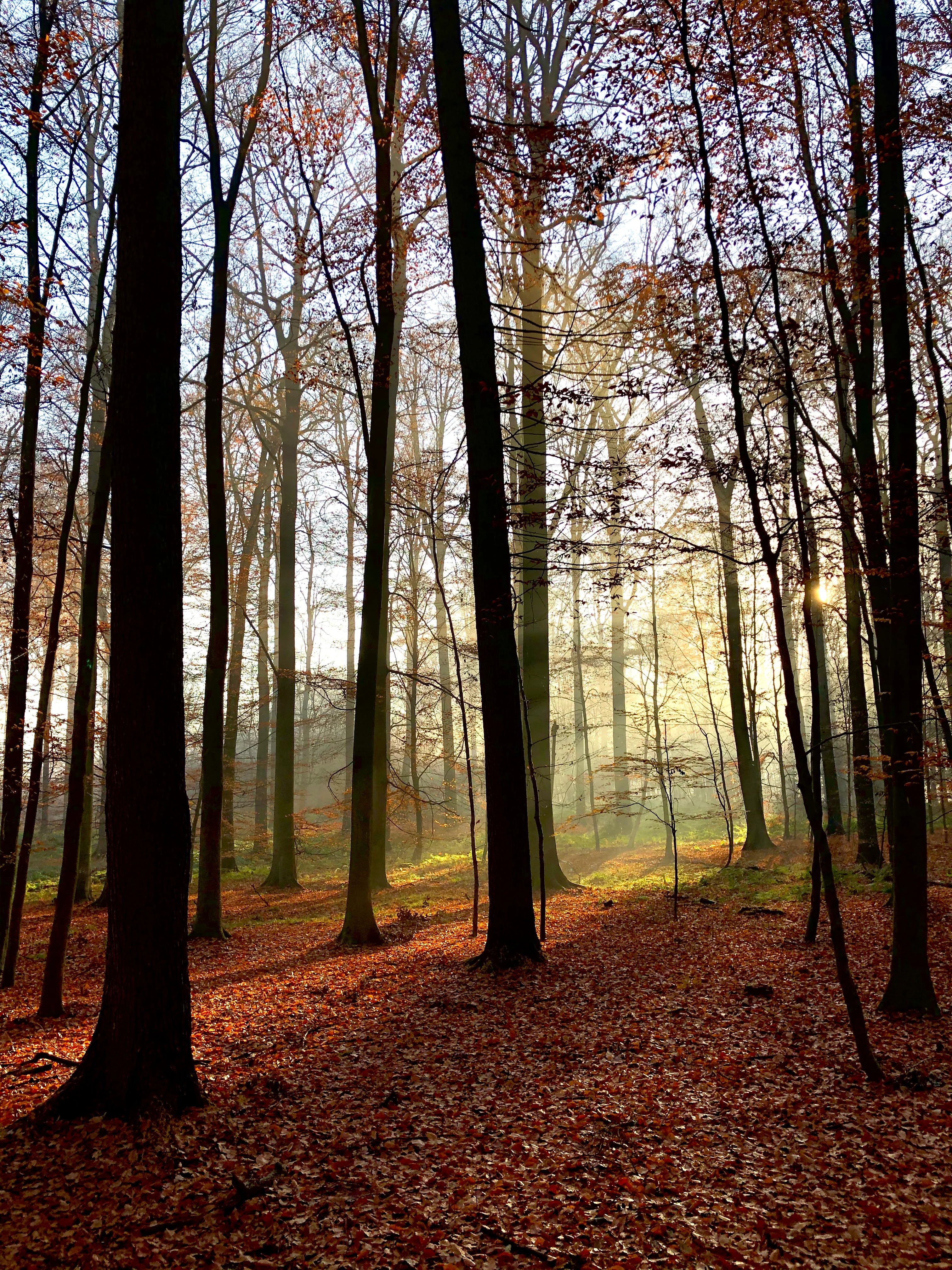
A sunlit beech forest in autumn with tall tree trunks and a ground covered in fallen brown leaves.
Sunlight filtering through the canopy of the Sonian Forest during autumn.

Primeval Beech Forests of the Carpathians and Other Regions of Europe conservation status and protection priorities

The conservation significance of the property rests on its ability to protect remnants of the primeval and ancient beech forests of Europe within a single internationally recognized framework. After centuries of selective logging, grazing, and land conversion, true primeval beech forests have survived only as isolated fragments. By grouping them under one transnational World Heritage inscription, the property provides a coordinated protection regime that covers forest sites from Norway''s south to Spain''s Mediterranean-influenced mountain beech stands.

The property is inscribed under UNESCO natural criterion (ix), which recognizes outstanding examples of ongoing ecological and biological processes. The criterion frames the site not merely as a collection of individual protected areas but as a living reference system for the natural processes by which European beech forests function, including regeneration, mortality, decomposition, and stand development without human interference.

A significant element of the property''s conservation logic is its long geographic axis. Late-glacial refugia in the Carpathians and Balkans provided the source areas from which beech recolonized much of Europe after the last ice age, and the component sites still capture that biogeographic history. The 2017 expansion in particular was explicitly intended to achieve ecological representativeness, including representatives of Mediterranean, Illyrian, and central European beech forests within the property, and the ongoing inscription process continues to seek balanced coverage across biogeographic regions.

Primeval Beech Forests of the Carpathians and Other Regions of Europe cultural meaning and human context

The component forests have been shaped by complex histories of human use and, in many cases, deliberate abandonment. Many of the highest-integrity forests in the network are strict forest reserves that were spared from large-scale industrial forestry because of steepness, remoteness, or low timber value rather than because of formal conservation planning. Examples include mountaintop beech forests that were traditionally used only for occasional grazing or winter fodder collection.

In Western Europe, the forests have very different cultural careers. Belgium''s Sonian Forest was once a royal hunting ground and is now embedded in the urban fringe of Brussels. Germany''s Jasmund forests border the chalk cliffs of Rügen that long attracted Romantic painters and early nature tourism. Apennine forests in the Abruzzo region overlap with protected landscapes traditionally used for transhumance, where the establishment of national parks in the late twentieth century often followed earlier rural depopulation.

France and Switzerland contribute strictly protected biological reserves and forest reserves that were established to protect specific examples of natural forest dynamics for research, rather than for cultural reasons. The broader cultural signal of the property is that of natural landscapes whose survival has depended on the combination of ecological conditions and specific local histories of modest or discontinued human use, and whose protection has been enabled by formal conservation frameworks developed in the twentieth and twenty-first centuries.
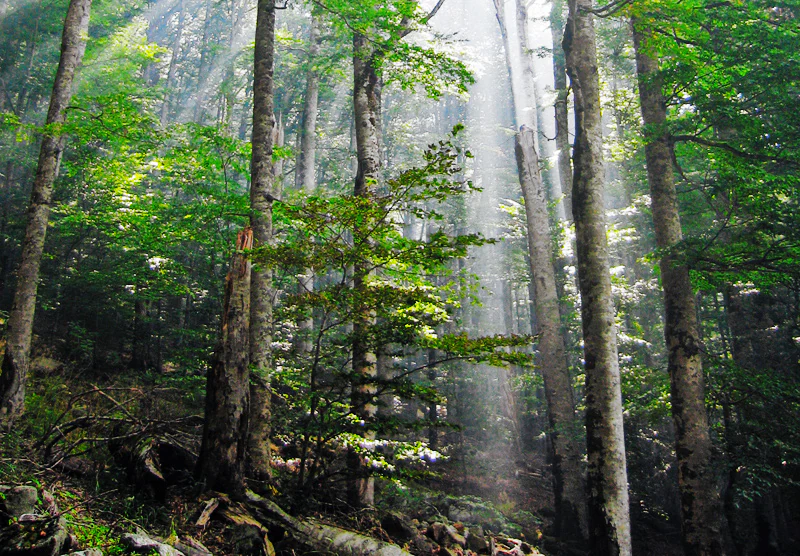
Sunlight streaming through tall, dense trees in an ancient, lush green forest.
Sunlight filters through the canopy of the primeval forest in Biogradska Gora.

Top sights and standout views in Primeval Beech Forests of the Carpathians and Other Regions of Europe

The property''s most distinctive highlight is the Carpathian core that gave it its founding identity: the Stužica primeval forest in eastern Slovakia and the Chornohirskyi, Kuziy-Trybouchany, Svydovets, and Uholka-Shyrokyi Luh forests in Ukraine, which are among the last large primeval beech forest complexes in Europe.

German components add globally significant lowland and upland reference sites: the chalk-beech forests of Jasmund on Rügen Island and the large, well-studied Hainich and Kellerwald national parks. The 2017 extension dramatically broadened the network with subalpine forests of Austria''s Kalkalpen, the karst beech forests of Croatia''s Velebit and Paklenica, the montane reserves of Bulgaria''s Central Balkan, and the Apennine beech stands of Abruzzo, including the well-preserved Sasso Fratino reserve.

The network''s unusual feature is its transnational scope. In a single inscription, the property links protected forest sites from the Belgian lowlands to the Ukrainian Carpathians, from Spain''s Mediterranean hinterland to Slovakia''s High Tatras foreland. The result is a single protected European beech-forest landscape of unusual biogeographic breadth, and one of the most ecologically instructive World Heritage Sites in Europe.
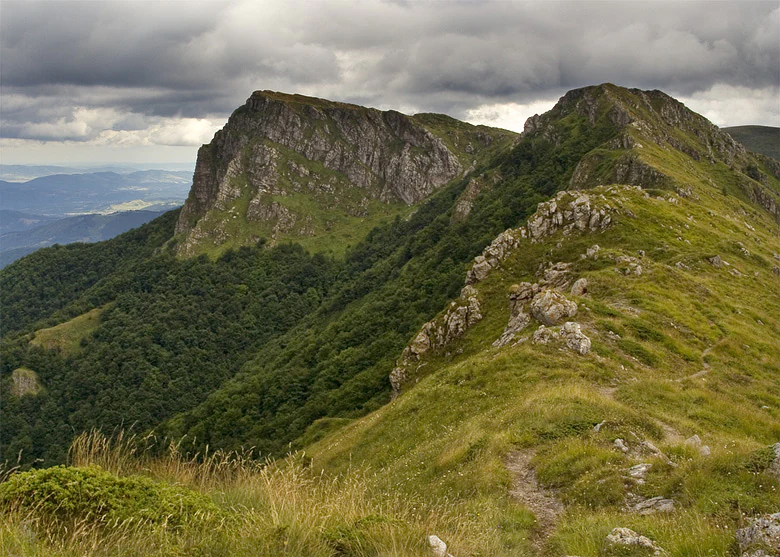
A wide, elevated view of a mountain ridge covered in green grass and scattered rocks, with dense green forest on the slopes and dramatic storm clouds above.
A view of the Kozya Stena Reserve within the Central Stara Planina mountains.

Best time to visit Primeval Beech Forests of the Carpathians and Other Regions of Europe

The component sites of this property span Europe from Iberia to Ukraine, so seasonal conditions vary across the network. As a general rule across most continental and montane components, late spring and early summer offer the richest forest-floor displays, when beech understory plants flower before the canopy closes. Early autumn is typically the most visually striking period, when beech foliage turns yellow, orange, and copper before leaf-fall and when forest mushrooms and other fungi are at their most visible.

In higher-elevation components such as the Kalkalpen, Carpathians, and Apennine sites, winter brings snow cover that simplifies access but reveals the skeletal structure of old-growth beech stands. Mediterranean-marginal sites in Spain are best explored in spring and autumn to avoid summer heat, while lowland sites such as the Sonian Forest in Belgium and Jasmund on Rügen can be visited comfortably across most of the year. Visitors should generally check local conditions, since strict reserves often have limited or no public access.
Monthly climate preview

Long term temperature and precipitation patterns recorded across representative coordinates

Primeval Beech Forests of the Carpathians and Other Regions of Europe Climate Normals

Representative coordinates document sustained sub-zero winter temperatures alongside warm summer maximums and measured monthly precipitation. Complete twelve-month records provide deeper analytical value for evaluating long-term meteorological norms.
Annual mean7 °C
-6 °C18 °C
Jan-6°
Feb-4°
Mar
Apr
May13°
Jun16°
Jul18°
Aug18°
Sep13°
Oct
Nov
Dec-4°
Warmest month
July

18.2 °C

Coolest month
January

-5.5 °C

Wettest month
July

3.3 mm/day

Driest month
March

1.7 mm/day

Park location guide

Geography guide, regional context, and park location map for Primeval Beech Forests of the Carpathians and Other Regions of Europe

Primeval Beech Forests of the Carpathians and Other Regions of Europe park geography, regions, and map view in Albania

Understand where Primeval Beech Forests of the Carpathians and Other Regions of Europe sits in Albania through a broader geographic reading of the surrounding landscape, nearby location context, and its mapped position within the national park landscape.

How Primeval Beech Forests of the Carpathians and Other Regions of Europe fits into Albania

Albania is a unitary parliamentary republic in Southeast Europe, situated on the Balkan Peninsula along the Adriatic and Ionian coastal regions. With a population of approximately 2.4 million people, it borders Montenegro, Kosovo, North Macedonia, and Greece. The country features varied landscapes ranging from the Albanian Alps to fertile coastal plains, with Tirana as its capital and largest city.

Wider geography shaping Primeval Beech Forests of the Carpathians and Other Regions of Europe in Albania

Albania occupies the western part of the Balkan Peninsula in Southeast Europe. The country features a varied terrain with rugged mountain ranges including the Albanian Alps (Accursed Mountains), Korab, Skanderbeg Mountains, Pindus, and Ceraunian Mountains. Fertile lowland plains extend along the Adriatic and Ionian coastal regions. The country borders Montenegro to the northwest, Kosovo to the northeast, North Macedonia to the east, and Greece to the south.

Map view of Primeval Beech Forests of the Carpathians and Other Regions of Europe

Use this park location map to pinpoint Primeval Beech Forests of the Carpathians and Other Regions of Europe in Albania, understand its exact geographic position, and read its mapped placement within the surrounding landscape more clearly.

Pigeon | © OpenStreetMap contributors

Location context for Primeval Beech Forests of the Carpathians and Other Regions of Europe

Europe
Natural feature types

Explore Natural Features of Primeval Beech Forests of the Carpathians and Other Regions of Europe

Navigate the complex geographic terrain and forest characteristics of this transnational heritage site. The collection provides detailed insight into the natural landscape components that define the Primeval Beech Forests of the Carpathians and Other Regions of Europe.
Recorded earthquake history

Explore the Earthquake History of the Primeval Beech Forests of the Carpathians and Other Regions of Europe

Consult the historical earthquake catalogue associated with these transnational forest reserves. Use this database to review recorded seismic events and their proximity to the Primeval Beech Forests of the Carpathians and Other Regions of Europe to support ongoing geographic and landscape research.

Primeval Beech Forests Earthquake History

Catalogued events

9 events

Strongest magnitude

Magnitude 4.9

Most recent event

Jan 3, 2023

This history includes earthquakes recorded inside the park or within 50 km of its borders

Visualizing old growth forest habitats, mountain terrain, and transnational conservation reserves

Primeval Beech Forests of the Carpathians and Other Regions of Europe Photos and Protected Landscape Scenery

Photographic records illustrate the complex topography, dense canopies, and varied habitats found across multiple European reserves. Examining these protected landscapes reveals the natural forest dynamics and structural diversity defining the transnational beech network.

A wide, vertical shot of a lush green mountain valley with snowy peaks in the background under a blue, partly cloudy sky.

An aerial view showing a steep, white chalk cliff line bordering a dense dark green forest, meeting the deep blue waters of the Baltic Sea.

Sunlight rays pierce through the mist and canopy of a dense, ancient beech forest on a hillside.

A large tree trunk in an old growth forest with bright green moss on its flared roots and many bracket fungi growing on the bark, set against a background of fallen logs and autumn leaves.

A sunlit beech forest in autumn with tall tree trunks and a ground covered in fallen brown leaves.

A vibrant green primeval beech forest showing a fallen log in the foreground and tall, dense canopy trees.

Sunlight streaming through tall, dense trees in an ancient, lush green forest.

A wide, elevated view of a mountain ridge covered in green grass and scattered rocks, with dense green forest on the slopes and dramatic storm clouds above.

A steep, narrow river gorge densely covered in autumn-colored deciduous and coniferous trees with vibrant yellow, orange, and red leaves.

A small, rocky stream flows through a dense forest during autumn, with vibrant yellow and orange beech leaves covering the canopy and the forest floor.

A low angle perspective looking up through the tall trunks of beech trees during autumn with yellow and orange leaves against a clear blue sky.

An elevated perspective of a wooden canopy walkway traversing a dense, bright green deciduous forest under an overcast sky.

A wide landscape view of a green meadow under a bright blue sky with scattered clouds, with clusters of coniferous trees and distant mountains in the background.

A green, algae-covered forest lake surrounded by tall, deciduous trees in a dense woodland setting.

A stacked stone cairn sits on a rocky mountain summit at sunrise, with a hiking backpack nearby and a larger mountain peak in the background.

A wide mountain valley in autumn with slopes covered in reddish and brown trees, patches of grass, and low-hanging clouds obscuring the distant ridges.

Park atlas

Compare adjacent conservation networks, old growth forest reserves, and regional mountain terrain.

Other Parks and Protected Landscapes Near Primeval Beech Forests of the Carpathians and Other Regions of Europe

Browsing other protected areas near Primeval Beech Forests of the Carpathians and Other Regions of Europe reveals broader continental forest dynamics and contiguous ecological zones. Extending the geographic comparison helps trace ancient beech distribution patterns across diverse European mountain ranges and lowland reserves.
National parkLviv Oblast
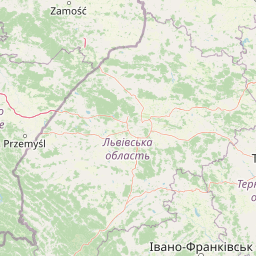
About 5.1 km away#1 closest

Northeast

Yavoriv National Nature Park: Protected Landscape and Regional Geography in Lviv Oblast

Mapped protected area boundaries and natural terrain context.

Yavoriv National Nature Park is a designated national park within Lviv Oblast, Ukraine. This page provides detailed geographic information, focusing on the park's protected landscape identity and its mapped terrain. Understanding its location in Western Ukraine, near the Carpathian gateway, offers valuable context for atlas-based exploration of protected areas and natural features within the region.

Area
71.08 km²
Established
1998
IUCN
II
Relief
Highland
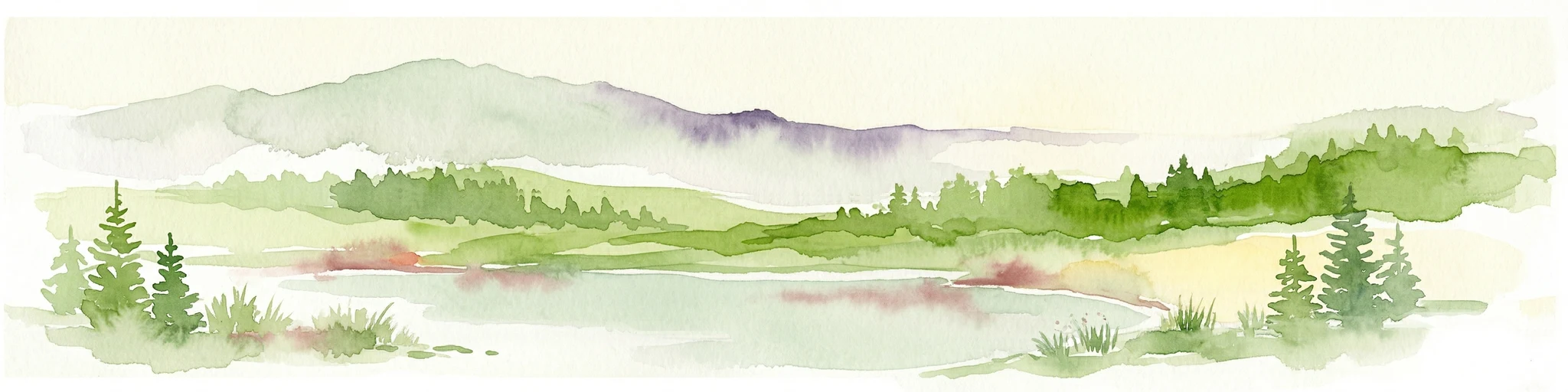
Watercolor painting of a mountainous landscape with green forests, a river, and distant peaks
National parkZakarpattia Oblast
About 9 km away#2 closest

Southeast

Zacharovanyi Krai National Nature Park: Protected Landscape Atlas Entry

National park within Zakarpattia Oblast, Ukraine

Navigate Zacharovanyi Krai National Nature Park, a designated national park offering vital insights into protected landscapes and regional geography. This entry provides core information about the park's protected area status and its geographic setting within Zakarpattia Oblast, essential for structured atlas discovery and understanding the mapped natural terrain of western Ukraine.

Area
61.01 km²
Established
2009
IUCN
II
Relief
Mountain
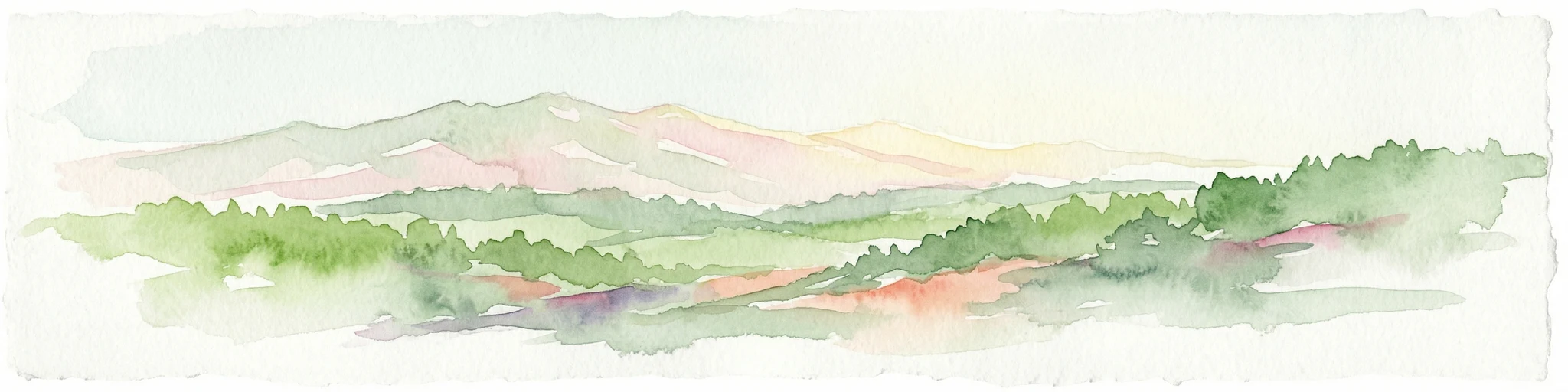
Watercolor painting showing a lake surrounded by mountains and forests
National parkZakarpattia Oblast
About 12 km away#3 closest

Southeast

Synevyr National Nature Park: National Park Protected Landscape in Zakarpattia Oblast

Mapped geographic context and protected area identity

Delve into Synevyr National Nature Park, a designated national park situated in the diverse geography of Zakarpattia Oblast, Ukraine. This page provides essential atlas-driven context, detailing the park's mapped boundaries and its significance as a protected landscape within the Carpathian region. Understand its unique place in Ukraine's network of natural areas and explore its regional geographic setting for a comprehensive overview.

Area
404 km²
Established
1974
IUCN
V
Relief
Mountain
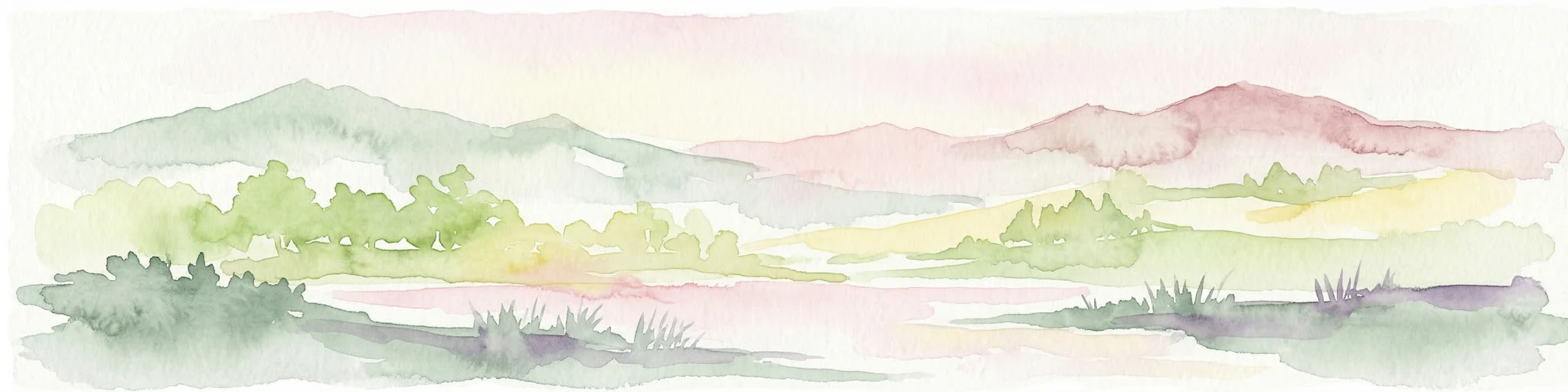
Watercolor painting showing mountain ranges, green valleys, and forested areas with pine trees
National parkIvano-Frankivsk Oblast
About 16 km away#4 closest

East

Syniohora National Nature Park: Protected Carpathian Landscape and Geographic Context

Explore the mapped terrain and protected area boundaries within the Gorgany mountains.

Syniohora National Nature Park, located in Ivano-Frankivsk Oblast, is a vital protected area safeguarding a significant portion of the Gorgany mountain massif. This park offers a unique opportunity to explore the mapped geography and natural landscape characteristic of the Ukrainian Carpathians. Its establishment as a national park underscores the importance of preserving the region's mountain terrain, protected forest ecosystems, and distinctive natural heritage for structured geographic discovery.

Area
108.66 km²
Established
2009
IUCN
II
Scope
Terrestrial
Watercolor painting of green forests, valleys, and distant mountains in the Carpathian Mountains
National parkIvano-Frankivsk Oblast
About 18 km away#5 closest

Southeast

Carpathian National Nature Park: Protected Landscape Within Ivano-Frankivsk Oblast

National Park mapped boundaries and regional geography.

Carpathian National Nature Park represents a significant protected area within Ivano-Frankivsk Oblast, Ukraine. This page offers detailed insights into its protected landscape identity, helping users understand its geographic setting and mapped boundaries. As part of the Carpathian region, the park serves as a key point for atlas-based discovery, providing context for its place within the broader geography of western Ukraine.

Area
515.7 km²
Established
1980
IUCN
II
Visitors
1M annual
Watercolor illustration of a mountainous landscape with rolling hills, a river, and green vegetation
Protected landscapeMaramureș County
About 24 km away#6 closest

Southeast

Maramureș Mountains Natural Park: Protected Landscape and Carpathian Geography

Explore the mapped boundaries and dramatic terrain of Romania's largest nature park.

Delve into the Maramureș Mountains Natural Park, a protected landscape covering extensive tracts of the northern Carpathian Mountains. This page provides detailed geographic context, showcasing the park's mapped boundaries, diverse alpine terrain, and its role within the broader regional geography of Maramureș County. Understand the natural features and protected area significance of this expansive Carpathian wilderness for structured atlas exploration.

Area
1,488.5 km²
Established
2004
IUCN
V
Relief
Mountain
Protected areaPodkarpackie Voivodeship
30 km away#7 closest

Northeast

Uroczyska Roztocza Wschodniego: Protected Area and Forested Ridge Geography

Extensive forest sanctuary in the Podkarpackie Voivodeship

Uroczyska Roztocza Wschodniego comprises vast, compact forest tracts on the Eastern Roztocze, defined by high-value woodland communities including beech and oak-hornbeam forests. The area functions as a critical protected landscape that supports diverse fauna and complex hydrological corridors within a significant regional conservation network.

Area
58.1 km²
Established
2011
Relief
Upland
Climate
Temperate
Watercolor painting showing green forested hills and distant purple mountains under a pale sky
National parkVerkhovyna Raion
About 34 km away#8 closest

Southeast

Verkhovyna National Nature Park: Explore Protected Landscape Geography in Verkhovyna Raion

Discover Ukraine's Verkhovyna National Nature Park mapped terrain.

Verkhovyna National Nature Park represents a vital protected area within the Verkhovyna Raion of Ukraine. This detailed atlas entry focuses on the park's geographic significance, providing insights into its mapped boundaries and its role within the regional landscape context of the Carpathian Mountains. It serves as a focused point for understanding the park's protected status and its place in a structured geographic discovery framework.

Area
120 km²
Established
2010
IUCN
II
Relief
Mountain

Common questions about visiting, size, designation, and location context for Primeval Beech Forests of the Carpathians and Other Regions of Europe

Primeval Beech Forests of the Carpathians and Other Regions of Europe FAQs for park facts, access, geography, and protected area context

Find quick answers about Primeval Beech Forests of the Carpathians and Other Regions of Europe, including protected-area facts, park geography, trail and visitor context, and how the park fits into its surrounding country and regional landscape.
MoriAtlas Explorer

Continue Your Protected Areas Search Across the Global Atlas

Deepen your exploration by continuing the structured search for national parks and protected areas worldwide. Utilize the comprehensive filtering capabilities to compare different conservation landscapes and refine your understanding of global park geography. Discover more about the distribution and characteristics of protected natural areas.

Global natural geography