

Mori Atlas logo
National parkRincón de la Vieja National Park

Discover the mapped boundaries and regional context of this Guanacaste Province national park.

Rincón de la Vieja National Park: Protected Landscape and Geographic Atlas Entry

(Parque Nacional Rincón de la Vieja)

Rincón de la Vieja National Park stands as a significant protected area within Costa Rica's Guanacaste Province. This page provides an atlas-style exploration of its protected landscape, offering insight into its mapped boundaries and its placement within the region's broader natural geography. Understand the park's distinct environmental setting and its role as a key conservation area.

Volcanic LandscapeGeothermal FeaturesNational ParkGuanacasteCloud ForestTropical Dry Forest

Rincón de la Vieja National Park

National park

Park overview

Structured park overview, official facts, and landscape profile for Rincón de la Vieja National Park

Rincón de la Vieja National Park park facts, protected area profile, and essential visitor context
Review the core facts for Rincón de la Vieja National Park, including designation, size, terrain, visitor scale, habitats, and operating context in one park-focused overview.

About Rincón de la Vieja National Park

Rincón de the Vieja National Park represents one of Costa Rica's newest protected areas, established in 2015 to preserve the extraordinary volcanic landscapes and biodiversity of the Guanacaste highlands. The park centers on a volcanic complex that includes three distinct volcanic peaks, with Rincón de la Vieja being the most active. This area sits within the broader Guanacaste Conservation Area, which achieved World Heritage status for its outstanding universal value in conserving Central American tropical dry forest and associated ecosystems. The park provides essential habitat connectivity between higher-elevation cloud forests and lower-elevation dry forests, supporting remarkable species diversity across multiple life zones. Visitors to the park encounter a landscape shaped by volcanic forces, where thermal areas create unique habitats for specialized organisms and where waterfalls cascade through volcanic rock formations.

Quick facts and research context for Rincón de la Vieja National Park

Located in Guanacaste Province, approximately 30 kilometers northeast of Liberia, the park spans 141.27 square kilometers of volcanic terrain and montane forest. The area is governed by Costa Rica's National System of Conservation Areas (SINAC) and forms part of the Guanacaste Conservation Area World Heritage Site. The park features two visitor stations, Santa Maria and Pailas, on its southern side. The volcanic complex reaches elevations over 1,900 meters and contains multiple craters, fumarolic fields, and thermal springs that create unique geothermal habitats.

Park context

Deeper park guide and search-rich context for Rincón de la Vieja National Park

Rincón de la Vieja National Park history, landscape, wildlife, and travel context
Explore Rincón de la Vieja National Park through its history, landscape character, ecosystems, wildlife, conservation priorities, cultural context, and seasonal travel timing in a structured park guide built for atlas discovery and search intent.

Why Rincón de la Vieja National Park stands out

Rincón de la Vieja is best known for its dramatic volcanic landscapes and geothermal activity, which include active fumaroles, bubbling mudpots, and steam vents that create an otherworldly environment. The park protects populations of three-wattled bellbirds, a striking Central American bird famous for its loud metallic call, along with emerald toucanets, resplendent quetzals, and crested guans. Jaguars, cougars, and kinkajous inhabit the forest corridors, making it a significant area for large mammal conservation in Costa Rica's dry forest biome.

Rincón de la Vieja National Park history and protected-area timeline

The establishment of Rincón de la Vieja National Park in November 2015 represented the culmination of decades of conservation efforts in the Guanacaste region. The area had previously been managed as part of the broader Guanacaste Conservation Area, which was created through the vision of Costa Rican conservationists including Daniel Oduber and later developed by entities like the Linda L. Nye and The McArthur Foundation. The park's volcanic history is well documented, with Rincón de la Vieja having erupted multiple times in recent decades, most recently in 2017. This ongoing volcanic activity has shaped both the physical landscape and the ecological communities that have adapted to the dynamic geothermal environment.

Rincón de la Vieja National Park landscape and geographic character

The park's landscape is dominated by the volcanic complex of Rincón de la Vieja, Santa María, and Cerro Von Seebach, creating a terrain of dramatic relief and geological diversity. The volcanic peaks rise from the surrounding plains, their slopes covered in varying vegetation zones from tropical dry forest at lower elevations through transitional forest to cloud forest near the summits. Within the park, visitors encounter fumarolic fields where steam and gases escape from the earth, mudpots that bubble with mineral-rich clay, and hot springs that reflect the geothermal heat beneath the surface. Waterfalls cascade down volcanic rock faces, and the broader terrain includes ridges, valleys, and the distinctive geological formations created by past volcanic eruptions.

Rincón de la Vieja National Park ecosystems, habitats, and plant life

The ecosystems within Rincón de la Vieja National Park represent an important transitional zone between Pacific slope dry forests and higher-elevation cloud forests. The park protects critical habitat for species adapted to these varied conditions, with vegetation ranging from semi-deciduous dry forest in the lower reaches to evergreen cloud forest at higher elevations. The variety of habitats supports remarkable biodiversity, with the park serving as a corridor for species moving between the Guanacaste lowlands and the Cordillera de Tilarán highlands. Geothermal areas within the park create unique microhabitats where extremophile microorganisms thrive, representing scientific interest beyond the typical biodiversity focus.

Rincón de la Vieja National Park wildlife and species highlights

The park is home to more than 300 bird species, making it a significant destination for ornithologists and birdwatchers. The three-wattled bellbird, with its distinctive wattle protrusions and loud call, is among the most sought-after species, while the emerald toucanet brings vibrant color to the forest canopy. Resplendent quetzals, crested guans, and various eagle species inhabit the higher elevation forests. Mammal diversity includes jaguar and cougar, representing the presence of intact predator populations, along with white-faced capuchin monkeys, howler monkeys, and kinkajous. This assemblage of large mammals indicates a relatively healthy ecosystem with adequate habitat connectivity and prey bases.

Rincón de la Vieja National Park conservation status and protection priorities

As part of the Guanacaste Conservation Area World Heritage Site, Rincón de la Vieja National Park contributes to one of the most successful conservation initiatives in Central America. The broader conservation area has been recognized for its innovative approach to integrating protected lands, sustainable land use, and community involvement. The park specifically protects important watersheds that feed rivers flowing into the Tempisque River basin and ultimately the Gulf of Nicoya. Its volcanic habitats and the specialized species that inhabit geothermal areas represent unique conservation values not found in other protected areas.

Rincón de la Vieja National Park cultural meaning and human context

The Guanacaste region has a rich cultural history associated with the Chorotega indigenous people, whose influence is reflected in regional place names and traditions. The name Rincón de la Vieja refers to the volcanic landscape, with local communities having long understood the geothermal significance of the area. The park's establishment respected traditional land uses while providing formal protection for the volcanic landscapes. Liberia, the nearest major city, serves as the primary gateway for visitors and reflects the colonial heritage of the Guanacaste region.

Top sights and standout views in Rincón de la Vieja National Park

The geothermal areas of Rincón de la Vieja, with their active fumaroles, mudpots, and thermal vents, represent the park's most distinctive feature. The opportunity to observe active volcanic processes within a protected area is rare and scientifically valuable. Birdwatching opportunities are exceptional, particularly for the three-wattled bellbird and resplendent quetzal. The landscape diversity, from volcanic peaks to waterfalls and forest trails, provides varied visitor experiences. The park's position within the World Heritage-listed Guanacaste Conservation Area connects it to one of the most significant conservation landscapes in the Americas.

Best time to visit Rincón de la Vieja National Park

The dry season from December through April typically offers the most favorable conditions for visiting, with less rainfall making trail hiking more accessible and wildlife more easily spotted as vegetation thins. The green season from May to November brings more frequent rains but transforms the landscape with lush vegetation and fuller waterfalls. The volcanic activity within the park continues regardless of season, so year-round visits can experience the geothermal features. Early mornings generally offer the best wildlife viewing opportunities, particularly for birds active at dawn.
Park location guide

Geography guide, regional context, and park location map for Rincón de la Vieja National Park

Rincón de la Vieja National Park park geography, regions, and map view in Costa Rica
Understand where Rincón de la Vieja National Park sits in Costa Rica through a broader geographic reading of the surrounding landscape, nearby location context, and its mapped position within the national park landscape.

How Rincón de la Vieja National Park fits into Costa Rica

Costa Rica is a Central American country with coastlines on both the Caribbean Sea and Pacific Ocean. It gained independence from Spain in 1821 and operates as a unitary presidential republic with no standing military. The economy has diversified from agriculture into finance, pharmaceuticals, and ecotourism.

Wider geography shaping Rincón de la Vieja National Park in Costa Rica

Costa Rica is located in Central America, bordered by Nicaragua to the north, the Caribbean Sea to the northeast, Panama to the southeast, and the Pacific Ocean to the southwest. It shares a maritime boundary with Ecuador. The terrain includes coastal plains, mountain ranges, and volcanic landscapes.

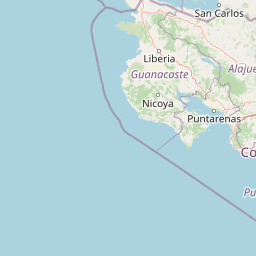
Map view of Rincón de la Vieja National Park

Use this park location map to pinpoint Rincón de la Vieja National Park in Costa Rica, understand its exact geographic position, and read its mapped placement within the surrounding landscape more clearly.

Pigeon | © OpenStreetMap contributors

Location context for Rincón de la Vieja National Park

Guanacaste Province
Park atlas

Trace interconnected protected landscapes, volcanic terrain, and conservation areas across Costa Rica's Guanacaste region.

Discover More National Parks and Protected Areas Near Rincón de la Vieja National Park
Discover other national parks and protected areas geographically close to Rincón de la Vieja National Park, including additional volcanic landscapes and diverse forest ecosystems within Costa Rica's Guanacaste Province. This enables geographic comparison of adjacent conservation areas, reveals connected protected landscapes, and supports further atlas-based exploration of regional park networks.
National parkCosta Rica

Miravalles Jorge Manuel Dengo National Park: Costa Rica National Park Geographic Context

Mapped protected landscape and regional park geography.

Miravalles Jorge Manuel Dengo National Park offers a focused lens for understanding protected natural areas within Costa Rica. Explore its specific geographic footprint and the surrounding regional context to appreciate its significance as a mapped protected landscape. This detailed view supports a structured discovery of the park's identity, helping users grasp its place within the national atlas.

Area
43 km²
Established
2019
IUCN
II
Relief
Mountain
National parkGuanacaste Province

Guanacaste National Park: A Protected Landscape within Guanacaste Province's Geography

Explore mapped park boundaries and regional natural landscape context.

Delve into the protected landscape of Guanacaste National Park, a significant national park located within Guanacaste Province. This entry provides a focused view of its geographic features, mapped protected areas, and its role within the regional terrain. Understand the park's specific natural landscape character and its placement in the broader atlas of conservation lands.

Area
340 km²
Established
1991
IUCN
II
Relief
Mixed relief
National parkGuanacaste Province

Santa Rosa National Park: Guanacaste Province National Park Protected Area

Mapped natural landscape and regional geography.

Santa Rosa National Park is a vital protected area within Costa Rica's Guanacaste Province. This detail page offers an atlas-focused view of the park, highlighting its geographic setting and mapped boundaries. It serves as a primary resource for understanding the park's protected landscape identity and its contribution to regional conservation geography, supporting structured exploration for users interested in natural areas.

Area
815.31 km²
Established
1966
IUCN
II
Climate
Tropical
National parkCosta Rica

Palo Verde National Park: Costa Rica's Protected Landscape Geography and Map Context

Explore mapped park boundaries and regional natural landscapes.

Delve into the geographic identity of Palo Verde National Park, a protected area within Costa Rica. This detail entry focuses on its mapped landscape, providing context for its protected boundaries and regional setting. Understand how Palo Verde National Park fits into the broader atlas of Costa Rican geography, offering a factual basis for exploring its specific natural terrain and its significance as a national park within Central America's rich biodiversity.

Area
184 km²
Established
1978
IUCN
II
Relief
Lowland
National parkCosta Rica

Arenal Volcano National Park: Costa Rica National Park Atlas and Mapped Terrain

Detailed geography and protected landscape context for a Costa Rican national park.

Gain a structured understanding of Arenal Volcano National Park, a protected natural area situated in Costa Rica. This page provides detailed geographic information, focusing on its mapped boundaries and landscape characteristics. It serves as a key resource for exploring the park's specific regional context and its role within the country's network of protected lands.

Area
121.24 km²
Established
1991
IUCN
II
Relief
Mountain
National parkCosta Rica

Barra Honda National Park: Costa Rican Protected Landscape and Geographic Atlas

Mapped boundaries and regional park geography.

Barra Honda National Park stands as a notable protected area, offering a distinct geographic profile within Costa Rica. Its designation as a national park underscores its importance for landscape conservation and atlas exploration. This entry details the park's mapped terrain and its contribution to understanding the regional geography, providing a focused view for those interested in protected land distribution and natural context.

Area
23 km²
Established
1974
IUCN
II
Relief
Mountain
National parkGuanacaste Province

Diriá National Park: Protected Landscape Atlas within Guanacaste Province

National Park geographic context and mapped terrain.

Examine Diriá National Park as a distinct protected area within Guanacaste Province. This detailed entry focuses on its geographic identity, mapped boundaries, and natural landscape characteristics. Understand how this national park contributes to the regional atlas, offering a clear view of its protected status and natural terrain features for focused discovery.

Area
28 km²
Established
1991
IUCN
II
Relief
Mountain
National parkGuanacaste Province

Las Baulas Marine National Park: Protected Marine Landscape Atlas in Guanacaste Province

Explore its mapped boundaries and regional geographic context.

Las Baulas Marine National Park represents a vital protected marine territory within Costa Rica. This entry offers an atlas-oriented perspective, detailing the park's geographic scope and its specific mapped boundaries. Users can explore its significance as a protected landscape, understand its relationship to the broader regional geography of Guanacaste Province, and utilize this information for structured natural landscape discovery.

Area
175 km²
Established
1991
IUCN
II
Relief
Mixed relief

Common questions about visiting, size, designation, and location context for Rincón de la Vieja National Park

Rincón de la Vieja National Park FAQs for park facts, access, geography, and protected area context
Find quick answers about Rincón de la Vieja National Park, including protected-area facts, park geography, trail and visitor context, and how the park fits into its surrounding country and regional landscape.
MoriAtlas Explorer

Continue Your Protected Areas Search Across the Global Atlas

Deepen your exploration by continuing the structured search for national parks and protected areas worldwide. Utilize the comprehensive filtering capabilities to compare different conservation landscapes and refine your understanding of global park geography. Discover more about the distribution and characteristics of protected natural areas.

Global natural geography