Mori Atlas logo
Nature reserveRiserva naturale speciale di Alfonsine

A restored mosaic of hygrophilous woodland, marshy ponds, and seasonal flooded forests

Riserva naturale speciale di Alfonsine: Mapping Protected Wetlands in Emilia-Romagna, Italy

Riserva naturale speciale di Alfonsine serves as a critical refuge for biodiversity within the agricultural plains of Emilia-Romagna. This protected area spans three distinct oases that feature restored riparian ecosystems, including an historic mill canal, a shallow pond basin, and rare flooded forest patches. The site supports significant nesting colonies of waterbirds, egrets, and rare amphibians, illustrating the ecological resilience of restored wetland corridors within the Po Delta landscape.

wetland reservePo Deltahygrophilous woodlandmarshy pondflooded forestwaterbird nesting

Riserva naturale speciale di Alfonsine

Nature reserve

Park overview

Structured park overview, official facts, and landscape profile for Riserva naturale speciale di Alfonsine

Riserva naturale speciale di Alfonsine park facts, protected area profile, and essential visitor context

Review the core facts for Riserva naturale speciale di Alfonsine, including designation, size, terrain, visitor scale, habitats, and operating context in one park-focused overview.

About Riserva naturale speciale di Alfonsine

Riserva naturale speciale di Alfonsine is a compact, purpose-built nature reserve located in the flat agricultural plain of the Romagna side of the Po Delta. Although the surrounding territory has long been dominated by farming, drainage ditches, and reclaimed marshland, this reserve preserves three small pockets where the original wetland and floodplain character of the lower Po valley has been allowed to return. The total surface area is modest, around twelve hectares, but the diversity of habitats packed into that space is unusually high for such a small site.

The reserve is part of the much larger Parco regionale del Delta del Po, the regional park system that organizes nature protection across the deltaic region of Emilia-Romagna. Within this broader framework, the Riserva di Alfonsine functions as a node of biological richness, where canal-side woods, open marshy ponds, and seasonally flooded forests all occur within a short distance of one another. Its position roughly halfway between the more famous wetlands of Argenta and Comacchio gives it a bridging ecological role, providing shelter and breeding space for species that move across the wider delta system.

The reserve is also notable for how it was created. All three oases were recovered from land that had previously been used by people, including an old mill canal corridor, a former brickyard or kiln pond, and a parcel where three canals meet, before being deliberately rewilded into functioning habitat. This restoration character is a defining part of the reserve's identity: it is not a remnant of unchanged wilderness, but a careful reconstruction of wetland and woodland environments inside an intensively managed human landscape.

Quick facts and research context for Riserva naturale speciale di Alfonsine

The reserve is a regional nature reserve (riserva naturale regionale) established under Emilia-Romagna Regional Law n. 11 of 1988 and formally instituted by the Region in 1990. It lies in the Province of Ravenna, within the municipality of Alfonsine, and is administered jointly by the Province of Ravenna, the municipality of Alfonsine, and the Cooperativa Atlantide, which manages day-to-day operations. Its international classification includes its designation as both an SIC (Site of Community Importance) and a ZPS (Special Protection Area) within the Natura 2000 network, and it is recorded in the World Database on Protected Areas under code 161953 and in the Italian official register of protected areas under EUAP code 0264.

The protected area consists of three distinct oases that together extend across approximately twelve hectares of formerly cultivated or built land that has been re-naturalized. The reserve is positioned geographically between the Valli di Argenta to the west and the Valli di Comacchio to the east, two of the most famous wetland complexes of the Po Delta, and the reserve itself forms a small but ecologically coherent piece of the same system.

Protection and recognition

Documented protection history and official international recognition sources

Riserva naturale speciale di Alfonsine Protection Status and Records

Riserva naturale speciale di Alfonsine preserves documented protection status data, management scope metrics, and verified international registry sources. Official protected area records track global database identifiers and conservation frameworks without assuming management outcomes.

Protection details

WDPA ID
161953
Park context

Deeper park guide and search-rich context for Riserva naturale speciale di Alfonsine

Riserva naturale speciale di Alfonsine history, landscape, wildlife, and travel context

Explore Riserva naturale speciale di Alfonsine through its history, landscape character, ecosystems, wildlife, conservation priorities, cultural context, and seasonal travel timing in a structured park guide built for atlas discovery and search intent.

Why Riserva naturale speciale di Alfonsine stands out

The reserve is best known for the dense concentration of waterbird and woodland birdlife compressed into a tiny area of restored wetland near the Po Delta. Three small oases support very different communities: a hygrophilous woodland with nesting populations of tawny owl, great spotted woodpecker, and common wood pigeon; a marshy pond basin used by great crested grebe, little bittern, mallard, coot, and kingfisher; and a flooded forest where herons such as grey heron, little egret, night heron, squacco heron, and cattle egret nest together in mixed colonies. The reserve is also strongly associated with two flagship species: the greater horseshoe bat, a rare and European-protected bat that is the symbolic animal of the woodland oasis, and the European pond terrapin, a rare freshwater turtle that symbolizes the entire reserve and finds a key refuge habitat in the marshy pond basin.

Riserva naturale speciale di Alfonsine history and protected-area timeline

The reserve was established by the Emilia-Romagna Region under Regional Law n. 11 of 1988, which provides the legal framework for regional natural reserves in the region. It was formally instituted in 1990, making it one of the early protected-area designations set up under this regional legislation. From the outset, the reserve was conceived as a network of small restored sites rather than a single contiguous block.

The three oases that make up the reserve were progressively re-naturalized from land that had been used for agriculture, water management, or small-scale industrial activity, including a mill canal corridor dating to the nineteenth century and a former kiln site that left behind a distinctive pond basin. Day-to-day management has been led by the municipality of Alfonsine together with the Cooperativa Atlantide, while the Province of Ravenna plays a coordinating role.

Over time, the reserve's importance has been codified at the European level through its inclusion in the Natura 2000 network as both a Site of Community Importance and a Special Protection Area. These designations reflect the recognition that, despite its small footprint, the reserve supports rare and protected species of community interest, including bats and turtles, alongside important breeding populations of waterbirds.

Riserva naturale speciale di Alfonsine landscape and geographic character

The landscape of the reserve is shaped entirely by water, channels, and the gentle topography of the Po plain. There are no mountains, cliffs, or rocky features; instead, the reserve consists of canal corridors, shallow pond basins, and areas of low-lying woodland whose water levels rise and fall with the seasons. The setting is overwhelmingly flat, and the most striking topographical feature is the historical mill canal that defines the Bosco del canale dei Mulini and the nearby late-nineteenth-century weir where this canal once fed water-powered mills before being released into the Canale in destra Reno at Taglio Corelli.

The Boschetto dei Tre Canoni, the third oasis, is a particularly distinctive piece of landscape: a rare example of a flooded plain forest, where elevated groundwater and the influence of three converging canals keep the soil saturated for much of the year. Trees typical of riparian and wetland forest, including southern ash, field elm, white willow, and white poplar, dominate the canopy, while stands of aquatic and marsh vegetation occupy the gaps. Together, the three oases present a miniature mosaic of Po plain wetland landscapes, including hygrophilous forest, marsh pond, and seasonally inundated woods, embedded within an agricultural matrix.

Riserva naturale speciale di Alfonsine ecosystems, habitats, and plant life

Ecologically, Riserva naturale speciale di Alfonsine functions as a small-scale hotspot of wetland biodiversity within an otherwise heavily drained and cultivated plain. Although its twelve hectares are tiny by nature reserve standards, the combination of habitats present, including hygrophilous woodland on canal banks, an open marshy pond, and a seasonally flooded forest, allows a remarkable diversity of plants and animals to coexist.

The flora reflects the typical riparian and marsh vegetation of the Po plain. White willow and white poplar dominate wet woodland, with southern ash and field elm contributing to a mixed canopy. The pond basin supports a dense ring of trees along its banks and aquatic and emergent vegetation in the water itself. The flooded forest oasis is particularly significant because dry-land forests dominate the surrounding region, and true periodically inundated woodland is now extremely rare in northern Italy.

Habitats within the reserve range from true aquatic environments in the Stagno della Fornace Violani to riparian forests and hygrophilous woods along canal banks, and finally to periodic swamp forest at the Tre Canali site. This habitat gradient is what gives the reserve its ecological value: each habitat supports a different species community and together they reproduce, on a small scale, the wetland mosaic that once characterized the entire Po Delta before extensive land reclamation.

Riserva naturale speciale di Alfonsine wildlife and species highlights

The reserve is principally known for its birdlife, especially breeding waterbirds and woodland birds that have become uncommon elsewhere in the surrounding farmland. The hygrophilous woodland of the mill canal hosts nesting tawny owls, great spotted woodpeckers, and common wood pigeons, species that depend on mature trees with cavities and dense canopy cover.

The marshy pond basin is the most waterbird-rich site, used by great crested grebes, little bitterns, mallards, coots, and kingfishers, and serving both as a stopover and a nesting area for many species. The Boschetto dei Tre Canali supports a mixed heronry where grey herons, little egrets, night herons, squacco herons, and cattle egrets nest collectively in the canopy, a notable phenomenon for such a small piece of forest.

Beyond birds, the reserve hosts two mammal and reptile species of particular conservation interest. The greater horseshoe bat, an EU-protected species, is considered the symbolic animal of the Bosco del canale dei Mulini, where it finds roosting sites in the mature woodland and forages along the canal corridor. The European pond terrapin, a rare freshwater turtle, is the symbolic animal of the entire reserve, with the Stagno della Fornace Violani acting as one of its key natural habitats in the region.

Riserva naturale speciale di Alfonsine conservation status and protection priorities

Conservation value is the central reason for the reserve's existence. All three oases were intentionally restored from former human use to recreate wetland and woodland habitats that had largely disappeared from the surrounding Romagna plain. This restoration logic makes the reserve not only a refuge but also an experiment in recovering lost habitat types within an intensively cultivated landscape.

At the European level, the reserve is recognized as a Site of Community Importance and a Special Protection Area within the Natura 2000 network, classifications that obligate the protection of species and habitats listed under the EU Habitats and Birds Directives. Its formal protection status translates into active safeguarding of the greater horseshoe bat, an EU-protected bat species, and of the European pond terrapin, as well as of breeding heron colonies and other waterbird populations.

The reserve's small size is offset by its integration within the Parco regionale del Delta del Po, which provides a wider governance and ecological framework. Within this larger system, the Alfonsine reserve contributes to the long-term viability of wetland-dependent species across the Po Delta, helping to maintain ecological connectivity between the Valli di Argenta, the Valli di Comacchio, and the broader deltaic landscape.

Riserva naturale speciale di Alfonsine cultural meaning and human context

The reserve reflects a long tradition of human management of water in the Po plain, where canals, mills, drainage works, and small industry have shaped the landscape for centuries. The name of the principal woodland oasis, Bosco del canale dei Mulini, refers to the historic mill canal of Lugo and Fusignano, an engineering feature from the nineteenth century that originally powered water mills and continues to define the corridor's character.

The Stagno della Fornace Violani takes its name from an earlier kiln or furnace site, an industrial trace that has been transformed into a productive wetland pond. These names preserve a memory of pre-reserve land uses, while also showing how former structures of the agricultural and proto-industrial plain have been reinterpreted as conservation assets.

The reserve is also embedded in the local identity of Alfonsine, a municipality of the lower Ravenna plain, and is managed by the municipality together with the Cooperativa Atlantide, giving local civic and cooperative actors a direct role in the stewardship of the area.

Top sights and standout views in Riserva naturale speciale di Alfonsine

Three restored oases within a single reserve: a hygrophilous woodland along a historic mill canal, a marshy pond basin named after a former kiln site, and a rare example of a flooded plain forest where three canals meet. A nesting heronry with five heron and egret species breeding together within a tiny patch of canopy, exceptional for such a small wooded area. Two flagship species: the greater horseshoe bat, an EU-protected bat that symbolizes the woodland oasis, and the European pond terrapin, which symbolizes the entire reserve.

Best time to visit Riserva naturale speciale di Alfonsine

Spring is generally the most rewarding time to visit, when the pond and canal habitats are at their richest in breeding activity, water levels are favorable for wading birds and grebes, and the flooded forest shows fresh leaf growth on willow, poplar, and ash. Bird activity is also high during the heron nesting season, when colonies in the Boschetto dei Tre Canali are at their peak.

Late spring and early summer are the strongest periods for birdwatchers focused on waterbirds, woodland birds, and the heronry. Autumn brings migratory visitors and seasonal changes in water depth that can reshape the open-water oasis, while winter visits can still be rewarding for waterfowl and for bat roost observation, as the surrounding deciduous trees have shed their leaves and make woodland edges more visible.
Monthly climate preview

Long term temperature and precipitation measurements across twelve distinct monthly intervals

Riserva naturale speciale di Alfonsine Climate Normals and Monthly Temperature Rhythm

Representative coordinate records show mean temperatures ranging from 4.53 degrees Celsius to 26.11 degrees Celsius alongside measured daily precipitation values between 1.16 millimeters and 2.63 millimeters. Detailed monthly climate records provide a comprehensive view of annual meteorological patterns across the protected landscape.
Annual mean15 °C
5 °C26 °C
Jan
Feb
Mar
Apr13°
May18°
Jun23°
Jul26°
Aug26°
Sep21°
Oct16°
Nov10°
Dec
Warmest month
July

26.1 °C

Coolest month
January

4.5 °C

Wettest month
November

2.6 mm/day

Driest month
July

1.2 mm/day

Park location guide

Geography guide, regional context, and park location map for Riserva naturale speciale di Alfonsine

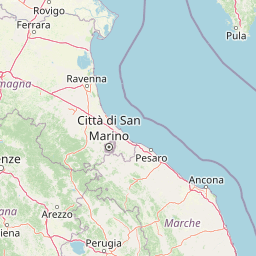
Riserva naturale speciale di Alfonsine park geography, regions, and map view in Italy

Understand where Riserva naturale speciale di Alfonsine sits in Italy through a broader geographic reading of the surrounding landscape, nearby location context, and its mapped position within the national park landscape.

How Riserva naturale speciale di Alfonsine fits into Italy

Italy is a unitary parliamentary republic in Southern and Western Europe, located on the Italian Peninsula with the Alps to the north. It borders France, Switzerland, Austria, Slovenia, Vatican City, and San Marino, and shares maritime boundaries with several Mediterranean countries. The country has approximately 59 million residents and uses the Euro as its currency.

Wider geography shaping Riserva naturale speciale di Alfonsine in Italy

Italy occupies a boot-shaped peninsula in southern Europe, bordered by the Alps to the north. It shares land borders with France, Switzerland, Austria, Slovenia, Vatican City, and San Marino. The country includes the Mediterranean islands of Sicily and Sardinia, along with approximately 800 smaller islands.

Map view of Riserva naturale speciale di Alfonsine

Use this park location map to pinpoint Riserva naturale speciale di Alfonsine in Italy, understand its exact geographic position, and read its mapped placement within the surrounding landscape more clearly.

Pigeon | © OpenStreetMap contributors

Location context for Riserva naturale speciale di Alfonsine

Emilia-Romagna
Park atlas

Compare nearby wetland reserves, lowland forests, and Po Delta protected landscapes.

Other Parks Near Riserva naturale speciale di Alfonsine and Regional Protected Areas

Browsing other parks near Riserva naturale speciale di Alfonsine reveals the wider network of wetland reserves and protected lowland forests across the Po plain. Comparing adjacent conservation areas provides essential geographic context on regional water systems, seasonal flood zones, and local wildlife habitats.
Watercolor painting of a landscape with rolling hills, green fields, and a body of water under a pink sky
National parkForlì-Cesena Province
About 59 km away#1 closest

South

Foreste Casentinesi, Monte Falterona, Campigna National Park: A Mapped Protected Landscape in Italy

National Park within Forlì-Cesena Province, Emilia-Romagna

Foreste Casentinesi, Monte Falterona, Campigna National Park is an important protected natural area situated in Forlì-Cesena Province, northeastern Italy. As a designated national park, it serves as a key landmark for exploring mapped protected land boundaries and understanding its specific contribution to the regional geography. This page provides an atlas-centric view, highlighting the park's geographic context and its identity as a significant protected landscape for discovery and reference.

Area
368 km²
Established
1993
IUCN
II
Relief
Mountain
Watercolor painting of rolling green hills under a sunset sky with soft color transitions
National parkEmilia-Romagna
About 130 km away#2 closest

West

Appennino Tosco-Emiliano National Park: Explore Its National Park Boundaries and Geography

Discover the mapped landscape and regional context of this protected area.

Appennino Tosco-Emiliano National Park is a designated national park offering a rich area for geographic exploration. This MoriAtlas entry details the park's protected landscape, providing insights into its mapped boundaries and its contribution to the natural terrain of the Emilia-Romagna region. Understand its significance within the broader atlas of Italian protected areas, focusing on its unique geographic identity and landscape context.

Area
227.92 km²
Established
2001
IUCN
II
Relief
Mountain
A watercolor illustration of rolling hills with gypsum rock outcrops and flowering shrubs in the foreground.
Biosphere reserveEmilia-Romagna
About 134 km away#3 closest

West

Carsismo e grotte evaporitiche dell'Appennino settentrionale Protected Geological Reserve

Evaporite karst landscapes within the Emilia-Romagna region.

Spanning across northern Italy, this site features a dense concentration of gypsum caves and sculpted karst terrain. It stands as a premier example of evaporite geomorphology, with record-breaking cave depths and diverse formations that offer a deep look into the geological history of the northern Apennines.

Established
2023
Relief
Mountain
Scope
Terrestrial
Water
Minor water
Watercolor painting of coastal landscape with green islands, trees, and calm water under a soft sky
National parkCroatia
About 138 km away#4 closest

East

Brijuni Islands National Park: Adriatic Protected Landscape and Historical Atlas

Mapped boundaries, regional geography, and ecological context.

Brijuni Islands National Park is a significant protected area comprising a Croatian archipelago in the northern Adriatic Sea. This national park showcases a unique Mediterranean landscape blending natural habitats with extensive archaeological sites, offering a rich context for atlas-based exploration. Understanding Brijuni Islands National Park contributes to a broader appreciation of regional geography and the mapped distribution of protected lands.

Area
7.5 km²
Established
1983
IUCN
II
Relief
Lowland
Nature reserveEmilia-Romagna
About 146 km away#5 closest

West

Riserva naturale di Torrile e Trecasali: Protected Wetland Geography in Emilia-Romagna

A regional nature reserve and migratory bird sanctuary

Located in the lowlands of the Po Valley, Riserva naturale di Torrile e Trecasali protects a concentrated variety of freshwater habitats. From reed-fringed canals to seasonal flood meadows, this site provides essential mapping context for understanding lowland riparian corridors and their role in regional biodiversity within northern Italy.

Area
1.09 km²
Established
2010
IUCN
IV
A flat-style digital illustration showing a tiered waterfall flowing down a rocky mountain face, surrounded by stylized coniferous forests and a winding river.
Biosphere reserveVeneto
About 153 km away#6 closest

North

Monte Grappa Biosphere Reserve: A Geographic and Historical Protected Area

Tracing the ecological mosaic of the Venetian Prealps

Monte Grappa provides a rare geographic study of an uplifted limestone massif in northeastern Italy. Recognized as a UNESCO Biosphere Reserve, it compresses diverse habitats, from Mediterranean broadleaf forests to subalpine ridges, within a singular mountain structure. This atlas entry details the natural terrain, regional boundaries, and memorial landscapes that define this significant Venetian protected area.

Established
2021
Relief
Mountain
Climate
Temperate
Access
Access unknown
Watercolor illustration of stylized rolling green mountains and a treeline in shades of green, pink, and soft yellow.
Nature reserveEmilia-Romagna
About 156 km away#7 closest

West

Monte Prinzera Nature Reserve: Emilia-Romagna Protected Ophiolite and Geological Atlas

Ancient oceanic crust and rare ecological habitats

Monte Prinzera represents a singular geological anomaly in the Apennine foothills, characterized by its deep rust-red color and specialized dry Mediterranean vegetation. As the only protected ophiolite site in Emilia-Romagna, the reserve offers essential insight into ultramafic ecology, hosting a mosaic of mixed deciduous woodlands and xerophilous grasslands that support unique populations of birds, bats, and mammals.

Established
1990
Relief
Mountain
Scope
Terrestrial
Water
Minor water
Marine protected areaFrance
About 162 km away#8 closest

Southwest

Sanctuaire Pelagos Marine Protected Area: Mediterranean Geography and Seascape

A transboundary conservation zone spanning 87,500 square kilometers.

Sanctuaire Pelagos represents a unique collaborative effort in marine conservation across the Mediterranean. Spanning the waters between France, Italy, and Monaco, this protected maritime area is defined by its deep-sea canyons and nutrient-rich currents that sustain diverse cetacean populations. Its immense scale and international governance make it a focal point for understanding Mediterranean marine biodiversity and environmental policy.

Area
87,500 km²
Established
1999
IUCN
IV
Relief
Lowland

Common questions about visiting, size, designation, and location context for Riserva naturale speciale di Alfonsine

Riserva naturale speciale di Alfonsine FAQs for park facts, access, geography, and protected area context

Find quick answers about Riserva naturale speciale di Alfonsine, including protected-area facts, park geography, trail and visitor context, and how the park fits into its surrounding country and regional landscape.
MoriAtlas Explorer

Continue Your Protected Areas Search Across the Global Atlas

Deepen your exploration by continuing the structured search for national parks and protected areas worldwide. Utilize the comprehensive filtering capabilities to compare different conservation landscapes and refine your understanding of global park geography. Discover more about the distribution and characteristics of protected natural areas.

Global natural geography