Why Ruvubu National Park stands out
Ruvubu National Park is best known for its role as the last remaining example of the natural grassland ecosystem that once covered northeast Burundi. The park's extensive river valley, carved by the Ruvubu River, creates a distinctive landscape characterized by floodplains, wetlands, and rolling grassland terrain. The park supports significant populations of large mammals including hippopotamus, Nile crocodile, Cape buffalo, and waterbuck. Its primate diversity is notable, with five species recorded including olive baboon, vervet monkey, red colobus monkey, blue monkey, and Senegal bushbaby. The area also hosts approximately 200 bird species, making it an important bird habitat in the region.
Ruvubu National Park history and protected-area timeline
Ruvubu National Park was established in 1980 as part of Burundi's effort to create a comprehensive national protected area network. The park was created to preserve the remaining examples of the country's natural grassland ecosystems and the associated wildlife populations. In March 2013, the park received additional recognition through its designation as a Ramsar Wetland, placing it under the international framework for the protection of significant wetland habitats. The Office Burundais pour la Protection de l'Environnement serves as the governing body responsible for managing the park's conservation and protection activities. The establishment of the park represented a recognition that the grassland ecosystem of northeast Burundi required dedicated protection to prevent further loss of this habitat type.
Ruvubu National Park landscape and geographic character
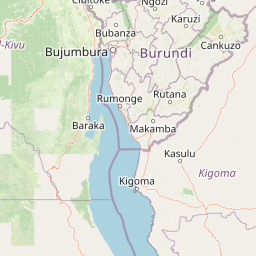
The landscape of Ruvubu National Park is dominated by the valley of the Ruvubu River, which flows through the length of the protected area from north to south. The river valley creates a broad floodplain system that spans considerable width, flanked by rolling grassland terrain that extends toward the surrounding provinces. The topography is characterized by relatively gentle slopes and open terrain, distinguishing this park from the more mountainous protected areas found in other parts of Burundi. The grassland ecosystem forms the dominant vegetation type across most of the park, with the river corridor providing a different habitat character through its wetland and riparian zones. The park's location in northeastern Burundi places it in a region where the landscape transitions between the highland areas of central Burundi and the lower-lying territories extending toward Lake Victoria and Tanzania.
Ruvubu National Park ecosystems, habitats, and plant life
Ruvubu National Park protects one of the last remaining examples of the natural grassland ecosystem that historically covered the northeast region of Burundi. The park's ecological character is shaped by the Ruvubu River system, which creates a complex of wetland habitats including floodplains, marshes, and riparian zones alongside the more extensive grassland areas. This combination of terrestrial and wetland habitats supports a diverse range of ecological communities. The grassland habitat type has become increasingly scarce in the region due to agricultural conversion, making the park's preservation of this ecosystem particularly significant. The river and its associated wetlands provide critical habitat for water-dependent species and contribute to the overall biodiversity value of the protected area.
Ruvubu National Park wildlife and species highlights
Ruvubu National Park supports diverse wildlife populations across its grassland and wetland habitats. Large mammals are well represented, with hippopotamus and Nile crocodile found along the Ruvubu River corridor, while Cape buffalo and waterbuck graze the grassland areas. Several duiker species inhabit the park's diverse habitats. The primate community is notably diverse, with five species recorded: olive baboon, vervet monkey, red colobus monkey, blue monkey, and Senegal bushbaby. This primate diversity reflects the variety of habitats within the park, from forest patches along the river to more open woodland and grassland areas. The park's bird population includes approximately 200 species, making it an important area for avian conservation in Burundi. The combination of grassland, wetland, and river habitats creates conditions that support both resident species and migratory populations.
Ruvubu National Park conservation status and protection priorities
Ruvubu National Park holds significant conservation value as the last vestige of the natural grassland ecosystem that once covered the northeast of Burundi. The park's 2013 designation as a Ramsar Wetland acknowledges its international importance as a protected wetland area under the Ramsar Convention. This recognition reflects the ecological significance of the Ruvubu River system and its associated floodplain habitats, which provide critical ecosystem services and wildlife habitat. The park serves as a refuge for species that depend on grassland and wetland environments, many of which have lost habitat elsewhere in the region due to agricultural expansion and human development. Conservation of this area is essential for maintaining the biological diversity of northeastern Burundi and preserving ecological processes associated with these increasingly rare habitat types.
Ruvubu National Park cultural meaning and human context
Ruvubu National Park is located in a region of Burundi with traditional pastoral and agricultural land use patterns. The park's name derives from the Ruvubu River, which holds local significance as a major watercourse in the northeastern part of the country. While the park itself does not contain major cultural heritage sites, the surrounding provinces have been inhabited for generations, with local communities maintaining traditional relationships with the land and resources of this region. The park's establishment in 1980 created a protected area that coexists with these surrounding land use patterns, requiring management approaches that balance conservation objectives with the needs of local communities.
Top sights and standout views in Ruvubu National Park
The Ruvubu River valley forms the central geographic feature of the park, creating a distinctive landscape of floodplains and wetlands that supports abundant wildlife. The park represents the last remnant of Burundi's northeast grassland ecosystem, making it a critical area for conservation of this increasingly rare habitat type. The primate community of five species, including red colobus and blue monkeys, demonstrates the ecological diversity contained within the park. The approximately 200 bird species recorded in the park make it an important destination for birdwatching and avian study. The Ramsar Wetland designation in 2013 reflects the international recognition of the park's wetland conservation value.
Best time to visit Ruvubu National Park
The best time to visit Ruvubu National Park corresponds with the dry seasons, which typically run from June to September and December to February. During these periods, wildlife tends to concentrate around the remaining water sources along the river corridor, making animal viewing more predictable. The wet seasons bring renewed vegetation growth across the grasslands and can make some areas less accessible, though they also bring the birding opportunities associated with migratory species. The park's accessible location near the town of Muyinga provides a convenient base for visits, though visitors should be prepared for the basic infrastructure that characterizes many of Burundi's protected areas.