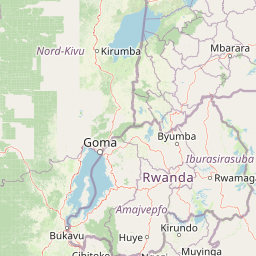
Why Gishwati Forest stands out
Gishwati Forest is best known for its recovering population of Eastern chimpanzees, which have increased from just 13 individuals in 2008 to over 30 by the early 2020s. The forest supports four primate species including the golden monkey, blue monkey, and L'Hoest's monkey, alongside other notable mammals such as the red river hog, African golden cat, and serval. Beyond its primate population, the forest is recognized for its dramatic ecological recovery story, having been designated a UNESCO World Biosphere Reserve in 2020. The area also features notable botanical diversity including giant tree ferns, blue lichen, and numerous indigenous hardwood species.
Gishwati Forest history and protected-area timeline
The history of Gishwati Forest reflects both the ecological richness of Rwanda's highland rainforests and the profound environmental impacts of human displacement and agricultural expansion. In 1930, the forest covered approximately 70,000 acres as part of a continuous rainforest corridor across central Africa. This extensive forest system began fragmenting due to population growth and agricultural conversion over subsequent decades, but substantial forest cover remained intact through the 1970s and into the mid-1980s. The Rwandan genocide of 1994 accelerated the forest's decline as waves of refugees arrived and cleared vegetation for subsistence agriculture. By 2001, only a small circular patch of native forest remained, approximately 1,500 acres representing just six percent of the original forest area. Environmental degradation followed, including severe soil erosion, landslides, reduced water quality, and declining agricultural productivity. The Gishwati Area Conservation Program launched in 2007 through a collaboration between the Rwandan government and international conservation organizations, marking the beginning of systematic restoration efforts. The initiative, dubbed the Forest of Hope, aimed to reverse the forest's decline and eventually establish formal national park status. In 2011, the Forest of Hope Association took over management of the reserve, and in 2015 the forest was officially designated as part of Gishwati-Mukura National Park. By the late 2020s, the forest had increased in size by sixty-seven percent from its minimum extent, and the chimpanzee population had grown substantially.
Gishwati Forest landscape and geographic character
The landscape of Gishwati Forest consists of rolling highland terrain characterized by steep hillsides and deep valleys that define Rwanda's western province topography. The forest sits at elevations ranging from approximately 2,000 meters at lower reaches to over 2,400 meters at the highest points within the reserve. The terrain presents a challenging environment with slopes that contributed to severe erosion during periods of forest loss. The area transitions between different vegetation zones as elevation increases, with lower slopes historically supporting more diverse lowland rainforest species while higher elevations featured montane forest communities. Several perennial streams descend through the catchment areas, their water quality historically affected by upstream deforestation and soil erosion. The surrounding landscape consists largely of agricultural hillside cultivation interspersed with remnant forest patches, creating a mosaic pattern that characterizes much of Rwanda's highland farming areas. Tea estates occupy significant portions of the central and northern sections of the reserve, a land use that predates the formal protected area designation and continues within the park boundaries.
Gishwati Forest ecosystems, habitats, and plant life
The ecological character of Gishwati Forest reflects its position within Rwanda's highland rainforest ecosystem, a biodiversity-rich zone that forms part of the Albertine Rift region. The forest supports recorded tree and shrub species numbering fifty-eight, including numerous indigenous hardwood varieties and bamboo species in certain areas. Studies of the forest's regeneration patterns reveal distinct ecological zones, with undisturbed areas dominated by species such as Macaranga kilimandscharica while previously disturbed zones show colonization by species including Carapa grandiflora, Entandrophragma excelsum, and Symphonia globulifera. The forest also features notable lower plant communities including giant tree ferns and distinctive blue lichen species. The ecosystem provides important watershed functions for downstream communities, with the forest's root systems helping to stabilize soils on steep slopes and maintain water catchment quality. The elevation gradient within the reserve creates habitat diversity that supports both lowland and montane species assemblages, though the fragmented nature of the current forest limits the ecological continuity that once characterized the broader region.
Gishwati Forest wildlife and species highlights
Gishwati Forest supports a notable primate community despite its reduced size, with four species confirmed to inhabit the reserve. The Eastern chimpanzee population represents the flagship species, with estimates indicating approximately thirty individuals in the forest as of the early 2020s, a significant increase from the thirteen individuals recorded in 2008 when systematic conservation efforts began. The population includes several infants, suggesting successful reproduction in the recovering forest. Other primates include the golden monkey, blue monkey, and L'Hoest's monkey, the latter also known as the mountain monkey. The mammal community extends beyond primates to include species such as the red river hog, black-fronted duiker, southern tree hyrax, serval, and African golden cat. The forest hosts eighty-four bird species, including the white-headed wood hoopoe and mountain yellow warbler, both considered near-endemic to the region. Reptile diversity includes the great lakes bush viper and multiple chameleon species, while amphibian populations include the brown forest frog and various toad species. The overall fauna represents a remarkable recovery considering the near-complete collapse of the ecosystem in the early 2000s.
Gishwati Forest conservation status and protection priorities
Gishwati Forest has become a focal point for conservation innovation in Rwanda and the broader Great Lakes region, serving as both a biodiversity refuge and a testing ground for restoration approaches. The designation of Gishwati-Mukura National Park as a UNESCO World Biosphere Reserve in 2020 acknowledged the area's significance for both ecological conservation and sustainable development. The chimpanzee population, once reduced to just thirteen individuals, has become a symbol of successful intervention, with the population increasing by over fifty percent through combined anti-poaching efforts, habitat protection, and community engagement. The conservation model integrates tourism as a funding mechanism, with chimpanzee tracking permits generating revenue that supports both protection activities and local community benefits. A ten-thousand-acre corridor project aims to eventually reconnect Gishwati Forest with Nyungwe National Park approximately thirty miles to the south, enabling genetic exchange between chimpanzee populations and restoring migration corridors for other species. The reforestation program has planted over ten thousand indigenous tree seedlings in recent years, with ongoing efforts to expand native forest cover while managing the competing land uses that characterize the surrounding landscape.
Gishwati Forest cultural meaning and human context
The Gishwati Forest area is home to communities whose livelihoods are intimately connected to the forest landscape, though this relationship has been complicated by decades of environmental change and displacement. The forest historically provided local populations with wild fruits, vegetables, and medicinal plants, resources that have declined dramatically alongside forest cover loss. The area experienced significant population displacement during the Rwandan genocide, with refugees arriving in the forest and establishing agricultural settlements that contributed to rapid deforestation. The conservation initiatives that followed have sought to balance ecological restoration with community needs, with programs employing local residents as guides, trackers, and conservation staff. The Forest of Hope Association, the local organization managing conservation activities, represents an attempt to build community ownership of the restoration process. The landscape also reflects Rwanda's broader relationship with reforestation and environmental restoration, as the country has pursued aggressive greening initiatives that include the creation of national parks and community woodlots across the highlands.
Top sights and standout views in Gishwati Forest
The recovering chimpanzee population remains the primary draw for visitors to Gishwati Forest, offering opportunities to observe these primates in their highland habitat despite the challenges posed by limited habituation compared to other Rwanda chimpanzee tracking destinations. The forest's elevation provides a distinct highland experience, with the Matyazo hill trail ascending to the park's highest point at nearly 2,500 meters offering panoramic views across the canopy. The three established trails—the eight-kilometer Umushwati Trail through the forest interior, the seven-kilometer Waterfall Trail from the guest house area, and the shorter Matyazo hill climb—provide varied options for different fitness levels and interest areas. The Forest of Hope Guest House, the only accommodation option within the park, offers a base for multi-day exploration and early morning chimpanzee tracking excursions. The restoration narrative itself constitutes a highlight for visitors interested in conservation success stories, with the forest's recovery representing one of the most dramatic ecological turnarounds in East Africa.
Best time to visit Gishwati Forest
The optimal period for visiting Gishwati Forest coincides with Rwanda's dry seasons, typically from June through September and again from December through February, when trail conditions are most favorable and wildlife viewing opportunities are enhanced by reduced vegetation density. The higher elevations of the forest can experience cool and misty conditions regardless of season, so layered clothing is advisable year-round. The early morning hours provide the best chances for chimpanzee tracking, as the primates are most active during the cooler parts of the day. The forest's recovery means that visitor facilities are relatively new, with the park having opened to tourism in December 2020, so the experience may evolve as infrastructure and services mature. The timing of visits should be coordinated in advance to secure permits and accommodation at the Forest of Hope Guest House, which operates as the mandatory base for all park visitors.