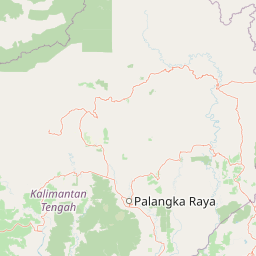
Why Sabangau National Park stands out
Sabangau National Park is best known for harboring the world's largest remaining orangutan population, estimated at nearly 7,000 individuals. The park's extensive peat swamp forest ecosystem represents a critical habitat for these great apes and numerous other species. The Sabangau catchment also supports substantial populations of agile gibbons, though these are declining rapidly. The area has been recognized by BirdLife International as an Important Bird Area, protecting vulnerable species including the large green pigeon and potentially Storm's stork and lesser adjutant. The park's ecological significance is heightened by its proximity to one of Borneo's rapidly developing regional centers.
Sabangau National Park history and protected-area timeline
Sabangau National Park's recent history is marked by significant human pressure and environmental transformation. Between 1980 and 1995, the area that now comprises the park was designated as a massive logging concessions area, during which time large-scale commercial timber extraction occurred across the region. Following the expiration of these formal logging concessions in 1995, the area became subject to widespread illegal logging activities that continued for many years. This combination of legal and illegal forestry operations resulted in the destruction of up to 85 percent of what is now the park's total area. The eastern portion of the forest, situated between the Sabangau and Kahayan rivers, became so severely degraded that it was officially designated for agricultural conversion. However, the ambitious Mega Rice Project, which attempted to drain large areas of peat forest to create rice paddies, ultimately failed, and no further significant efforts to convert this land for agriculture have been undertaken. By 2012, less than 1 percent of the park's total area had been reforested, and at current restoration rates, returning the forest to its pre-logged condition would require several centuries. The park was formally established as a national park in 2004 under the management of the Indonesian Ministry of Forestry.
Sabangau National Park landscape and geographic character
The physical landscape of Sabangau National Park is defined by its distinctive peat swamp environment. The terrain is dominated by vast, flat peatlands interspersed with the slow-moving channels of the Sabangau River and its tributaries. The blackwater river derives its color from the tannins leached from the surrounding vegetation and peat, creating a characteristic dark water appearance. The peat layer itself represents accumulated organic material that has partially decomposed in the waterlogged conditions, building up over thousands of years to form a substrate that can reach depths of 10 to 12 meters beneath the forest floor. The terrain is remarkably flat, typical of lowland tropical peat swamps, with minimal topographic relief across the extensive landscape. Satellite imagery reveals a grid-like pattern of logging roads that penetrate much of the forest area, a legacy of the extensive logging activities that have shaped the region. The western portions of the park retain more intact forest cover, while the eastern areas show the scars of extensive human modification.
Sabangau National Park ecosystems, habitats, and plant life
The nature of Sabangau National Park centers on its unique peat swamp forest ecosystem, one of the most distinctive habitat types in tropical Southeast Asia. This ecosystem supports a complex community of tropical tree species adapted to the waterlogged, acidic conditions of the peat substrate. The forest floor remains saturated for much of the year, creating conditions that slow decomposition and allow organic material to accumulate over long periods. The dual nature of the ecosystem, with living trees standing atop thick peat deposits that in turn cover mineral soils, creates a layered environment supporting diverse ecological interactions. Studies have demonstrated that despite the extensive degradation, the hydrological integrity of the forest has been largely maintained, meaning the ecosystem retains considerable ecological resilience. The park forms part of a broader network of peat swamp forests in Central Kalimantan that serve as critical carbon stores and biodiversity refuges. The area's proximity to Palangka Raya places significant development pressure on the ecosystem, though the western sections have received formal protection status.
Sabangau National Park wildlife and species highlights
Sabangau National Park supports exceptional wildlife diversity, most notably hosting the world's largest orangutan population. Surveys conducted in 2003 estimated approximately 6,910 individuals within the Sabangau catchment, representing a globally significant concentration of this critically endangered great ape species. The orangutans rely on the forest for their survival, using the canopy for feeding, resting, and social activities, though the fragmentation of forest cover has impaired their ability to move freely across the landscape. The park also supports substantial populations of agile gibbons, with estimated numbers in the tens of thousands across the Sabangau catchment, though these populations are declining rapidly due to habitat loss and fragmentation. The bird fauna includes several species of conservation concern, particularly the large green pigeon, which is classified as vulnerable. Storm's stork and lesser adjutant may also be present, though their status in the park remains less certain. The Important Bird Area designation by BirdLife International encompasses some 150,000 hectares of swamp forest within the broader complex, recognizing the site's significance for vulnerable bird species and broader biodiversity conservation.
Sabangau National Park conservation status and protection priorities
Sabangau National Park holds major conservation significance as a refuge for Borneo orangutans and other threatened species in an increasingly fragmented landscape. The park protects what remains of a once extensive peat swamp forest ecosystem that has been heavily impacted by logging activities, both legal and illegal. The establishment of the protected area in 2004 represented a formal commitment to preserving this critical habitat, though the challenges facing the ecosystem are substantial. With up to 85 percent of the original forest having been destroyed and less than 1 percent reforested by 2012, the trajectory of ecosystem degradation remains a serious concern. The conservation value of the western portions of the park has been enhanced by their designation as either National Park or National Laboratory Research Area, providing additional institutional protection. Ongoing efforts to establish long-term ecological monitoring within the forest represent an important step toward understanding and addressing the pressures facing this ecosystem. The park's status as an Important Bird Area further underscores its international conservation recognition.
Sabangau National Park cultural meaning and human context
The cultural context of Sabangau National Park is intertwined with the broader human geography of Central Kalimantan, a region with deep connections to river-based communities and traditional land use patterns. The park lies in an area that has experienced significant development pressure from the expansion of Palangka Raya, the regional capital that has grown substantially in recent decades. The historical allocation of large areas to logging concessions between 1980 and 1995 reflects the economic priorities that have shaped land use in the province. The failed Mega Rice Project represents a major chapter in the region's development history, an ambitious scheme that attempted to convert extensive peat forest to agricultural production but ultimately proved ecologically and practically unworkable. The local communities in the surrounding areas maintain connections to the rivers and forests, though the extensive environmental changes of recent decades have altered traditional livelihoods. The park's proximity to a major urban center creates both challenges and opportunities for conservation, as development pressures compete with the need to protect critical habitat.
Top sights and standout views in Sabangau National Park
Sabangau National Park stands out as a critical conservation landscape in Borneo, protecting the world's largest orangutan population within a vast peat swamp forest ecosystem. The park's 5,687 square kilometers encompass one of the largest remaining tracts of peat swamp forest in the region, a distinctive habitat characterized by its blackwater rivers, thick peat layers, and unique ecological communities. The combination of exceptional biodiversity value, including orangutans, gibbons, and vulnerable bird species, with significant conservation challenges makes this park both globally significant and urgently in need of effective protection. The landscape represents a complex interplay between ecological resilience and human pressure, with the western portions retaining better forest cover while the eastern areas show extensive degradation. The ongoing restoration challenges, with current rates suggesting centuries would be needed to fully recover the ecosystem, underscore the long-term commitment required to preserve this remarkable area.
Best time to visit Sabangau National Park
The optimal time to visit Sabangau National Park would align with the drier conditions typically experienced in Indonesian Borneo from March through October, when rainfall is reduced and river access is more reliable for wildlife observation. The wet season from November through February brings increased precipitation that can affect travel within the park's extensive peat swamp terrain. The dry season offers better opportunities for exploring the forest and observing wildlife, though the characteristic humidity of the tropical environment remains significant year-round. Visitors should be aware that the park's accessibility is influenced by the wet/dry seasonal patterns and that conditions can vary significantly from year to year based on broader climatic patterns. The proximity to Palangka Raya provides a practical base for park access, though visits require careful planning given the extensive areas involved and the need to work with local conservation authorities.