Why Słowiński National Park stands out
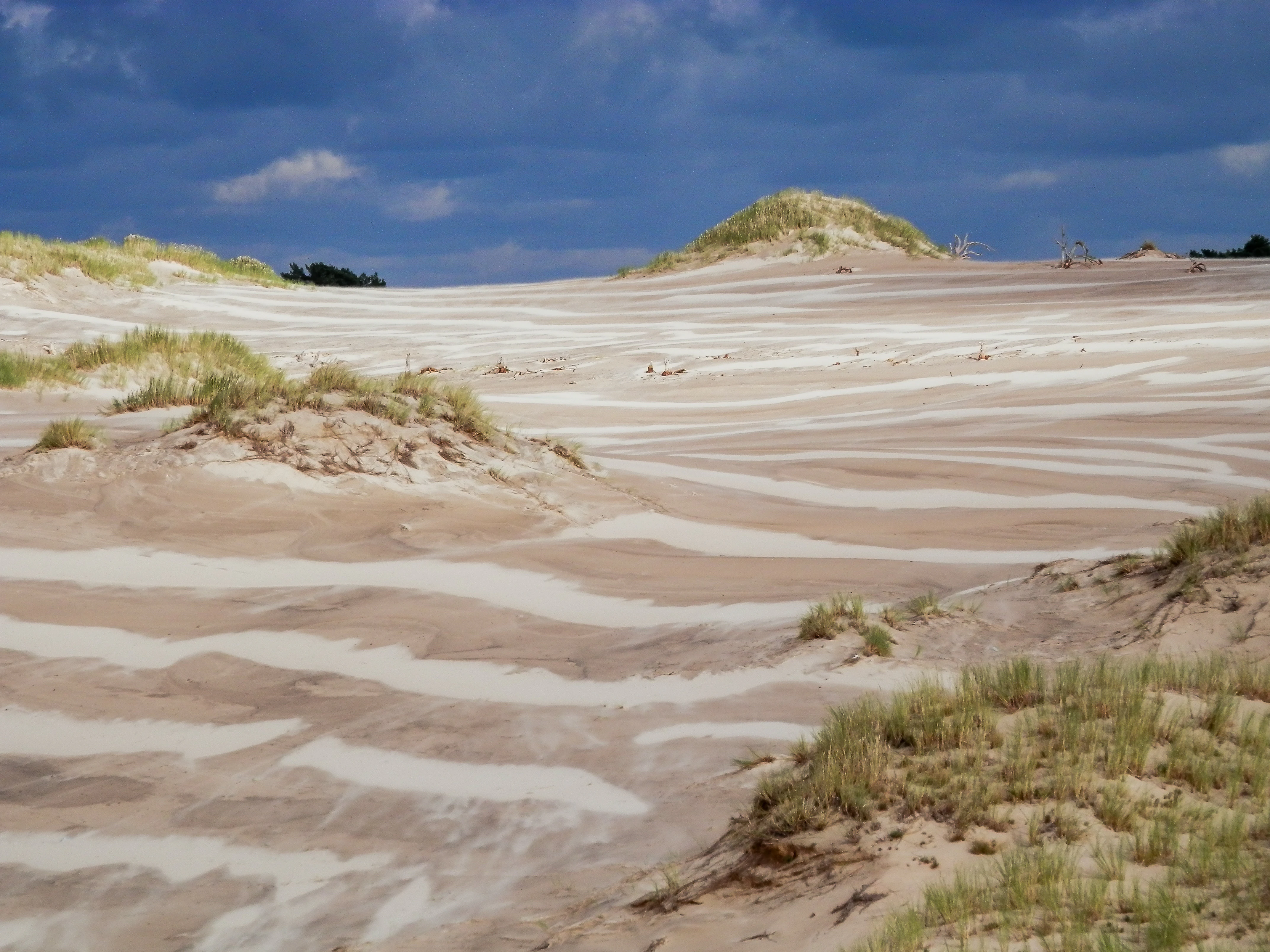
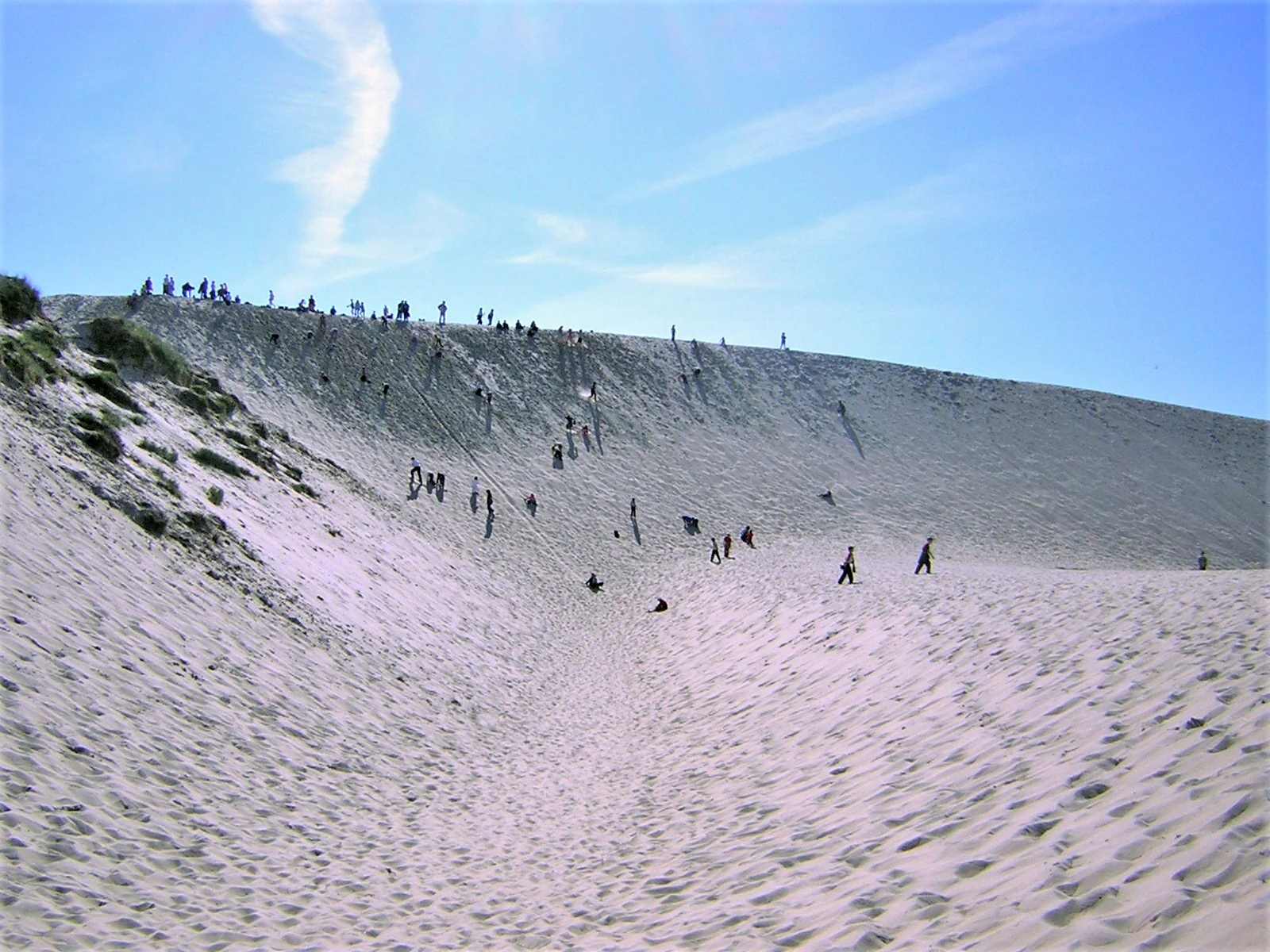
Słowiński National Park is best known for its moving sand dunes, one of the most remarkable dune systems along the Baltic coast. The dunes, most famously Łączka and the Czołpińska Dune, advance inland through a process still active today, occasionally uncovering the remains of forests buried thousands of years ago. The park is equally noted for the interplay between these dunes and a chain of large coastal lakes and raised bogs. Lake Łebsko, Lake Gardno, and the surrounding mires and meadows form a coherent coastal wetland mosaic that supports large numbers of breeding, wintering, and migratory birds. Together, the dunes and the lake system define Słowiński as a park where physical landscape dynamics, not biodiversity statistics, are the main story.
Słowiński National Park history and protected-area timeline
Słowiński National Park was officially created on 1 January 1967, with an initial area of around 18,069 hectares focused on the dune belt and the associated lake district. The park's establishment reflected increasing recognition of the Łebska Spit and the adjacent wetlands as a landscape of national significance, where active dune processes, coastal lakes, and bogs coexisted within a relatively compact territory.
In 1977, the park was added to UNESCO's Man and the Biosphere programme as a biosphere reserve, placing it within an international network that highlights the interaction between human activity and natural ecosystems. By 1995, Słowiński had also been listed as a Ramsar wetland site, formally recognizing the international ecological importance of its coastal lakes, peatlands, and bird habitat.
A significant expansion came in 2004, when the park grew by around 14,675 hectares, including roughly 11,000 hectares of Baltic Sea waters. Total area now stands near 32,744 hectares. Over time, the park's role shifted from a chiefly national conservation site to a recognized international benchmark for coastal dune, lake, and wetland management.
Słowiński National Park landscape and geographic character
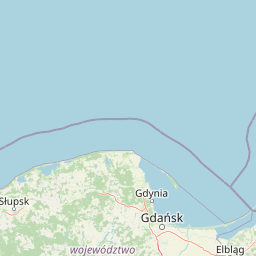
The landscape of Słowiński National Park is defined by the contrast between the open Baltic shoreline and the calmer, wetland-rich land behind it. The Łebska Spit forms a long, narrow barrier of sand running roughly parallel to the coast, with the dynamic dune belt as its spine and a series of large coastal lakes sitting just inland on the Gardno-Łeba lowland.
Słowiński National Park ecosystems, habitats, and plant life
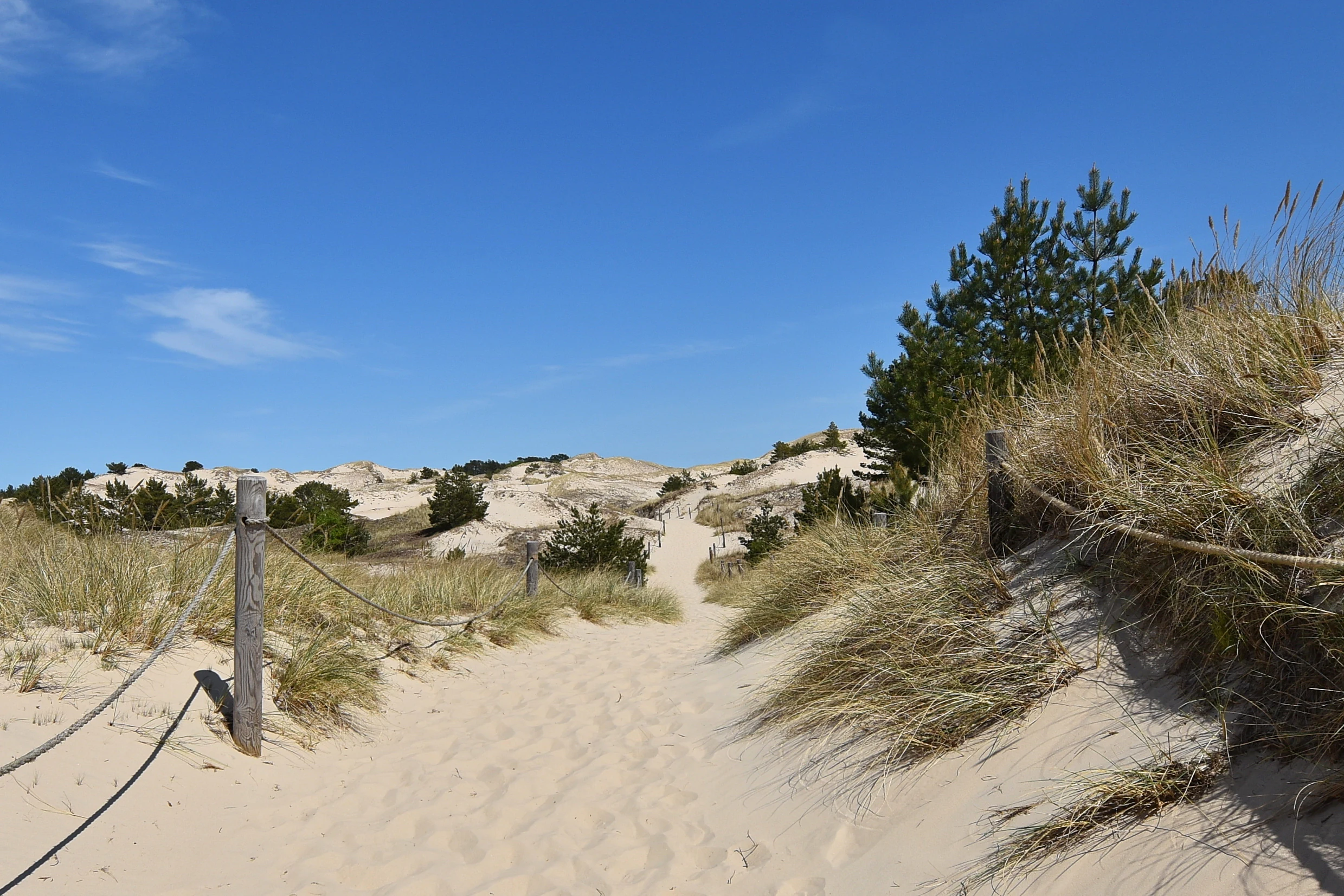
Słowiński protects a layered mosaic of natural value. The shifting dunes are not bare waste; they host pioneer communities of grasses and herbs that stabilize the sand in stages, including marram grass and other classic beach-to-dune colonizers. Behind the dunes, more stable areas support cranberry-pine communities and, eventually, dense coniferous coastal forests.
Słowiński National Park wildlife and species highlights
Birds are the most conspicuous and ecologically important wildlife group in the park, with around 274 species recorded. About 160 of these breed locally, while others use the area as a stopover or wintering ground. Spring and autumn migrations bring significant movements of waterfowl, waders, and shorebirds through the lakes and coastal meadows.
Słowiński National Park conservation status and protection priorities
Słowiński National Park's conservation importance is unusually broad. It is one of the few protected areas in Europe where active dune migration, large coastal lakes, and internationally important wetland habitat coexist within a single management framework. Its landscape processes are themselves a conservation subject: the protection regime aims to allow dunes to continue shifting rather than freeze them in place, while managing vegetation succession and visitor pressure on the most sensitive zones.
Słowiński National Park cultural meaning and human context
The park takes its name from the Slovincians, or Słowińcy, a small Kashubian-related West Slavic group historically settled around the Łebsko and Gardno lake basins. By the late 19th and early 20th centuries this community had largely been assimilated into the broader Kashubian population, but the cultural legacy remains visible through the Museum of the Slovincian Village in Kluki and other regional heritage institutions that interpret the traditional fishing and agricultural life of the coastal lakes.
Top sights and standout views in Słowiński National Park
The park's main highlight is the belt of moving sand dunes along the Łebska Spit, particularly the Łączka and Czołpińska dunes, which rank among the most active dune formations on the Baltic coast. Behind them lies a tranquil chain of large coastal lakes, notably Lake Łebsko and Lake Gardno, ringed by peat bogs and wet meadows.
Best time to visit Słowiński National Park
Late spring and early summer bring mild conditions, lush vegetation around the lakes and bogs, and active bird breeding, which can make the meadows and dune edges particularly lively. Late summer and early autumn usually offer the most stable weather, with warm sand, clear views from the dune crests, and migratory bird movement in the wetlands.