

Mori Atlas logo
National parkSouthern Moreton Bay Islands National Park

Discover the mapped geography and protected land context of this island national park.

Southern Moreton Bay Islands National Park: A Protected Landscape in Queensland's Coastal Geography

Southern Moreton Bay Islands National Park represents a significant protected area within the diverse regional geography of Queensland, Australia. This national park encompasses a collection of islands, offering a unique perspective on coastal protected landscapes. Through MoriAtlas, users can explore the specific geographic boundaries, understand the park's placement within Queensland's broader natural context, and discover its identity as a mapped protected land.

Coastal IslandsBirdwatchingMigratory BirdsMarine Protected AreaQueenslandShorebird Habitat

Southern Moreton Bay Islands National Park

National park

Park overview

Structured park overview, official facts, and landscape profile for Southern Moreton Bay Islands National Park

Southern Moreton Bay Islands National Park park facts, protected area profile, and essential visitor context
Review the core facts for Southern Moreton Bay Islands National Park, including designation, size, terrain, visitor scale, habitats, and operating context in one park-focused overview.

About Southern Moreton Bay Islands National Park

Southern Moreton Bay Islands National Park protects a chain of islands in the southern portion of Moreton Bay, creating a unique coastal protected area that combines marine and terrestrial environments. The park's location makes it one of the more accessible national parks for visitors departing from Brisbane, while its ecological significance extends well beyond its relatively modest area. The islands within the park feature low profiles with coastal vegetation adapted to the harsh maritime environment, including salt-tolerant species and dune-forming plants. Tidal channels such as Tipplers Passage create dynamic water connections between the islands, influencing both the marine life and the bird populations that depend on these intertidal habitats. The park forms part of a larger network of protected areas along the Queensland coast that collectively protect important coastal ecosystems.

Quick facts and research context for Southern Moreton Bay Islands National Park

The national park covers an area of 15.70 square kilometres across the island chain in Moreton Bay. It is classified as an IUCN Category II protected area, managed by the Queensland Parks and Wildlife Service. The park lies within the broader Moreton Bay and Pumicestone Passage Important Bird Area, designated by BirdLife International due to its support for substantial populations of migratory waders. The islands are located in shallow coastal waters between the Queensland mainland and Stradbroke Island, creating a complex marine and terrestrial environment.

Park context

Deeper park guide and search-rich context for Southern Moreton Bay Islands National Park

Southern Moreton Bay Islands National Park history, landscape, wildlife, and travel context
Explore Southern Moreton Bay Islands National Park through its history, landscape character, ecosystems, wildlife, conservation priorities, cultural context, and seasonal travel timing in a structured park guide built for atlas discovery and search intent.

Why Southern Moreton Bay Islands National Park stands out

Southern Moreton Bay Islands is best known for its role as a critical habitat for migratory shorebirds and waders. The Important Bird Area designation reflects the site's international significance as a stopping and resting point along the East Asian-Australasian flyway, where thousands of migratory birds travel between their breeding and wintering grounds each year. The park's tidal passages, mudflats, and coastal islands provide essential feeding and resting areas for these birds during their annual migrations.

Southern Moreton Bay Islands National Park history and protected-area timeline

The formal establishment of Southern Moreton Bay Islands as a national park reflects Queensland's broader approach to protecting coastal and island environments that had historically received limited conservation attention. The area was recognized for its ecological values, particularly the bird habitats that had been documented through ornithological surveys identifying the site as an Important Bird Area. The national park designation provided formal protection for these islands that had previously existed in a less protected status. Management by the Queensland Parks and Wildlife Service has focused on maintaining the ecological integrity of the island chain while providing opportunities for appropriate visitor use of the area.

Southern Moreton Bay Islands National Park landscape and geographic character

The landscape of Southern Moreton Bay Islands is defined by its coastal island setting in the shallow waters of Moreton Bay. The islands are low-lying and relatively flat, with elevations barely above sea level. Tidal channels and passages separate the individual islands, with Tipplers Passage between Kangaroo Island and Woogoompah Island being a notable example of these maritime corridors. The surrounding bay features extensive mudflats and sandbanks that are exposed at low tide, creating critical feeding habitat for shorebirds. The islands support coastal vegetation communities adapted to the saline, wind-exposed conditions of the bay, and the shoreline environments include both sandy beaches and tidal wetlands.

Southern Moreton Bay Islands National Park ecosystems, habitats, and plant life

The nature of Southern Moreton Bay Islands centers on its dual marine-coastal and island ecosystem. The park forms part of the Moreton Bay and Pumicestone Passage Important Bird Area, a designation that recognizes the site's exceptional value for migratory birds. The intertidal mudflats and sandbanks provide feeding grounds for large numbers of shorebirds, while the islands themselves offer resting and nesting habitat. The surrounding marine waters support various fish and invertebrate species that form part of the coastal food web. The vegetation on the islands consists of coastal dune species and saltmarsh communities that are characteristic of low-lying tropical and subtropical island environments.

Southern Moreton Bay Islands National Park wildlife and species highlights

The wildlife significance of Southern Moreton Bay Islands is concentrated in its bird populations, particularly the migratory shorebirds that use the area throughout the year. The site supports large numbers of waders as part of the East Asian-Australasian flyway, one of the major migratory bird routes in the world. These birds visit the park during their annual migrations, stopping to feed and rest on the mudflats and tidal areas before continuing their journeys. The islands also support resident bird species adapted to the coastal island environment. The surrounding marine waters contain fish and other marine life that contribute to the overall ecological character of the protected area.

Southern Moreton Bay Islands National Park conservation status and protection priorities

The conservation significance of Southern Moreton Bay Islands derives primarily from its designation as part of the Moreton Bay and Pumicestone Passage Important Bird Area. This international recognition by BirdLife International highlights the site's global importance for migratory shorebird populations. The national park status provides formal protection for the island ecosystems and the bird habitats that make this area distinctive. The conservation framework aims to maintain the ecological processes that support the migratory bird populations, including the intertidal feeding areas and island resting sites that are essential for these species during their long-distance movements.

Southern Moreton Bay Islands National Park cultural meaning and human context

Southern Moreton Bay Islands exist within the broader cultural landscape of the Moreton Bay region, which has been home to Aboriginal peoples for thousands of years. The islands and the surrounding waters of Moreton Bay hold significance in the cultural traditions and histories of local Indigenous communities. The bay itself has been an important resource area for maritime activities, fishing, and traditional practices. While the national park focuses on ecological conservation, the cultural dimension of the Moreton Bay islands contributes to the broader understanding of this coastal region.

Top sights and standout views in Southern Moreton Bay Islands National Park

The standout feature of Southern Moreton Bay Islands National Park is its international significance as a migratory bird habitat within the East Asian-Australasian flyway. The island chain provides a protected environment where large populations of shorebirds can rest and feed during their annual migrations between the northern hemisphere and Australia. The park's proximity to Brisbane makes it one of the most accessible island national parks in Queensland, offering visitors the opportunity to experience a coastal island environment with notable birdlife without traveling far from the capital city. The tidal passages and mudflats create dynamic landscapes that change with the tide cycles.

Best time to visit Southern Moreton Bay Islands National Park

The best time to observe the migratory shorebirds for which the park is renowned is during the southern hemisphere spring and summer months, from approximately September through March, when the birds are present in greatest numbers. During this period, the migratory waders have arrived from their northern breeding grounds and can be observed feeding on the mudflats and resting on the islands. The weather during these months is generally warm and suitable for boat access to the islands. Visitors planning trips should consider tidal conditions, as the intertidal habitats that make the park significant for birdwatching are most accessible at low tide.
Park location guide

Geography guide, regional context, and park location map for Southern Moreton Bay Islands National Park

Southern Moreton Bay Islands National Park park geography, regions, and map view in Australia
Understand where Southern Moreton Bay Islands National Park sits in Australia through a broader geographic reading of the surrounding landscape, nearby location context, and its mapped position within the national park landscape.

How Southern Moreton Bay Islands National Park fits into Australia

Australia is a constitutional monarchy and federal parliamentary democracy comprising six states and ten territories. With a population of nearly 28 million, it is one of the world's most urbanised countries, with most people concentrated on the eastern seaboard. The country has a high Human Development Index and is known for its cultural diversity, ancient Aboriginal heritage, and unique wildlife.

Wider geography shaping Southern Moreton Bay Islands National Park in Australia

Australia occupies the entire Australian continent, the island of Tasmania, and numerous smaller islands. It is the world's flattest and driest inhabited continent, featuring vast deserts in the interior (the Outback), tropical rainforests along the eastern coast, and a coastline bordering the Indian and Pacific Oceans.

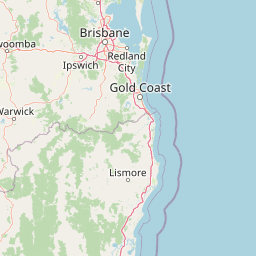
Map view of Southern Moreton Bay Islands National Park

Use this park location map to pinpoint Southern Moreton Bay Islands National Park in Australia, understand its exact geographic position, and read its mapped placement within the surrounding landscape more clearly.

Pigeon | © OpenStreetMap contributors

Location context for Southern Moreton Bay Islands National Park

Queensland
Park atlas

Explore Queensland's Coastal Islands and Regional Protected Landscapes for Atlas-Style Park Comparison

Discover Other National Parks and Protected Areas Near Southern Moreton Bay Islands
After exploring Southern Moreton Bay Islands National Park, browse other national parks and protected areas across Queensland's diverse coastal and regional landscapes. Compare adjacent protected areas, trace their geographic spread, and discover more conservation sites within the broader Moreton Bay region.
National parkQueensland

Naree Budjong Djara National Park: Queensland National Park with Mapped Boundaries

Explore its protected landscape geography and regional context.

Naree Budjong Djara National Park represents a vital protected area within Queensland, Australia, offering a distinct national park experience. This profile details its geographic scope and mapped features, contributing to a comprehensive understanding of Queensland's protected lands. Engage with its landscape context for structured atlas exploration and a clearer view of its natural terrain.

Area
132.24 km²
Established
2011
IUCN
II
Climate
Subtropical
Watercolor illustration of a bridge over a river with green hills and trees in the background
National parkQueensland

Tamborine National Park: Queensland's Accessible Rainforest and Waterfall Landscape

Explore unique plateau geography and mapped protected areas.

Tamborine National Park stands as a crucial protected area nestled atop the Tamborine Mountain plateau in South East Queensland. It preserves vital remnants of subtropical rainforest and eucalypt forests, presenting a rich tapestry of landscapes and biodiversity. The park's unique configuration, with its accessible walking tracks leading to waterfalls like Witches Falls, offers a remarkable opportunity to engage with a protected natural environment. This national park serves as an excellent resource for understanding regional geography and the importance of conservation within populated areas, featuring distinct terrain and mapped natural features.

Area
11.6 km²
Established
1993
IUCN
II
Visitors
1.7M annual
National parkQueensland

Nerang National Park: Queensland National Park Protected Landscape and Geographic Context

Mapped park boundaries and regional Queensland geography.

Nerang National Park is a designated national park within Queensland, Australia, offering a focused point for understanding protected landscapes. This entity provides specific details on its mapped boundaries and contributes to the broader geographic context of northeastern Australia. Engage with the atlas-driven discovery of Nerang National Park to understand its role as a protected area and its unique landscape identity within Queensland.

Area
17 km²
IUCN
II
Relief
Highland
Climate
Subtropical
National parkQueensland

Fort Lytton National Park: Explore Queensland's Protected Landscape Identity

Mapped boundaries and regional geographic context in northeastern Australia.

Fort Lytton National Park is a designated national park providing a specific focus on protected landscapes within Queensland. This detail page offers insights into the park's geographic placement and mapped boundaries, helping users understand its unique identity within the northeastern Australian region. Discover the atlas-style context of Fort Lytton National Park as a distinct protected area.

Area
0.13 km²
Established
1990
IUCN
II
Relief
Lowland
National parkQueensland

Burleigh Head National Park: Queensland National Park Geographic Atlas

Explore mapped boundaries and regional landscape context.

Delve into the specifics of Burleigh Head National Park, a protected national park located in Queensland, Australia. This detail page offers a focused view on its geographic setting and landscape characteristics, enabling atlas-based discovery. Understand the park's protected area status and its role within the regional geography of northeastern Australia, providing clear context for map-oriented exploration.

Area
0.3 km²
Established
1994
IUCN
II
Visitors
1.2M annual
National parkQueensland

Sarabah National Park: Queensland's Protected National Park Atlas Entry

Explore Sarabah National Park's mapped landscape and regional geography.

Sarabah National Park is a designated national park within Queensland, Australia, offering a specific focus for geographic and protected-area exploration. This MoriAtlas detail entry provides foundational atlas information, detailing the park's protected landscape context and its unique position within the regional geography of northeastern Australia. Examine its mapped boundaries and understand its contribution to the state's array of natural areas.

Area
0.014 km²
Established
1973
IUCN
II
Relief
Lowland
National parkQueensland

Springbrook National Park National Park: Exploring Queensland's Protected Landscape Atlas

Mapped boundaries and regional geographic context for this Australian national park.

Springbrook National Park serves as a vital entry for understanding protected landscapes within Queensland, Australia. As a national park, it offers a distinct geographic profile, contributing to the broader atlas of conservation areas in northeastern Australia. Users can explore its specific mapped boundaries and appreciate its role in the regional geography, providing a factual basis for understanding the distribution and character of Australia's natural parklands.

Area
61.56 km²
Established
1990
IUCN
II
Relief
Mountain
National parkQueensland

Nicoll Scrub National Park: Queensland National Park Geography and Landscape

Explore the mapped boundaries and regional context of this protected area.

Nicoll Scrub National Park is a designated national park contributing to the rich protected landscape tapestry of Queensland, Australia. This entry provides detailed information focused on its geographic identity, allowing for atlas-style exploration of its mapped boundaries and its role within the state's natural geography. Understand the specific context of this park as a protected natural area.

Area
0.27 km²
Established
1986
IUCN
II
Relief
Mountain

Common questions about visiting, size, designation, and location context for Southern Moreton Bay Islands National Park

Southern Moreton Bay Islands National Park FAQs for park facts, access, geography, and protected area context
Find quick answers about Southern Moreton Bay Islands National Park, including protected-area facts, park geography, trail and visitor context, and how the park fits into its surrounding country and regional landscape.
MoriAtlas Explorer

Continue Your Protected Areas Search Across the Global Atlas

Deepen your exploration by continuing the structured search for national parks and protected areas worldwide. Utilize the comprehensive filtering capabilities to compare different conservation landscapes and refine your understanding of global park geography. Discover more about the distribution and characteristics of protected natural areas.

Global natural geography