Why Strzelecki Landscape Park stands out
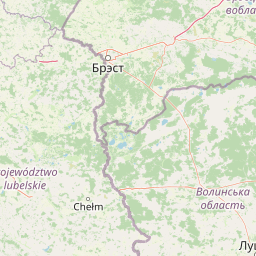
Strzelecki Landscape Park is best known for its sweeping pine-dominated forests combined with the wide, meandering Bug River valley that cuts through the protected landscape. The Bug reaches its broadest section within the park's northern area, forming natural curves and a network of oxbow lakes that slowly become overgrown by wetland vegetation. The park also stands out for the exceptional value of its birdlife. Its forests are recognized as a nationally important bird refuge, while the river valley qualifies as a European important bird area. Rare breeding conditions for raptors such as the lesser spotted eagle, alongside common buzzards, goshawks, and honey buzzards, give the park a distinctive ornithological profile. Sensitive species of protected flora, including orchids and carnations, add further ecological significance to this eastern Polish protected landscape.
Strzelecki Landscape Park history and protected-area timeline
Strzelecki Landscape Park was established in 1983 through a formal resolution of the Voivodeship National Council in Chełm, designated as Uchwała Nr XVIII/89/83 and dated 28 March 1983. The park was created during a period in which Poland significantly expanded its network of landscape parks as a means of protecting representative natural and cultural landscapes outside of stricter national-park categories.
Following its establishment, the park gained additional layers of protection through the designation of two nature reserves within its boundaries, Siedliszcze and Liski, covering a combined area of roughly 106 hectares. Eleven objects within the park and its immediate surroundings were also recognized as natural monuments. Over time, recognition of the area's ornithological importance grew, leading to the inclusion of its forests on the list of Poland's nationally important bird refuges and of the Bug valley within the European important bird area network, marking the park's growing role in international biodiversity conservation frameworks.
Strzelecki Landscape Park landscape and geographic character
The dominant landscape feature of Strzelecki Landscape Park is the broad, naturally meandering valley of the Bug River. In the northern part of the protected area, this valley reaches its widest extent, and the river maintains an undisturbed, winding course. Numerous meanders mark the present-day channel, while former loops cut off by the river's shifting path are preserved as oxbow lakes, locally called bużyska. These abandoned channels act as small wetland pockets that gradually fill with vegetation and become integrated into the surrounding forest.
Away from the river, the park resembles a classic Polish forest landscape. Vast tracts of pine-dominated woodland stretch across rolling terrain shaped by the mesoregions of Obniżenie Dubieńskie and Grzęda Horodelska. Pine stands give the scenery a uniform, open character in many areas, while local variations in relief, river terraces, and meadow clearings along the Bug add visual contrast. The combination of extensive forest cover with the open, curving river valley produces a landscape that shifts between dense woodland and riverine openness over relatively short distances.
Strzelecki Landscape Park ecosystems, habitats, and plant life
Ecologically, Strzelecki Landscape Park is defined by its extensive pine forests and the accompanying river valley habitats. Pine is the leading tree species, allowing the forest interior to support characteristic dry-ground plant communities while still sheltering a surprising variety of rarer flora. Thirty-five plant species benefitting from strict legal protection have been recorded in the park, including the lady's slipper orchid (obuwik pospolity), the military orchid-related orchid kukawka, and the showy pink known in Polish as goździk pyszny.
Along the Bug River, the oxbow lakes and wet depressions of the floodplain create secondary habitats that contrast with the surrounding dry pine forests. Wetland vegetation colonizes the slowly filling bużyska, supporting amphibians and moisture-dependent species. The combination of mature pine forests, riverine habitats, and protected meadow openings results in a layered ecosystem structure, transitioning from dry coniferous woodland through riverside thickets to wet, marshy depressions along the Bug.
Strzelecki Landscape Park wildlife and species highlights
Strzelecki Landscape Park supports a rich and varied fauna, with particular importance attached to its birdlife. The park's forests have been recognized as a nationally important bird refuge, while the Bug River valley is identified as a European important bird area. Among breeding birds, the lesser spotted eagle (orlik krzykliwy) finds particularly favorable nesting conditions here, and other forest raptors such as common buzzards, goshawks, and honey buzzards are also widely represented.
Beyond birds, the park preserves populations of other notable vertebrates. The European pond turtle, a species in decline across Poland, still occurs in the park's wet habitats. Beavers and otters, both classic wetland species, are also present, especially along the Bug River and its associated oxbow wetlands. Together, the raptors, wetland mammals, and rare reptiles belong to a faunal community strongly shaped by the alternating forests, river, and floodplain landscapes that define Strzelecki Landscape Park.
Strzelecki Landscape Park conservation status and protection priorities
Conservation is central to the identity of Strzelecki Landscape Park. As one of the recognized landscape parks of the Lublin Voivodeship, it protects a representative eastern Polish landscape made up of extensive pine forests and the natural Bug River valley. Within its boundaries, two nature reserves, Siedliszcze and Liski, safeguard the most ecologically valuable habitats, together covering about 106 hectares.
Eleven objects within the park and its immediate surroundings have been designated as natural monuments, reflecting the presence of individual trees or small formations of particular biological or landscape value. Thirty-five strictly protected plant species add a botanical dimension to conservation efforts, and the protection of species such as the European pond turtle reinforces the park's role in safeguarding animals that have lost habitat elsewhere in Poland. The formal recognition of the forests as a nationally important bird refuge and of the Bug valley as a European important bird area gives Strzelecki Landscape Park a recognized place in both national and international conservation frameworks.
Strzelecki Landscape Park cultural meaning and human context
Strzelecki Landscape Park lies in a borderland region of eastern Poland where Polish and Ukrainian cultural traditions meet, especially across the Bug River. The park is named after the local area and is part of a broader regional tradition of landscape parks established to protect representative cultural and natural landscapes. The surrounding villages and gminas, including Dubienka, Białopole, Horodło, and Hrubieszów, reflect historic patterns of rural settlement in this part of the Lublin region. The river itself, the Bug, has long been a cultural and physical boundary in this part of Poland, shaping local identity, settlement patterns, and the relationship between communities and the landscape that the park now protects.
Top sights and standout views in Strzelecki Landscape Park
Among the highlights of Strzelecki Landscape Park, the widest northern stretch of the Bug River valley stands out as a defining landscape feature, with its natural meanders and slow-filling oxbow lakes. The pine-dominated forests that cover the vast majority of the park provide a unifying scenic identity and contrast strongly with the open river valley below.
The park is also notable for the depth of its biological riches: a nationally important bird refuge within its forests, a European important bird area along the Bug, breeding conditions for lesser spotted eagles and other forest raptors, and protected plant species that include several orchids and the showy pink known as goździk pyszny. Two nature reserves and eleven natural monuments further anchor the park's conservation profile, making it a significant destination for anyone interested in the natural character of eastern Poland.
Best time to visit Strzelecki Landscape Park
Strzelecki Landscape Park has a seasonal character shaped strongly by the pine forests and river valley habitats. Late spring and early summer bring active breeding conditions for many bird species, and the period when orchids and other protected plants are flowering can be especially rewarding for visitors interested in botany. The cooler, quieter months of autumn bring a slower atmosphere to the pine forests, and the meandering Bug River valley can appear particularly atmospheric as vegetation along the oxbow lakes changes color.
Milder seasons make it easier to explore both the forest interior and the river corridor. As a landscape park with extensive woodland and floodplain zones, the period between late spring and early autumn generally allows broader access to natural features, while colder months can highlight the openness of the Bug valley and the structured character of the pine forests.