Why Sur Sarovar Bird Sanctuary stands out
Sur Sarovar is most renowned as a wintering and breeding ground for migratory waterbirds on the Gangetic plains. More than 106 species of resident and migratory birds have been recorded in and around the lake, supported by abundant aquatic vegetation such as water hyacinth and Potamogeton that flourishes during summer months. The sanctuary's artificially constructed islands serve as shelter and breeding sites, while shallow wooded margins created by the Uttar Pradesh Forest Department provide nesting habitat for a wide range of species. Beyond its birdlife, the sanctuary is also closely identified with the Agra Bear Rescue Facility, a nationally significant sloth bear rehabilitation center operated by Wildlife SOS in partnership with the forest department. Established in 1999, the facility has become one of the most prominent centers for rescuing and caring for sloth bears that were formerly exploited as "dancing bears," giving Sur Sarovar a dual identity as both a wetland sanctuary and an animal welfare landmark.
Sur Sarovar Bird Sanctuary history and protected-area timeline
The lake at the heart of Sur Sarovar, Keetham Lake, has long been part of the landscape of the Agra region, with its waters originally sustained by flows from the Agra Canal system that draws from the Yamuna at the Okhla barrage. The modern protected status of the area began on 27 March 1991, when the Uttar Pradesh Forest Department formally declared Keetham Lake a National Bird Sanctuary, recognizing the importance of the wetland for resident and migratory waterbirds using the Yamuna riverine belt. Following this declaration, the forest department undertook habitat development work, including the planting of woodlands and the creation of shallow sheltered areas suitable for bird nesting.
A second major milestone in the sanctuary's history came in 1999, when the conservation group Wildlife SOS, working alongside the Uttar Pradesh Forest Department and other partners, established the Agra Bear Rescue Facility within the sanctuary boundary. The center was created specifically to address the legacy of the "dancing bear" tradition, in which sloth bears had been captured and forced to perform, and it became one of the earliest dedicated centers for the rehabilitation of these animals. Over the following decades, the facility expanded into a permanent home for rescued sloth bears and a site for research, veterinary care, and disease management.
In a more recent and significant development, Keetham Lake, under the official name Sur Sarovar, was designated as a Ramsar wetland on 21 August 2020, becoming part of the global network of internationally important wetlands. This designation reflected the growing recognition of the sanctuary's ecological value for migratory birds and waterbirds, and aligned the area with international conservation standards. However, the sanctuary has also been the subject of controversy: the Uttar Pradesh government drew criticism for a decision to reduce the Eco-Sensitive Zone buffer around Keetham Lake from a much larger radius down to just 250 meters, raising concerns among conservationists about the long-term protection of the wetland and its surrounding habitats.
Sur Sarovar Bird Sanctuary landscape and geographic character
The defining landscape feature of Sur Sarovar is Keetham Lake, a pentagonal freshwater lake set within a catchment of approximately 7.13 square kilometers in the Agra district of Uttar Pradesh. The lake's unusual geometric shape contrasts with the otherwise flat terrain of the surrounding Gangetic plains, and its surface is broken by a series of man-made islands that have been deliberately created to add visual interest to the scene and, more importantly, to provide sheltered refuge for waterbirds.
Surrounding the lake, the sanctuary's landscape transitions through several distinct zones. Aquatic vegetation, including dense mats of water hyacinth and beds of Potamogeton species, spreads across portions of the lake during the warmer months, softening the visual edges of the water and creating rich foraging habitat. The forest department has supplemented these natural features with planted woodlands and shallow margins, producing a mosaic of open water, vegetated shallows, scrubby islands, and tree cover that supports a wide variety of birds. The riverine belt of the Yamuna frames the broader region, lending the landscape a sense of being embedded in a larger, water-rich ecology characteristic of the upper Gangetic plain.
Sur Sarovar Bird Sanctuary ecosystems, habitats, and plant life
The ecological identity of Sur Sarovar is built around its freshwater wetland system, supported by water diverted from the Yamuna through the Agra Canal. The lake's combination of open water, dense aquatic plants, islands, and managed woodland creates a layered habitat structure that supports highly diverse birdlife, especially during the winter season when migratory waterfowl arrive in large numbers.
The aquatic vegetation that develops in and around Keetham Lake during summer is particularly important. Water hyacinth forms extensive floating mats, while submerged and emergent species like Potamogeton colonize the shallower fringes, together supporting rich populations of invertebrates, fish, and other prey that sustain a deep community of waterbirds. The forest department's interventions, including the planting of trees and the creation of shallow areas, have further expanded the available nesting and resting habitat, turning the lake from a simple water body into a structured wetland ecosystem.
Beyond the lake itself, the sanctuary is entwined with the broader riverine environment of the Yamuna, and the surrounding countryside of the Uttar Pradesh plains provides additional terrestrial habitat. The combined wetland and woodland mosaic makes Sur Sarovar a functional refuge for resident and migratory species alike, contributing to the broader network of avian habitats found along the Yamuna corridor.
Sur Sarovar Bird Sanctuary wildlife and species highlights
Wildlife is one of the most prominent aspects of Sur Sarovar, with the sanctuary's birdlife forming the centerpiece of its conservation identity. More than 106 species of resident and migratory birds have been recorded using the lake and its surroundings as resting, feeding, breeding, or wintering habitat. The diversity is particularly striking during the winter season, when waterbirds from beyond the subcontinent mingle with year-round resident species.
Among the waterbirds documented at Keetham Lake are little grebes, cormorants, darters, grey herons, purple herons, cattle egrets, large egrets, little egrets, and night herons. The lake also supports striking species such as the black-necked stork and the white ibis, alongside charismatic waterfowl including the Eurasian spoonbill, bar-headed goose, lesser whistling teal, ruddy shelduck, northern pintail, common teal, Indian spot-billed duck, gadwall, wigeon, shoveler, and comb duck. The presence of so many species within a single compact wetland reflects the quality of the habitat and the lake's role within the wider migratory route network.
Mammalian wildlife at Sur Sarovar is best represented by the sloth bear population at the Agra Bear Rescue Facility. The facility, located within the sanctuary's boundaries, currently provides lifelong care to over 170 sloth bears rescued from the "dancing bear" trade. These animals live in enclosures within an eight-hectare site, and while they are largely under human care rather than in a wild setting, their presence gives the sanctuary a distinctive mammalian conservation dimension. The facility also houses a small amount of other rescued wildlife and conducts research, disease management, and specialized veterinary and geriatric care for sloth bears.
Sur Sarovar Bird Sanctuary conservation status and protection priorities
Sur Sarovar holds significant conservation value both nationally and internationally. The sanctuary was created to protect a strategically located wetland along the Yamuna corridor that supports large numbers of migratory waterbirds, and its formal declaration as a National Bird Sanctuary in 1991 marked the start of sustained habitat management by the Uttar Pradesh Forest Department. Conservation actions at the site have included the planting of woodlands, the development of shallow areas suitable for nesting, and the artificial creation of islands that protect bird colonies from disturbance.
The lake's designation as a Ramsar wetland on 21 August 2020, under the official name Sur Sarovar with reference number 2440, placed it within the global system of internationally important wetlands. This recognition reflects the lake's ecological function within flyways used by migratory birds and underscores its role in maintaining waterbird populations across the region. The Ramsar listing also brings with it obligations for monitoring and protection that align the sanctuary with international conservation standards.
The sanctuary also plays an unusual conservation role through the Agra Bear Rescue Facility, which addresses the legacy of human exploitation of sloth bears. By providing permanent refuge, veterinary care, and rehabilitation for bears rescued from the "dancing bear" tradition, the facility supports species-level conservation while also serving an educational function for visitors. At the same time, the sanctuary has not been free of controversy: a decision by the Uttar Pradesh government to shrink the Eco-Sensitive Zone around Keetham Lake from a broad radius to only about 250 meters has been criticized for potentially weakening the long-term protection of the wetland and its buffer habitats.
Sur Sarovar Bird Sanctuary cultural meaning and human context
Sur Sarovar sits within the cultural landscape of the Agra region, a part of India long associated with Mughal heritage, the Yamuna river, and major pilgrimage and tourism circuits. The lake's location on the route between Delhi and Agra places it within a corridor that has carried travelers for centuries, and the broader landscape of the Yamuna floodplain carries deep historical and religious associations in northern Indian life.
The most distinctive cultural element associated with the sanctuary is the practice of "dancing bears," once common across parts of central and northern India, in which sloth bears were captured and trained to perform. The Agra Bear Rescue Facility, hosted within the sanctuary, is one of the most important institutions in the campaign to end this practice and to rehabilitate the bears that were affected. By transforming a site associated with past animal exploitation into a center for animal welfare and conservation, Sur Sarovar reflects a significant shift in how the region engages with wildlife and traditional practices.
Top sights and standout views in Sur Sarovar Bird Sanctuary
Sur Sarovar Bird Sanctuary stands out for the unusual combination of a Ramsar-listed freshwater lake, a long-established national bird sanctuary, and a major sloth bear rescue facility all located on a single site near Agra. Its pentagonal lake, fringed with aquatic vegetation and dotted with man-made islands, offers an unusually varied bird habitat for a relatively compact protected area, while the forest department's planted woodlands and shallow zones have actively enhanced nesting opportunities.
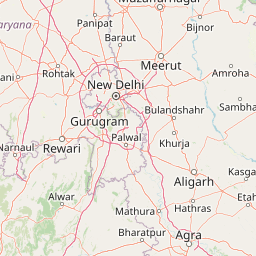
For visitors traveling between Delhi and Agra, the sanctuary is a convenient stop where they can experience waterbird-rich wetland scenery, learn about migratory avian diversity, and visit the Agra Bear Rescue Facility to understand the broader story of wildlife rescue and rehabilitation in India. Whether approached for birdwatching, conservation interest, or animal welfare education, the sanctuary offers a layered experience that goes well beyond a simple lake visit.
Best time to visit Sur Sarovar Bird Sanctuary
The seasonal character of Sur Sarovar is shaped by the climate of the Uttar Pradesh plains, with hot, windy summers, cool to cold winters, and a monsoon season running roughly from July through September. Temperatures across the year range from lows near 1.5 degrees Celsius in winter to highs around 48 degrees Celsius in summer, which strongly influences the experience of visiting and the wildlife that can be observed.
The most rewarding visits are typically associated with the cooler months, when migratory waterfowl arrive in large numbers and the lake supports its widest variety of waterbirds. Winter brings calm, pleasant conditions for walking around the lake margins and viewing birds on the open water and islands. By contrast, summer brings profuse growth of aquatic plants such as water hyacinth and Potamogeton, which cover much of the lake surface and can both limit visibility and concentrate wildlife along the edges. The monsoon season of July to September adds greenness and water levels to the landscape but can make visits less predictable due to rain.