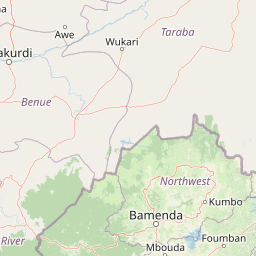
Why Takamanda National Park stands out
Takamanda National Park is best known as a critical stronghold for the Cross River gorilla, the rarest gorilla subspecies in the world with fewer than 300 individuals remaining. The park's mountainous forest habitat within the Mbe Mountains provides essential protection for this endangered primate and the broader biodiversity of the region. Beyond the gorillas, the park supports exceptional primate diversity with several monkey species, making it one of the most important areas for primate conservation in Central Africa. The combination of highland forest, diverse wildlife communities, and its role in protecting a globally threatened species defines the park's distinctive conservation identity.
Takamanda National Park history and protected-area timeline
The protection history of Takamanda dates back to 1934 when the area was established as the Takamanda Forest Reserve, covering approximately 675.99 square kilometers. This early designation reflected the colonial administration's recognition of the region's valuable forest resources and the need for sustainable management. For over seven decades, the Forest Reserve provided a baseline of protection, though the level of enforcement and actual conservation outcomes varied over time. In 2008, the Cameroon government elevated the protected area to national park status, a significant upgrade that brought stronger legal protections and increased focus on the conservation of endangered species, particularly the Cross River gorilla. This transition reflected the growing understanding of the area's global significance for biodiversity conservation, especially for species with extremely limited ranges. The establishment as a national park also aligned with broader regional efforts to protect the Cross River gorilla population, which spans the Cameroon-Nigeria border region.
Takamanda National Park landscape and geographic character
The landscape of Takamanda National Park is dominated by the Mbe Mountains, a range of rugged hills and forested peaks that rise from the surrounding lowland terrain. The topography creates a variety of habitats, from moist lower slopes covered in dense tropical forest to higher elevation zones with different vegetation assemblages. The mountain environment supports streams and drainage systems that flow through the forest, providing water resources for both wildlife and local communities. The terrain varies from steep slopes to more gentle ridges, creating microclimates and diverse ecological niches throughout the park. Forest cover is generally dense, with the vegetation ranging from lowland rainforest at lower elevations through to montane forest communities at higher altitudes. The combination of elevation range, forest types, and the structural complexity of the vegetation creates a landscape of considerable ecological value.
Takamanda National Park ecosystems, habitats, and plant life
The nature of Takamanda National Park centers on its role as a critical biodiversity refuge in the Congo Basin margin. The park's forest ecosystems support a remarkable concentration of wildlife, with particular importance for primates. The montane and lowland forest habitats create conditions suitable for multiple species that have specific habitat requirements. The vegetation includes various forest types that have evolved in response to the elevation gradient and local climate patterns. The park's location within the broader Cross River basin region places it at the intersection of different ecological zones, contributing to species diversity. The forest structure provides essential resources including food plants, nesting sites, and movement corridors for the wildlife communities that inhabit the area.
Takamanda National Park wildlife and species highlights
The wildlife of Takamanda National Park is characterized by exceptional primate diversity, with the Cross River gorilla as the flagship species. This gorilla subspecies is among the most endangered primates in Africa, with Takamanda serving as one of its most important remaining habitats. Several monkey species share the forest with the gorillas, creating a diverse primate community. The mammal fauna also includes wild pigs and small antelopes, representing different feeding guilds and ecological roles within the ecosystem. Birdlife is particularly diverse, with many species inhabiting the forest canopy and understory. The combination of forest types and the mountain environment supports this rich fauna, making the park important for maintaining viable populations of species that have suffered significant range contractions across their historical distributions.
Takamanda National Park conservation status and protection priorities
Takamanda National Park represents one of the most important conservation areas in Central Africa due to its role in protecting the Cross River gorilla. The subspecies is listed as critically endangered by global conservation authorities, making every protected population significant for the species' survival. The park's elevation from Forest Reserve to National Park status in 2008 reflected increased recognition of its global conservation importance. The park forms part of a transboundary conservation network with neighboring protected areas in Nigeria, acknowledging that gorilla populations and their habitat extend across international borders. Conservation challenges include managing the relationship between local communities and wildlife, particularly where human activities can impact gorilla habitat or create conflict situations. The presence of approximately 43 villages within and adjacent to the park requires careful balancing of conservation objectives with the livelihood needs of local populations.
Takamanda National Park cultural meaning and human context
Takamanda National Park is home to local communities who have inhabited the forest region for generations, with approximately 43 villages existing within the park's boundaries and surrounding area. The local population of around 16,000 people maintains traditional connections to the land and resources of the region. These communities have developed relationships with the forest environment that include both resource use and cultural practices tied to the landscape. The establishment of the national park has created ongoing interactions between conservation management and community livelihoods, requiring approaches that recognize both the need for species protection and the rights and needs of local residents. The region is part of the broader cultural landscape of Cameroon's Southwest Region, with local communities holding knowledge of the forest and its wildlife that spans many generations.
Top sights and standout views in Takamanda National Park
Takamanda National Park's primary highlight is its role as a sanctuary for the Cross River gorilla, the world's rarest gorilla subspecies with fewer than 300 individuals remaining. The park's location in the Mbe Mountains provides critical highland forest habitat that serves as a refuge for this endangered primate and the broader biodiversity of the region. The transition from Forest Reserve to National Park in 2008 marked the park's elevated conservation status and global significance. The mountain forest landscape creates a distinctive setting among Cameroon's protected areas, supporting diverse wildlife including multiple monkey species, wild pigs, antelopes, and abundant birdlife. The park's position as part of a transboundary conservation landscape connecting Cameroon and Nigeria reflects the reality that great ape populations require protection across international boundaries.
Best time to visit Takamanda National Park
The best time to visit Takamanda National Park is during the dry season months, typically from November to April, when rainfall is reduced and trail conditions are more favorable for exploration. During this period, wildlife viewing opportunities may improve as animals congregate around remaining water sources and vegetation becomes less dense. The dry season offers more comfortable conditions for hiking through the mountainous terrain. However, visitors should be prepared for variable mountain weather and should expect some rainfall even during the dry season. The wet season, from May to October, brings heavier rainfall that can make trails slippery and some areas difficult to access, though the forest becomes lusher and bird activity increases. Year-round visits require appropriate gear for forest conditions and mountain weather.