Mori Atlas logo
National parkMount Cameroon National Park

Discover the mapped boundaries and natural terrain of this key protected area in Cameroon's atlas.

Mount Cameroon National Park: National Park Protected Landscape and Regional Geography in Cameroon

Mount Cameroon National Park stands as a significant protected landscape within Cameroon, offering a unique vantage point for exploring Central Africa's geography. As a designated national park, its mapped boundaries define an area crucial for understanding regional conservation efforts and natural terrain. This page provides detailed atlas-style insights into the park's geographic context, allowing for a focused discovery of its protected-area identity and its place within the broader landscape of Cameroon.

volcanic landscapemountain parkCongo BasinWest Africatropical forestalpine environment

Mount Cameroon National Park

National park

Park overview

Structured park overview, official facts, and landscape profile for Mount Cameroon National Park

Mount Cameroon National Park park facts, protected area profile, and essential visitor context
Review the core facts for Mount Cameroon National Park, including designation, size, terrain, visitor scale, habitats, and operating context in one park-focused overview.

About Mount Cameroon National Park

Mount Cameroon National Park is a protected area in southwestern Cameroon, encompassing the slopes and summit region of Mount Cameroon, the highest peak in Central and West Africa. The park covers the volcanic mountain that rises dramatically from the Atlantic coast to an elevation of 4,095 meters, creating a remarkable diversity of ecosystems within a relatively compact area. The mountain is an active volcano, with recent eruptions contributing to the region's dynamic landscape and fertile soils. The park is notable for its ecological gradient, transitioning from coastal lowland forests through montane zones to alpine meadows near the summit, making it one of the most biodiverse areas in the Congo Basin region.

Quick facts and research context for Mount Cameroon National Park

Mount Cameroon National Park is located in the Southwest Region of Cameroon, approximately 150 kilometers inland from the Atlantic coast. The protected area surrounds Mount Cameroon, an active stratovolcano and the highest mountain in West and Central Africa. The park features dramatic elevation changes spanning from near sea level to over 4,000 meters, creating multiple distinct ecological zones. The volcanic origin of the mountain has produced fertile soils that support rich vegetation communities.

Park context

Deeper park guide and search-rich context for Mount Cameroon National Park

Mount Cameroon National Park history, landscape, wildlife, and travel context
Explore Mount Cameroon National Park through its history, landscape character, ecosystems, wildlife, conservation priorities, cultural context, and seasonal travel timing in a structured park guide built for atlas discovery and search intent.

Why Mount Cameroon National Park stands out

Mount Cameroon is best known as the highest mountain in West and Central Africa, rising to 4,095 meters above sea level. The national park protects this active volcanic peak and its surrounding ecosystems, which represent an important center of biodiversity in the Congo Basin. The mountain's volcanic activity has produced frequent eruptions throughout history, most notably in 2000, making it one of the most active volcanoes in the region. The park is also recognized for its exceptional ecological diversity, with vegetation zones ranging from lowland tropical forests through montane forest to alpine grasslands.
Park location guide

Geography guide, regional context, and park location map for Mount Cameroon National Park

Mount Cameroon National Park park geography, regions, and map view in Cameroon
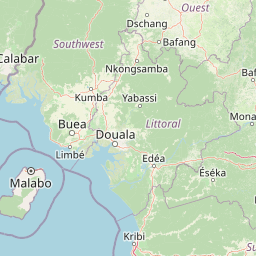
Understand where Mount Cameroon National Park sits in Cameroon through a broader geographic reading of the surrounding landscape, nearby location context, and its mapped position within the national park landscape.

How Mount Cameroon National Park fits into Cameroon

Cameroon is a Central African country spanning coastal, highland, and forest regions. It has a population of nearly 31 million people who speak 250 native languages alongside English and French as official languages. The country gained independence from France in 1960 and unified with British Southern Cameroons in 1961.

Wider geography shaping Mount Cameroon National Park in Cameroon

Cameroon is located in Central Africa, bordering Nigeria and Chad to the west and north, the Central African Republic to the east, and Equatorial Guinea, Gabon, and the Republic of the Congo to the south. The country has a coastline on the Bight of Biafra, part of the Gulf of Guinea. Terrain includes coastal plains, mountainous highlands (including Mount Cameroon), plateaus, and dense rainforest regions.

Common questions about visiting, size, designation, and location context for Mount Cameroon National Park

Mount Cameroon National Park FAQs for park facts, access, geography, and protected area context
Find quick answers about Mount Cameroon National Park, including protected-area facts, park geography, trail and visitor context, and how the park fits into its surrounding country and regional landscape.
MoriAtlas Explorer

Continue Your Protected Areas Search Across the Global Atlas

Deepen your exploration by continuing the structured search for national parks and protected areas worldwide. Utilize the comprehensive filtering capabilities to compare different conservation landscapes and refine your understanding of global park geography. Discover more about the distribution and characteristics of protected natural areas.

Global natural geography