Why Valmiki National Park stands out
Valmiki National Park is best known as Bihar's premier tiger habitat and the only national park in the state, serving as a critical stronghold for Bengal tiger conservation in eastern India. The park is distinguished by its location at the Himalayan foothill interface, where Sivalik Hill terrain descends into Gangetic plain wetlands, creating a unique mosaic of ecosystems. Its tiger reserve status places it among India's premier protected areas for large carnivore conservation, while the presence of Indian rhinoceros, Asian elephant, and Asiatic black bear further establishes its significance for megafauna protection. The park's seven distinct forest types support exceptional biodiversity within a relatively compact protected area.
Valmiki National Park history and protected-area timeline
The extensive forestlands that now comprise Valmiki National Park were historically under the ownership of the Bettiah Raj and Ramanagar Raj families until the early 1950s. Following the transition of land ownership to government control, the region was declared a Wildlife Sanctuary in 1978, initiating formal protection of the area's rich ecosystems and wildlife populations. Valmiki National Park was subsequently established in 1990, elevating the protected status of all or part of the sanctuary area. The designation as the 18th Tiger Reserve of the country followed, integrating the park into India's flagship tiger conservation program. This progression from private forest estate to wildlife sanctuary to national park and finally to tiger reserve reflects the evolving conservation priorities in India and the recognition of this region's exceptional ecological value.
Valmiki National Park landscape and geographic character
The landscape of Valmiki National Park presents a distinctive topographical character shaped by its position at the Himalayan mountain front. The Sivalik Hills, also spelled Shiwalik, form the northern and northwestern backdrop, their foothills descending into the park's interior as a complex terrain of ridges, cliffs, and narrow gorges. The bhabar tract in the northern portions features boulder and pebble deposits carried down by Himalayan rivers, creating a distinctly rocky and porous landscape. Southward, the terrain transitions into the terai zone with finer alluvial sediments, artesian springs, and extensive wetlands. The park encompasses dense forests covering slopes and valley sides, interspersed with open woodlands and extensive grasslands. River systems including the Gandak, Burhi Gandak, Harha-Masan, and Pandai create corridors of wetlands, swamps, and riparian fringes throughout the park. The southern portions feature newer alluvium deposits with reissuing springs that maintain wetland conditions throughout the year.
Valmiki National Park ecosystems, habitats, and plant life
The ecological diversity of Valmiki National Park stems from its position at the confluence of multiple biogeographic zones and its varied topography and soil conditions. According to the Champion and Seth forest classification system, seven distinct forest types occur within the park: Bhabar-Dun Sal Forest, Dry Siwalik Sal Forest, West Gangetic Moist Mixed Deciduous Forest, Khair-Sissoo Forest, Cane Brakes, Eastern Wet Alluvial Grassland, and Barringtonia Swamp Forest. The Botanical Survey of India has identified seven additional vegetation categories including moist mixed deciduous forest, sub-mountainous semi-evergreen formation, freshwater swamps, riparian fringes, alluvial grasslands, and wetland systems. The forest composition includes commercially important species such as sal, along with karam, asan, bahera, and simal. The presence of cane brakes in the Madanpur Forest block and a small isolated chir pine forest in the Raghia block at elevations between 300 and 520 meters demonstrates the park's ecological variety. Extensive grasslands and wetlands provide critical habitat for numerous species and contribute to the overall biodiversity character.
Valmiki National Park wildlife and species highlights
Valmiki National Park supports a remarkable assemblage of large mammals that define its conservation significance. The Bengal tiger occupies the apex predator role, supported by a prey base that includes various ungulate species. The Indian rhinoceros, once on the brink of extinction but now recovering through dedicated conservation efforts, finds suitable habitat in the park's grasslands and wetlands. Asian elephants traverse the forested areas, while both Asiatic black bear and sloth bear are present in the more rugged terrain. The reptilian fauna includes pythons, king cobra, banded krait, and sand boa, with gharials inhabiting the River Gandak. Avian diversity is exceptional, with 241 bird species recorded including kalij pheasant, various pigeons, owls, nightjars, Oriental pied hornbill, and numerous waterbirds including storks, ibises, and herons. The butterfly population includes numerous species such as common Mormon, great Mormon, glassy tiger, and common crow, contributing to the park's invertebrate diversity.
Valmiki National Park conservation status and protection priorities
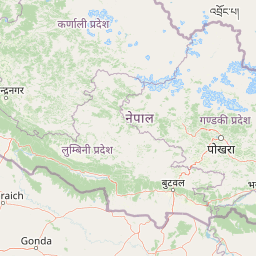
Valmiki National Park represents a critical conservation node in the network of India's protected areas, serving as Bihar's sole national park and a crucial tiger reserve in the country's eastern region. The park's integration into India's tiger conservation framework through its designation as the 18th Tiger Reserve reflects its national importance for maintaining viable populations of Bengal tigers and their prey species. The transboundary location adjacent to Nepal's Chitwan National Park creates opportunities for international collaboration in wildlife management and enables natural wildlife movements across the border. The diverse habitat types from foothill forests to wetlands to grasslands are protected within a contiguous landscape that supports multiple threatened species. The presence of endangered megafauna including tiger, rhinoceros, and elephant establishes the park's significance beyond state or national boundaries, contributing to regional biodiversity conservation in the Himalayan-to-Gangetic plains transition zone.
Valmiki National Park cultural meaning and human context
The Valmiki name derives from the ancient sage Valmiki associated with Hindu tradition, and the region carries cultural significance in local heritage. The forest area historically supported the economic activities of regional zamindars before transition to protected status. The confluence of the Sonha and Pachnad rivers with the Gandak at Valmikinagar is known as the Triveni, a sacred site reflecting the landscape's place in local religious tradition.
Best time to visit Valmiki National Park
The ideal period to visit Valmiki National Park spans from November through March, when weather conditions are most comfortable for wildlife viewing and the park remains accessible. The winter months offer pleasant daytime temperatures and clear visibility, enhancing opportunities to observe wildlife, particularly large mammals that become more active in cooler conditions as they frequent water sources. The post-monsoon period in October and November brings lush green vegetation following seasonal rains, presenting the landscape at its most vibrant. Summer months from April to June bring extreme heat that limits animal activity during daylight hours, though early morning excursions remain possible. The monsoon season from July through September brings heavy rainfall that can restrict access to certain areas of the park.