Why Verkhovyna National Nature Park stands out
Verkhovyna is best known for protecting one of the most remote and pristine highland catchments in the Ukrainian Carpathians. The park encompasses the source regions of the Cheremosh River, preserving the ecological corridors and watersheds that feed this significant Carpathian waterway. Its elevation gradient supports distinct forest zones, from mixed forests in the lower reaches to mountain pine and green alder communities at higher elevations, creating a vertically stratified ecological profile uncommon in lowland protected areas.
Verkhovyna National Nature Park history and protected-area timeline
Verkhovyna National Nature Park was established in 2010 as part of Ukraine's expansion of its protected areas network in the Carpathian region. The creation of the park reflected growing recognition of the ecological importance of preserving the Cheremosh River headwaters and the surrounding mountainous landscape. The park is administered by the Ministry of Ecology and Natural Resources of Ukraine, which oversees its management and conservation objectives. As a relatively recent protected area designation, the park's recreational infrastructure continues to develop, with hiking paths established and educational programs implemented for local communities.
Verkhovyna National Nature Park landscape and geographic character
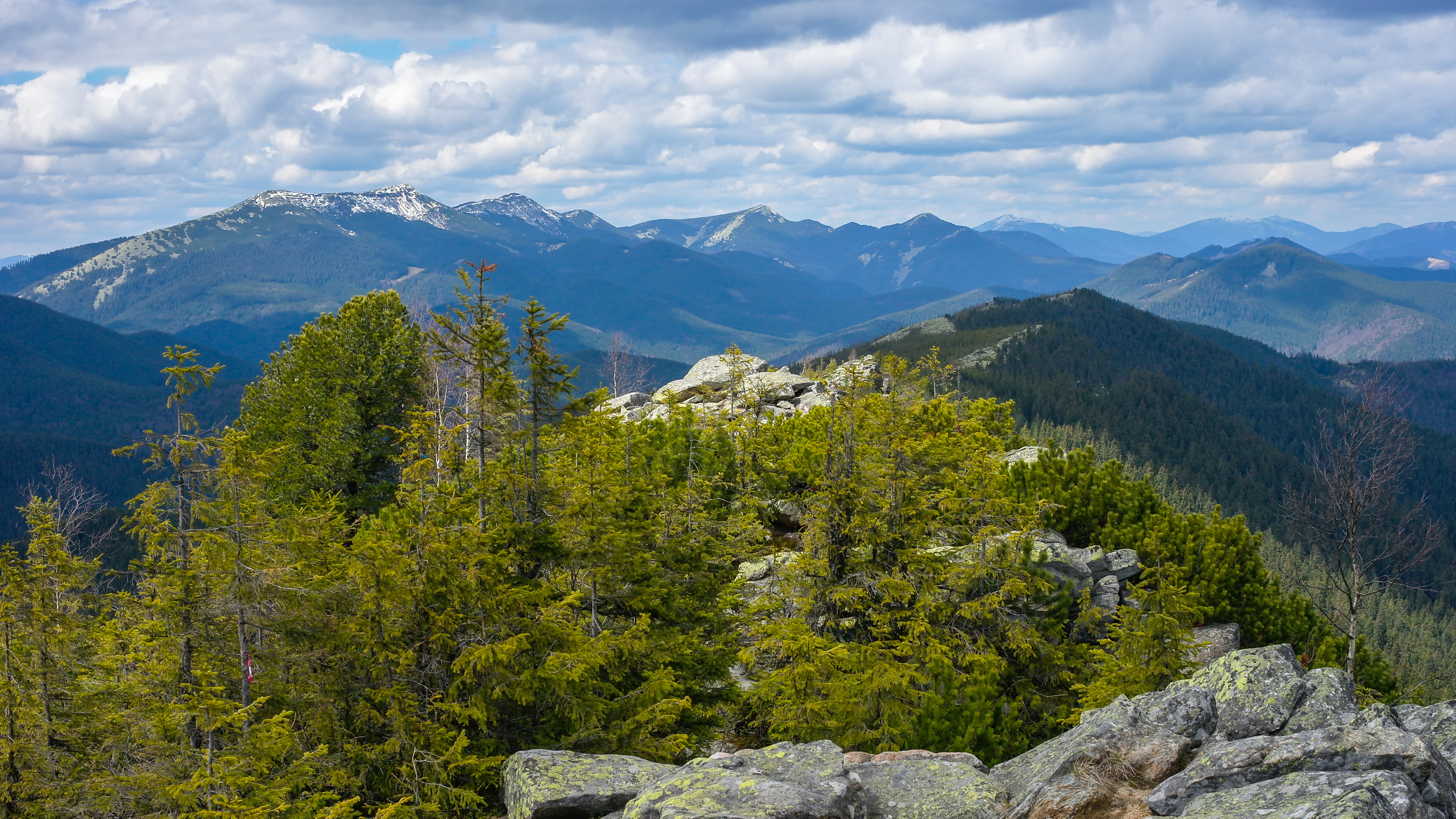
The landscape of Verkhovyna National Nature Park is defined by its position in one of the most rugged and mountainous sectors of the Ukrainian Carpathians. The Chivchino-Grinyava mountain range forms the core of the park's terrain, characterized by steep-sided valleys, exposed ridges, and the characteristic complexity of Carpathian topography. The park encompasses the headwaters of the Cheremosh River and its two main tributaries, creating a dendritic drainage pattern that reflects the underlying geological structure of the Marmaros crystalline massif. Limestone bedrock underlies much of the area, giving the landscape its distinctive geological character.
Verkhovyna National Nature Park ecosystems, habitats, and plant life
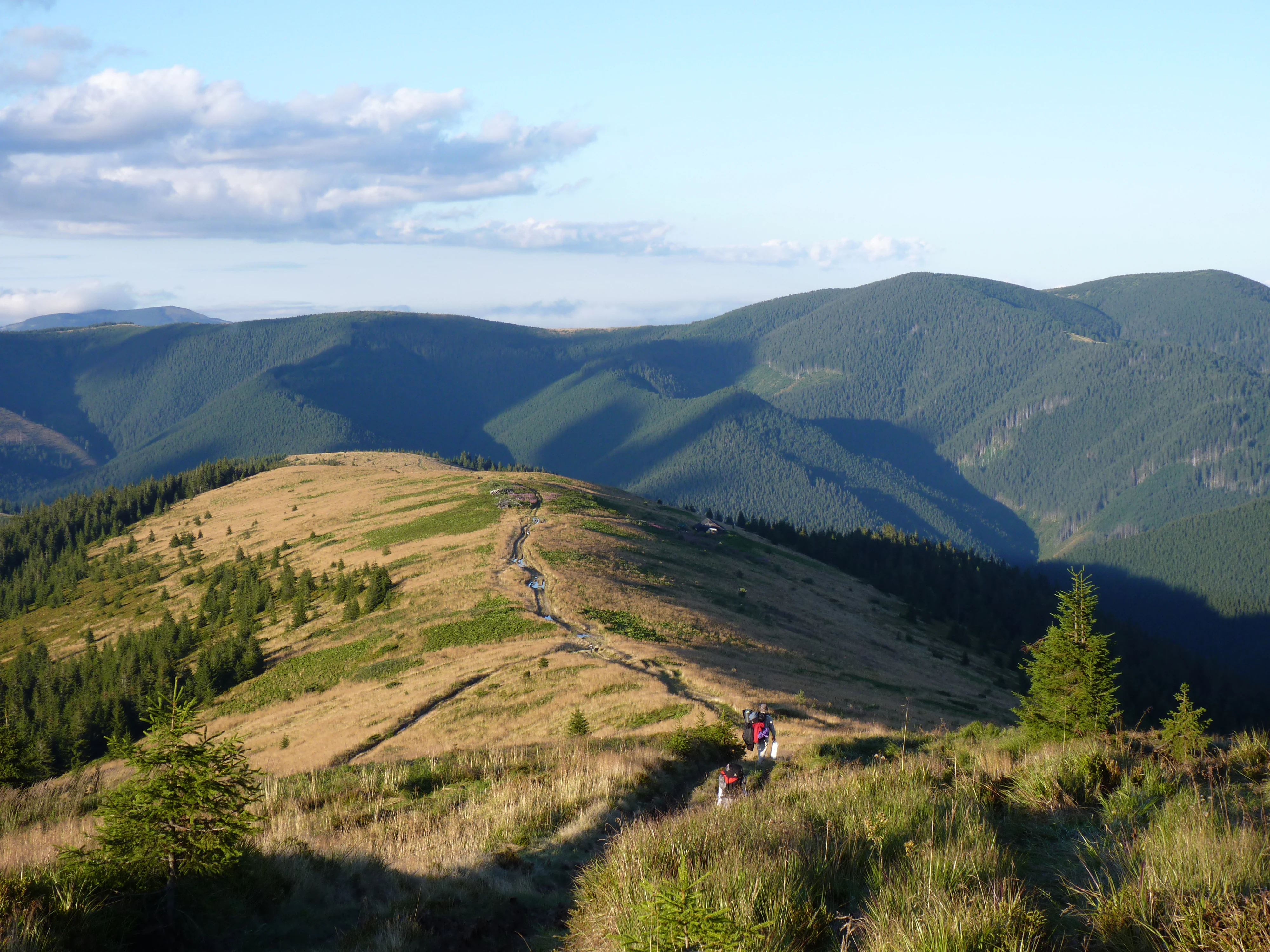
The ecological character of Verkhovyna is defined by a pronounced altitudinal zonation that creates distinct vegetation communities across a relatively short vertical gradient. Above 1,600 meters, the vegetation transitions to mountain pine and green alder communities adapted to the harsher conditions of high elevation. Between 1,200 and 1,600 meters, the forest is predominantly spruce, forming continuous cover across slopes and valleys. Below 1,200 meters, mixed forests prevail, creating a more diverse and layered canopy structure. The park also encompasses meadow and swamp floristic communities, adding ecological variety to the forested terrain.
Verkhovyna National Nature Park wildlife and species highlights
The park's diverse forest habitats and altitudinal gradient support a variety of wildlife species typical of the Carpathian ecosystem. The spruce forests at mid-elevations provide important habitat for species associated with old-growth coniferous forest, while the mixed forests at lower elevations support more diverse communities. The meadow and wetland areas within the park contribute to biodiversity by providing different habitat types. The Carpathian region as a whole is recognized for its ecological significance, and Verkhovyna contributes to the preservation of wildlife corridors within this mountain landscape.
Verkhovyna National Nature Park conservation status and protection priorities
Verkhovyna National Nature Park plays an important role in protecting the headwaters of the Cheremosh River system, preserving water quality and ecological function for downstream ecosystems. The park's protected status helps maintain the integrity of the Carpathian watershed and the ecological connections that support biodiversity across this mountainous region. The diverse forest types, from mixed hardwood-coniferous forests at lower elevations to pure spruce zones and alpine communities at higher elevations, represent a gradient of Carpathian forest ecosystems that benefit from protected area status.
Verkhovyna National Nature Park cultural meaning and human context
The park is situated in Verkhovyna Raion, a region of western Ukraine with strong cultural connections to the Carpathian mountain environment. The local communities in this area have historically maintained close relationships with the land, practicing traditional forms of agriculture and pastoral activity that are characteristic of Carpathian rural culture. Verkhovyna itself is a settlement that serves as an administrative center for the raion, and the park's presence contributes to the regional identity as a preserve of natural and cultural heritage in this mountainous corner of Ukraine.
Top sights and standout views in Verkhovyna National Nature Park
The park protects a complete highland catchment system including the source regions of the Cheremosh River and its tributaries. The vertical ecological gradient from mixed forests through spruce zones to mountain pine and alpine meadows provides a condensed overview of Carpathian ecological zones. The limestone geology of the Marmaros massif adds geological significance to the protected landscape. Adjacency to Cheremosh National Nature Park creates opportunities for extended exploration of the Carpathian protected area network.
Best time to visit Verkhovyna National Nature Park
The warm summer months offer the most comfortable conditions for exploring the park, with temperatures suitable for hiking and outdoor activity in the Carpathian high country. From May through September, visitors can experience the full expression of the park's ecological diversity as vegetation reaches its seasonal peak and trail conditions are most favorable. The Dfb humid continental climate ensures that summer brings sufficient warmth and daylight hours for meaningful exploration, though visitors should be prepared for the variable weather common to mountainous terrain.