Why Alexander Morrison National Park stands out
The park is best known for its extensive sand heaths, which form one of the most characteristic vegetation types of the southwestern Australian biodiversity hotspot. The heaths support a remarkable diversity of plant species, including the rare spiral bush (Spirogardnera rubescens) and a northern variant of Banksia vestita. The park preserves representative examples of the Lower Jurassic Cockleshell Gully Formation geology, with its distinctive lateritic breakaways and sandplain topography. It also represents the legacy of Alexander Morrison, the pioneering first Government Botanist of Western Australia whose work helped document the state's unique flora.
Alexander Morrison National Park history and protected-area timeline
The land comprising Alexander Morrison National Park was set aside by the Department of Lands and Surveys in May 1969 under Reserves 26800, 26803, and 26804. Over the course of 1970 and 1971, the land was classified as an 'A' Class reserve, the highest level of protection in Western Australia, meaning its purpose could not be changed except by an Act of Parliament. The reserve was formally vested in the National Parks Authority of Western Australia, and the park was officially named on 8 October 1971 to honor Alexander Morrison, who served as the first Government Botanist of Western Australia and made significant contributions to the documentation and understanding of the state's unique flora. In 1974, the Environmental Protection Authority recommended that a one-kilometre-wide strip of vacant Crown land on the southern side of the Green Head-Coorow Road be added to the reserve to enhance protection, though this expansion was never implemented.
Alexander Morrison National Park landscape and geographic character
The park's landscape is characterized by extensive sandplains punctuated by low lateritic breakaways, creating a gently undulating terrain distinctive of the western Australian wheatbelt region. The underlying geology consists of sandstone and shale formations belonging to the Lower Jurassic Cockleshell Gully Formation, some 180 million years old. Over geological time, weathering processes have produced laterite caps on the older rock formations, creating the breakaway topography visible throughout the park. The sandy soils supporting the heaths are nutrient-poor and have contributed to the evolution of specialized plant adaptations. The landscape lacks prominent water features but supports vegetation communities adapted to the Mediterranean climate with wet winters and dry summers. The combination of ancient geological substrates, mineral-poor soils, and semi-arid conditions has produced a landscape of considerable scientific interest.
Alexander Morrison National Park ecosystems, habitats, and plant life
The nature of Alexander Morrison National Park centers on its sand heath communities, which represent one of the most species-rich vegetation types in Australia. These heaths occur on sandy soils derived from the underlying Jurassic formations and support an extraordinarily diverse flora adapted to the low-nutrient, well-drained substrates. The park's heaths are particularly notable for their high endemism, with many species found nowhere else on Earth. Beyond the heaths, the park contains extensive low woodland and mallee communities, especially in western areas, where species such as Powder-barked Wandoo and Mallalie dominate. The park's position within the Southwest Australia Floristic Region places it within one of the world's 36 biodiversity hotspots, recognizing the exceptional concentration of endemic species found in this region. The vegetation patterns reflect the park's Mediterranean climate, with many species exhibiting drought-adapted characteristics and seasonal flowering patterns tied to the wet winter growing season.
Alexander Morrison National Park wildlife and species highlights
While the Wikipedia source focuses primarily on the park's botanical values, the southwestern Australian sandplain and heathland environments are known to support diverse wildlife communities. The park's heath and woodland habitats provide shelter and foraging resources for numerous bird species, reptiles, and small mammals adapted to the Mediterranean environment. The dense heath vegetation offers ground-dwelling species protection from predators and extreme temperatures, while flowering plants provide seasonal nectar and pollen resources for insects and birds. The mallee and woodland areas provide nesting sites and foraging habitat for various bird species. The region's isolation and unique ecological conditions have produced distinctive wildlife assemblages with high levels of endemic species, though detailed wildlife inventories would require supplementary sources beyond the provided material.
Alexander Morrison National Park conservation status and protection priorities
Alexander Morrison National Park represents an important conservation reserve within the southwestern Australian biodiversity hotspot. The park's 'A' Class reserve status provides the highest level of legal protection available in Western Australia, ensuring the preservation of its sandplain and heathland ecosystems in perpetuity. The park conserves representative examples of the Lower Jurassic Cockleshell Gully Formation geology and associated landforms, including the lateritic breakaways that characterize the landscape. The heath communities harbor rare species including spiral bush (Spirogardnera rubescens) and the northern variant of Banksia vestita, both of which receive protection within the reserve. The 1974 Environmental Protection Authority recommendation to expand the park indicates recognition of its conservation significance, though the proposed addition of Crown land was not implemented. The park contributes to the broader conservation network protecting southwestern Australia's unique Mediterranean-climate ecosystems.
Alexander Morrison National Park cultural meaning and human context
The park is named for Alexander Morrison, who served as the first Government Botanist of Western Australia from 1895 to 1907. Morrison made substantial contributions to the documentation and classification of Western Australia's flora, establishing the scientific foundation for understanding the state's unique plant diversity. His work during the colonial period helped document many species previously unknown to science and contributed to the recognition of the southwestern Australian region as botanically significant. The park's naming preserves this scientific legacy while also protecting the landscapes that Morrison would have studied during his botanical surveys of the region. The park lies within the traditional lands of the Yuat people, though the Wikipedia source does not provide detailed information about indigenous connections to the area.
Top sights and standout views in Alexander Morrison National Park
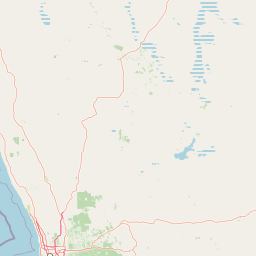
The park's highlights include its extensive sand heaths supporting rare plant species, the geological significance of the Jurassic Cockleshell Gully Formation with its lateritic breakaways, and the legacy of Alexander Morrison as the park's namesake. Visitors experience a landscape of sandy heathlands and low woodland that exemplifies the southwestern Australian wheatbelt environment. The diverse flora includes distinctive eucalypts such as Powder-barked Wandoo and Mallalie, along with rare species like spiral bush. The park offers a relatively uncrowded nature experience compared to more heavily visited southwestern Australian parks, with opportunities for exploring the sandplain landscapes along the Green Head-Coorow Road that borders the reserve.
Best time to visit Alexander Morrison National Park
The best time to visit Alexander Morrison National Park is during the cooler months of autumn and winter, from April through September, when temperatures are mild and the park's heaths are likely to display seasonal flowering. The Mediterranean climate means that winter brings rainfall that triggers the main growing and flowering season for many heath species. Spring, particularly late winter through early summer, can offer excellent wildflower viewing as the heath communities come into bloom. Summer months (December through February) bring hotter, drier conditions that may limit wildlife activity and make exploration less comfortable, though the park remains accessible year-round. The park's location along the Green Head-Coorow Road makes it accessible for day trips from Perth, though the 207-kilometre journey requires planning for those wishing to visit.