Why Badgingarra National Park stands out
Badgingarra National Park is best known for its incredible diversity of endemic wildflowers, which draw botanists and nature enthusiasts from across Australia. The park protects several rare and restricted plant species that occur nowhere else on Earth, including the Badgingarra mallee, Hakea flabellifolia, and Strangea cynanchicarpa. The landscape's combination of breakaway formations with low scrub vegetation creates a visually striking environment where mottlecah, smokebush, Banksia, Verticordia, and kangaroo paw create vibrant displays. This floral richness, set against the semi-arid terrain of the wheatbelt, represents one of the most significant concentrations of endemic plant diversity in southwestern Australia.
Badgingarra National Park history and protected-area timeline
Badgingarra National Park was established in 1973 as part of Western Australia's expanding network of national parks designed to protect the state's most significant natural landscapes and biodiversity. The establishment of the park came during a period of increased recognition of the unique flora and geological features of the wheatbelt region, which had previously been heavily cleared for agriculture. The park was created to preserve the area's exceptional plant diversity, including species that were already recognized as rare or restricted in their distribution. Management of the park falls to the Parks and Wildlife Service of Western Australia, which oversees conservation activities and visitor access. Over the decades, the park has become increasingly important as surrounding agricultural lands have been developed, leaving the protected area as a significant remnant of the original native vegetation.
Badgingarra National Park landscape and geographic character
The landscape of Badgingarra National Park is characterized by a striking contrast between the elevated breakaway country and the lower-lying sandplains that dominate the surrounding terrain. The breakaways are erosion-resistant sandstone and laterite ridges that form stepped cliff formations, providing panoramic views across the park and toward the township of Badgingarra. These geological features create a complex habitat mosaic, with cliff faces, rocky ledges, and steep slopes supporting different plant communities than the flatter sandplains below. The sandplains are covered in low scrub and heath vegetation that, while appearing monotonous from a distance, contains extraordinary botanical diversity. Mullering Brook cuts through the park in a shallow valley, creating a line of vegetation and a swampy area that provides ecological contrast to the drier surroundings. The park's elevation and position within the semi-arid wheatbelt results in a landscape that appears harsh yet supports remarkable life.
Badgingarra National Park ecosystems, habitats, and plant life
The ecological character of Badgingarra National Park is defined by its location within the Southwest Australia Biodiversity Hotspot, one of the world's most important centers of plant endemism. The park's plant communities represent a complex mosaic of species adapted to the nutrient-poor soils and seasonal drought conditions of the wheatbelt. The low scrub that covers most of the park includes numerous species from the Proteaceae, Myrtaceae, and Proteaceae families, with species such as mottlecah, various Banksia species, and Verticordia providing year-round interest. The park's significance is amplified by the presence of several rare and endemic species that are restricted to small areas near Badgingarra, including the Badgingarra mallee, which is known from only a handful of populations. The diversity of wildflowers, particularly during the spring blooming season, is extraordinary, with dozens of species creating carpets of color across the landscape. The park's vegetation also serves as important habitat for numerous animal species, though the semi-arid conditions limit the density of wildlife compared to more mesic environments.
Badgingarra National Park wildlife and species highlights
The fauna of Badgingarra National Park includes several notable species adapted to the semi-arid conditions of the wheatbelt. Western grey kangaroos are commonly seen grazing in the park, particularly during cooler parts of the day around dawn and dusk. Emus, Australia's largest native bird, traverse the landscape in pairs or small groups, their distinctive silhouettes a common sight against the horizon. Bustards, large ground-dwelling birds, inhabit the more open areas of the park where they feed on insects and vegetation. Wedgetail eagles soar overhead, using thermal currents to patrol for prey across the park's skies. The park's diverse plant communities also support a range of smaller animals including reptiles, small mammals, and numerous insect species that form the base of the food web. The Mullering Brook corridor provides habitat for water-dependent species and adds to the overall biodiversity of the park.
Badgingarra National Park conservation status and protection priorities
Badgingarra National Park plays a critical role in the conservation of Western Australia's unique flora, particularly given the extensive agricultural development that has transformed much of the surrounding wheatbelt. The park protects several plant species that are considered rare or restricted, including the Badgingarra mallee and several Hakea species, making it significant for botanical conservation at both state and national levels. However, the park faces significant threats, most notably from the spread of dieback, a Phytophthora-induced disease that attacks native plants and can fundamentally alter ecosystem composition. Dieback spread represents one of the most serious conservation challenges for southwestern Australia's native vegetation, as it can eliminate susceptible plant species and change the character of entire landscapes. The park's isolation within a predominantly agricultural landscape also means it functions as a refuge for species that can no longer survive in the surrounding cleared farmland.
Badgingarra National Park cultural meaning and human context
Badgingarra National Park is situated within the traditional Country of the Yued people, the Aboriginal inhabitants of the western wheatbelt region who have maintained connections to this landscape for thousands of years. The breakaway formations and the broader landscape would have held cultural significance for Indigenous communities, as these geological features often feature in Dreaming narratives and traditional resource management practices. While the park's documentation does not detail specific cultural sites or heritage values, the broader wheatbelt region contains numerous locations of Indigenous importance. The township of Badgingarra, which lies adjacent to the park, takes its name from the Noongar word for a local water source.
Top sights and standout views in Badgingarra National Park
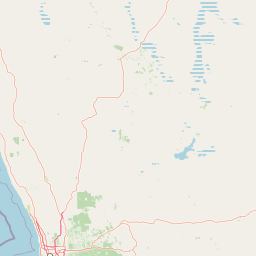
Badgingarra National Park's most outstanding feature is its exceptional wildflower display, particularly during spring when species such as mottlecah, kangaroo paw, and numerous Verticordia create spectacular color throughout the park. The breakaway viewpoints offer sweeping views across the wheatbelt landscape, making the park particularly appealing for photography and landscape appreciation. The rare Badgingarra mallee represents a botanical highlight, being a species found almost exclusively within this protected area. The Mullering Brook wetland provides a contrasting environment within the dry landscape and supports different plant and animal communities. The park's location adjacent to the Brand Highway makes it accessible for day visitors exploring the Mid West region.
Best time to visit Badgingarra National Park
The optimal time to visit Badgingarra National Park is during the Australian spring months from August to October, when wildflower displays are at their most spectacular and the weather is generally mild and pleasant. Winter rains trigger the flowering of many species, resulting in the park's famous displays of color that attract visitors from across Western Australia. Summer months can be extremely hot, with temperatures often exceeding 40 degrees Celsius, making outdoor activities uncomfortable and potentially dangerous. Autumn and early winter offer cooler conditions for walking and landscape photography, though wildflower displays are less dramatic during these seasons. Visitors planning trips should check current conditions and be aware that the park's remote location means supplies should be carried from larger centers.