Why Djurö National Park stands out
Djurö National Park is especially known for its unique status as Sweden's only significant lake-based archipelago national park, protecting a complete island system within the country's largest lake. The park is renowned for its birdlife, particularly nesting populations of ospreys, hobbies, oystercatchers, and great black-backed gulls. The presence of fallow deer on the islands adds mammalian interest to this aquatic sanctuary. The park's defining characteristic is the dramatic horizon of open water that surrounds every island except to the south, where Kinnekulle mountain provides a distant landmark, creating an immersive island wilderness experience unlike typical coastal archipelagos.
Djurö National Park history and protected-area timeline
The islands of the Djuro archipelago have a history of human habitation dating back to the 1500s, though the population never exceeded three families at any point, reflecting the challenging nature of lake island life. Over time, the islands were gradually abandoned as residents left for mainland communities, and today the archipelago is entirely uninhabited except for a hunting lodge and an automated lighthouse. The national park was officially established in 1991 through Swedish Government Proposition 1990/91:31, which identified the archipelago as worthy of national protection for its unique ecological and landscape values. This designation transformed the archipelago from a peripheral peripheral area within Vänern into a formally protected wilderness area, with management priorities focused on conservation rather than human habitation or commercial exploitation.
Djurö National Park landscape and geographic character
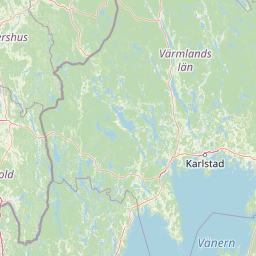
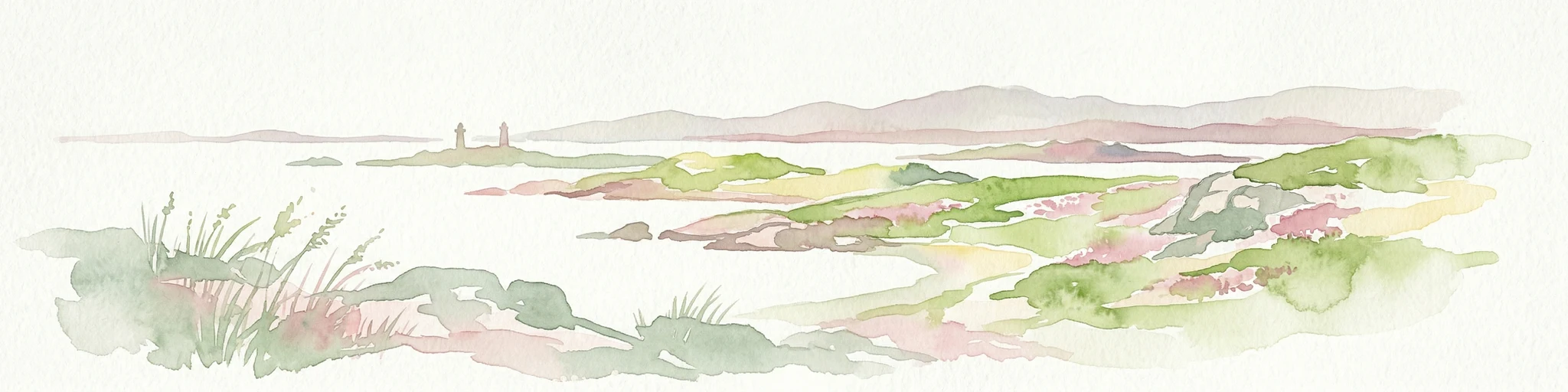
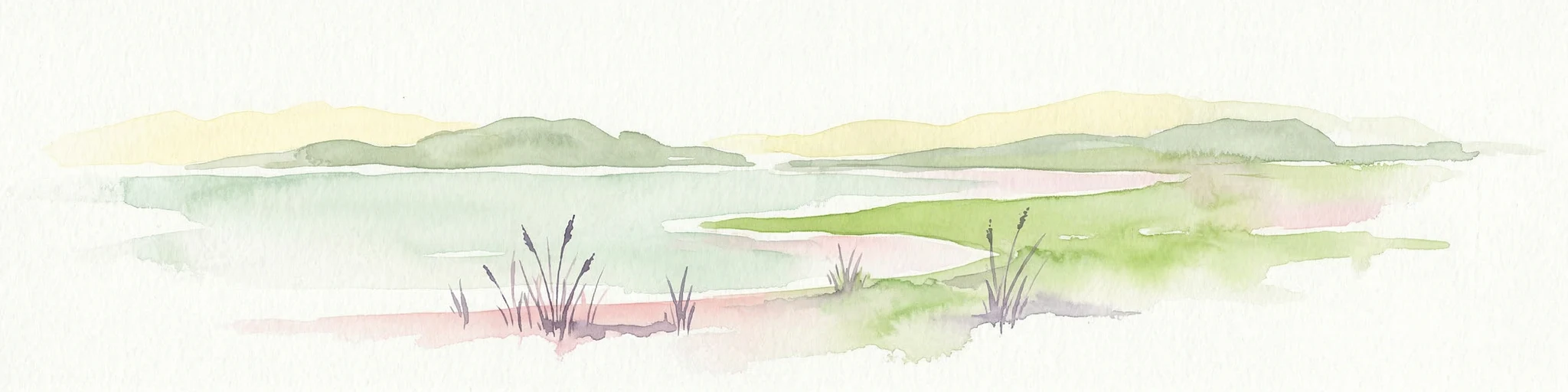
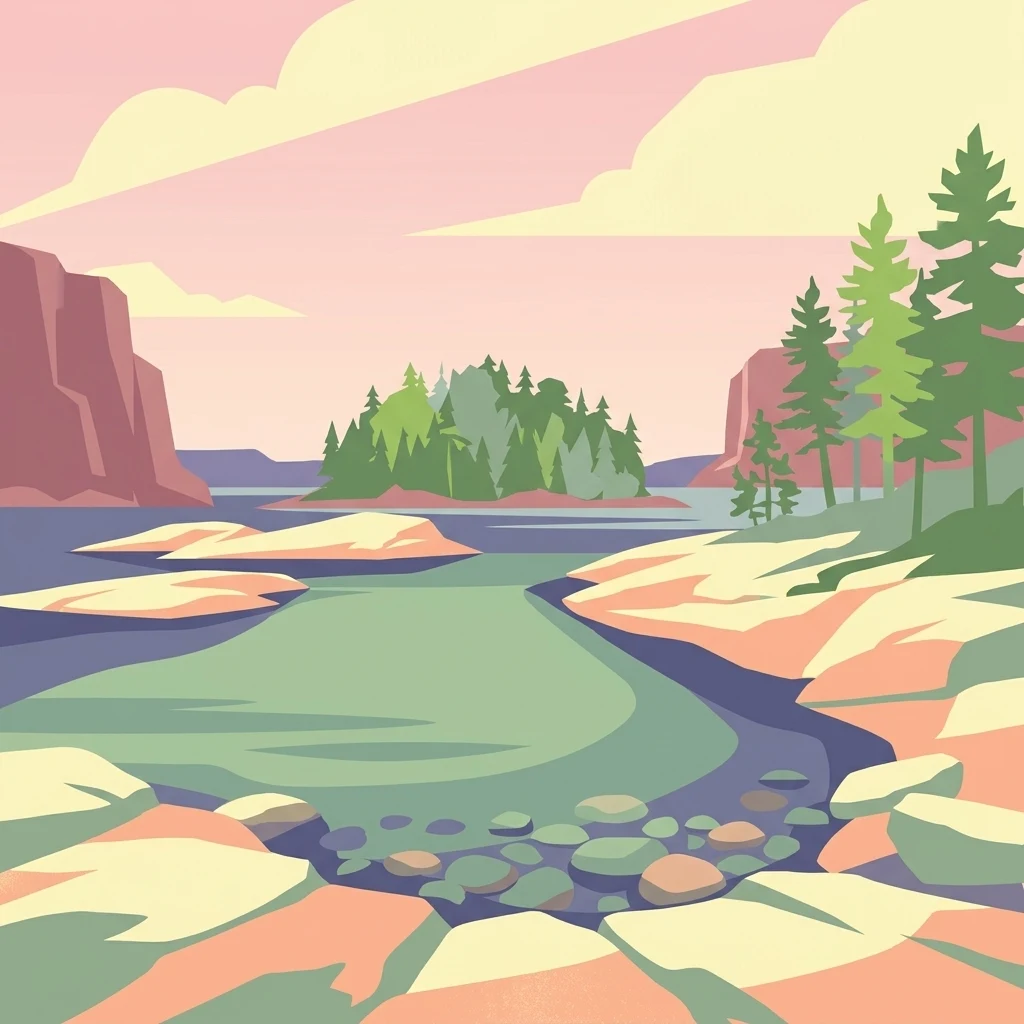
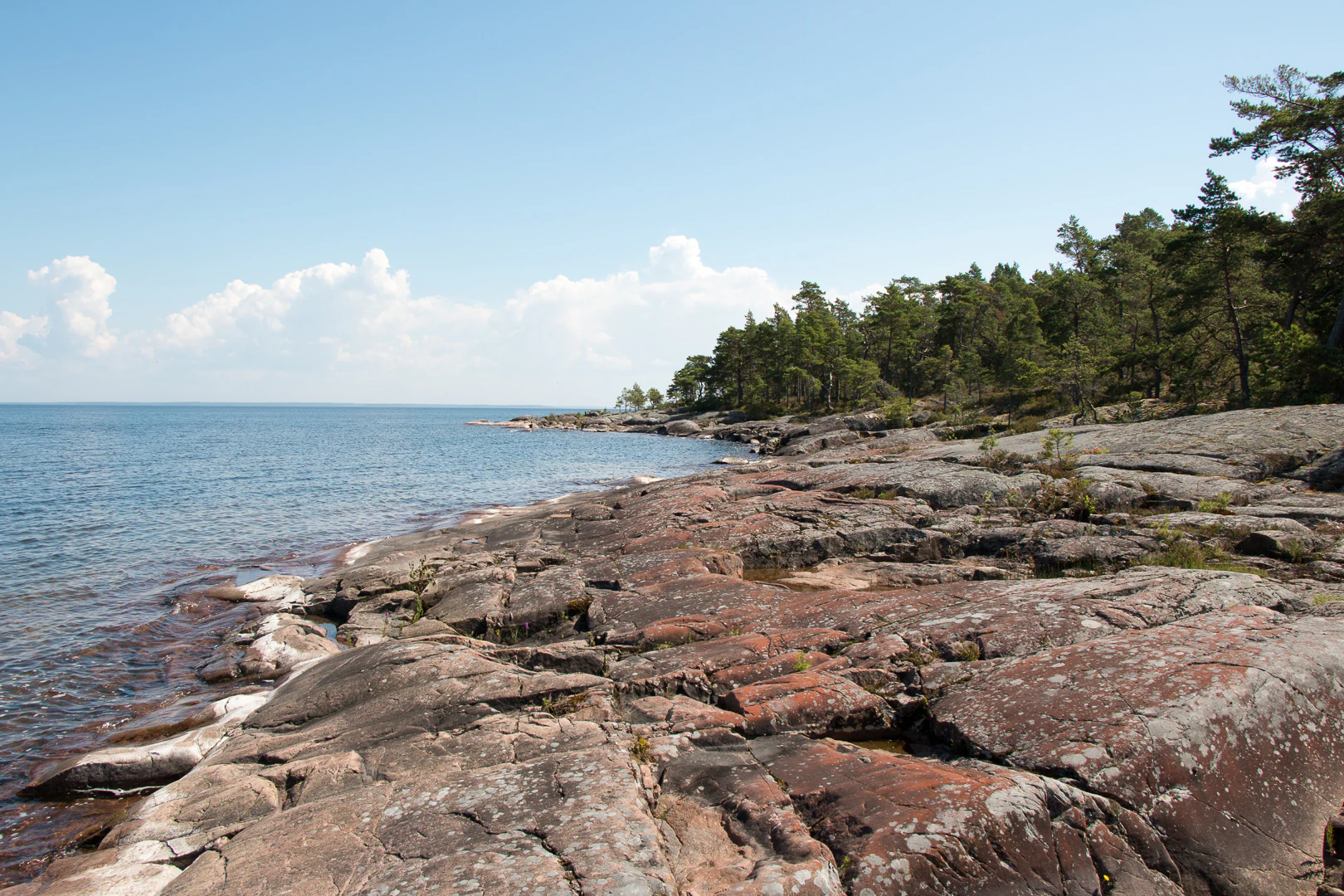
The landscape of Djuro National Park is defined by the relationship between land and water that characterizes a lake archipelago. The islands rise from the relatively shallow waters of Lake Vänern, with varied topography ranging from low-lying islets to more substantial landforms with gentle elevation. The surrounding waters dominate the visual experience from any island, with the horizon consisting almost entirely of water in most directions. Only to the south does the landscape open toward the mainland, where the distinctive profile of Kinnekulle, a table mountain, provides a familiar landmark connecting the isolated island group to the broader Swedish landscape. The islands themselves feature combinations of rocky shores, forested areas, and open ground, with each island possessing its own distinct character despite their relatively close proximity.
Djurö National Park ecosystems, habitats, and plant life
The nature of Djuro National Park reflects the specialized conditions of a lake archipelago environment. The isolation created by surrounding waters has shaped distinctive ecological communities adapted to island conditions and the lake environment. The forests that cover many islands consist of typical Swedish lake-shore vegetation, while the varied island sizes and configurations create a range of microhabitats. The open waters of Vänern that surround the islands are themselves ecologically significant, supporting fish populations and serving as a migration corridor for waterfowl. The combination of terrestrial islands and extensive aquatic habitat creates a coherent ecosystem unit where the boundary between protected terrestrial areas and the surrounding lake waters is inherently connected.
Djurö National Park wildlife and species highlights
The wildlife of Djuro National Park is characterized by species adapted to island and lake environments. Fallow deer are present on the islands, representing one of the larger mammalian species in the park. The birdlife is particularly significant, with the park supporting populations of several notable species. Ospreys nest in the archipelago, utilizing the isolated islands as secure breeding sites away from mainland disturbances. Hobbies, a species of falcon, also breed in the area, taking advantage of the abundant prey opportunities in the lake environment. Oystercatchers favor the shoreline habitats around the islands, while great black-backed gulls nest on appropriate island sites. The waters of Vänern support additional bird species throughout the year, particularly during migration periods when the lake serves as an important stopover for waterfowl moving between northern and southern European areas.
Djurö National Park conservation status and protection priorities
Djurö National Park serves an important conservation function as the primary protected example of lake archipelago ecosystems in Sweden. The park protects not only the terrestrial islands but also the surrounding waters of Vänern, creating a comprehensive protected area that maintains ecological connectivity between land and water. The designation of this archipelago as a national park ensures the preservation of biological diversity across the island system, protecting the varied habitats that each distinct island provides. The isolation of the islands from significant human activity has allowed natural processes to continue relatively unimpeded, providing reference ecosystems for understanding how lake archipelago environments function without major human disturbance. The park contributes to Sweden's commitments to protecting representative examples of the country's natural landscapes.
Djurö National Park cultural meaning and human context
The cultural context of Djuro National Park is defined by a history of sparse human habitation that has left minimal permanent mark on the landscape. The islands were occupied intermittently from the 1500s onward, but the challenging conditions of lake island life never supported significant population growth. The three families that represented the archipelago's peak population gradually departed, leaving behind only a hunting lodge and lighthouse as evidence of human presence. This relatively light historical use has meant that the park's cultural landscape is essentially a natural landscape with minimal archaeological or architectural heritage, allowing visitors to experience the islands as they appeared before modern protection efforts. The lighthouse, now automated, represents the only structure of note and serves as a reminder of the archipelago's historical role in navigation on Lake Vänern.
Top sights and standout views in Djurö National Park
The highlights of Djuro National Park center on its unique identity as Sweden's lake archipelago national park. The experience of island-hopping through diverse islands, each with its own distinct character, offers a distinctive wilderness experience unlike coastal archipelagos. The birdwatching opportunities, particularly for ospreys and other raptors, draw nature enthusiasts interested in observing breeding birds of prey in a secure island sanctuary. The sense of isolation created by the surrounding waters of Vänern, with only the distant landmark of Kinnekulle breaking the horizon, provides a tranquil atmosphere that emphasizes the park's wilderness character. The hunting lodge and lighthouse structures add historical interest to the natural landscape.
Best time to visit Djurö National Park
The best time to visit Djuro National Park is during the warmer months from late spring through early autumn, when the full range of park experiences is available and access is most straightforward. Summer months offer the warmest conditions for exploring the islands and observing nesting bird species at their most active. The birdlife is particularly notable during the breeding season in spring and early summer, when ospreys and other species are actively raising young. Autumn migration brings additional bird activity as waterfowl move through the lake corridor. Winter visits are possible but limited by weather conditions and reduced services, with the stark beauty of snow-covered islands offering a different but challenging experience.