
Why Tresticklan National Park stands out
Tresticklan is especially known for its old-growth pine forests on rocky heathland, one of the few remaining such ecosystems in southern Scandinavia. The hällmarkstallskog, heath pine forest growing on exposed granite, dominates the landscape, with sparse, wind-shaped pines and a ground cover of heather and lichens. The park is notable for populations of capercaillie, black grouse, and hazel grouse, characteristic birds of Scandinavian coniferous forests.
Tresticklan National Park history and protected-area timeline
Tresticklan National Park was established in 1996 through the Swedish national park system, representing a relatively recent addition to Sweden's network of protected areas. The establishment of the park was motivated by the recognition that old-growth forests had become extremely rare in southern Scandinavia, with most of the original forest cover having been lost to centuries of logging, agriculture, and land-use changes. The park is managed by Naturvårdsverket, the Swedish Environmental Protection Agency, which oversees the management and conservation of Sweden's national parks. The creation of Tresticklan reflected a broader effort in the late 20th century to protect remaining examples of Sweden's natural heritage, particularly in regions where wilderness areas had become scarce due to the country's long history of forest management and agricultural development.
Tresticklan National Park landscape and geographic character
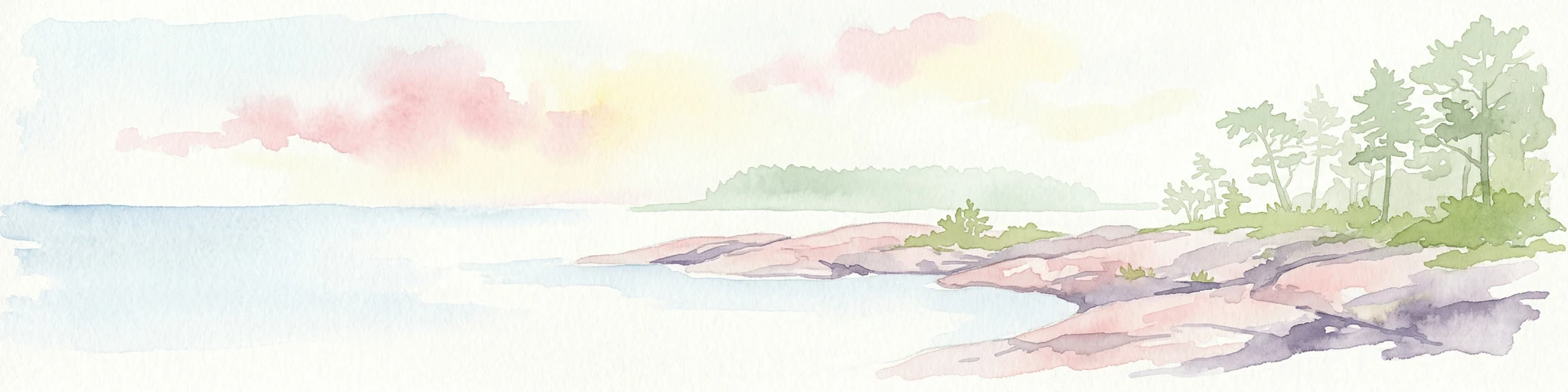
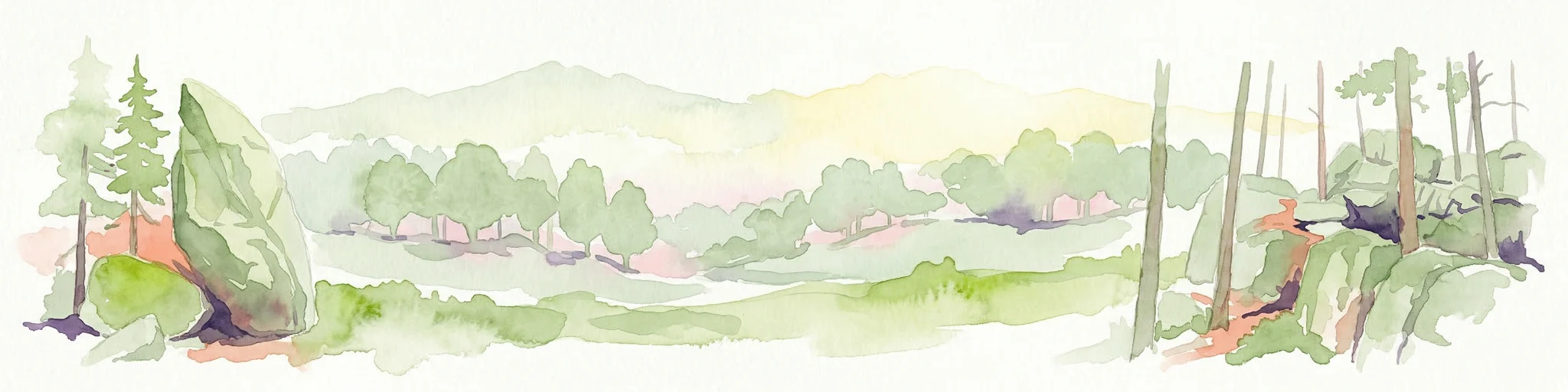
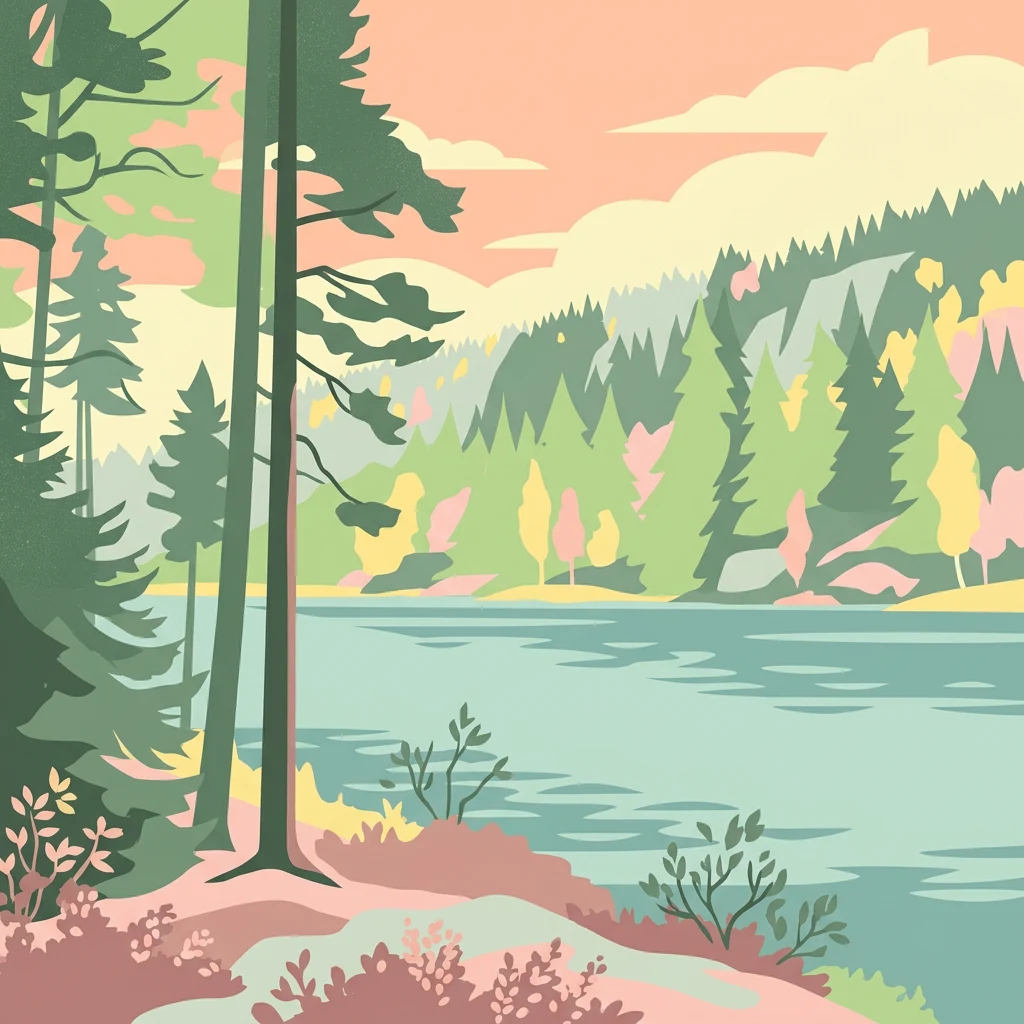
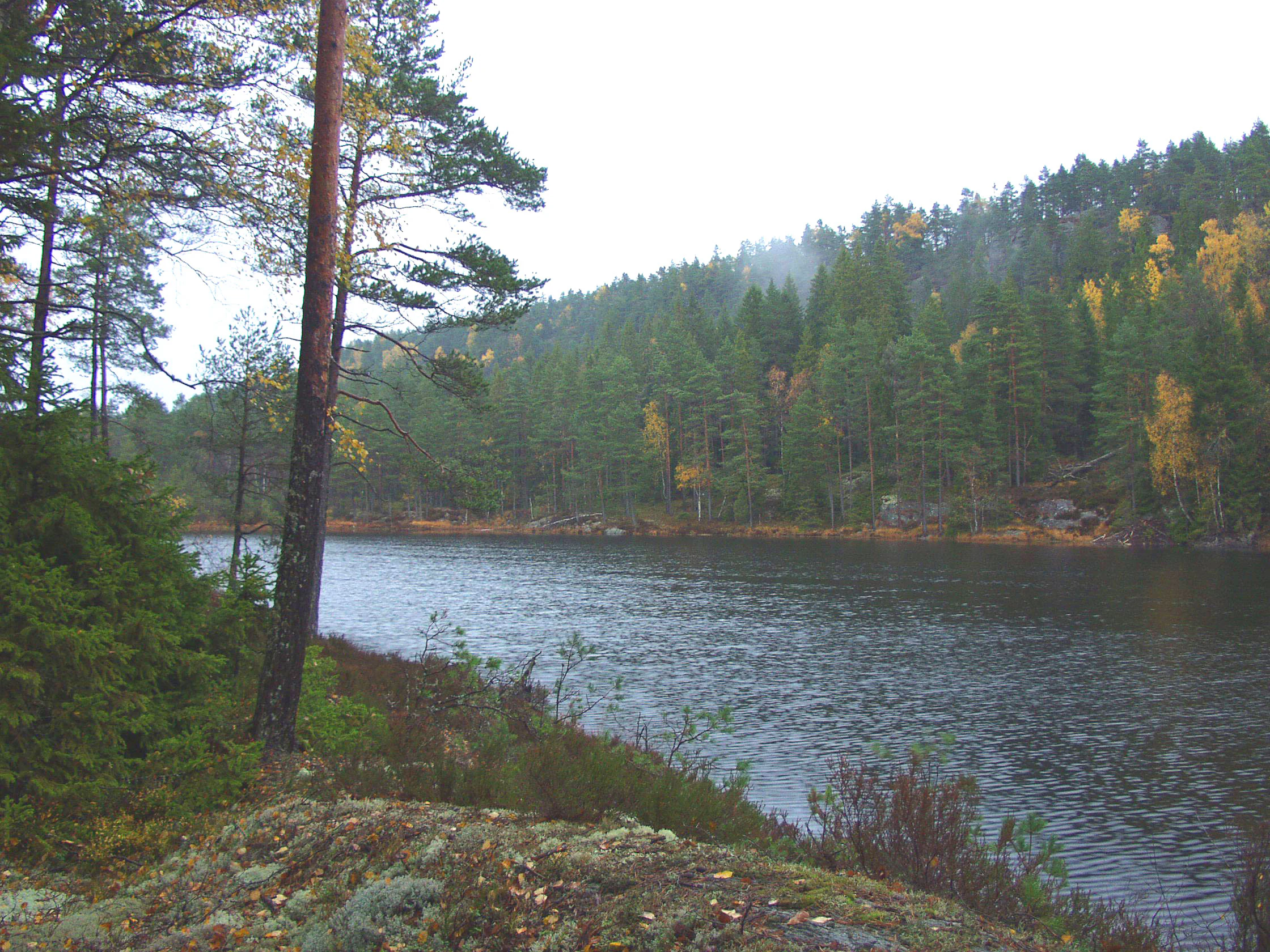
The landscape of Tresticklan National Park is characterized by the fracture valley terrain typical of Dalsland, a region shaped by ancient geological processes that created a pattern of rocky ridges, V-shaped valleys, and numerous lakes. The terrain is dominated by exposed granite bedrock, with thin soils supporting sparse vegetation. The highest point in the park is Orshöjden, rising to 276 meters above sea level. The landscape includes several lakes, with Lake Stora Tresticklan being the most prominent. The combination of bare rock outcrops, pine forests that appear to grow directly from stone, and the valley corridors creates a landscape of stark beauty—a remote forest wilderness quite different from the more cultivated landscapes found in other parts of southern Sweden.
Tresticklan National Park ecosystems, habitats, and plant life
The dominant habitat type in Tresticklan is hällmarkstallskog, or heath pine forest, characterized by open-canopy pine stands growing on thin soils over exposed granite bedrock. These forests have a sparse understory and a ground cover dominated by heather, lichens, and mosses. The flora is relatively species-poor, a characteristic of these harsh, nutrient-poor environments where only the most tolerant species can survive. Despite the limited plant diversity, the forests represent a near-natural state, with old trees, standing deadwood, and fallen logs persisting without significant human intervention. This old-growth character is increasingly rare in southern Scandinavia, making the park an important refuge for forest-dependent species and a valuable example of how these ecosystems function in the absence of active management.
Tresticklan National Park wildlife and species highlights
Tresticklan is home to characteristic species of Scandinavian coniferous forests. The park is particularly known for its populations of capercaillie, black grouse, and hazel grouse—three species of grouse that are typical of old-growth pine forests in the region. These birds require the specific habitat conditions provided by mature pine forest with a structure that includes open canopy, dense cover for nesting, and dead wood for foraging. The presence of these species indicates a relatively intact forest ecosystem. While detailed species lists are not provided in the available sources, the identification of these three grouse species as characteristic of the park suggests a functioning boreal forest bird community.
Tresticklan National Park conservation status and protection priorities
Tresticklan National Park protects one of the few remaining old-growth forest landscapes in southern Scandinavia. In a region where forest cover has been extensively altered by centuries of logging, agriculture, and plantation forestry, the park represents a significant conservation priority. The old-growth forests within the park provide habitat for species dependent on dead wood, veteran trees, and the structural complexity of unmodified forest—conditions that cannot be replicated in managed timber stands. As one of the largest remaining examples of this ecosystem type in southern Sweden, the park serves as a reference area for ecological research and as a reservoir of genetic diversity for forest species.
Top sights and standout views in Tresticklan National Park
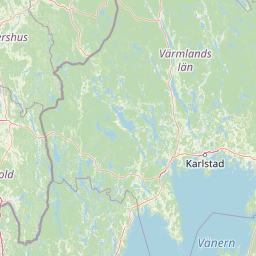
Tresticklan stands out as one of the largest and most significant old-growth forest protected areas in southern Scandinavia. The park's rocky pine heaths, mature forest stands, and populations of capercaillie, black grouse, and hazel grouse represent a conservation value that is difficult to replicate elsewhere in this densely populated region of Europe. The park's location along the Norwegian border places it within a larger transboundary forest complex that extends into Østfold, contributing to broader landscape-scale conservation in the region.
Best time to visit Tresticklan National Park
Tresticklan can be visited throughout the year, with the summer months offering the most comfortable conditions for hiking and experiencing the forest landscape. The park's northern latitude and continental climate mean that winter conditions can be severe, while autumn and spring provide transitional seasons with their own particular character. The best time for wildlife observation is during the breeding season when bird activity is highest, though the old-growth forest character can be appreciated in any season.