Why Jomfruland National Park stands out
Jomfruland National Park is distinguished by its coastal island character and the unusual proportion of marine to terrestrial area within its boundaries. The park protects a representative stretch of Norway's southern Skagerrak coastline, preserving both the islands' terrestrial habitats and the surrounding coastal sea ecosystem. The presence of the historic Jomfruland lighthouse serves as a cultural landmark that anchors the islands' maritime heritage. The park's establishment in 2016 reflects a relatively recent recognition of the conservation significance of this coastal archipelago landscape.
Jomfruland National Park history and protected-area timeline
Jomfruland National Park was established on 16 December 2016 through formal designation by the Norwegian authorities. This makes it one of the more recent additions to Norway's system of national parks, reflecting a continued evolution in the country's approach to protected area establishment. The park was created to provide formal protection for the coastal island landscape of the Jomfruland archipelago and the surrounding marine environment.
The islands themselves have a longer history of human activity and recognition. Jomfruland has been known to mariners for centuries due to its position along a historically busy shipping route through the Skagerrak. The Jomfruland lighthouse, constructed in the 19th century, stands as a testament to the islands' navigational significance and remains an important cultural feature of the landscape. While the park designation is recent, the recognition of this coastal area's value—both natural and cultural—has been building over time, culminating in the formal establishment of national park status.
Jomfruland National Park landscape and geographic character
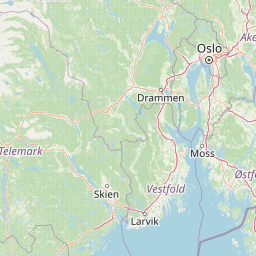
The landscape of Jomfruland National Park is defined by its coastal island setting within the Skagerrak strait. The park encompasses two primary islands—Jomfruland and Stråholmen—along with their surrounding marine waters. The islands feature relatively low-lying terrain compared to the mountainous interiors found elsewhere in Norway, with rocky coastlines that bear the mark of centuries of wave action and maritime exposure.
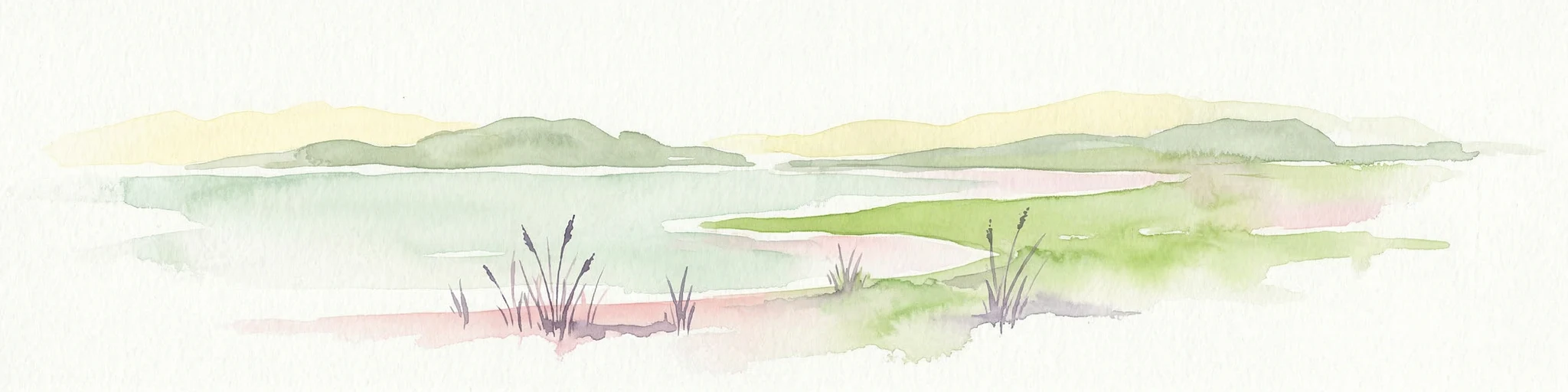
The surrounding sea is an integral part of the park's landscape character, not merely a backdrop to the terrestrial islands. The waters of the Skagerrak are influenced by complex tidal dynamics and the mixing of different marine environments. The coastline in this region exhibits the characteristic irregularity of Norway's southern shore, with numerous small islands, skerries, and varied shoreline profiles contributing to visual diversity.
The terrestrial portions of the islands support the vegetation types typical of Norway's southern coastal zone, with plant communities adapted to the maritime climate and exposed conditions. The interaction between land and sea defines the park's physical character, creating a landscape where the boundary between terrestrial and marine environments is deliberately blurred by the nature of the protected area.
Jomfruland National Park ecosystems, habitats, and plant life
The nature of Jomfruland National Park reflects its position in the Skagerrak coastal zone, a marine environment of significant ecological importance. The park protects a representative example of Norway's southern coastal and island ecosystems, encompassing both the terrestrial habitats of the islands themselves and the surrounding marine waters. This dual terrestrial-marine character is unusual among Norwegian protected areas and reflects an integrated approach to coastal conservation.
The marine environment of the Skagerrak supports diverse coastal ecosystems influenced by the mixing of North Sea and Baltic Sea waters. The water column and seafloor habitats within the park's boundaries receive protection as part of the overall conservation framework. The transitional nature of this marine area—where different water masses meet—creates conditions that support varied marine life.
The terrestrial nature of the islands, though occupying only a small fraction of the total park area, includes coastal heath, rocky terrain, and the plant communities adapted to the salt-laden winds and relatively mild maritime climate of southern Norway. These habitats support specialized plant species adapted to the challenging coastal conditions.
Jomfruland National Park wildlife and species highlights
The wildlife of Jomfruland National Park reflects its position in the Skagerrak region, a marine corridor of significant ecological importance for coastal and seabird species. The islands and surrounding waters provide habitat for various bird species that depend on coastal and marine environments. TheSkagerrak strait is an important passage for migratory birds and supports populations of seabirds that use the islands for breeding and resting.
The marine waters within the park protect the fish and invertebrate communities that inhabit Norway's southern coastal zone. The mixing of different marine environments in the Skagerrak creates a biodiverse transition zone that supports species with varying salinity and temperature tolerances. While detailed species inventories are limited in the available source material, the protected area ensures the preservation of these coastal and marine wildlife communities as part of the broader ecological system.
Jomfruland National Park conservation status and protection priorities
Jomfruland National Park contributes to Norway's conservation framework by protecting a coastal island ecosystem that had not previously received formal national park status. The park's establishment in 2016 added a representative coastal protected area to Norway's network of national parks, specifically addressing the need to preserve the marine and island environments of the southern Skagerrak coast.
The park's designation as IUCN category II reflects its status as a national park with the primary objectives of ecosystem conservation and protection. By encompassing both islands and surrounding sea in a single protected area, the park takes an integrated approach to coastal conservation that recognizes the interdependence of terrestrial and marine habitats. The management by the Norwegian Environment Agency ensures coordinated protection of both components of the park.
This conservation designation recognizes the ecological value of Norway's southern coastal waters and the importance of protecting transitional marine environments that support diverse species communities. The park contributes to broader marine conservation objectives while preserving the cultural landscape character of the islands.
Jomfruland National Park cultural meaning and human context
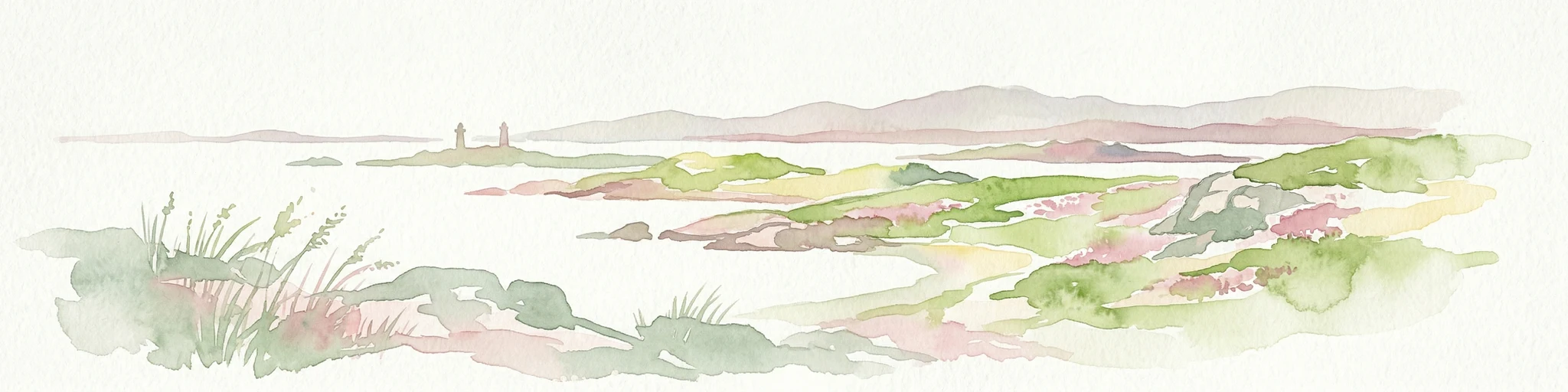
The cultural context of Jomfruland National Park is deeply intertwined with maritime history and the islands' long relationship with seafaring and navigation. The Jomfruland lighthouse, constructed in the 19th century, stands as a prominent cultural landmark and symbolizes the islands' historic role in guiding ships through the challenging waters of the Skagerrak strait. This lighthouse remains an important visual and cultural element of the park's character.
The archipelago has been part of Norway's coastal cultural landscape for centuries, with human presence and activity shaping—and being shaped by—the maritime environment. Fishing, shipping, and coastal trade have historically been central to life in this region, creating cultural connections to the sea that remain significant. The establishment of the national park preserves not only the natural environment but also the cultural heritage embedded in this coastal landscape.
The park's cultural context reflects the broader pattern of Norwegian coastal communities whose identities have been formed by their relationship with the sea. While the national park designation is recent, the cultural layer of human activity on these islands extends far back, adding historical depth to the protected area's character.
Top sights and standout views in Jomfruland National Park
Jomfruland National Park stands out for its unusual composition as a predominantly marine protected area, with approximately 98 percent of its 117 square kilometer extent consisting of sea surrounding two coastal islands. The park protects a representative example of Norway's southern Skagerrak coastal ecosystem, an area of significant marine ecological value where different water masses interact. The historic Jomfruland lighthouse provides a cultural landmark that anchors the islands' maritime heritage, while the park's recent establishment in 2016 reflects contemporary conservation priorities. The integrated protection of both island and surrounding sea makes this park distinctive within Norway's national park system.
Best time to visit Jomfruland National Park
The character of Jomfruland National Park is shaped by its maritime setting in southern Norway's Skagerrak region. The coastal location means that the park experiences a relatively mild climate compared to more northerly parts of Norway, though visitors should expect the wind and weather patterns typical of exposed coastal environments. The summer months generally offer the most stable conditions for visiting, with longer daylight hours and calmer seas facilitating exploration of the island landscapes.
The shoulder seasons of spring and autumn can also offer rewarding visits, though with more variable weather conditions. The maritime character of the park means that the surrounding waters are integral to the visitor experience, and conditions at sea will influence overall visitability. Winter visits are possible but the coastal climate can bring challenging weather. The best approach for planning a visit would be to check current conditions and any access restrictions, as the park's island setting and marine focus mean that boat access is typically required.