Why Hikkaduwa National Park stands out
Hikkaduwa National Park is renowned for its accessible shallow coral reef system, which supports exceptional marine biodiversity including approximately 60 coral species from 31 genera and over 170 reef fish species from 76 genera. The park is particularly famous for its diverse coral formations including staghorn, elkhorn, brain, table, and star corals, as well as for providing habitat to threatened marine species such as hawksbill turtles, green turtles, and olive ridley turtles. The reef also supports dugongs in its seagrass meadows. As one of Sri Lanka's three marine national parks, Hikkaduwa represents a critical conservation area for tropical coral ecosystems in the Indian Ocean, and the park's proximity to the coastal town makes it a popular destination for snorkeling and scuba diving enthusiasts seeking to experience vibrant reef ecosystems firsthand.
Hikkaduwa National Park history and protected-area timeline
The protection history of Hikkaduwa National Park reflects an evolving understanding of marine conservation needs in Sri Lanka. The area was first declared a wildlife sanctuary on May 18, 1979, establishing initial legal protection for the coral reef and surrounding marine environment. This early designation recognized the ecological importance of the coastal area but provided relatively limited management frameworks compared to later categories. On August 14, 1988, the protected area was upgraded to a nature reserve status, which expanded the land area under protection and strengthened management authority. Over the subsequent decade and a half, the popularity of the area for snorkeling and diving activities grew substantially, with visitor numbers increasing significantly during the 1990s and early 2000s. This growth in tourism activity brought increased pressure on the coral reef ecosystem, including physical damage from boat anchors, trampling by swimmers and divers, and collection of reef organisms. To address these escalating pressures and provide stronger protection mechanisms, the reef area was declared a national park on September 19, 2002, elevating its conservation status and enabling more comprehensive management interventions. More recently, conservation efforts have included active reef restoration programs, with the Wildlife Conservation Department initiating coral restoration efforts in 2023. Additionally, legal enforcement has been strengthened, with a 2025 court case resulting in a fine against an individual for damaging corals, underscoring the seriousness of anthropogenic threats to this fragile ecosystem.
Hikkaduwa National Park landscape and geographic character
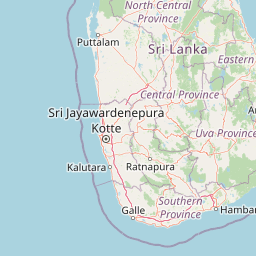
The physical landscape of Hikkaduwa National Park is defined by its coastal marine environment, characterized by a narrow fringing reef that parallels the shoreline for approximately four kilometers. The reef system is relatively shallow, with average depths around five meters, making it particularly accessible to snorkelers and divers while also placing it within the photic zone where corals can thrive. The coastal zone itself is narrow, typically ranging between five and fifty meters in width depending on seasonal conditions and long-term coastal dynamics. Beyond the reef, the seafloor features sandy and seagrass-covered areas that provide important habitat for megafauna including sea turtles and dugongs. The landward side of the park interfaces with the coastal town of Hikkaduwa, creating a landscape where developed areas transition into protected marine environments. Sri Lanka's wet zone climate influences the broader landscape context, with the park receiving approximately 2,000 millimeters of annual rainfall distributed across two monsoon seasons. The inter-monsoon period brings drier conditions that make this an ideal time for marine activities, as water visibility improves and sea conditions become calmer.
Hikkaduwa National Park ecosystems, habitats, and plant life
The marine ecology of Hikkaduwa National Park centers on a diverse coral reef ecosystem that exemplifies tropical Indian Ocean biodiversity. The reef is dominated by foliaceous Montipora species, which create intricate coral formations providing complex three-dimensional habitat for countless reef organisms. Encrusting and branching coral species add structural diversity, while massive colonies of Faviidae and Poritidae corals dominate the inshore areas. The reef supports an impressive 60 coral species spanning 31 genera, representing significant taxonomic diversity for a relatively small protected area. Beyond corals, the reef system hosts over 170 reef fish species from 76 genera, ranging from small colorful reef fish to larger predators. The seagrass meadows that occur in deeper areas between five and ten meters provide critical habitat for marine megafauna, with species of Halimeda and Caulerpa algae forming important components of the benthic community. This combination of coral reef, seagrass, and algal habitats creates a mosaic of marine environments supporting extraordinary species richness.
Hikkaduwa National Park wildlife and species highlights
The wildlife of Hikkaduwa National Park encompasses a remarkable array of marine species, making it one of Sri Lanka's most biodiverse marine protected areas. The coral reef provides habitat for over 170 reef fish species, including numerous colorful ornamental fish species that attract snorkelers and divers. The reef also supports populations of blacktip reef sharks along the outer reef slopes, representing apex predators that help maintain ecosystem balance. Sea turtles are particularly notable visitors to the reef, with three threatened species documented: hawksbill turtles, green turtles, and olive ridley turtles all regular inhabitants of the reef area. Dugongs, the endangered marine mammals that graze on seagrass, also utilize the park's seagrass habitats, though sightings are less common. The invertebrate fauna is equally diverse, with crabs, prawns, shrimps, oysters, and various sea worms all present within the reef system. Several species are endemic to Sri Lanka, including the coral species Porites desilveri and the reef fish species Chlorurus rhakoura and Pomacentrus proteus, highlighting the park's global significance for marine biodiversity conservation.
Hikkaduwa National Park conservation status and protection priorities
Hikkaduwa National Park faces significant conservation challenges despite its protected status, with both natural and anthropogenic threats affecting reef health. The 1998 coral bleaching event, triggered by the El Niño phenomenon, caused catastrophic damage to the reef, with live coral cover declining from approximately 47 percent to just 13 percent. This dramatic loss represents a stark illustration of climate vulnerability in coral reef ecosystems. Recovery has been slow, with scientists suggesting that at least 30 to 40 percent of the coral reef requires restoration to enable self-sustaining ecosystem function. Beyond natural disturbances, human activities continue to pressure the reef, including removal of ornamental fish for the commercial aquarium trade and general impacts from tourism activities. The 2004 Indian Ocean tsunami, while not causing direct damage to the marine park, resulted in secondary impacts as terrestrial debris was deposited onto the reef, requiring extensive cleanup efforts by conservation groups and volunteers. Recent conservation initiatives include active coral restoration programs initiated by the Wildlife Conservation Department in 2023 and strengthened legal enforcement, with court-ordered fines and restoration requirements for coral damage offenses in 2025.
Hikkaduwa National Park cultural meaning and human context
Hikkaduwa National Park exists within a landscape where marine conservation intersects with active coastal community life. The park takes its name from the nearby town of Hikkaduwa, which has developed alongside the protected area and depends significantly on tourism revenue generated by visitors drawn to the reef. This relationship creates both opportunities and challenges for conservation, as local economies benefit from marine tourism while simultaneously potentially contributing to ecosystem pressures. The reef has traditionally supported coastal communities through fishing and more recently through tourism, creating a long-standing human relationship with the marine environment that predates formal protection. The cultural context also includes Sri Lanka's broader relationship with its marine resources, as an island nation where coastal ecosystems have historically provided important ecosystem services and livelihood opportunities. The transition of this area from a wildlife sanctuary to a nature reserve and eventually to a national park reflects evolving societal values toward marine environment protection in the country.
Top sights and standout views in Hikkaduwa National Park
Hikkaduwa National Park stands out as one of Sri Lanka's three marine national parks and offers one of the most accessible coral reef experiences in the Indian Ocean. The park's shallow fringing reef system, averaging five meters in depth, supports extraordinary biodiversity including 60 coral species and over 170 reef fish species. Notable species include endangered sea turtles, dugongs in seagrass meadows, and endemic fish and coral species found nowhere else on Earth. The reef also serves important ecological functions as a natural breakwater that reduces coastal erosion. The park provides excellent opportunities for scuba diving and snorkeling, allowing visitors direct observation of vibrant coral communities. Recent conservation initiatives, including coral restoration programs starting in 2023, demonstrate active management commitment to ecosystem recovery following past degradation.
Best time to visit Hikkaduwa National Park
The optimal time to visit Hikkaduwa National Park is during the inter-monsoon dry season, which offers the most favorable conditions for underwater visibility and marine activities. This period between the two monsoon seasons provides calmer seas and clearer water, enhancing the experience of snorkeling and diving on the reef. The water temperature remains consistently warm, ranging from 28 to 30 degrees Celsius throughout the year, making water activities comfortable in any season for those comfortable with tropical conditions. The southwestern monsoon from April to June and the northeastern monsoon from September to November bring increased rainfall and rougher sea conditions, which can reduce visibility and limit access to certain reef areas. For visitors seeking to balance good weather with wildlife viewing, the transition periods between monsoons often offer a compromise, though the inter-monsoon remains consistently recommended for the best marine experience.