Why Udawalawe National Park stands out
Udawalawe is best known for its large population of Sri Lankan elephants, which are relatively easy to observe in the park's open grassland habitats due to sparse vegetation. The Udawalawe Reservoir serves as a focal point for wildlife, attracting herds of elephants, water buffalo, and numerous water bird species. The park is also renowned as a birdwatching destination, with endemic species such as Sri Lanka spurfowl, red-faced malkoha, Sri Lanka grey hornbill, and brown-capped babbler, alongside migratory water birds including painted storks, spot-billed pelicans, and Asian openbills. The combination of reliable elephant sightings, diverse birdlife, and accessible safari experiences makes Udawalawe one of Sri Lanka's most popular wildlife destinations.
Udawalawe National Park history and protected-area timeline
Udawalawe National Park was established on June 30, 1972, with the primary purpose of providing sanctuary for wild animals displaced by the construction of the Udawalawe Reservoir on the Walawe River. The reservoir's creation involved flooding extensive areas of natural forest, and the park was designed not only to protect the displaced wildlife but also to preserve the catchment area that sustains the reservoir. Prior to national park designation, the area had been used for shifting cultivation, also known as chena farming, a traditional slash-and-burn agricultural practice. Following the park's establishment, the farming communities were gradually relocated away from the protected area. In 1995, the Udawalawe Elephant Transit Home was founded within the park to care for orphaned and abandoned elephant calves, with successful releases occurring in 1998, 2000, and 2002. The park has been featured on Sri Lankan postage stamps as part of a national parks series, highlighting its significance as a protected area.
Udawalawe National Park landscape and geographic character
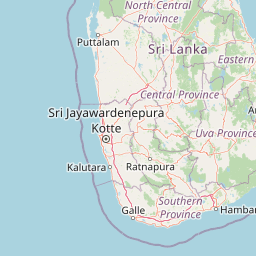
The landscape of Udawalawe National Park is characterized by gently undulating plains that dominate the terrain, though notable mountainous features exist in the northern reaches of the park. The Kalthota Range and Diyawini Falls are prominent features in the north, while the outcrops of Bambaragala and Reminikotha add geological interest within the park boundaries. The Udawalawe Reservoir, formed by the dam on the Walawe River, serves as a central hydrological feature and provides critical water resources for wildlife throughout the year. The reservoir's shoreline includes marshy areas and scattered dead trees standing in the water, remnants of the forest that existed before the dam's construction. The park's soils are predominantly well-drained reddish-brown earth, with poorly drained humic grey soils found in valley bottoms and alluvial soils along water courses.
Udawalawe National Park ecosystems, habitats, and plant life
The ecological character of Udawalawe is defined by a diverse mosaic of habitats including marshes, river channels, forest patches, and extensive grasslands. The grasslands are particularly extensive and result from historical chena farming practices, creating open savanna-like conditions that support large mammal populations. Forest types within the park include riparian corridors along water courses and drier scrub forest areas. The flora includes several endemic species such as Hopea cordifolia, Memecylon petiolatum, Erythroxylon zeylanicum, and Jasminum angustifolium. The grasslands contain important elephant food plants including Panicum maximum and Imperata cylindrica. Common tall tree species include Chloroxylon swietenia, Berrya cordifolia, Diospyros ebenum, Adina cordifolia, and Vitex pinnata. The park's biodiversity includes 94 plant species, 21 fish species, 12 amphibians, 33 reptiles, and 135 butterfly species, demonstrating the ecological richness of this protected area.
Udawalawe National Park wildlife and species highlights
Udawalawe supports a remarkable diversity of wildlife, with elephants being the most prominent attraction. A herd of approximately 250 elephants is believed to be permanently resident in the park, drawn by the water and forage available around the reservoir. The park provides habitat for members of the cat family including the rusty-spotted cat, fishing cat, and Sri Lankan leopard, though leopards are more commonly associated with other Sri Lankan parks. The Sri Lankan sloth bear is present but rarely seen due to its secretive nature. Herbivores include Sri Lankan sambar deer, Sri Lankan axis deer, Indian muntjac, Sri Lankan spotted chevrotain, wild boar, and water buffalo. Smaller mammals include golden jackal, Asian palm civet, golden palm civet, toque macaque, tufted grey langur, and Indian hare. The bird population of 184 species includes both residents and migrants, with endemic species such as Sri Lanka spurfowl, Sri Lanka grey hornbill, brown-capped babbler, and Sri Lanka junglefowl breeding in the park. Water birds attracted to the reservoir include cormorants, spot-billed pelicans, painted storks, black-headed ibis, and Eurasian spoonbill. Reptiles include mugger crocodiles, Asian water monitors, Bengal monitors, and approximately 30 snake species.
Udawalawe National Park conservation status and protection priorities
Udawalawe National Park faces several conservation challenges despite its protected status. The clearing of natural forests and establishment of monospecific plantations of pine and eucalyptus in surrounding areas have caused reduced water levels in the Walawe River, affecting the park's hydrology. Human encroachment through illegal settlements, poaching, illegal logging, gem mining, overgrazing, and continued chena farming practices pose ongoing threats to wildlife and habitat integrity. Invasive plant species including Lantana camara and Phyllanthus polyphyllus are affecting the native vegetation that forms critical food sources for elephants. Illegal hunting, particularly with muzzleloader guns, has resulted in elephant deaths. The park's management focuses on protecting the elephant population, maintaining habitat for diverse wildlife species, and managing visitor impacts through sustainable tourism practices.
Udawalawe National Park cultural meaning and human context
The cultural context of Udawalawe is closely tied to its agricultural history. The area was historically used for chena farming, a traditional shifting cultivation practice where farmers would clear and cultivate land temporarily before moving to new areas. This practice shaped the landscape over generations, creating the extensive grasslands that now characterize much of the park. Following national park establishment in 1972, farming communities were gradually relocated from the area, transitioning from a landscape of human agricultural activity to a protected wildlife habitat. The park lies within the Sabaragamuwa and Uva provinces, regions with rich cultural heritage in Sri Lanka, though the immediate park area is now primarily focused on wildlife conservation and eco-tourism.
Top sights and standout views in Udawalawe National Park
Udawalawe National Park stands out as one of Sri Lanka's premier wildlife destinations, offering exceptional elephant viewing opportunities in a landscape where herds of 250 or more animals can be observed around the reservoir. The park's open terrain and sparse vegetation provide consistent wildlife sightings that are harder to come by in denser forest parks. The diversity of wildlife includes not only elephants but also leopards, sloth bears, sambar and axis deer, water buffalo, and over 180 bird species. The presence of the Elephant Transit Home adds a conservation dimension, providing care for orphaned calves with the goal of returning them to the wild. The park's accessibility from Colombo and other tourist centers, combined with reliable wildlife encounters, makes it an essential destination for visitors seeking to experience Sri Lanka's natural heritage.
Best time to visit Udawalawe National Park
The best time to visit Udawalawe National Park spans from November to April, when dry conditions concentrate wildlife around water sources and visibility is generally improved. The park receives the majority of its annual rainfall, approximately 1,500 millimeters, during the monsoon seasons from October to January and March to May. During these wet periods, animals disperse more widely across the landscape, making them harder to locate. Safari drives during early morning and late afternoon hours offer the best wildlife viewing opportunities, as animals are most active during cooler parts of the day. The period from June to September represents the primary dry season and is considered excellent for elephant sightings, as herds congregate at the reservoir and remaining water holes.