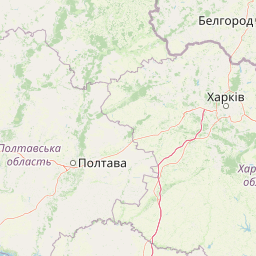

Why Homilsha Woods National Nature Park stands out
Homilsha Woods is best known for its ancient oak forests, some of the finest on Ukraine's left bank, with specimens reaching 600 years old. The park occupies a critical position in the forest-steppe transition zone, protecting representative examples of oak-hornbeam forests, pine forests on sandy terraces, and floodplain ecosystems. Its biodiversity is exceptional for the region, with over 850 plant species, 153 bird species, 53 mammal species, and more than 1,200 non-lichen-forming fungi documented within the boundaries. The park also preserves a chain of oxbow lakes and wetlands along the Donets River, supporting significant populations of waterfowl and wetland-dependent species.
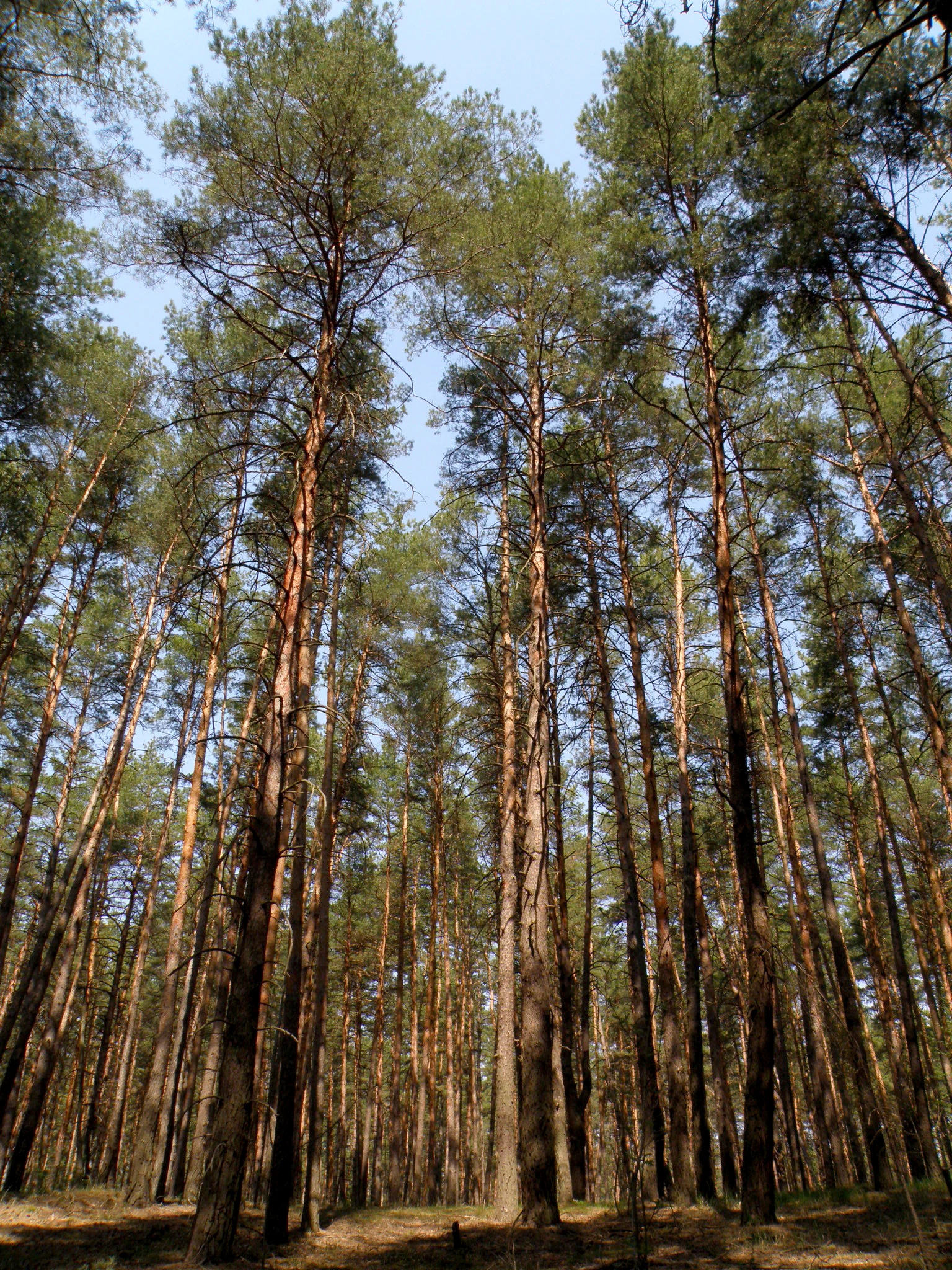
Homilsha Woods National Nature Park history and protected-area timeline
The protection history of Homilsha Woods dates back to the era of Peter the Great, who designated local territory as a "protected ship grove" to ensure a sustainable supply of timber for shipbuilding. Scientific interest in preserving this forest began in 1914, when researchers from Kharkiv University, led by Professor V.M. Arnoldi, proposed granting protected status to the area due to its value as a reserve of rare, relict, and endemic plant and animal species. In the early 20th century, portions of ancient forest were protected, and in 1926, the floodplain area in the Khomutky tract was declared a bird sanctuary. By 1932, the Homilshanska Lisova Dacha and the Khomutky floodplain forest were protected as republican-level nature monuments. In 1972, the Homilshanska Lisova Dacha landscape reserve covering 9,092 hectares was established, which formed the core upon which the national nature park was created in 2004. The park's creation fulfilled decades of scientific advocacy for the region's protection.
Homilsha Woods National Nature Park landscape and geographic character
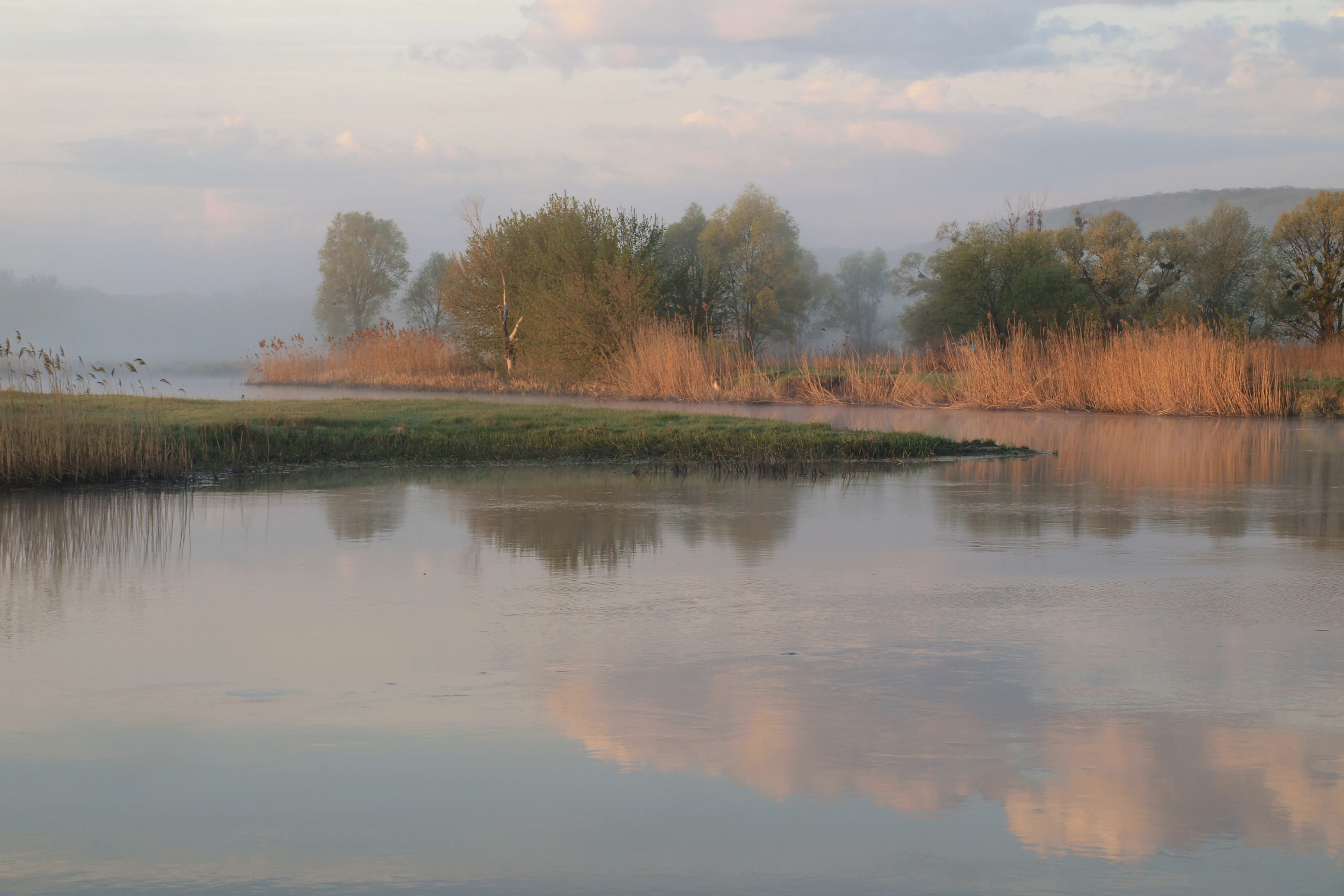
The park is composed of protected and recreational areas along both banks of the middle reaches of the Donets River and the Gomolshy River. The right bank features hilly spurs of the Middle Russian Uplands rising up to 100 meters above the river valley, while the left bank consists of the flat East European Plain. The terrain is characterized by hills and ravines, with steep cliffs along the river valleys exposing geological strata that document paleographical conditions from the Eocene epoch. Notable geomorphological features include the "Pravallia" multi-step landslide covered in steppe and shrub vegetation, and a landslide on the slopes of Monastyrska Mountain reaching 60 meters in height. The park contains numerous oxbow lakes and wetlands, including Bile Lake extending 1,122 meters with a maximum width of 297 meters, and the Kosach inlet representing an old channel of the Siverskyi Donets.
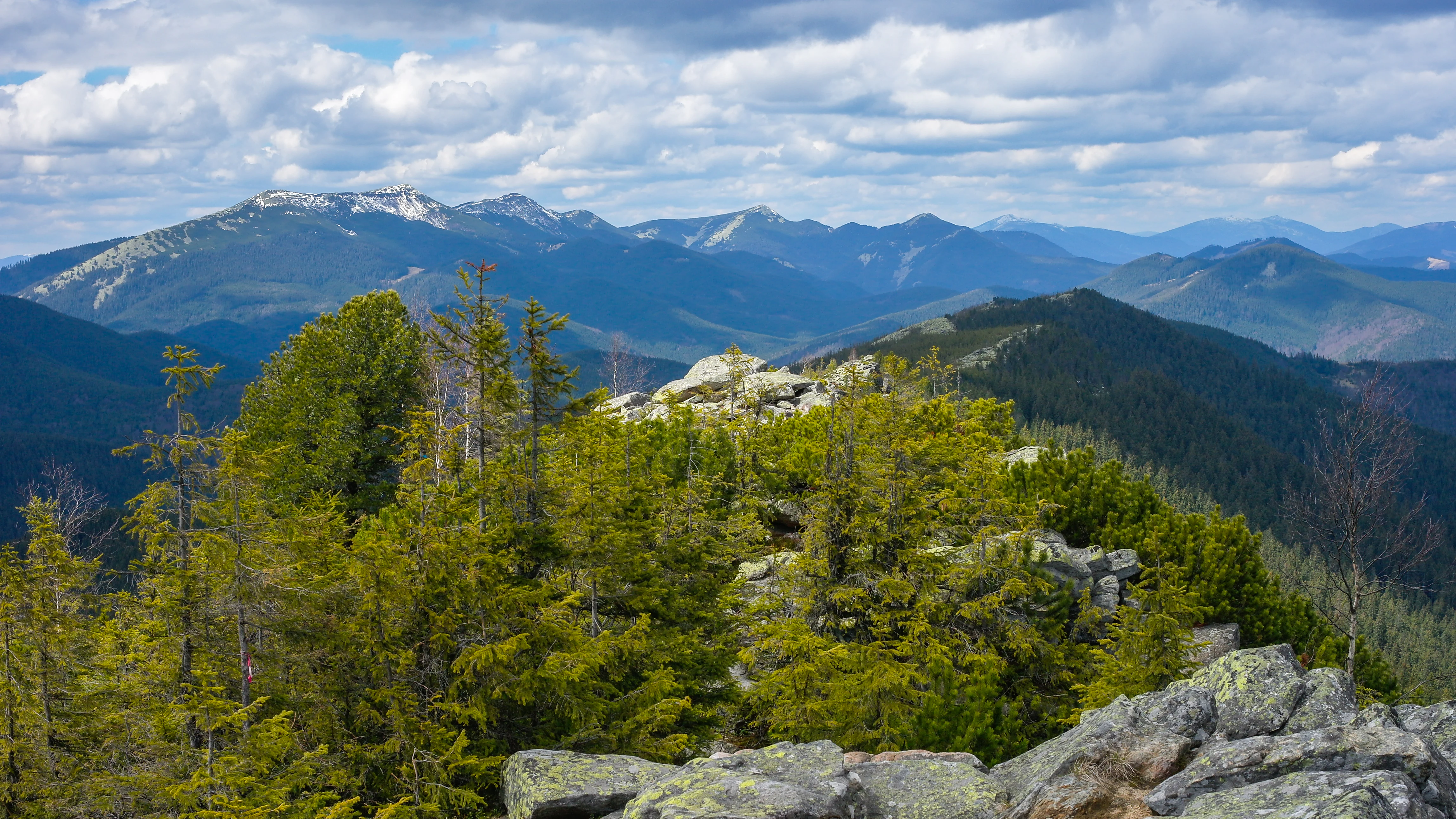
Homilsha Woods National Nature Park ecosystems, habitats, and plant life
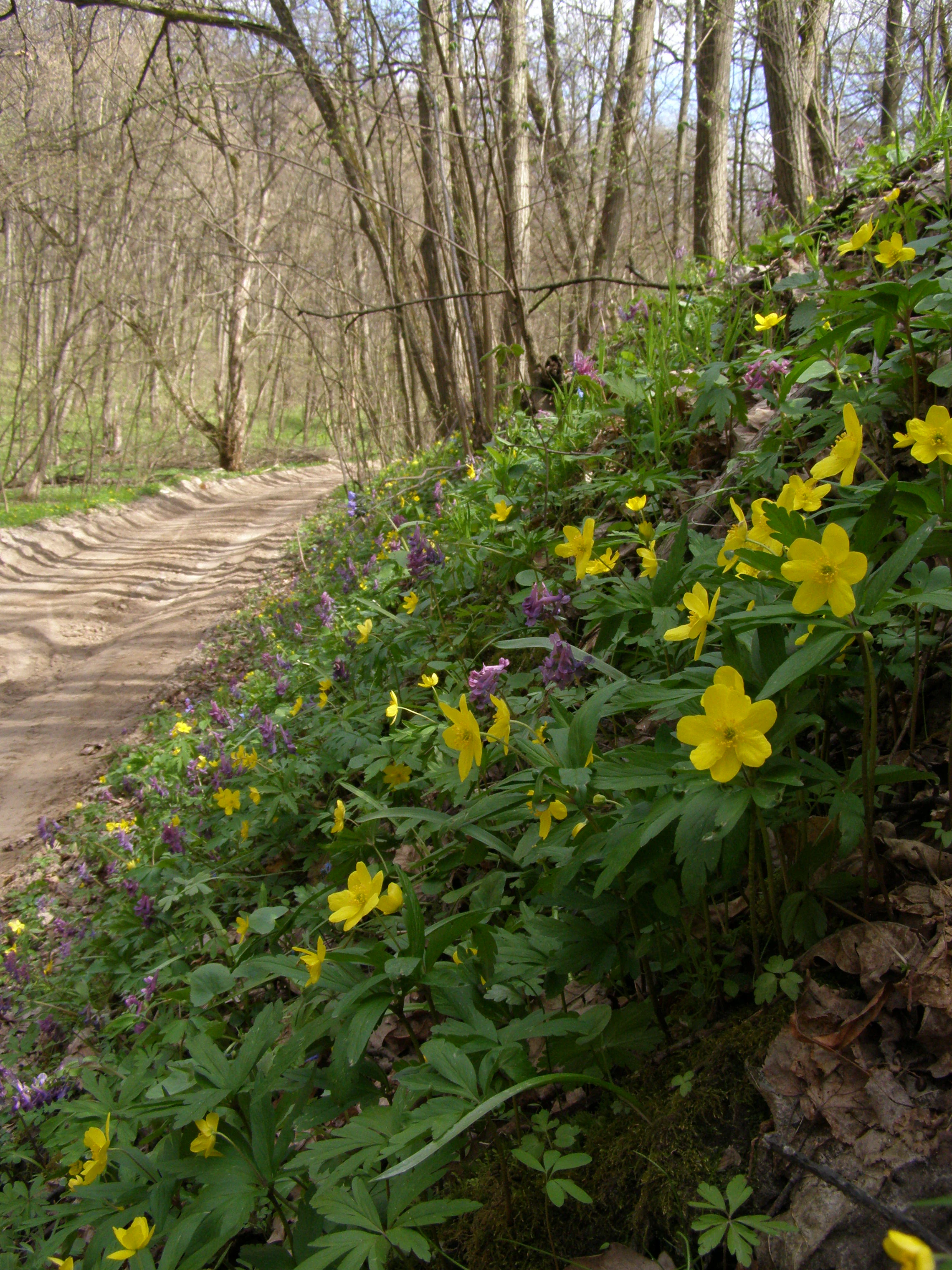
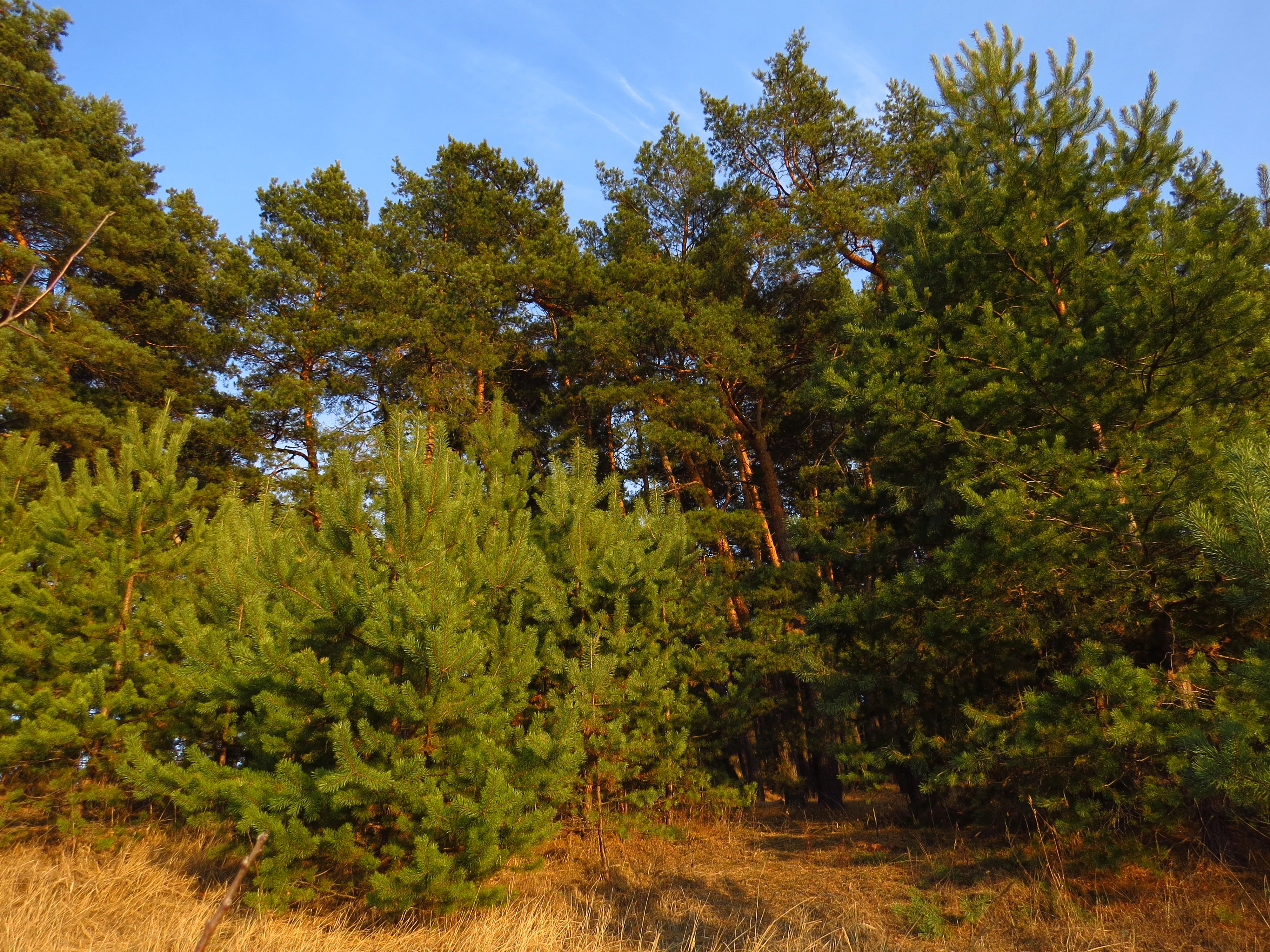
Homilsha Woods occupies the southern boundary of the Left-Bank forest-steppe, resulting in exceptional floristic diversity. The park contains approximately 1,000 species of vascular plants, with 132 species classified as rare. These include plants of oak forests (37 species), pine terrace species (34 species), floodplain meadow species (31 species), and steppe species (30 species). The forests are dominated by maple-ash-oak communities on the slopes of the right bank, while the sandy terraces of the left bank support pine forests and mixed pine-oak "subor" communities. Floodplain forests feature elm and maple, along with poplar stands, willow groves, and alder carrs. Approximately 500 hectares of forest are 130 to 150 years old, with individual oaks reaching 200 to 300 years, and the oldest specimens approaching 600 years. The park's soils represent nearly the entire spectrum of forest-steppe soils, with particular value being their occurrence under primary natural vegetation representing unaltered or minimally altered soil profiles.
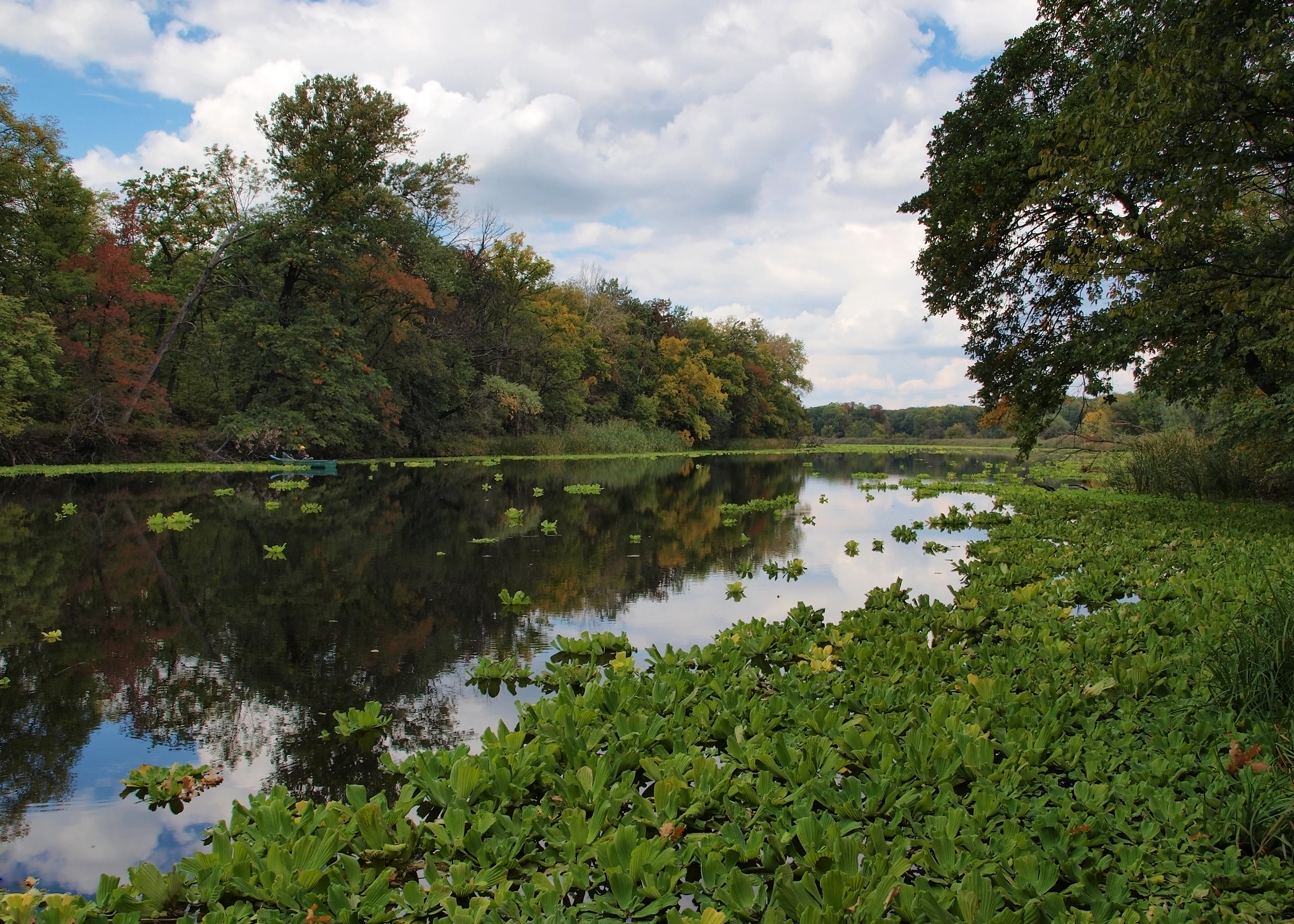
Homilsha Woods National Nature Park wildlife and species highlights
The animal population of Homilsha Woods includes diverse zoogeographic groups, primarily species with broad ranges. The core of the animal community consists of representatives of the nemoral forest complex, with Mediterranean species at the northern limits of their distribution. The forests contain relict species of Atlantic, Tertiary, and glacial origin, while the bogs of the pine terrace support isolated taiga fauna elements, and sandy areas harbor psammophilous and thermophilic species of Mediterranean and even Central Asian origin. The park hosts 153 bird species, including rare European species such as the roller, bee-eater, and hoopoe. Floodplain meadows support the corncrake, a species listed on the IUCN Red List and European Red List. Large birds of prey nesting in the park include the lesser spotted eagle, white-tailed eagle, osprey, short-toed eagle, and imperial eagle. Mammal diversity includes 53 species, with notable species including the European mink, river otter, badger, and ten bat species. The park also documents 50 fish species and remarkable invertebrate diversity, including 40 insect species listed in the Red Book of Ukraine.
Homilsha Woods National Nature Park conservation status and protection priorities
Homilsha Woods occupies a special place in Ukrainian nature conservation. The strict protection zone was strategically placed in the very heart of the park, creating natural barriers to human access while preserving core ecological areas. Additionally, special protective areas ranging from 10 to 120 hectares, designated as "especially valuable natural territories," were established in the economic and regulated recreation zones. These areas prohibit clear-cutting, selective logging, recreation infrastructure, and prescribed mowing is conducted in autumn rather than spring. As a result, 35 percent of the park (10.7 percent strict reserve and 24.3 percent especially valuable territories) operates under strict protection. Conservation outcomes have been significant, with the return of elk and formation of a regional population core, new bat colonies, doubled density of the smooth snake, restoration of post-breeding and migratory waterfowl congregations, and increased populations of red-listed bird species including the lesser spotted eagle (from 2 to 7 pairs) and black kite (from 3 to 5 pairs).
Homilsha Woods National Nature Park cultural meaning and human context
The territory of Homilsha Woods contains dozens of archaeological sites of European significance, including the Velikohomilske and Sukhohomilske fortified settlements. Archaeological remains include settlements, burial mounds, and other cultural monuments spanning from the Neolithic (sixth to third millennium BC) through the era of Kyivan Rus. The Great Homilsha fortified settlement, surrounded by earthworks with a burial mound complex containing over a thousand barrows from the Scythian period (sixth to third century BC), holds particular historical importance. The Suhohomilsky archaeological complex features medieval defensive walls, dwellings, and burial structures from the eighth to tenth centuries. The stone-walled settlement "Koropove" between Korobiv Khutir and Haidary represents a two-layer site with Scythian and Romny culture components. The ruins of the Saint Nicholas Monastery, founded in 1648 by Zaporizhzhia Cossacks as the last center of free Cossackdom in Ukraine, also survive within the park.
Top sights and standout views in Homilsha Woods National Nature Park
The park offers five major hiking routes accessing both natural and cultural monuments, with shorter trails to historical and archaeological sites. Guided excursions are available, and educational programs along with scientific research projects are conducted by park management. Accommodation is available at marked points along the river, and swimming is permitted at designated areas. The region has developed as a green tourism destination with hotels and restaurants oriented toward European standards of environmental materials and energy-saving construction. The ecological routes include "Siversko-Donetski Krutoskhy" (Siverskyi Donets Steep Slopes), "Dubovyi Hai" (Oak Grove), and "Kozacha Hora" (Cossack Mountain). The ancient oak "Cossack Oak of Pynkrata Ryabukha" and the old Murava route with several 350-year-old oak giants represent living historical monuments within the forest.
Best time to visit Homilsha Woods National Nature Park
The park can be visited year-round, though the most comfortable period for outdoor exploration is during the warm summer months from May through September, when average temperatures reach 21.5 degrees Celsius. Spring and early summer bring vibrant wildflower displays in the meadows and forest clearings, while autumn offers colorful foliage in the deciduous forests. Winter visits provide opportunities to experience the snow-covered landscape and observe winter-active wildlife, though some facilities may have limited availability. The frost-free period extends 155 to 160 days, making late spring through early autumn the optimal window for most visitor activities.