Why Île aux Aigrettes stands out
Île aux Aigrettes is best known as the home of the last surviving fragment of Mauritius Dry Coastal Forest, a habitat type that has otherwise been lost from the main island. This dense concentration of rare endemic flora and fauna, including reptiles, endemic birds and native ebony trees, has given the islet an outsized ecological significance compared with its small physical size. It is also recognised for its restoration initiatives, particularly the use of introduced Aldabra giant tortoises to mimic the ecological function of the extinct Mauritian giant tortoises. These tortoises help regenerate the forest by browsing vegetation and dispersing seeds, an unusual and highly visible example of rewilding on a tiny island.
Île aux Aigrettes history and protected-area timeline
For most of its pre-modern history, Île aux Aigrettes would have been covered in dry coastal forest, much like neighbouring stretches of the Mauritian coast. With the arrival of European colonists and the intense transformation of Mauritius's landscape, the islet followed the wider pattern of ecological decline: indigenous vegetation was logged, and invasive animals and plants drastically altered the ecosystem. Several native species that once lived on or around the islet disappeared entirely; among the most notable losses were the dodo and the Mauritian giant tortoises of the genus Cylindraspis, both of which were extinct by the late 17th and 18th centuries.
By the 20th century, the islet had become a refuge for a shrinking population of native species clinging to survival. Recognising its conservation value, in 1965 the island was declared a nature reserve, giving it formal protection at a time when many of Mauritius's native habitats were continuing to disappear on the mainland. Decades of restoration work followed, focusing on re-establishing the native flora, removing invasive species, and rebuilding ecological functions that had been lost.
A distinctive recent chapter in the islet's history has been the reintroduction of Aldabra giant tortoises from the Seychelles, brought in to recapture the grazing and seed-dispersing role once played by Mauritian giant tortoises. Over time, this experiment has become one of the most visible rewilding efforts in the western Indian Ocean, illustrating how a single reserve can be shaped by deep human history while still acting as a forward-looking conservation laboratory.
Île aux Aigrettes landscape and geographic character
Île aux Aigrettes is a flat, low-lying islet shaped by the coastal geology of south-east Mauritius. Unlike most of the Mauritian mainland, which is built from volcanic basalt and rises into mountainous central uplands, the islet's bedrock is raised coral-limestone, giving it a pale, rocky character and relatively uniform elevation. The result is a coastal environment shaped by shallow soils, salt-influenced air, and frequent exposure to tropical sun.
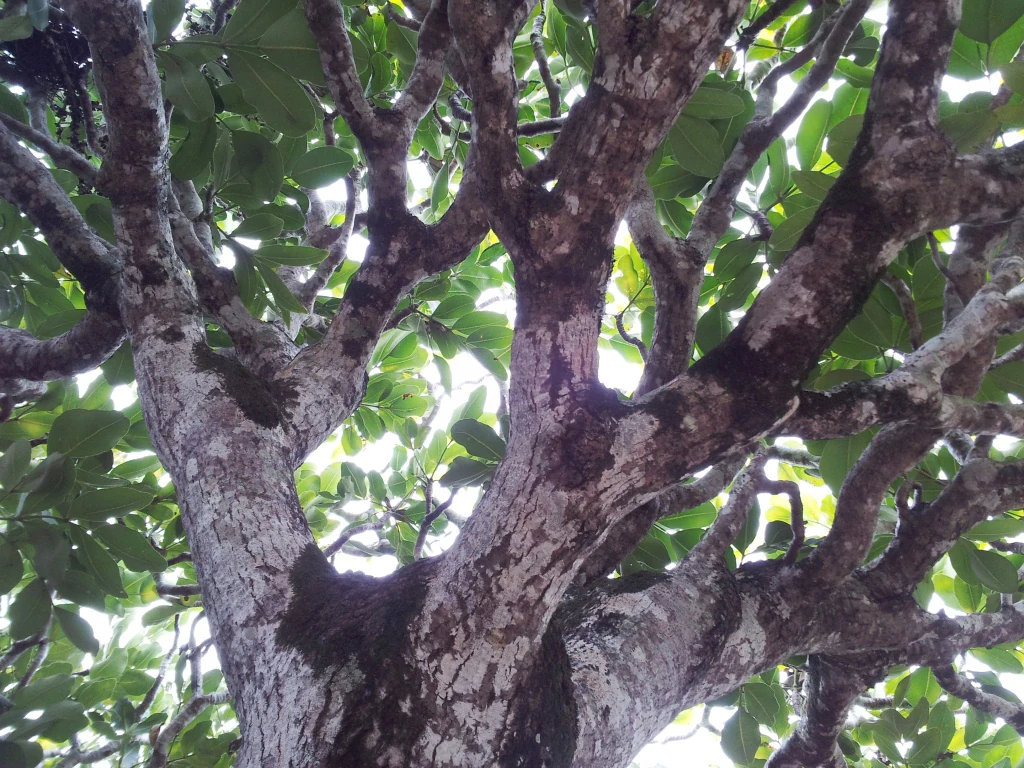
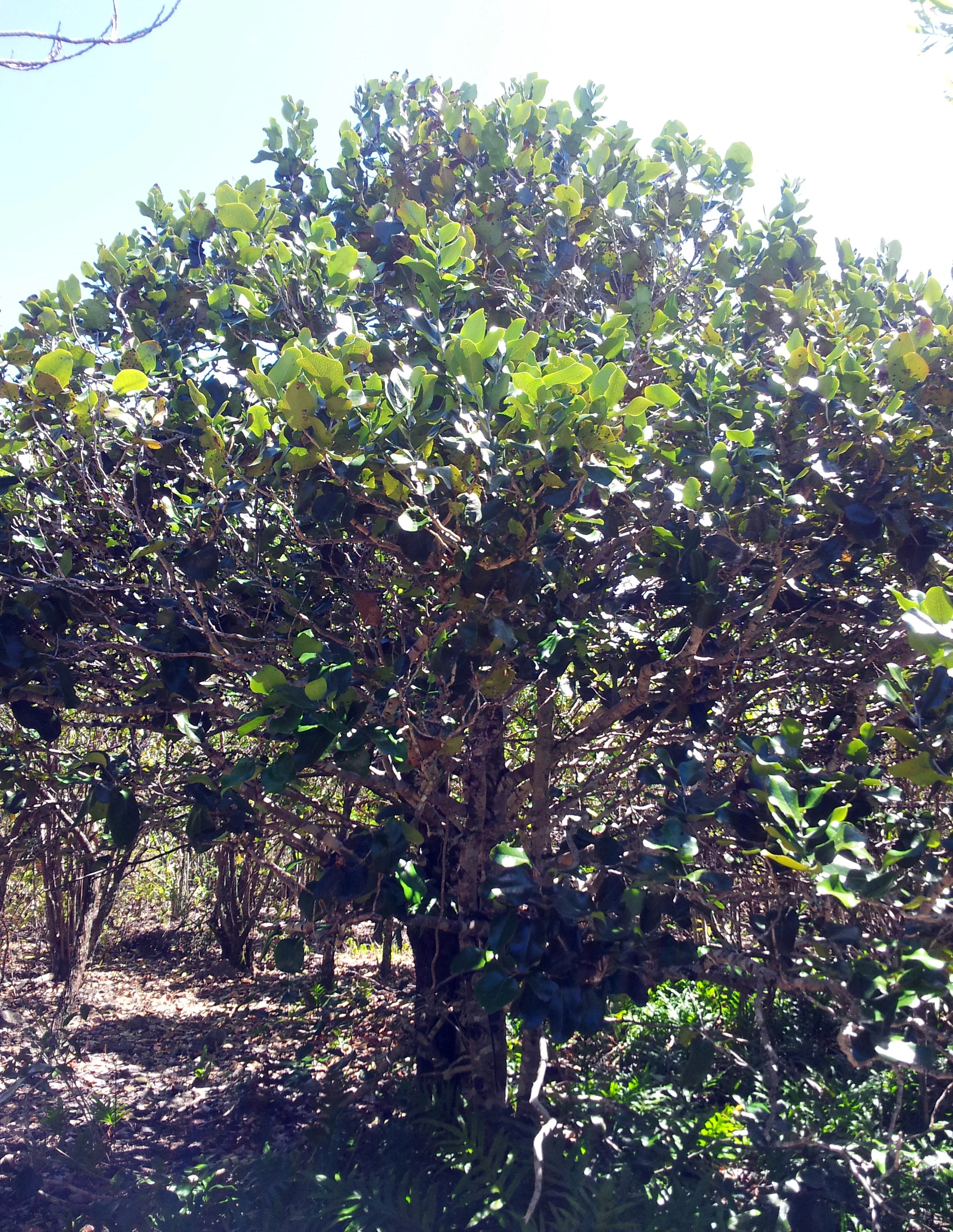
Within this setting, the dominant landscape feature is the dry coastal forest itself. Rather than lush rainforest, the vegetation is composed of low, wind-shaped trees with small or tough leaves, open patches, and a partly open canopy that allows light to reach the ground. Native species such as ebony and Bois boeuf contribute to a canopy that feels distinct from the wetter forests found inland on Mauritius.
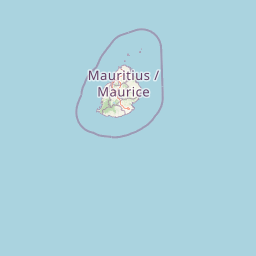
Around the islet, the turquoise waters of the Grand Port bay and the sight of the Mauritian coastline barely a kilometre away provide a strong maritime setting that frames every visit. Visitors approaching by boat cross a shallow lagoon before stepping onto the low shoreline, an experience that reinforces the sense of Île aux Aigrettes as a small, exposed outpost rather than a dense or towering landscape.
Île aux Aigrettes ecosystems, habitats, and plant life
The natural environment of Île aux Aigrettes is defined above all by its status as the last refuge of the Mauritius Dry Coastal Forest ecosystem. This habitat is closely tied to the island's coral-limestone substrate, salt-laden coastal winds, and a rainfall pattern that dries out for significant parts of the year. Where Mauritius's inland forests are typically taller, denser, and more humid, the dry coastal forest is open, tough, and shaped by stress rather than abundance.
Native plant communities on the islet include ebony species such as Diospyros egrettarum, which is named after the islet itself and remains locally plentiful there. Other native canopy species, including Bois boeuf, help build the continuous forest cover that distinguishes this site from the surrounding sea. Underneath this canopy, a mix of native shrubs, herbs, and ground-layer plants completes an ecological community that combines drought tolerance with coastal exposure.
At a broader ecological level, the reserve has become a critical reservoir of indigenous biodiversity that has otherwise vanished from the Mauritian mainland. By stabilising populations of endemic plants and restoring ecological processes, the reserve supports species and interactions that would otherwise only exist in historical records.
Île aux Aigrettes wildlife and species highlights
Wildlife is at the heart of the Île aux Aigrettes experience. Because the surrounding mainland has lost much of its native fauna, the islet now hosts a dense concentration of rare endemic species that visitors would struggle to see anywhere else in Mauritius.
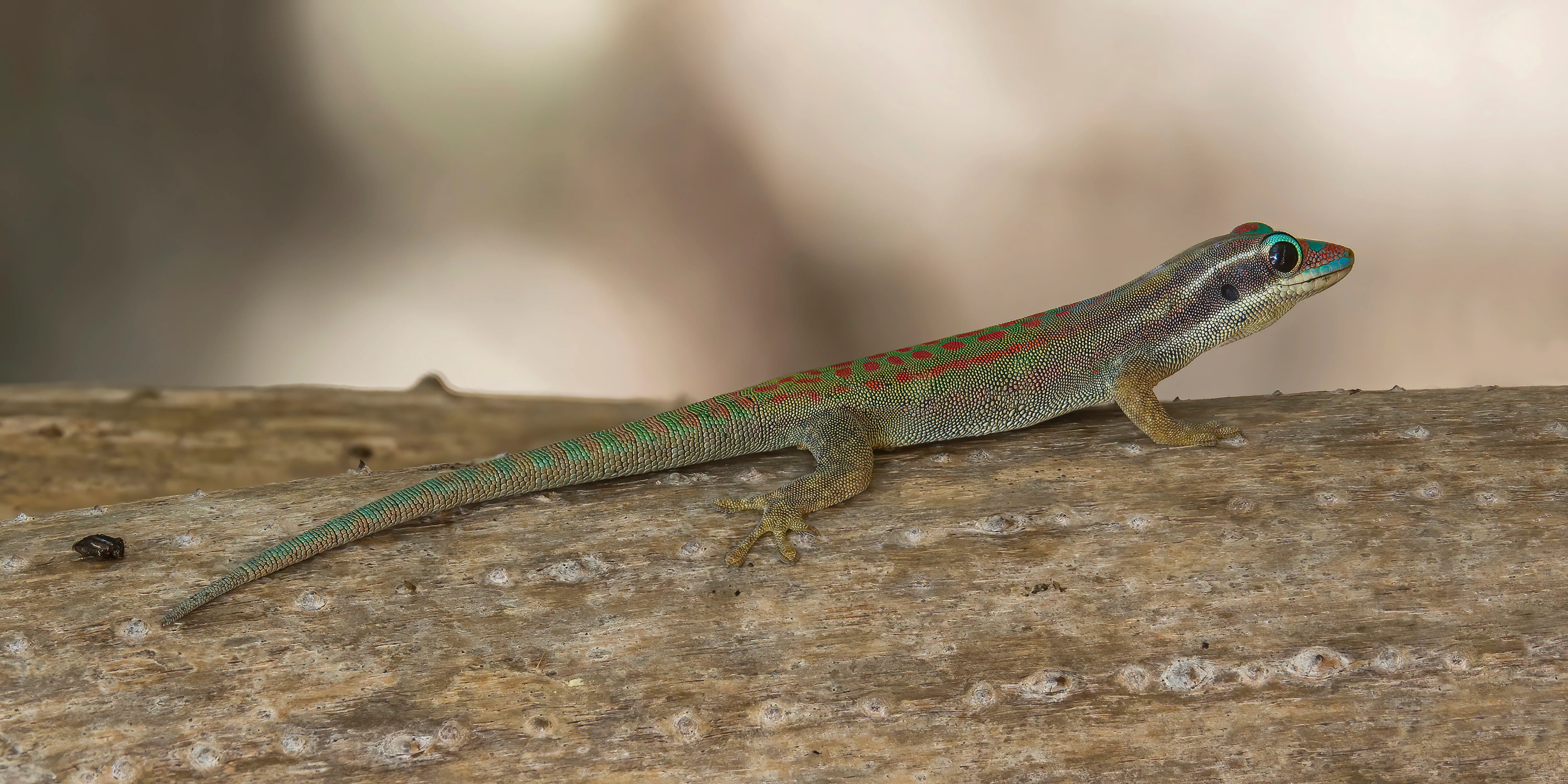
Among the most prominent animals are reptiles. Telfair's skink, a large and notably gentle lizard, is one of the islet's flagship species. Several strikingly coloured day gecko species add visible bursts of colour, including the Mauritius ornate day gecko. The reserve is also home to a population of Aldabra giant tortoises, originally from the Seychelles, which have been introduced to fill the ecological niche left vacant by the extinct Mauritian giant tortoises.
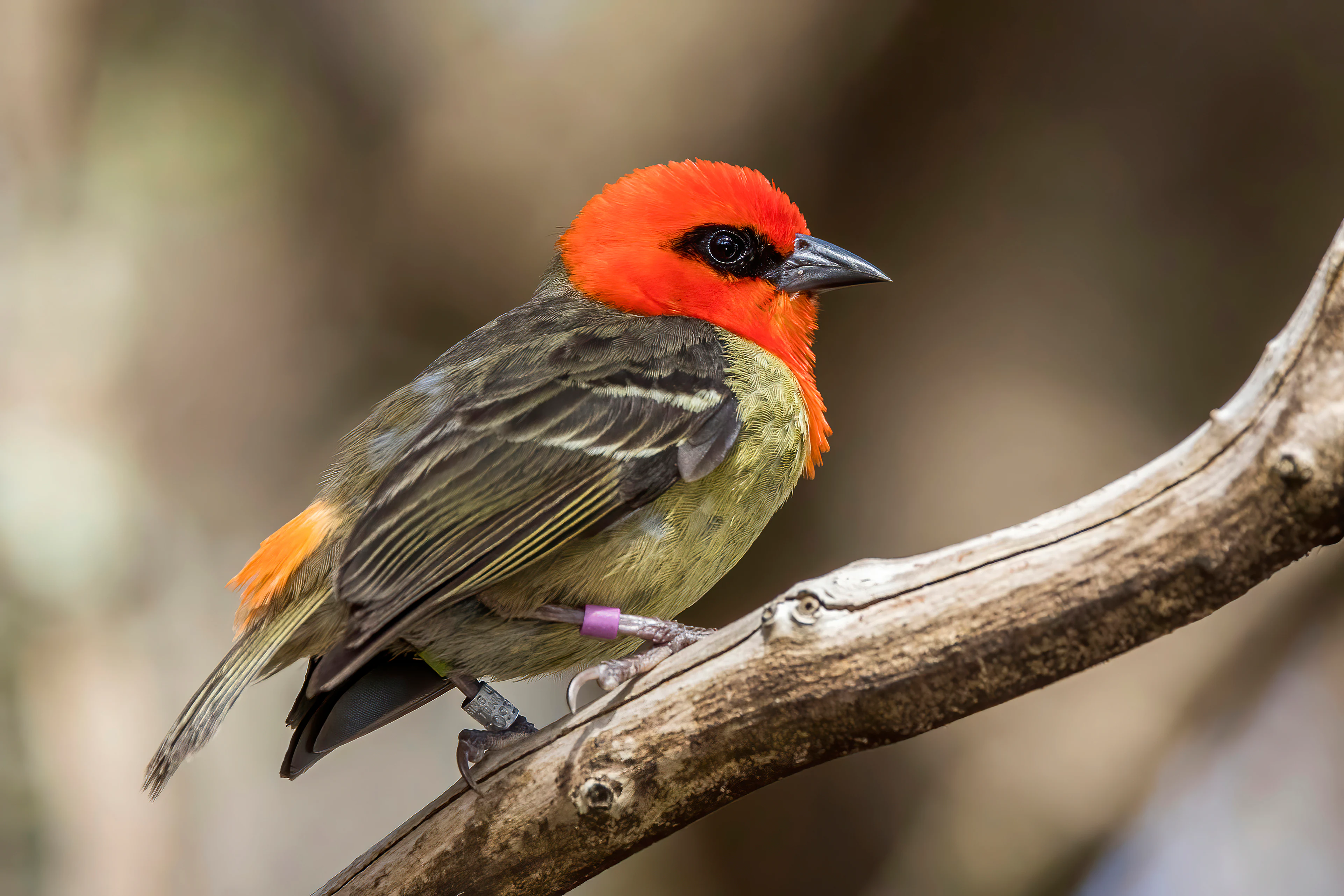
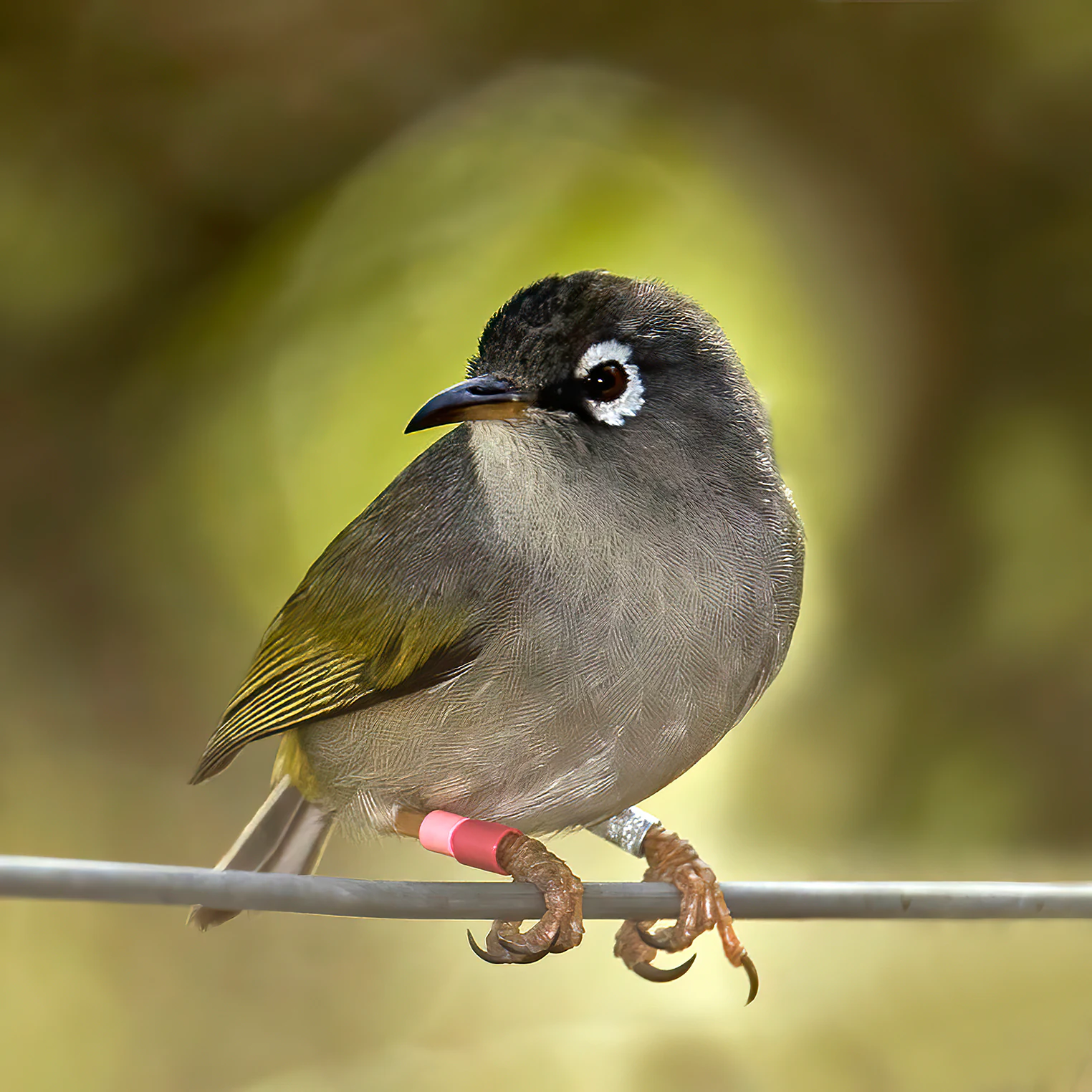
The birdlife is equally significant. Endemic species such as the Mauritius fody, the Mauritius olive white-eye, and the pink pigeon can be encountered on the islet, and their breeding populations form a key part of wider national conservation programmes for these birds.
Île aux Aigrettes conservation status and protection priorities
Île aux Aigrettes is one of the most important conservation sites in Mauritius precisely because it concentrates a wide range of rare species and ecosystem functions on a very small area. Its 1965 designation as a nature reserve formalised protection for what was already recognised as the last substantial fragment of Mauritius Dry Coastal Forest, and decades of management have focused on halting further decline and rebuilding what had been lost.
Active conservation work on the islet includes invasive species control, propagation and replanting of native flora, and habitat management aimed at restoring the original structure of the dry coastal forest. Several animal species that disappeared from the islet but survived elsewhere in Mauritius have also been reintroduced, expanding the range of native wildlife supported by the reserve.
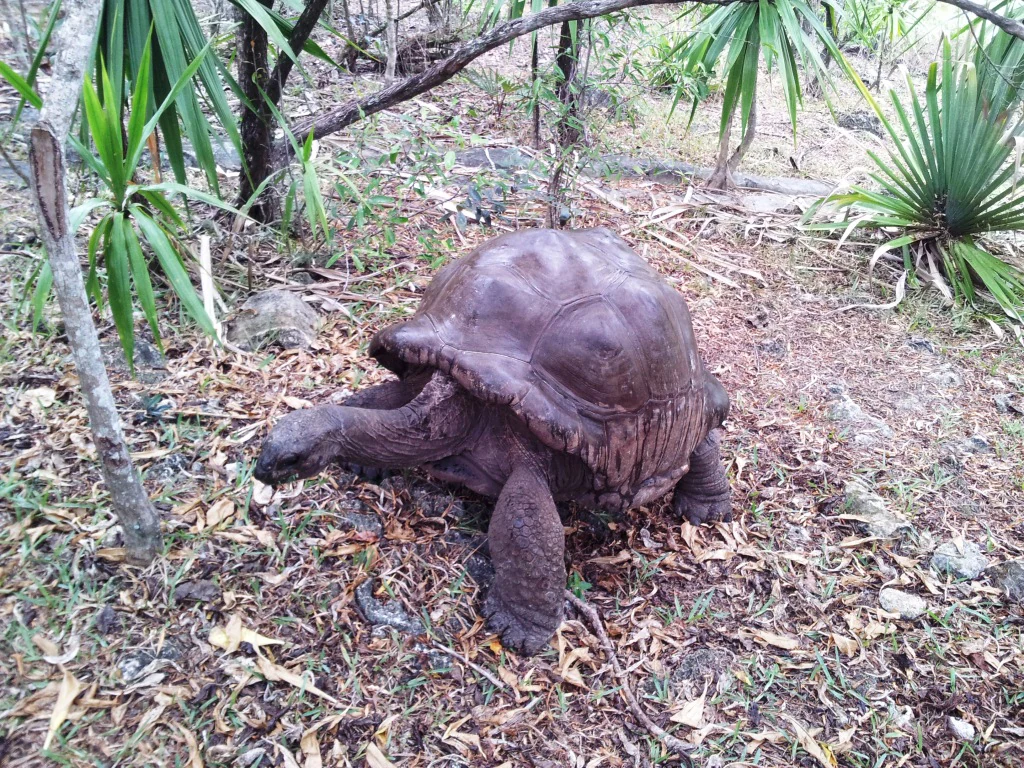
The introduction of Aldabra giant tortoises to take over the grazing and seed-dispersal role of the lost Mauritian giant tortoises is one of the most distinctive elements of the reserve's conservation strategy. By demonstrating that extinct ecological functions can sometimes be replaced using related species from elsewhere, the project has made the reserve a reference point for island restoration efforts across the Indian Ocean.
Île aux Aigrettes cultural meaning and human context
Although Île aux Aigrettes is primarily recognised for its natural values, the islet also carries layers of human history tied to the wider story of Mauritius. The transformation of the island's coastal forests, the loss of species such as the dodo, and the long decline of native ecosystems are all part of the broader colonial and post-colonial history of land use in the Mascarene archipelago, and they shape how Mauritians today relate to sites such as this.
The reserve has also become an important cultural and educational landmark. School groups, researchers, and visitors from across Mauritius and abroad use the islet as a place to engage with questions of extinction, restoration, and indigenous biodiversity. This role gives the site meaning beyond pure ecology, embedding it in national conversations about environmental heritage and the recovery of what has been lost.
Top sights and standout views in Île aux Aigrettes
The strongest attractions of Île aux Aigrettes are ecological rather than scenic in the conventional sense. Seeing Telfair's skink and brightly coloured day geckos, observing the rare endemic palms and ebony trees of the dry coastal forest, and watching the introduced Aldabra giant tortoises graze their way through native vegetation are key experiences that visitors remember.
Equally memorable is the contrast itself: a tiny low coral island in the lagoon, easily visible from the mainland, holding an entire ecosystem that has otherwise vanished from Mauritius. The combination of accessible location, visible restoration success, and dense endemism in a small area gives the islet a powerful sense of place.
Best time to visit Île aux Aigrettes
Île aux Aigrettes can be visited year-round, but the experience changes with the seasons. The cooler, drier months from roughly May to October generally offer the most comfortable conditions for walking the forest trails, with lower humidity, less rainfall, and less intense heat. Bird activity and reptile sightings tend to be reliable across this period, and sea conditions in Grand Port bay are typically calmer.
The warmer, wetter summer months from November to April bring higher temperatures, more rainfall, and a stronger chance of sudden tropical showers. Vegetation is at its lushest and most vigorous during this time, and breeding bird activity can be particularly visible. Visitors who prefer a more lush green landscape and don't mind the humidity may find this period rewarding, though boat crossings can occasionally be affected by rougher weather.