Why Kroombit Tops National Park stands out
Kroombit Tops is best known for its remarkable endemism, supporting species found nowhere else on the planet. The park is the only known habitat of the critically endangered Kroombit tinker frog, with fewer than 200 individuals remaining in the wild as of 2020, and the silver-headed antechinus, a marsupial species only described in 2013. The WWII bomber crash site of 'Beautiful Betsy' adds a distinctive historical dimension rarely found in Australian national parks. The park also supports the rare Kroombit Tops Assassin Spider and a small population of wild brumbies.
Kroombit Tops National Park history and protected-area timeline
The establishment of Kroombit Tops National Park in 1974 marked the formal recognition of the area's ecological significance after decades of land use and exploration. However, the park's history extends far deeper into Australia's past, with the most dramatic chapter written during World War II. On February 26, 1945, during stormy weather, a United States Army Air Forces Consolidated B-24D Liberator bomber named 'Beautiful Betsy' disappeared while on a 'Fat Cat' supply run from Darwin to Brisbane, carrying men and supplies as part of regular military air operations. The aircraft was transporting six American aviators and two British Royal Air Force Spitfire pilots. The wreckage was finally discovered on August 2, 1994, resting within what was then the national park. The crash site has been preserved with a commemorative plaque, providing a sobering reminder of the human cost of wartime operations and adding a unique historical layer to the park's identity. This discovery brought international attention to the park and connected its conservation mission with a meaningful human story.
Kroombit Tops National Park landscape and geographic character
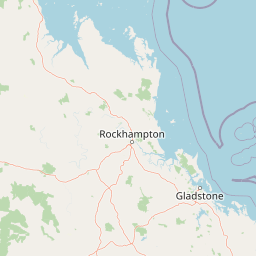
Kroombit Tops National Park encompasses diverse terrain characteristic of the Central Queensland highlands region. The park's landscape features a mixture of ridgelines, valleys, and forested areas that create varied visual and ecological character across its 74.6 square kilometer extent. The larger eastern portion spans multiple localities including Tablelands, Valentine Plains, Cania, and Boyne Valley, while the smaller western section occupies the Mount Alma area. Vegetation communities range from denser rainforest patches in sheltered gullies to more open woodland on exposed slopes and ridges. The terrain supports numerous creeks and drainage lines that provide moisture to the forest ecosystems, particularly important for the moisture-dependent species that inhabit the park. This topographic and vegetational diversity contributes to the park's biological significance by creating multiple habitat types within a relatively compact area.
Kroombit Tops National Park ecosystems, habitats, and plant life
The ecological significance of Kroombit Tops National Park centers on its role as a sanctuary for species with extremely restricted distributions. The park's habitats support several organisms that have evolved in isolation within this specific region of Queensland, resulting in levels of endemism rarely encountered in other protected areas. The moist forest environments provide critical habitat for the Kroombit tinker frog, a species completely dependent on the park's particular conditions and now facing severe risk of extinction. Similarly, the recently described silver-headed antechinus represents a mammalian species known only from this protected area, demonstrating the park's importance for conservation science. The vegetation communities themselves display patterns typical of Central Queensland's subtropical forests, with species compositions that differ from both tropical rainforests to the north and more temperate forests to the south. This transitional ecological character contributes to the park's scientific and conservation value.
Kroombit Tops National Park wildlife and species highlights
Kroombit Tops National Park harbors an extraordinary concentration of rare and endemic wildlife, making it one of Queensland's most significant protected areas for biodiversity conservation. The Kroombit tinker frog represents the park's most endangered resident, with population estimates so low that the species teeters on the edge of extinction; successful captive breeding efforts at Currumbin Wildlife Sanctuary in 2020 offered crucial hope for the species' survival. The silver-headed antechinus, a small carnivorous marsupial described scientifically in 2013, remains known only from this park, highlighting its global conservation responsibility. The Kroombit Tops Assassin Spider (Austrarchaea alani) is another species found exclusively within the park's boundaries, demonstrating the area's exceptional evolutionary isolation. Birdwatchers find the park rewarding due to diverse avian communities, while the presence of wild brumbies adds an element of Australian pastoral history to the park's wildlife mix. These species collectively underscore why Kroombit Tops is considered essential for protecting Queensland's unique terrestrial biodiversity.
Kroombit Tops National Park conservation status and protection priorities
Kroombit Tops National Park serves as a critical conservation refuge for several species facing imminent extinction risk outside its boundaries. The park's designation as an IUCN Category II protected area reflects its primary purpose of preserving natural ecosystems while allowing for compatible recreational use. The Kroombit tinker frog's precarious status, with fewer than 200 individuals remaining entirely within the park's rainforests, represents one of Australia's most urgent amphibian conservation priorities. Collaborative efforts between Queensland Parks and Wildlife Service and organizations like Currumbin Wildlife Sanctuary have enabled captive breeding programs that may eventually support reintroduction efforts. The discovery and protection of the silver-headed antechinus demonstrates how national parks serve as frontiers for biological discovery, with new species still being identified within their boundaries. The park's WWII heritage site also receives conservation attention, balancing natural and cultural preservation objectives.
Kroombit Tops National Park cultural meaning and human context
While Kroombit Tops National Park is primarily valued for its natural and historical significance, it exists within a broader landscape of rural Queensland where agricultural activity and mining have shaped the surrounding region. The presence of wild brumbies connects the park to Australia's pastoral heritage, as these descendants of escaped or released horses have roamed the area for generations. The WWII bomber crash represents a moment when international events intersected with this remote Australian landscape, bringing eight service personnel to their deaths far from their homelands. The park's proximity to towns like Monto and Calliope reflects its role in the regional identity of Central Queensland, where protected areas provide both ecological services and sense of place. Indigenous heritage context specific to the Kroombit Tops area is not extensively documented in available sources, though the broader Central Queensland region contains significant Aboriginal cultural connections to the landscape.
Top sights and standout views in Kroombit Tops National Park
Kroombit Tops National Park stands out among Queensland's protected areas through its combination of irreplaceable biodiversity and World War II heritage. The park's global significance is defined by species found nowhere else: the critically endangered Kroombit tinker frog, the recently discovered silver-headed antechinus, and the specialized Kroombit Tops Assassin Spider. Visitors can explore the preserved crash site of the 'Beautiful Betsy' B-24 Liberator, a somber historical marker unique among Australian national parks. The park's compact 74.6 square kilometer extent contains remarkable ecological diversity, from rainforest pockets to woodland environments, supporting exceptional endemism. Recreational opportunities including birdwatching, bushwalking, and camping at Griffiths Creek Campground make the park accessible for visitors while conservation efforts work to secure the future of its most vulnerable residents.
Best time to visit Kroombit Tops National Park
The optimal time to explore Kroombit Tops National Park depends on what visitors hope to experience, with Queensland's subtropical climate offering different conditions throughout the year. The cooler winter months from May through September typically provide more comfortable conditions for bushwalking and outdoor activities, with reduced humidity and milder daytime temperatures. Summer months from December to February bring warmer conditions and higher rainfall, which can affect track conditions and accessibility but may also increase wildlife activity in the park's moist environments. The park can be visited year-round, though visitors should check current conditions and any park closures before traveling, particularly during the wet season when some roads may become impassable. Birdwatching opportunities exist throughout the year, with different species more active during different seasons.