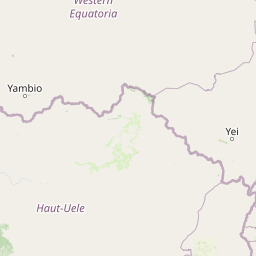
Why Lantoto National Park stands out
Lantoto National Park is best known for its substantial elephant populations and diverse woodland ecosystems. The park supports significant herds of elephants alongside buffalo, antelope, baboon, and ostrich populations. The combination of forest, woodland, and open glade habitats creates a varied landscape that supports multiple species groups. The presence of elephants as a keystone species defines much of the park's ecological identity and conservation significance.
Lantoto National Park history and protected-area timeline
Lantoto National Park was officially named as a protected area through Sudan's Wildlife Act of 1986, establishing the foundational legal framework for its conservation status. The park's protection was reinforced through the Wildlife Conservation and National Parks Act of 2003, which updated and strengthened the legislative basis for wildlife protection in Sudan. However, despite these legal designations, the practical implementation of park protection has faced considerable challenges. As of 2012, the boundaries of the park had not been formally demarcated on the ground, which complicates enforcement efforts and creates uncertainty about the exact extent of protected territory. This situation reflects the broader challenges of establishing and maintaining protected areas in South Sudan, a country that has experienced significant political instability and conflict.
Lantoto National Park landscape and geographic character
The landscape of Lantoto National Park is characterized by a mixture of woodland and forest habitats with interspersed open glades. The terrain is dominated by the prominent Jabal Mbangi, the highest and most notable mountain within the park's boundaries. The woodland areas consist of scattered trees and denser forest patches that provide cover and habitat for various species. The open glades create natural clearings within the forested landscape, offering contrast and diversity in the overall scenery. The Central Equatoria location places the park in a region of South Sudan that experiences typical tropical climatic conditions, though the specific microclimate within the park is influenced by its varied topography and vegetation cover.
Lantoto National Park ecosystems, habitats, and plant life
The nature of Lantoto National Park centers on its woodland and forest ecosystems, which form the primary vegetation types within the protected area. These habitats support a diverse array of plant and animal life, with the vegetation structure providing important resources for multiple species. The combination of forest cover and open areas creates an ecological mosaic that supports both woodland-dependent species and those that prefer more open habitats. The park's ecosystems represent important examples of Central African woodland environments, maintaining biological diversity despite the surrounding region's political instability.
Lantoto National Park wildlife and species highlights
Lantoto National Park supports significant wildlife populations, with elephants representing the most notable large mammal species present in the park. The elephant population faces considerable pressure from poaching activities, which threaten the survival of these animals. Beyond elephants, the park supports substantial populations of buffalo, various antelope species, baboons, and ostriches. This combination of large mammals and smaller primates creates a diverse wildlife community. The presence of ostriches indicates the existence of suitable open habitat areas within the park, as these large flightless birds prefer more open terrain.
Lantoto National Park conservation status and protection priorities
Lantoto National Park holds significance as one of South Sudan's legally protected areas, designated under national wildlife legislation to preserve natural ecosystems and wildlife populations. The park's conservation value is particularly tied to its elephant populations, which represent important large mammal fauna for the region. However, the park faces significant conservation challenges. Poaching activities pose an increasing threat to elephant survival, and the lack of boundary demarcation complicates effective protection and management. The incomplete establishment of park boundaries represents a fundamental challenge to implementing meaningful conservation measures and enforcing protection regulations.
Top sights and standout views in Lantoto National Park
Lantoto National Park offers a substantial protected area of woodland and forest ecosystems in South Sudan, with Jabal Mbangi providing a notable topographic feature. The park supports significant elephant populations alongside buffalo, antelope, and ostrich, making it an important area for large mammal conservation in Central Equatoria. The combination of forested areas and open glades creates varied habitats within a single protected landscape. However, the park's conservation effectiveness is compromised by poaching threats and the absence of formal boundary demarcation.