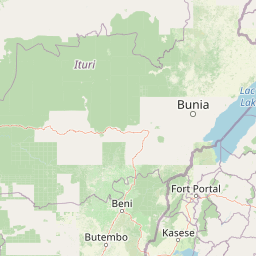
Why Semuliki National Park stands out
Semuliki National Park is best known for its remarkable lowland rainforest ecosystem, which is unusual in the East African context. The park provides habitat for significant populations of forest elephants and buffaloes, as well as several primate species including chimpanzees and grey-cheeked mangabeys. The birdlife is exceptionally diverse, with over 400 species recorded, making it a destination of particular interest for ornithologists. The forest also contains rare tree species and represents a transition zone between Central African and East African ecological communities.
Semuliki National Park history and protected-area timeline
Semuliki National Park's protected status evolved from earlier colonial-era conservation efforts in the region. The area was originally part of a larger forest reserve established during the British colonial period to protect the valuable timber resources of the Semuliki Valley. The forest reserve system in Uganda was designed to manage timber exploitation while preserving forest cover in strategically important areas. In 1993, following broader national park expansion efforts by the Uganda Wildlife Authority, the Semuliki Forest Reserve was redesignated as a national park. This elevation reflected the growing recognition of the area's biological significance beyond its timber value. The park was incorporated into Uganda's national park system as part of a broader initiative to establish comprehensive protected area coverage across the country's diverse ecological zones.
Semuliki National Park landscape and geographic character
The landscape of Semuliki National Park is characterized by its flat valley floor and surrounding gently rolling terrain, all covered in dense tropical rainforest. The Semuliki River flows through the park in a westward direction, creating marshy corridors and seasonal flooded areas along its banks. The valley floor sits at approximately 700 meters elevation, surrounded by hills that rise slightly higher but remain within the tropical forest zone. The soil in the valley is fertile and supports rapid vegetation growth, resulting in a canopy that can reach heights of 30 meters or more. Throughout the forest, there are areas of swamp vegetation where water-tolerant species dominate, and the forest canopy is broken by occasional large trees that emerge above the general canopy level. The overall impression is of a pristine tropical forest environment that has changed little over geological time.
Semuliki National Park ecosystems, habitats, and plant life
The ecological character of Semuliki National Park is defined by its lowland tropical rainforest, a habitat type that is rare in Uganda and East Africa generally. The forest represents a continuation of the Congo basin forest ecosystem, extending into Uganda at the eastern edge of the great African rainforest belt. This positioning gives the park a unique ecological identity, with species assemblages that reflect Central African rather than East African influences. The forest structure features multiple layers, from the forest floor through understory and middle canopy to the emergent trees that tower above. The high rainfall and consistent temperatures throughout the year support continuous plant growth and create conditions suitable for a diverse array of forest organisms. The park's position adjacent to Virunga National Park in the Democratic Republic of Congo allows for the maintenance of ecological corridors that enable wildlife movement across the international boundary.
Semuliki National Park wildlife and species highlights
Semuliki National Park supports significant populations of large mammals, with forest elephants and African buffaloes being particularly notable inhabitants. The primate community includes chimpanzees, which are regularly observed in the forest, along with grey-cheeked mangabeys, red-tailed monkeys, and blue monkeys. The birdlife is exceptionally rich, with over 400 species recorded within the park boundaries. This includes numerous forest-dwelling species such as African grey parrots, various hornbill species, and forest francolins. The park also provides habitat for various small mammals, reptiles, and amphibians that occupy different niches within the forest ecosystem. The combination of forest structure diversity, from riverine areas to high canopy zones, supports this remarkable biological diversity.
Semuliki National Park conservation status and protection priorities
Semuliki National Park represents an important conservation priority as one of the few protected examples of lowland tropical rainforest in Uganda and East Africa. The park protects an ecosystem that has been significantly reduced across its former range due to logging, agricultural expansion, and human settlement. Conservation efforts focus on maintaining the integrity of the forest ecosystem and the species it supports, particularly the forest elephants whose movements span the Uganda-DRC border. The park's inclusion in the broader Virunga ecosystem provides additional conservation context, as the transboundary protected area network offers greater ecological resilience than isolated parks. Ongoing conservation challenges include managing human-wildlife conflict, preventing poaching, and addressing pressures from surrounding land use.
Semuliki National Park cultural meaning and human context
The Semuliki Valley has been inhabited by local communities for generations, with the area historically used by Bundibugyo district residents for various livelihood activities including fishing, small-scale agriculture, and forest product gathering. The park boundary was established to balance conservation objectives with the traditional land uses of local populations, and management approaches have needed to consider the interests of communities living in and around the protected area. The valley's name derives from local languages, and the area maintains cultural connections to the Bakonjo and other communities who have long inhabited this part of western Uganda.
Top sights and standout views in Semuliki National Park
The primary highlight of Semuliki National Park is its remarkable lowland rainforest environment, which offers visitors an experience quite different from Uganda's more famous mountain gorilla destinations. Guided forest walks provide opportunities to observe forest elephants, buffaloes, and primates in their natural habitat. The birdwatching opportunities are exceptional, with the possibility of encountering numerous Central African species that are difficult to see elsewhere in East Africa. The Semuliki River itself offers scenic value, and the swamp forests provide unique ecological settings. The relative remoteness of the park contributes to a wilderness character that appeals to visitors seeking less-traveled destinations.
Best time to visit Semuliki National Park
The optimal time to visit Semuliki National Park coincides with the drier seasons, which typically occur from December through February and from June through August. During these periods, wildlife becomes more concentrated around water sources, making animal observation somewhat easier. The wet seasons bring higher rainfall that can make forest trails more challenging to navigate but also result in lush green scenery. Bird activity can be good throughout the year, though the drier months may offer slightly better viewing conditions. Visitors should be prepared for the tropical climate regardless of season, with warm temperatures and high humidity prevailing in the valley.