
Mori Atlas logo
National parkQueen Elizabeth National Park

Trace the mapped boundaries and regional geography of this significant protected landscape.

Queen Elizabeth National Park: Uganda's Premier National Park for Geographic Exploration

Queen Elizabeth National Park stands as a vital protected area within Uganda, offering a distinct geographic identity for atlas exploration. This page serves as the canonical entry point for understanding its role as a national park, detailing its mapped boundaries and its place within the country's broader natural landscapes. Users can discover the park's specific geographic context and landscape character through structured data and map-oriented insights.

Savanna ecosystemVolcanic landscapeLion conservationWildlife viewingCrater lakesKazinga Channel

Queen Elizabeth National Park

National park

Park overview

Structured park overview, official facts, and landscape profile for Queen Elizabeth National Park

Queen Elizabeth National Park park facts, protected area profile, and essential visitor context
Review the core facts for Queen Elizabeth National Park, including designation, size, terrain, visitor scale, habitats, and operating context in one park-focused overview.

About Queen Elizabeth National Park

Queen Elizabeth National Park represents one of Uganda's flagship protected areas and serves as a cornerstone of the country's tourism industry and conservation framework. The park's location in the western Rift Valley has created a remarkably diverse landscape that includes savanna grasslands, forest-fringed wetlands, volcanic craters, and gallery forests. This variety of habitats supports an extraordinary concentration of wildlife, with the park recording 95 mammal species and over 600 bird species within its boundaries. The park's ecological significance extends beyond its borders, forming an integral part of a transboundary conservation landscape that includes Virunga National Park in the Democratic Republic of Congo, Kibale National Park to the northeast, and several game reserves and forest reserves. This interconnected network of protected areas creates a wildlife corridor of considerable importance for species that require large territories or seasonal movement patterns. The park's proximity to the Rwenzori Mountains adds to its scenic appeal, with the snow-capped peaks visible from certain vantage points within the park.

Quick facts and research context for Queen Elizabeth National Park

Queen Elizabeth National Park spans four districts in western Uganda and covers 1,978 square kilometers of diverse terrain. The park is home to 95 mammal species and over 600 bird species, making it one of Uganda's most wildlife-dense protected areas. It was established in 1952 through the merging of the Lake George and Lake Edward Game Reserves and is managed by the Ugandan Wildlife Authority. The park's volcanic landscape features numerous craters, many containing crater lakes, with the Katwe craters being particularly notable for salt extraction. The Kazinga Channel, a natural waterway connecting Lake Edward and Lake George, serves as a major wildlife corridor and attraction for visitors.

Park context

Deeper park guide and search-rich context for Queen Elizabeth National Park

Queen Elizabeth National Park history, landscape, wildlife, and travel context
Explore Queen Elizabeth National Park through its history, landscape character, ecosystems, wildlife, conservation priorities, cultural context, and seasonal travel timing in a structured park guide built for atlas discovery and search intent.

Why Queen Elizabeth National Park stands out

Queen Elizabeth National Park is best known for its population of tree-climbing lions in the Ishasha sector, where lions have adapted to ascending fig trees to rest and scan for prey. The male lions in this region are particularly distinctive for their black manes. The park is also famous for its dramatic volcanic landscape featuring craters and crater lakes, particularly the Katwe craters where salt has been extracted for generations. The Kazinga Channel provides one of the park's most iconic wildlife viewing experiences, with dense concentrations of hippos and crocodiles visible from boat trips. The park's status as a designated lion conservation unit shared with neighboring Virunga National Park underscores its importance for big cat conservation in Central Africa.

Queen Elizabeth National Park history and protected-area timeline

The modern history of Queen Elizabeth National Park is deeply intertwined with Uganda's colonial period and the complex relationship between conservation and local communities. In 1921, a rinderpest epidemic combined with sleeping sickness among the indigenous Songora people devastated the region, causing significant mortality and emigration. The colonial government subsequently evicted the remaining inhabitants from approximately 90 percent of their lands to establish game reserves, with homes torched and livestock slaughtered, forcing the Songora to seek refuge across the border in what is now the Democratic Republic of the Congo. The park was formally established in 1952 through the combination of the Lake George and Lake Edward Game Reserves, initially named Kazinga National Park. In 1954, the park was renamed to commemorate Queen Elizabeth II's visit, and the last remaining communal grazing rights of the Songora herders were rescinded, prompting further emigration. The late 20th and early 21st centuries brought new challenges, including conflicts with relocated communities such as the Basongora, who were forced to flee from the DRC in 2006 and settled in the park with their livestock. Predator attacks on livestock led to retaliatory poisoning that killed eleven lions in 2018, highlighting ongoing human-wildlife conflict issues. The park has also faced poaching threats, including the killing of six elephants in 2015.

Queen Elizabeth National Park landscape and geographic character

The physical landscape of Queen Elizabeth National Park is remarkably varied and dominated by the geological legacy of the East African Rift Valley. The park's terrain includes extensive savanna plains, swampy valleys, forest patches, and one of its most distinctive features: volcanic cones and craters scattered throughout the western portion of the park. These volcanic formations, many of which contain crater lakes, create a dramatic and photogenic landscape that is unique among East African protected areas. The Katwe craters represent the most significant of these volcanic depressions and have been used for salt extraction for generations, a traditional activity that continues to present day. The Kazinga Channel, a natural waterway connecting Lake Edward to Lake George, bisects the park and provides a permanent water source that draws wildlife throughout the year. The park also includes Kyambura Gorge, a steep forested ravine that provides a different habitat type and supports specialized species. The overall elevation ranges from around 900 meters to 1,300 meters above sea level, creating a relatively flat landscape punctuated by the volcanic features and the channel system.

Queen Elizabeth National Park ecosystems, habitats, and plant life

The ecological character of Queen Elizabeth National Park reflects its position in the transitional zone between the Central African rainforest ecosystem and the East African savanna system. This positioning, combined with the variety of habitats created by its volcanic landscape and water systems, results in exceptional biodiversity. The savanna grasslands support large populations of grazing and browsing animals, while the forest patches and the Kyambura Gorge provide habitat for forest-dependent species. The Kazinga Channel and associated wetlands create an aquatic environment that supports hippos, crocodiles, and waterfowl. The crater lakes, particularly those in the Katwe area, have unique chemical characteristics that influence their ecology. The park's position as part of a larger transboundary conservation network enhances its ecological significance by allowing species movement across international boundaries. The variety of habitats, from open grasslands to forested gorge environments, creates ecological niches that support the park's remarkable species diversity.

Queen Elizabeth National Park wildlife and species highlights

Queen Elizabeth National Park supports an impressive array of wildlife, with 95 mammal species and over 600 bird species recorded within its boundaries. The park is particularly known for its lion population, especially the tree-climbing lions of the Ishasha sector in Rukungiri District, where lions have developed the unusual behavior of ascending fig trees to rest and survey their territory. These lions are notable for the black-maned males that are characteristic of the population. Large mammals common in the park include African elephants, African buffalo, Uganda kob (the park's most abundant antelope), hippopotamus found in large numbers along the Kazinga Channel, topi, waterbuck, warthog, and the giant forest hog. Predators include leopards and spotted hyenas, while the park also supports populations of chimpanzees in the forested areas. The bird population is exceptionally diverse, with over 600 species representing both resident and migratory species. The Kazinga Channel and surrounding wetlands are particularly important for waterfowl and represents a critical habitat for many bird species.

Queen Elizabeth National Park conservation status and protection priorities

Queen Elizabeth National Park plays a crucial role in Uganda's conservation landscape and has been recognized internationally for its significance. In 2006, the park, together with adjacent Virunga National Park, was designated as a lion conservation unit by the International Union for Conservation of Nature, highlighting its importance for big cat conservation in Central Africa. The area is considered a potential lion stronghold if poaching is controlled and prey species are allowed to recover. The Uganda Carnivore Program, in partnership with the Uganda Wildlife Authority, actively monitors the resident lion population including hyenas and leopards through radio collars and other conservation initiatives. The park has faced significant conservation challenges, including poaching of elephants and conflicts between local communities and wildlife that have resulted in retaliatory killings of lions. Conservation efforts focus on anti-poaching patrols, community engagement to reduce human-wildlife conflict, and monitoring programs to track wildlife populations and movement patterns.

Queen Elizabeth National Park cultural meaning and human context

The cultural history of Queen Elizabeth National Park is marked by displacement and complex relationships between conservation initiatives and local communities. The Songora people, a pastoralist community indigenous to the region, were the original inhabitants of the area before the establishment of the park. Following disease outbreaks in 1921, the colonial government used the crisis as justification to evict the Songora from their lands to create game reserves, forcing many to relocate to what is now the Democratic Republic of the Congo. Additional relocations occurred when the park was formally established in 1952 and renamed in 1954, with the rescission of remaining grazing rights prompting further emigration. The Basongora community, originally from the park area, were forced to flee from the DRC in 2006 and returned to settle within the park boundaries, bringing their livestock and creating ongoing interactions with wildlife. The park maintains a twinning relationship with Queen Elizabeth Country Park in England, focusing on cultural exchange and community-based conservation support.

Top sights and standout views in Queen Elizabeth National Park

The tree-climbing lions of the Ishasha sector represent one of the most sought-after wildlife experiences in Uganda, with these lions regularly observed resting in the branches of fig trees. The Kazinga Channel boat cruise provides close encounters with concentrations of hippos and crocodiles along with abundant birdlife. The volcanic crater landscape, particularly around Katwe, offers dramatic scenery and the opportunity to observe traditional salt extraction. The Kyambura Gorge provides a contrasting forest environment and chimpanzee viewing opportunities. The park's position within a transboundary conservation complex with Virunga National Park creates one of Africa's most significant protected area networks. The variety of landscapes within a relatively compact area allows for diverse wildlife viewing experiences ranging from savanna grasslands to forested gorges.

Best time to visit Queen Elizabeth National Park

The best time to visit Queen Elizabeth National Park is during the dry seasons, which typically occur from December to February and from June to August. During these periods, wildlife congregates more readily around remaining water sources, making animal sightings more predictable. The dry conditions also make game viewing easier as vegetation is less dense and trails are more accessible. The wet seasons from March to May and September to November bring lush green landscapes and excellent birdwatching opportunities, though some roads may become difficult to navigate. The park can be visited year-round, but those seeking optimal wildlife viewing should plan for the dry seasons. The park remains open throughout the year, though certain areas may have restricted access during periods of heavy rainfall.
Park location guide

Geography guide, regional context, and park location map for Queen Elizabeth National Park

Queen Elizabeth National Park park geography, regions, and map view in Uganda
Understand where Queen Elizabeth National Park sits in Uganda through a broader geographic reading of the surrounding landscape, nearby location context, and its mapped position within the national park landscape.

How Queen Elizabeth National Park fits into Uganda

Uganda is a landlocked East African nation spanning approximately 241,000 km². It borders five countries and contains part of Lake Victoria, the world's second-largest freshwater lake. The country operates as a presidential republic with Kampala as its capital and largest city.

Wider geography shaping Queen Elizabeth National Park in Uganda

Uganda is situated in East Africa, bordered by Kenya to the east, South Sudan to the north, the Democratic Republic of the Congo to the west, Rwanda to the southwest, and Tanzania to the south. The southern portion includes a substantial part of Lake Victoria. The terrain features volcanic hills, mountains, and lakes.

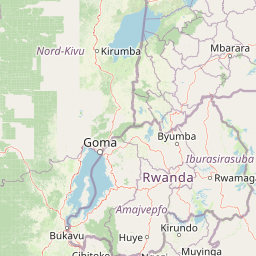
Map view of Queen Elizabeth National Park

Use this park location map to pinpoint Queen Elizabeth National Park in Uganda, understand its exact geographic position, and read its mapped placement within the surrounding landscape more clearly.

Pigeon | © OpenStreetMap contributors
Park atlas

Compare the varied landscapes and conservation efforts across Uganda's prominent protected areas.

Explore Parks Near Queen Elizabeth National Park: Discover Related Protected Areas in Regional Uganda
After exploring Queen Elizabeth National Park, continue your geographic discovery by browsing nearby national parks and adjacent protected areas across Uganda's diverse Western Region. Trace connected conservation landscapes, compare diverse ecosystems from volcanic features to savanna plains, and map the regional spread of significant protected territories.
National parkUganda

Rwenzori Mountains National Park: Uganda's Distinctive Glacial National Park Landscape

Mapped terrain and Afro-alpine ecosystems of this East African protected area.

Rwenzori Mountains National Park represents a unique protected landscape in Uganda, known for its iconic glacial peaks and endemic Afro-alpine vegetation. As a UNESCO World Heritage Site, it showcases dramatic terrain ranging from montane forests to permanent glaciers, with Margherita Peak standing as the crown jewel. This park offers a rich geographic context for understanding East African mountain ecosystems and the mapped boundaries of significant conservation areas, providing valuable data for atlas-style exploration.

Area
996 km²
Established
1991
IUCN
VI
Relief
Mountain
National parkUganda

Kibale National Park: National Park Atlas and Protected Landscape in Uganda

Explore mapped boundaries and regional geographic context.

Kibale National Park represents a key protected landscape within Uganda, identified by its national park designation. This entity offers a focused lens for understanding regional geography and the distribution of protected areas across East Africa. Delve into the mapped boundaries and specific landscape character that define Kibale National Park, providing a concrete point of reference for atlas exploration and geographic discovery.

Area
776 km²
Established
1993
IUCN
II
Relief
Mixed relief
National parkBundibugyo District

Semuliki National Park: Discover Uganda's Protected Landscape and Regional Geography

Explore mapped boundaries and protected area context.

Semuliki National Park serves as a vital protected area within Uganda, located in the Bundibugyo District. This entry focuses on its identity as a mapped landscape, detailing its protected boundaries and regional geographic significance for users interested in structured atlas exploration and understanding the distribution of conservation lands.

Area
219 km²
Established
1993
IUCN
II
Relief
Lowland
National parkKagera Region

Ibanda-Kyerwa National Park: Tanzania's Tri-Border Protected Landscape and Geographic Atlas

Savanna, riparian habitats, and vital regional geography exploration.

Delve into Ibanda-Kyerwa National Park, a recently established national park in Tanzania's Kagera Region. This protected area is distinguished by its critical location at the tri-border with Uganda and Rwanda, with the Kagera River system defining its unique savanna and riparian landscapes. Understanding its mapped boundaries and ecological context provides essential insight into protected land discovery in northwestern Tanzania and its role within the wider regional atlas.

Area
200 km²
Established
2019
IUCN
II
Relief
Highland
Watercolor illustration of rolling hills, mountains, and a river or lake
National parkDemocratic Republic of the Congo

Virunga National Park: Democratic Republic of the Congo's Premier Protected Landscape

Mapped boundaries and diverse Albertine Rift endemic geography.

Virunga National Park represents a pivotal protected area within the Democratic Republic of the Congo, characterized by an exceptional range of geographic features and vital ecosystems. Its protected landscape includes active volcanoes like Nyiragongo with its lava lake, the towering Rwenzori Mountains, and diverse lowland savannas. This atlas-focused entry highlights the park's unique position in the Albertine Rift, crucial for numerous endemic species and offering significant insight into regional geography and protected land context.

Area
7,800 km²
Established
1925
IUCN
II
Relief
Mountain
National parkKagera Region

Rumanyika-Karagwe National Park: Protected Landscape and Geographic Context in Kagera Region

Explore the mapped boundaries and regional setting of this national park.

Rumanyika-Karagwe National Park serves as a vital protected landscape within the Kagera Region of Tanzania. This entry facilitates a geographic discovery of the park, highlighting its mapped outlines and its role as a national park. Users can gain an understanding of its regional landscape context, providing a solid foundation for atlas-based exploration and appreciating the park's protected area status.

Area
247 km²
Established
2019
IUCN
II
Climate
Tropical
National parkRwanda

Volcanoes National Park: Rwanda's Protected Volcanic Landscape and Regional Geography

Mapped park boundaries and East African geographic context.

Delve into Volcanoes National Park, a crucial protected area within Rwanda's northwest. This page offers detailed insight into its geography, highlighting the volcanic terrain and mapped boundaries that define this important national park. Understand its placement within the Virunga Mountains and its contribution to the natural landscape of East Africa, providing a foundation for atlas-based exploration of protected lands.

Area
160 km²
Established
1925
IUCN
II
Relief
Mountain
National parkEastern Province

Akagera National Park National Park: Protected Landscape Geography and Atlas Exploration

Understand the mapped terrain and regional context of Akagera National Park.

Akagera National Park, designated as a national park, represents a vital protected landscape within Rwanda's Eastern Province. This atlas-focused entry provides essential geographic context, highlighting the park's mapped boundaries and natural terrain. Explore Akagera National Park as a key element in regional geography and a focal point for understanding protected land distribution.

Area
1,122 km²
Established
1934
Visitors
34K annual
Relief
Mixed relief

Common questions about visiting, size, designation, and location context for Queen Elizabeth National Park

Queen Elizabeth National Park FAQs for park facts, access, geography, and protected area context
Find quick answers about Queen Elizabeth National Park, including protected-area facts, park geography, trail and visitor context, and how the park fits into its surrounding country and regional landscape.
MoriAtlas Explorer

Continue Your Protected Areas Search Across the Global Atlas

Deepen your exploration by continuing the structured search for national parks and protected areas worldwide. Utilize the comprehensive filtering capabilities to compare different conservation landscapes and refine your understanding of global park geography. Discover more about the distribution and characteristics of protected natural areas.

Global natural geography